
Why Pittsburgh's Industrial Roots Make It a Hub for Piping Fabrication
Finding the right piping fabrication shop in Pittsburgh can make or break a commercial or industrial project. Here is a quick overview of what to know before you start:
Quick Answer: What to Look For in a Pittsburgh Piping Fabrication Shop
| Factor | What to Look For |
|---|---|
| Certifications | ASME B31, SMACNA, AISC, AWS D1.1 |
| Services | Process piping, HVAC ductwork, high-pressure steam, custom skids |
| Materials | Carbon steel, stainless steel, chrome moly, aluminum |
| Pipe sizes | 1/4 inch up to 48 inch diameter |
| Technology | CNC plasma cutting, 3D modeling, BIM coordination |
| Industries served | Oil and gas, chemical, power, healthcare, commercial HVAC |
Pittsburgh has a long history as a steel and manufacturing powerhouse. That industrial heritage did not disappear; it evolved. Today, Western Pennsylvania is home to a dense network of fabrication shops that support some of the most demanding commercial and industrial projects in the country.
From HVAC ductwork for hospitals and office towers to high-pressure process piping for chemical plants and refineries, local fabrication capabilities play an important role across the region. The area's deep pool of skilled tradespeople, strong labor base, and proximity to major industrial facilities make it well-suited for this kind of precision metalwork.
At Smart Climate Solutions, we have spent more than 20 years serving Pittsburgh and Southwestern Pennsylvania with expert HVAC support. We regularly coordinate with local fabrication teams on commercial projects, and in the sections below, we will walk through what to know when evaluating fabrication support for your next job.
Terms related to piping fabrication shop pittsburgh:
The Role of a Piping Fabrication Shop in Pittsburgh
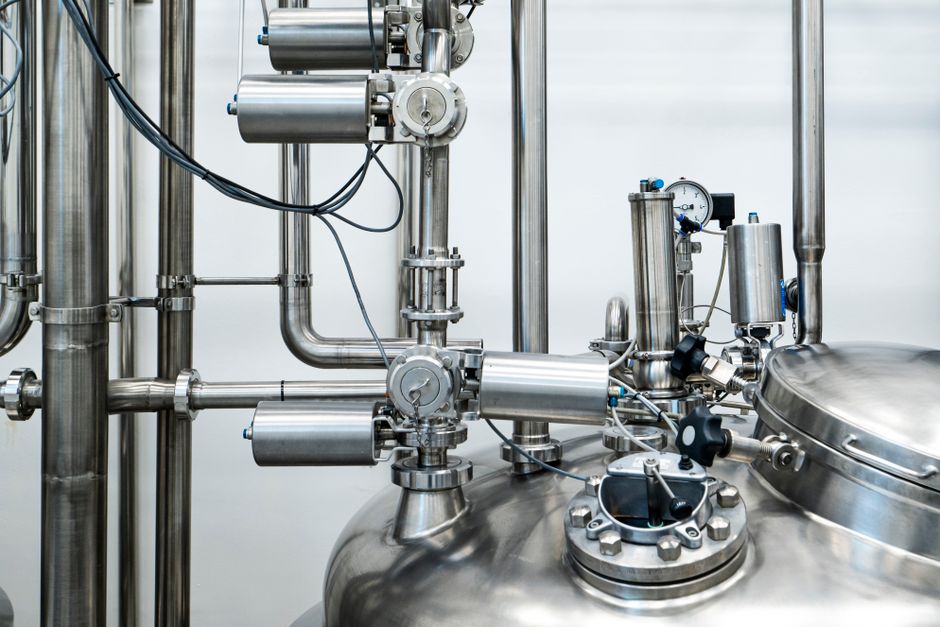
In the heart of the Steel City and surrounding areas like the South Hills, Burgettstown, and even across the river in Steubenville and Weirton, the demand for precision-engineered systems is constant. A piping fabrication shop in Pittsburgh is not just a place where metal is bent; it is a critical part of the region's infrastructure. These facilities specialize in creating complex systems that move, mix, separate, or control the flow of fluids and gases.
Industrial Fluid Movement and Process Piping
Process piping is central to much of the local industrial sector. Unlike standard plumbing, process piping is not part of a building's basic mechanical system. Instead, it is used in refineries, chemical plants, and steel mills to transport raw materials or finished products. Local shops in Western Pennsylvania often have the capacity to work with carbon steel, stainless steel, and specialty alloys so systems can meet demanding pressure and temperature requirements.
HVAC Ductwork and Mechanical Systems
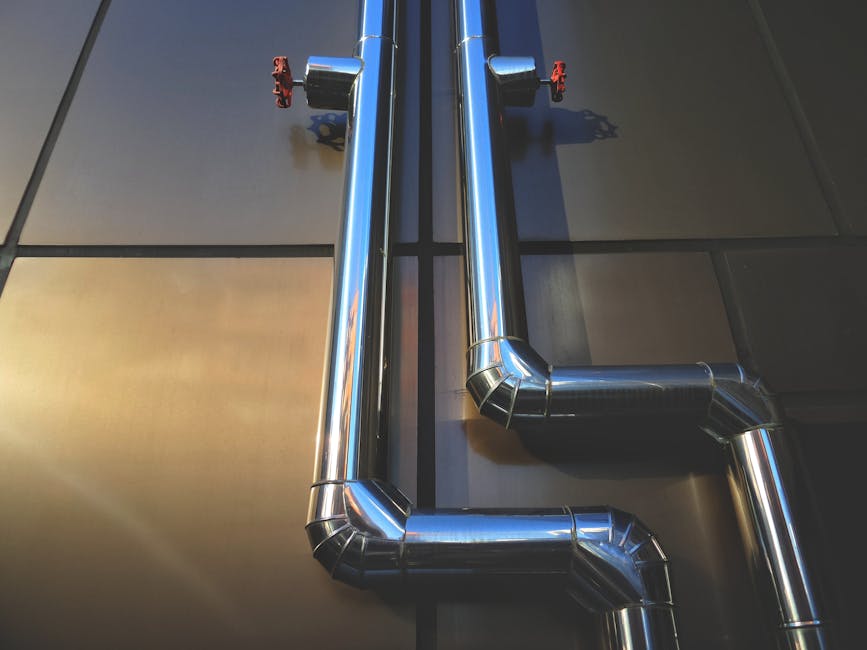
For commercial projects, such as healthcare facilities or large office buildings, high-quality HVAC ductwork is essential. Many local shops use large fabrication facilities to produce custom rectangular and spiral ductwork. These systems support proper airflow and climate control, which is exactly what we focus on at Smart Climate Solutions. You can learn more about our comprehensive HVAC services to see how fabricated components fit into a complete building solution.
High-Pressure Steam and Custom Fabrication
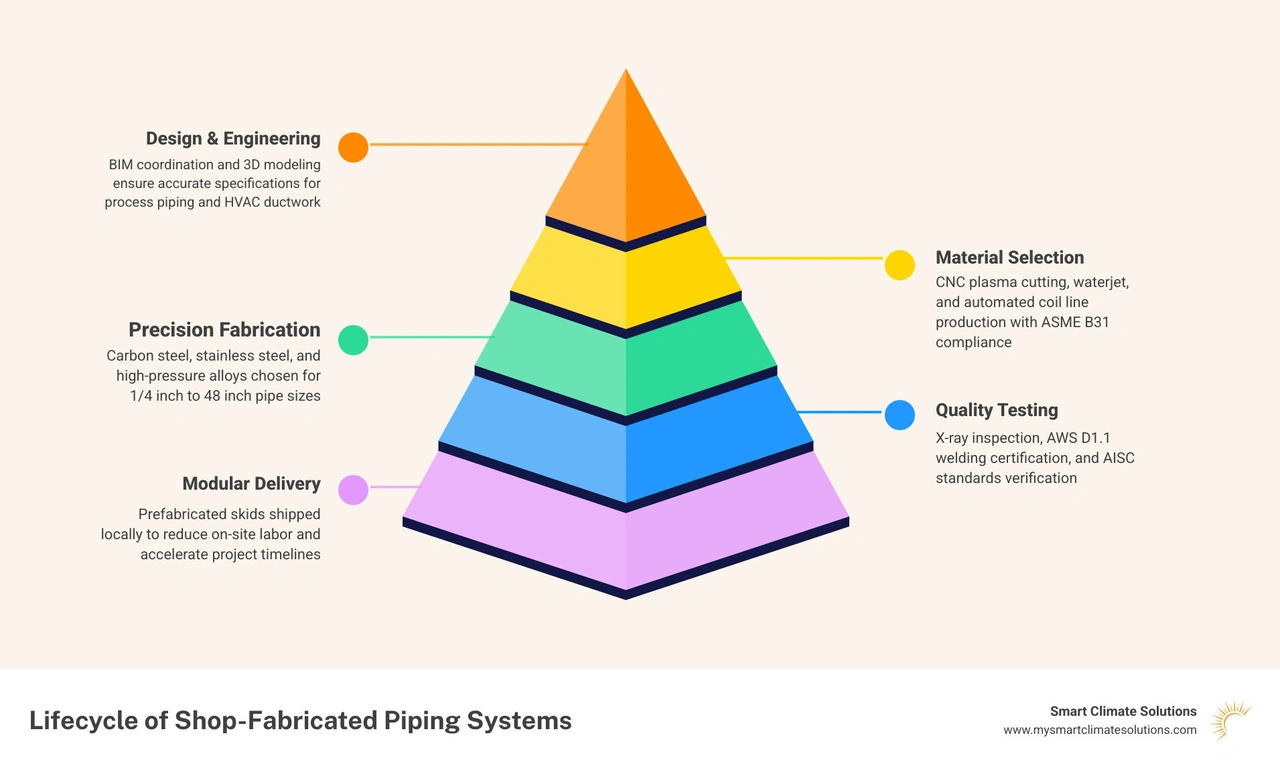
Pittsburgh's older industrial corridors often rely on high-pressure steam for power and heating. Fabricating these lines requires specialized skills, including certified welding and the ability to work with heavy-wall pipe. Beyond standard lines, local shops also build custom skids, which are modular units that house pumps, valves, and controls. These assemblies are pre-built in the shop and shipped to the site for faster connection.
Advanced Technology and Material Capabilities
The image of a dusty, manual blacksmith shop is a thing of the past. Modern Pittsburgh fabricators use advanced technology to ensure every cut is precise and every weld is consistent. This shift allows for faster turnarounds and higher quality than traditional field-only methods.
CNC Plasma and Waterjet Precision
Today's shops utilize CNC plasma cutters and waterjet technology. A CNC plasma cutter can slice through 1/2-inch plate efficiently, while waterjets offer a high level of precision that helps avoid heat-affected zones in sensitive materials. For ductwork, automated coil lines are a major advantage; these machines can produce duct sections far faster than manual methods, which is vital for keeping large-scale projects on schedule.
3D Modeling and BIM Coordination
One of the most significant advancements is the use of Building Information Modeling, or BIM. Before a single piece of metal is cut, engineers use 3D modeling and reality capture, including 3D scanning, to map out the entire system. This allows for collision detection, helping ensure that piping will not interfere with structural, electrical, or other building systems once it reaches the job site.
Comprehensive Material Range
Whether a project requires 1/4-inch tubing or 48-inch diameter mains, local shops often have the lifting capacity and floor space to handle the work. They work with a wide range of materials, including:
- Carbon Steel: Common for many industrial and steam applications.
- Stainless Steel: Important for food processing and corrosion resistance.
- Nickel Alloys and Chrome Moly: Used in high-temperature environments.
- Specialty Plastics: Such as Teflon-lined or fiberglass systems for corrosive fluids.
For more details on our own capabilities and service approach, visit Smart Climate Solutions. For a general overview of BIM in construction and fabrication, see Building information modeling.
| Feature | Manual Fabrication | Automated Shop Production |
|---|---|---|
| Accuracy | Dependent on field measurements | 3D BIM/CNC precision |
| Speed | Slow, weather-dependent | High-speed coil lines and plasma |
| Waste | High field-cut waste | Lower waste through optimized nesting |
| Safety | Higher site exposure | Controlled shop environment |
Compliance, Standards, and Quality Control
When you are dealing with high-pressure steam or volatile chemicals, there is no room for error. This is why strict adherence to industry codes is non-negotiable for a piping fabrication shop in Pittsburgh.
Essential Certifications
When selecting a partner, we always look for specific certifications. ASME B31 is a key benchmark for process piping, helping ensure the system can handle its intended pressure. For sheet metal and ductwork, SMACNA standards guide the gauge and reinforcement needed for different air pressures. Structural components should come from an AISC-certified shop to support the integrity of the overall system.
Welding Excellence
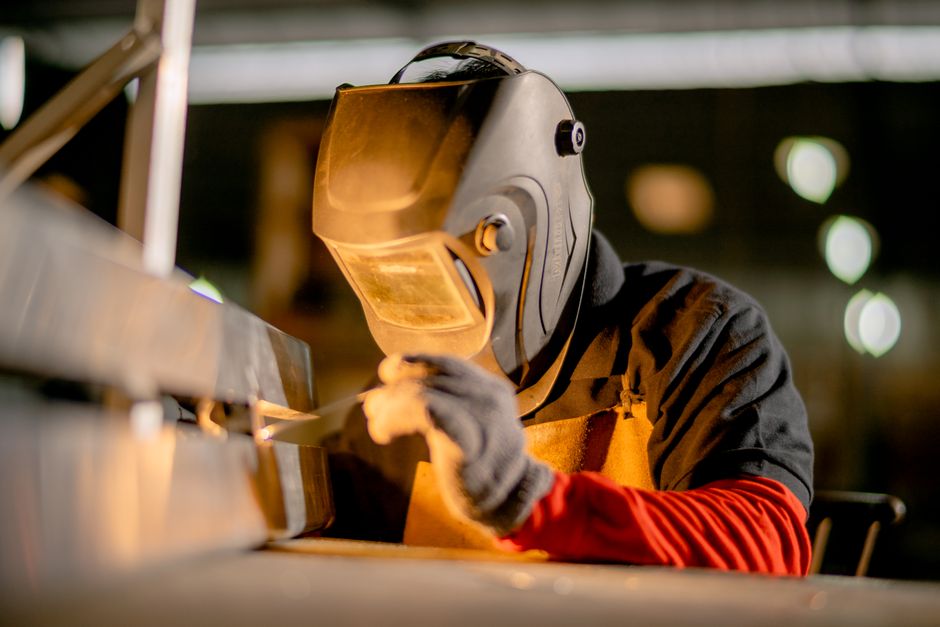
Welding is one of the most critical parts of the fabrication process. Local shops employ welders certified to AWS D1.1 or ASME Section IX standards. To verify the quality of these joints, shops may perform X-ray testing, dye-penetrant testing, or hydrostatic pressure tests. A low weld reject rate is often a sign of strong quality control and experienced craftsmanship.
Safety and Lead Times
Safety is not just about the final product; it is also about the process. Many local shops implement structured safety programs to protect workers while meeting tight deadlines. By maintaining inventory of common materials, these shops can often respond to emergency needs faster than distant suppliers. Strong planning, documentation, and inspection procedures also help keep lead times predictable and projects moving.
For a broad reference on piping code standards, review ASME B31.
Strategic Advantages of Local Prefabrication
In 2026, the construction industry is focused on efficiency. The trend toward off-site construction, or prefabrication, has changed the way we approach HVAC and mechanical projects in the South Hills and beyond.
Reducing On-Site Labor and Risks
By moving the bulk of the welding and assembly into a controlled shop environment, teams can reduce the number of hours workers spend on a cluttered, potentially dangerous job site. This is especially helpful in tight urban areas like downtown Pittsburgh, where staging space is limited.
Modular Construction and Skids
One of the most practical developments from local shops is modular construction. Instead of shipping hundreds of individual pipe components, the shop can build a complete skid, a metal frame containing pumps, heat exchangers, and related piping. Once it arrives at your facility in Washington, PA or Weirton, WV, field crews can connect the main inlets and outlets quickly, reducing disruption and installation time.
Cost Efficiency and Faster Timelines
Prefabrication can cut weeks from a project schedule. While the site is being excavated or the foundation is being poured, the piping can already be in production at the shop. This parallel workflow helps ensure that as soon as the building is ready, the mechanical systems can be installed. Shop labor is also often more efficient than field labor because tools, lifting equipment, and automated machines are readily available.
Frequently Asked Questions
What materials are used in a piping fabrication shop in Pittsburgh?
Pittsburgh shops are equipped to handle almost any metal or composite. Common materials include carbon steel for general industrial use, stainless steel for hygiene and corrosion resistance, and chrome molly for high-heat applications. They also work with aluminum, fiberglass-reinforced plastic (FRP), and specialized Teflon-lined piping for highly corrosive chemical transfers.
How does a piping fabrication shop in Pittsburgh reduce project costs?
Costs are reduced through "lean construction" principles. Shop fabrication allows for "nesting" parts on a sheet of metal to minimize waste, and automated machines like coil lines produce ductwork much faster than manual labor. Additionally, using BIM to detect collisions before they happen in the field prevents expensive "re-work" and delays.
Which industries in Western Pennsylvania use these services?
The client base is incredibly diverse. We see heavy use in:
- Energy: Oil and gas refineries and power generation plants.
- Manufacturing: Steel mills and glass plants.
- Healthcare: Hospitals requiring complex HVAC and medical gas piping.
- Food Processing: Facilities needing high-grade stainless steel systems.
- Commercial Real Estate: Large office buildings and data centers.
Conclusion
The strength of Pittsburgh’s infrastructure relies on the quality of the metalwork hidden behind its walls and under its floors. Choosing a local piping fabrication shop in Pittsburgh ensures that your project benefits from decades of industrial expertise, the latest in CNC technology, and the logistical advantage of having a partner right in your backyard.
At Smart Climate Solutions, we bring over 20 years of experience to every HVAC installation and maintenance project. Our certified technicians understand the complexities of both shop-fabricated systems and field installations. Whether you need 24/7 emergency support or a partner for a large-scale mechanical contract, we are here to ensure your comfort and satisfaction.
If you are planning a project in Pittsburgh, Burgettstown, or the surrounding Ohio Valley, don't settle for anything less than local expertise. For more information on how we can assist with your next mechanical or HVAC project, explore our expert HVAC and piping services. We are ready to help you build something that lasts.


.png)
