
Why Your AC Compressor Not Starting Can Ruin a Pittsburgh Summer

An AC compressor not starting is a frustrating problem for any homeowner, especially during a sweltering Pittsburgh summer. When your air conditioning system fails to cool your home, the compressor--the heart of your AC--is often the culprit.
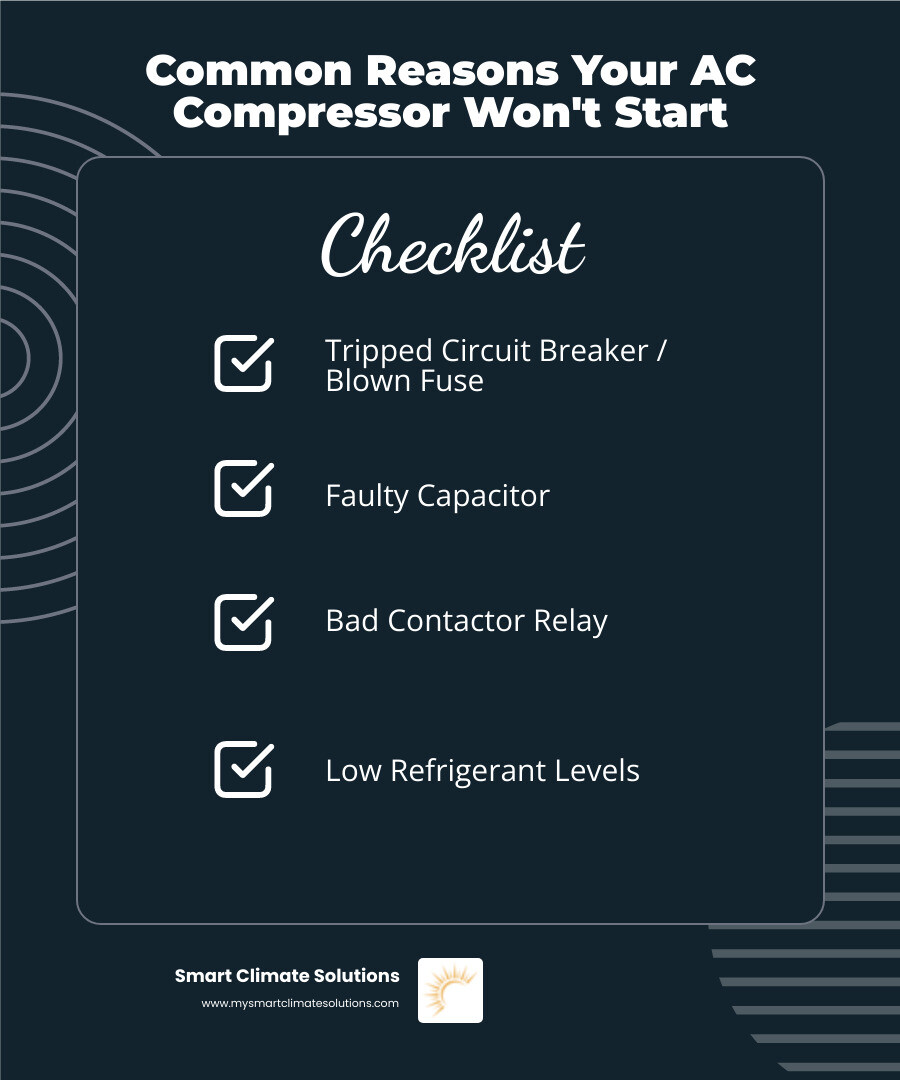
Quick Answer: Common Reasons Your AC Compressor Won't Start
- Tripped circuit breaker or blown fuse cutting power to the unit
- Faulty capacitor that cannot provide the electrical jolt needed to start the motor
- Bad contactor relay preventing power from reaching the compressor
- Low refrigerant levels triggering a pressure switch lockout
- Dirty condenser coils or air filters causing overheating and thermal shutdown
- Thermostat issues with incorrect settings or dead batteries
- Failed compressor due to age, wear, or mechanical damage
This guide will walk you through the warning signs, simple DIY checks you can safely perform, and when it is time to call in the professionals. We will help you understand whether you are facing a simple fix or a major repair decision.
Safety is critical: AC compressors contain high-voltage electrical components and refrigerant under pressure. While some troubleshooting steps are homeowner-friendly, many repairs require specialized tools, training, and EPA certification.
I am Bill Scott, general manager of Smart Climate Solutions. With over 20 years of experience diagnosing and repairing AC compressor not starting issues for Pittsburgh homeowners, I will share the most common causes and help you determine your next steps.
First, The Warning Signs: Is Your Compressor the Problem?

Before troubleshooting, let's identify the signs that your AC compressor not starting might be the core issue. Catching these indicators early can save time and prevent further damage. If your home in Pittsburgh, South Hills, or Weirton, WV, is not cooling, watch for these clues:
- Warm Air Blowing from Vents: This is the most obvious sign. If your AC is running but the air from your vents is not cold, it strongly indicates the compressor is not engaged or working effectively. The system may be running, but the cooling is poor.
- Strange Noises from the Outdoor Unit: Listen to your outdoor unit. While some noise is normal, grinding, clanking, or hissing sounds are not. Increased noise and vibration can point to internal compressor problems.
- Clicking Sounds (but No Start): A clicking sound from the outdoor unit when the AC tries to start often indicates the contactor relay is trying to engage the compressor but failing. Repeated clicking without the compressor starting suggests a failing component like a start relay.
- Buzzing or Humming (but No Start): A buzzing or humming from the outdoor unit, without the compressor starting, often points to an electrical issue. This could be a faulty capacitor that cannot provide the jolt needed to start the motor.
- Outdoor Unit Is Silent, or Fan Runs but No Cold Air: If the indoor unit's fan is blowing but the outdoor unit is silent, the compressor is not getting power. If the outdoor fan spins but the compressor does not, you will only get warm air. This is a classic sign of an AC compressor not starting.
- Circuit Breaker Trips Repeatedly: If your AC's circuit breaker trips often, the compressor might be drawing too much power from an internal fault or a struggle to start. A tripped breaker cuts power to the outdoor unit, preventing it from working.
Any of these signs, especially when your home feels uncomfortably warm, means it is time to investigate further. For more on what to do if your HVAC Blowing Warm Air On Cool, check out our detailed guide.
Easy DIY Checks Before You Call for Help
When your AC is not working, it is natural to feel dread. But before you call for service, there are several simple checks you can perform. These DIY steps can often resolve minor issues, saving you time and money. We want to empower homeowners in Pittsburgh, Steubenville, and St. Clairsville with knowledge, so let's start with the basics.
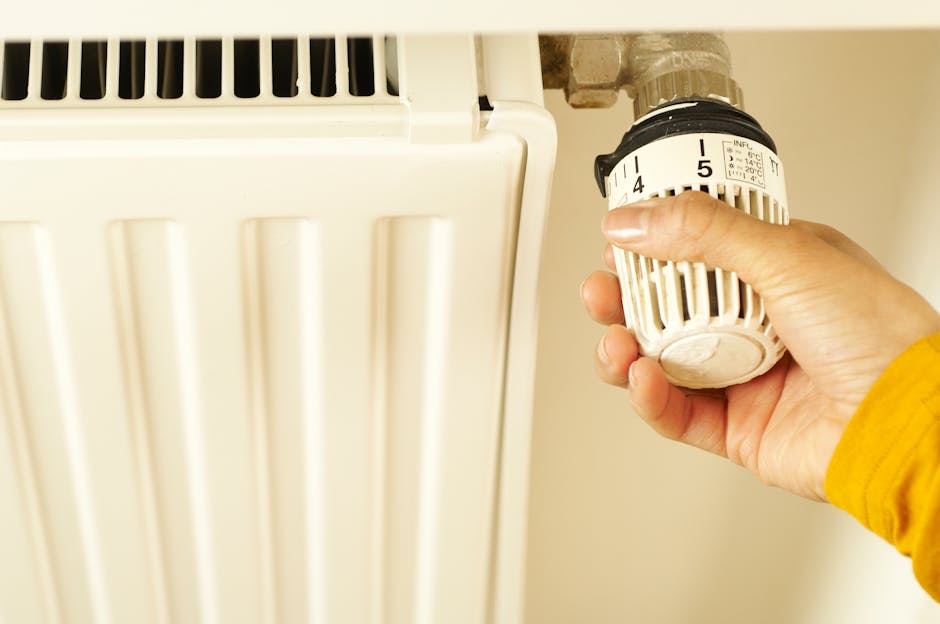
Check the Thermostat
The simplest solutions are often overlooked. Your thermostat is your HVAC system's command center, and incorrect settings or power issues can prevent the AC compressor from starting.
- Settings Check: Make sure your thermostat is set to "Cool" mode, not "Heat" or "Fan Only". The desired temperature should be at least 5-10 degrees lower than the current room temperature. The AC will not turn on if the room is already cool.
- Battery Check: For battery-powered thermostats, dead batteries are a common culprit. Replace them with fresh ones.
- Smart Thermostat Reboot: If you have a smart thermostat, try a quick reboot. Sometimes, a software glitch can prevent it from communicating correctly with your AC unit.
- Mode Check: Some thermostats have an "Auto" mode for the fan, which is usually fine, but ensure the system itself is set to "Cool."
Sometimes, a simple adjustment is all it takes to get your cooling system back on track. If you need more comprehensive HVAC services or advice, we are always here to help. Explore our More info about our HVAC services.
Inspect Your Power Supply
No power means no cooling. Electrical issues are a frequent cause of an AC compressor not starting. It is crucial to safely check your AC's power connections.
- Tripped Circuit Breaker: Go to your home's main electrical panel and find the breaker for your "AC", "Furnace", or "HVAC". If it is tripped (midway or fully "off"), push it firmly to "off", then back to "on". A tripped breaker cuts power to the outdoor unit, often due to a power surge or overload.
- Blown Fuse: Some older homes or specific outdoor disconnects might use fuses instead of breakers. If you have a fused disconnect box near your outdoor AC unit, carefully open it (after turning off the main breaker to the unit) and check for blown fuses. Replace any that are damaged.
- Outdoor Disconnect Switch: Near your outdoor AC unit, you will find a small electrical box, often called a disconnect switch. Ensure this switch is in the "on" position. Sometimes, it gets accidentally flipped off during yard work or maintenance.
- Loose Wiring: While less common for homeowners to check, sometimes the power cord of the air conditioner is not plugged in properly, or the power cord is aging, which can cause the compressor to fail. If after checking the breaker and disconnect switch your AC still will not start, this may be a sign to call a professional.
Always exercise caution when dealing with electricity. If you are unsure, it is best to call a professional.
Clear the Air: Filters and Coils
Your AC needs clear airflow and heat exchange to work. Clogged filters or dirty coils can cause the system to protect itself by not starting the compressor.
- Clogged Air Filter: A dirty air filter is a common cause of AC problems. It restricts airflow over the indoor evaporator coil, which can cause it to freeze. This forces the compressor to work harder, leading to overheating and shutdown. Replace your air filter every 30 to 90 days. If your HVAC Running But Not Blowing Air, a clogged filter is a likely cause.
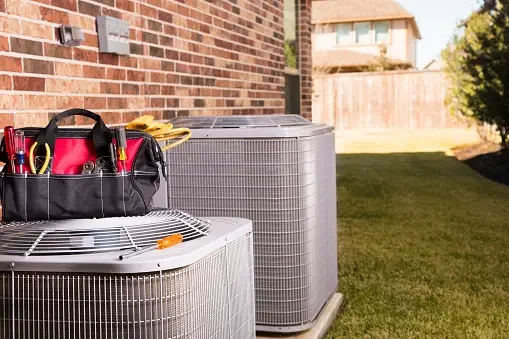
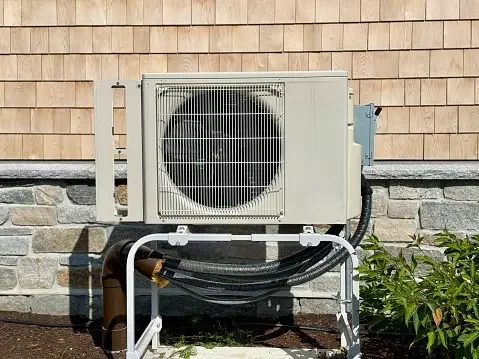
- Dirty Condenser Coils: The outdoor unit's condenser coils release heat from your home. If covered in dirt, leaves, or debris, they cannot dissipate heat effectively. This causes the system to overheat, straining the compressor and leading to a thermal overload shutdown. A dirty condenser unit can overheat the system, preventing the AC compressor from starting.
- Action: Clear away any tall grass, weeds, vines, or branches from around the outdoor unit, ensuring at least two feet of clearance on all sides. You can gently spray the condenser coils with a garden hose (from the inside of the unit outwards) to remove surface dirt. For a more thorough cleaning, consider our professional Condenser Coil Cleaning service.
By ensuring clear filters and clean coils, you are not only helping your compressor start, but you are also improving your system's efficiency and lifespan.
Why Your AC Compressor is Not Starting: Deeper Electrical & Mechanical Issues
If basic DIY checks fail and your AC compressor not starting issue persists, the problem is likely a complex electrical or mechanical component. This is where a certified HVAC technician's expertise is invaluable, especially one familiar with the Pittsburgh climate. Due to high voltage and system complexity, DIY repairs are dangerous and strongly discouraged. Our technicians are trained to handle these issues safely.
Advanced Reasons for an AC Compressor Not Starting
Several critical components work with your compressor to ensure it starts and runs smoothly. When these fail, the compressor often will not engage.
- Faulty Capacitor: This is a very common culprit. The capacitor provides the electrical jolt to start the compressor and fan motors. If the capacitor is swollen, bulging, or leaky, it has likely failed. A weak capacitor cannot supply enough power, causing a humming sound or a silent compressor. Replacing a capacitor is an inexpensive fix, but it involves high voltage and requires a professional. Learn more about AC Compressor Capacitor Cost Guide 2025.
- Failed Contactor Relay: The contactor relay is an electrical switch that delivers high-voltage power to the compressor and outdoor fan. Over time, its contacts can become worn, pitted, or fused, preventing the circuit from closing. If the contactor fails, the compressor will not receive power and will not start.
- Bad Start Relay and Overload Protector: Similar to the capacitor, the start relay helps the compressor in its initial startup. The overload protector is a safety device that shuts off the compressor if it overheats. If either of these fails, the compressor will not start. It is very common for the compressor to not work properly due to damage to the capacitor and relay.
These components are typically in the outdoor unit and require specialized tools and knowledge for diagnosis and replacement.
Refrigerant Level Problems
Refrigerant is the lifeblood of your AC system. When refrigerant levels are off, your AC compressor not starting is a built-in safety measure.
- Low Refrigerant (Leak): Low refrigerant is almost always due to a leak, as refrigerant is not consumed like fuel. The wrong amount of refrigerant affects the entire system. Low refrigerant can lead to several problems:
- Poor Cooling: The system simply cannot absorb enough heat.
- Frozen Evaporator Coil: Ironically, low refrigerant can cause the indoor evaporator coil to freeze. If the subcooling is low while the evaporator coil is frozen and the system is still running, it indicates the system is low on refrigerant.
- Pressure Switch Lockout: Modern AC systems have safety switches that detect low refrigerant pressure. If detected, these switches will prevent the compressor from starting to protect it from damage.
- Refrigerant is Dangerous: Handling refrigerant requires specialized training and EPA certification. Recharging refrigerant without fixing a leak is a temporary and illegal solution. If your AC compressor not starting is tied to low refrigerant, you will need a certified technician to recharge the refrigerant and repair any leaks. If the air conditioner has insufficient refrigerant and works in this state for a long time, the compressor will also fail. For safe and compliant refrigerant handling, always call a Section 608 Certified technician.
A Dead or Damaged Compressor
The compressor is the heart of your AC system and can eventually fail. If your AC compressor not starting is due to the compressor itself failing, it is typically the most serious and costly repair.
- Internal Wear and Tear/Motor Failure: After years of use, internal compressor components can wear out, leading to mechanical failure. This can mean a total failure to start or loud grinding noises. If the compressor has quality problems and cannot be repaired, it must be replaced.
- Damaged Suction Lines: The suction line carries cool, low-pressure refrigerant vapor to the compressor. If this line becomes clogged, bent, or kinked, it can restrict refrigerant flow, causing the compressor to overwork and overheat. A damaged suction line will affect the unit's ability to cool and can overheat the compressor.
- Overheating Damage: Many other issues, like dirty coils or low refrigerant, can cause the compressor to overheat. If the compressor runs for a while and then becomes hot and cannot restart, it indicates an overheating issue that can lead to permanent damage.
- End of Lifespan: Most AC compressors last 10-15 years with proper maintenance. Factors like high heat, humidity, and lack of regular tune-ups can shorten this lifespan. If your system is near or beyond this age, a compressor failure might be its natural end. While a broken fan motor can also prevent cooling, a compressor failure is more fundamental. For issues related to the outdoor fan, find more information on a Broken AC Fan Motor.
Diagnosing a dead compressor requires specialized tools and expertise to rule out other, less severe issues.
Repair or Replace? Making the Right Financial Decision
When a major component failure causes your AC compressor not starting, you face a big decision: repair or replace? The choice is not always simple, especially for homeowners in Burgettstown, Washington, PA, and surrounding areas. We help our clients weigh the costs and benefits.
| Factor | Repairing a Compressor | Replacing the Entire AC System |
|---|---|---|
| Age of System | Generally recommended for units under 10 years old. | Often more cost-effective for units 10+ years old. |
| Typical Lifespan | Extends current system's life, but other components may fail soon. | New system typically lasts 10-15 years. |
| Cost | $1,200 - $2,500+ for compressor replacement. | $3,000 - $7,000+ for a new central AC unit. |
| 50% Rule | Consider if repair cost is less than 50% of new unit. | Consider if repair cost is more than 50% of new unit. |
| Warranty | If compressor is under warranty, repair is often best. | Warranty typically expires after 10 years. |
| Efficiency | Maintains current system's efficiency (older SEER). | Provides higher SEER ratings, significant energy savings. |
| Long-term | May lead to more repairs if other parts are old. | Offers long-term reliability and lower utility bills. |
- Age of Your System: Repairing the compressor often makes sense for AC units under 10 years old. If your system is older and has recurring AC compressor not starting issues, replacement might be more cost-effective. Most AC compressors last 10-15 years with proper maintenance.
- Cost of Repair vs. Replacement: A simple repair like a capacitor may cost $100, while a full compressor replacement can exceed $2,000. A new AC system costs $3,000 to $7,000 or more. A good guideline is the "50% rule": if the repair costs more than half of a new unit's price, replacement is often the smarter choice. Get details in our AC Compressor Repair Cost guide.
- Warranty Status: Always check if your compressor is still under warranty. Many manufacturers offer a 10-year warranty on compressors, which can significantly reduce the repair cost.
- Energy Efficiency (SEER Rating): Older AC units have lower SEER ratings than modern models. A new, high-efficiency unit can lead to significant savings on utility bills during Pittsburgh summers. While the upfront cost is higher, long-term energy savings and comfort can offset it. For new system costs, see our Central AC Installation Cost guide.
We will provide you with a thorough assessment and transparent recommendations to help you make the best decision for your home and budget.
Prevention is Key: How to Avoid Future Compressor Failure
Prevention is better than a cure, especially for avoiding an AC compressor not starting. Regular maintenance is the best way to protect your investment, extend your unit's life, and ensure efficient cooling for your home in Pittsburgh, Steubenville, or St. Clairsville. We have seen how proactive care prevents costly breakdowns.
Here is a list of preventative maintenance tasks that can help:
- Regular Professional Maintenance: The best way to prevent an AC compressor not kicking on is regular maintenance. Annual or bi-annual tune-ups let a qualified technician find and fix minor issues before they become major problems. During a tune-up, we clean coils, check refrigerant, inspect electrical parts, and test all components. This includes checking the capacitor and contactor. Explore our AC Tune Up services.
- Change Air Filters Regularly: We cannot stress this enough. Clogged air filters restrict airflow, forcing your system to work harder and increasing the risk of compressor overheating. Replace your filters every 30 to 90 days, or more frequently if you have pets or allergies.
- Keep the Outdoor Unit Clean: Keep the outdoor condenser unit free from leaves, grass, dirt, and debris. A dirty unit cannot dissipate heat well, which strains the compressor. A clogged condenser unit can overheat the system, causing a thermal overload that prevents the AC compressor not kicking on.
- Set Realistic Thermostat Settings: Avoid constantly cranking your thermostat to extreme low temperatures or frequently turning the unit on and off. This overworks the compressor and can shorten its lifespan. Use your thermostat's "Auto" mode for efficient operation and choose a comfortable, consistent temperature.
- Run Your AC Periodically in Off-Season: During cooler months, run your AC for 15-20 minutes once a month. This circulates refrigerant and oil, preventing parts from seizing up and ensuring it is ready for summer.
- Consider an AC Maintenance Plan: Our maintenance plans offer scheduled tune-ups and priority service, ensuring your system gets the care it needs year-round. Investing in an Are HVAC Maintenance Plans Worth It? We certainly think so, and our customers agree.
By following these preventative measures, you can significantly reduce the likelihood of your AC compressor not starting and enjoy reliable, efficient cooling for years to come.
Frequently Asked Questions about an AC Compressor Not Starting
We often hear similar questions from homeowners in Pittsburgh and surrounding communities when their AC unit is not cooling. Here are some of the most common ones:
How do I know if my compressor is bad or just the capacitor?
This is a critical distinction, as the repair cost differs substantially. A swollen or leaky capacitor is a strong visual sign that it is the culprit. A humming sound from the outdoor unit without the fan or compressor starting is also a common capacitor symptom. However, only a trained technician can definitively know by testing both parts with a multimeter. A bad capacitor is a common, inexpensive fix, while a bad compressor is a major repair.
Can I fix a non-starting compressor myself?
You can perform basic troubleshooting like checking the thermostat, breaker, and filters. These steps are safe and can resolve simple issues. However, we strongly advise against DIY repairs involving electrical parts (capacitors, relays) or refrigerant. Your AC system has high-voltage electricity and pressurized refrigerant, posing significant safety risks. Improper refrigerant handling can also lead to legal penalties. For these complex issues, you need a licensed and Section 608 Certified Technician Near Me.
How much does it cost to fix an AC compressor that won't start?
The cost to fix an AC compressor not starting varies widely by cause. A simple fix like a capacitor or relay can cost $100 to $300. If the compressor itself has failed, replacement is a significant investment, typically $1,200 to over $2,500. This cost fluctuates based on the compressor type, AC unit, and local labor rates. Your best bet is a professional diagnosis and estimate from a trusted HVAC provider.
Stay Cool, Pittsburgh: Your Next Steps
An AC compressor not starting can be stressful, especially during summer heat in Pittsburgh, South Hills, Burgettstown, Washington PA, Steubenville OH, St. Clairsville OH, or Weirton WV. We hope this guide helps you perform basic checks and understand the common reasons for this issue.
While some troubleshooting is homeowner-friendly, safety is your top priority. For complex electrical issues, refrigerant problems, or a suspected failed compressor, trust the experts. Our certified technicians at Smart Climate Solutions provide fast, reliable, 24 Hour AC Repair services across the greater Pittsburgh area. With over 20 years of experience, we are dedicated to your comfort and satisfaction.
Do not let a broken compressor ruin your summer. For expert diagnosis, transparent recommendations, and professional service, schedule your HVAC Service and Repair today. We are here to get your cool air flowing again.


.png)
