

Why Choosing the Right Heater System for Home Matters
A heater system for home is one of the biggest investments you will make as a homeowner. The right choice keeps your family warm, controls your energy bills, and avoids costly breakdowns.
Here is a quick look at the most common home heating systems to help you compare at a glance:
| Heating System | Best For | Typical Efficiency | Avg. Install Cost |
|---|---|---|---|
| Gas Forced Air Furnace | Most homes with ductwork | Up to 98% AFUE | $5,000 - $10,000 |
| Boiler / Radiator | Older homes, zoned heat | Up to 90%+ AFUE | $3,700 - $8,200 |
| Air-Source Heat Pump | Moderate to cold climates | COP 1.5 - 3.5 | $4,200 - $7,700 |
| Ground-Source Heat Pump | Long-term owners, high savings | COP 3.1 - 5.0 | Higher upfront |
| Ductless Mini-Split | Additions, no ductwork | High efficiency | $2,000 - $14,500 |
| Electric Resistance | Supplemental or small spaces | 100% (but costly) | $450 - $1,200 |
Nearly two-thirds of the energy used in the average home goes toward heating and cooling. That means picking the wrong system -- or having it installed poorly -- can cost you thousands of dollars over time.
In Pittsburgh and across Western Pennsylvania, winters are serious. Temperatures regularly drop well below freezing, so your heating system has to perform when it counts most.
This guide breaks down every major heating option so you can make a confident, informed decision for your home.
I'm Bill Scott, General Manager of Smart Climate Solutions, and with over 20 years of experience installing and servicing heater systems for home across the Pittsburgh area, I have seen what works -- and what does not. Let's walk through everything you need to know.

Understanding the Main Types of Heater System for Home
When we talk about a heater system for home, we are usually looking at how heat is created and how it moves through your house. In the Pittsburgh and South Hills areas, we see a wide variety of architecture, from historic brick homes to modern builds. This means there is no "one size fits all" answer.
According to The Basics of Home Heating Systems, the majority of North American households depend on a central furnace. However, boilers remain a staple in many of our older neighborhoods. Understanding the difference between "forced air" and "hydronic" heat is the first step in your journey.

Forced Air Furnaces and Ductwork
A forced air system is what most of us are used to. It uses a furnace to heat up air, which a blower then pushes through a network of metal or flexible ducts. This warm air enters your rooms through registers or grills.
If you are considering a Furnace and Heating System Installation, you will primarily be looking at fuel sources like natural gas or propane. In our region, natural gas is incredibly common and generally the most cost-effective way to run a furnace.
The key metric here is AFUE, or Annual Fuel Utilization Efficiency. Think of this like the MPG for your car. An older furnace might have an AFUE of 70%, meaning 30% of the energy you pay for literally goes up the chimney. Modern high-efficiency units often boast ratings of 95% to 98%, ensuring almost every penny you spend stays inside your home as heat.
Boilers and Radiator Systems
If your home has those classic cast iron radiators or modern baseboard heaters that do not blow air, you likely have a boiler. This is known as a hydronic system. Instead of heating air, the boiler heats water (or creates steam) and pumps it through pipes to the radiators.
We often recommend looking at a Gas Heating System Installation Guide if you are thinking about upgrading an old boiler. Modern boilers are much smaller and more efficient than the "beasts" found in older Pittsburgh basements. They offer excellent "zoned" heating, allowing you to keep the bedroom cool while the living room stays toasty. Plus, because they do not blow air, they do not circulate dust or allergens, which is a big win for many families.
Heat Pumps vs. Traditional Furnaces and Boilers
The biggest trend in the HVAC world right now is the shift toward heat pumps. While furnaces burn fuel to create heat, heat pumps use electricity to move heat from one place to another. Even when it feels cold outside, there is still heat energy in the air or ground that a heat pump can harvest.
According to Heat Pump Systems | Department of Energy, heat pumps can deliver more energy than they consume. This efficiency is measured by COP (Coefficient of Performance). A typical heat pump might have a COP between 1.5 and 3.5. This means for every unit of electricity used, you get 1.5 to 3.5 units of heat out.
Choosing a Heat Pump Heater System for Home
There are three main types of heat pumps to consider when looking at Residential Heating and Cooling Options:
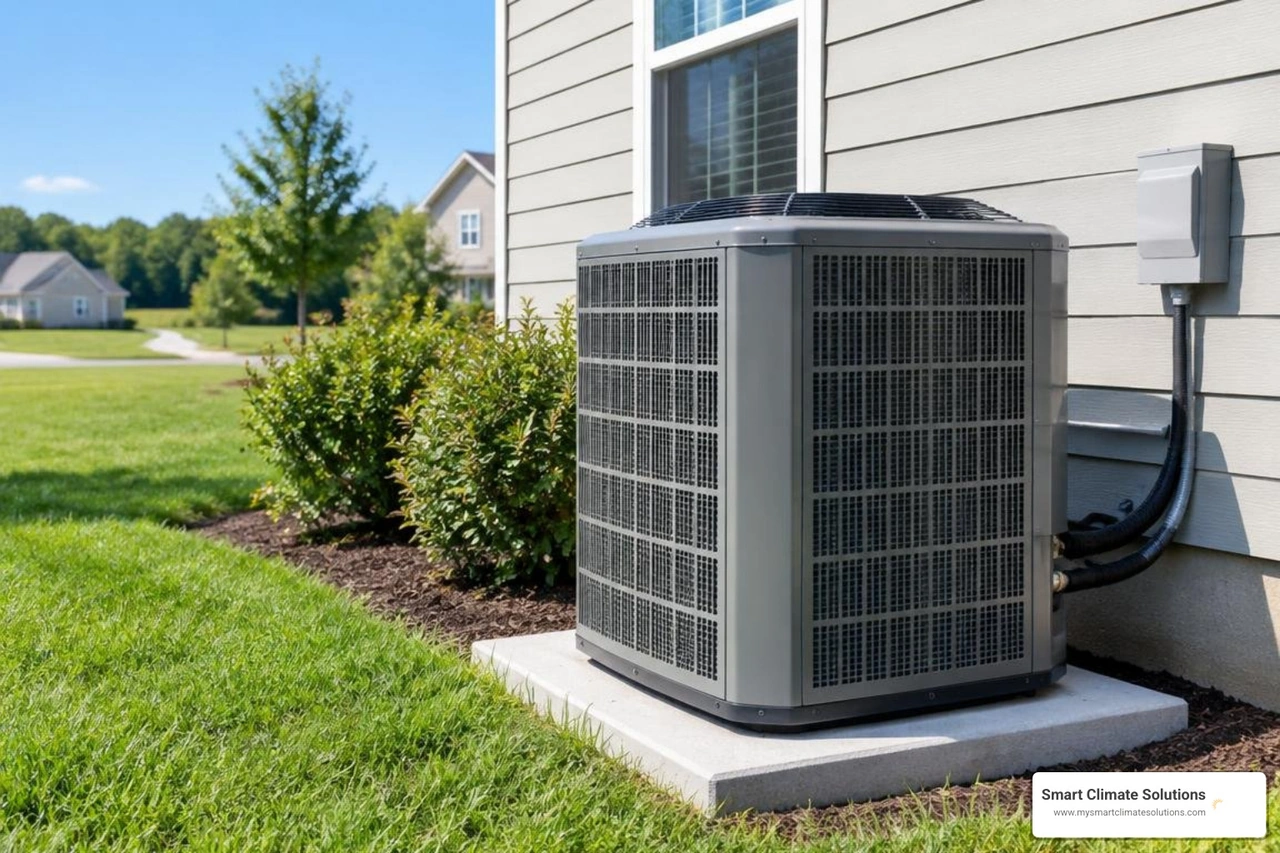
- Air-Source Heat Pumps: These are the most common. They look like a standard AC unit and swap heat between your home and the outside air.
- Ground-Source (Geothermal) Heat Pumps: These use the stable temperature of the earth. While they are more expensive to install, they can yield heating energy cost savings of around 65% compared to electric furnaces.
- Ductless Mini-Splits: Perfect for homes without existing ductwork or for room additions. They are highly efficient and allow for precise temperature control in specific areas.
Cold Climate Performance and Supplementary Heat
A common question we get in Washington, PA and Weirton, WV is: "Can a heat pump really handle our winters?"
The answer is yes, but with a caveat. Traditional air-source heat pumps lose efficiency as the temperature drops. At 8 degrees C, a COP might be 5.4, but at -8 degrees C, it could drop toward 1.1. For those truly frigid nights, you need Emergency Heating Solutions or a supplementary heat source.
Many homeowners in our area opt for a Hybrid (Dual-Fuel) System. This pairs an electric heat pump with a gas furnace. The heat pump handles the moderate days, and the gas furnace kicks in automatically when the temperature drops below a certain point (usually around 30-35 degrees F). It is the best of both worlds: high efficiency most of the year and reliable, "scorching" heat when the snow starts piling up.
Key Factors for Selecting Your New Heating Unit
Choosing a heater system for home is not just about picking a brand. It is about matching the system to the unique "fingerprint" of your house. When we work with clients in Heating and Cooling PA, we look at the house as a whole system.
Sizing Your Heater System for Home Correctly
One of the biggest mistakes a homeowner can make is buying a system that is too big. You might think "bigger is better," but an oversized furnace will "short cycle," turning on and off constantly. This wears out the parts faster, creates uncomfortable temperature swings, and prevents the system from properly dehumidifying the air.
To avoid this, we perform a Manual J load calculation. This takes into account your square footage, the number of windows, the direction your home faces, and your insulation levels. Getting a High Efficiency Furnace Install only works if the unit is sized perfectly for your specific needs.
Infrastructure and Installation Quality
You can buy the most expensive, high-tech heat pump on the market, but if it is installed poorly, it will never perform. Home performance consultant Nate Adams on installation defects cites Department of Energy data showing that up to 70% to 90% of heat pump installs have a significant, measurable defect.
Common issues include:
- Undersized Ductwork: This chokes the system, making it noisy and inefficient.
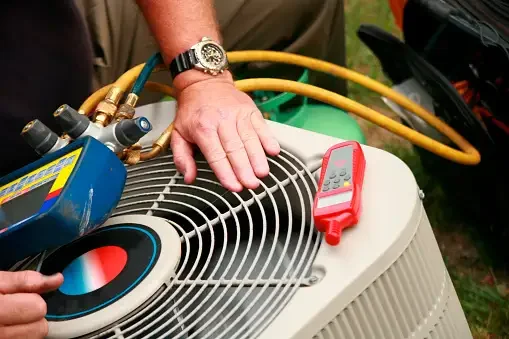
- Incorrect Refrigerant Charge: Even a small error here can tank your efficiency.
- Leaky Ducts: If your ducts are leaking in the attic or crawlspace, you are paying to heat the squirrels, not your family.
Before we install a new heater system for home, we inspect the existing infrastructure to ensure your new investment actually delivers the savings promised on the box.
Frequently Asked Questions about Home Heating
We know you have questions. Here are the most common concerns we hear from families in Steubenville, OH and St. Clairsville, OH.
What is the most efficient residential heating system?
If we are looking strictly at energy physics, the Most Efficient Residential Heating System is often a geothermal (ground-source) heat pump. Because the ground stays a consistent 50-55 degrees year-round, the system does not have to work nearly as hard as an air-source unit. However, for most homeowners, a high-efficiency (96%+ AFUE) gas furnace or a cold-climate air-source heat pump offers the best balance of upfront cost and monthly savings.
How long does a typical heating system last?
Most modern furnaces and heat pumps are designed to last 15 to 20 years. Boilers can often last longer, sometimes 25 to 30 years, because they have fewer moving parts. However, efficiency drops as they age. If your system is over 15 years old, you are likely spending significantly more on your monthly bills than you would with a new unit. Regular maintenance is the #1 way to ensure your system reaches the high end of that lifespan.
What are the typical installation costs?
The Furnace Replacement Cost can vary wildly based on the complexity of the job. A standard gas furnace replacement typically ranges from $5,000 to $10,000. Heat pumps are often in a similar range, though high-end cold-climate models or ductless systems can go higher. While the upfront investment might seem steep, the long-term savings from a higher AFUE or HSPF rating often pay for the difference in just a few years.
Conclusion
Choosing a heater system for home is a major decision, but you do not have to make it alone. At My Smart Climate Solutions, we pride ourselves on being the local experts for the Pittsburgh, PA area and the surrounding Ohio Valley.
Whether you are in the South Hills dealing with an old boiler or in Burgettstown looking for a high-efficiency furnace, we have the experience to help. Our certified technicians have over 20 years of experience, and we offer 24/7 emergency support because we know that furnaces never break down on a sunny Tuesday afternoon -- it is always at 2 AM on a holiday weekend!
Ready to upgrade your comfort and lower your bills? We are here to help you navigate SEER, AFUE, and HSPF to find the perfect fit for your family.

.png)
