
Why Heating and Cooling in PA Requires Special Attention
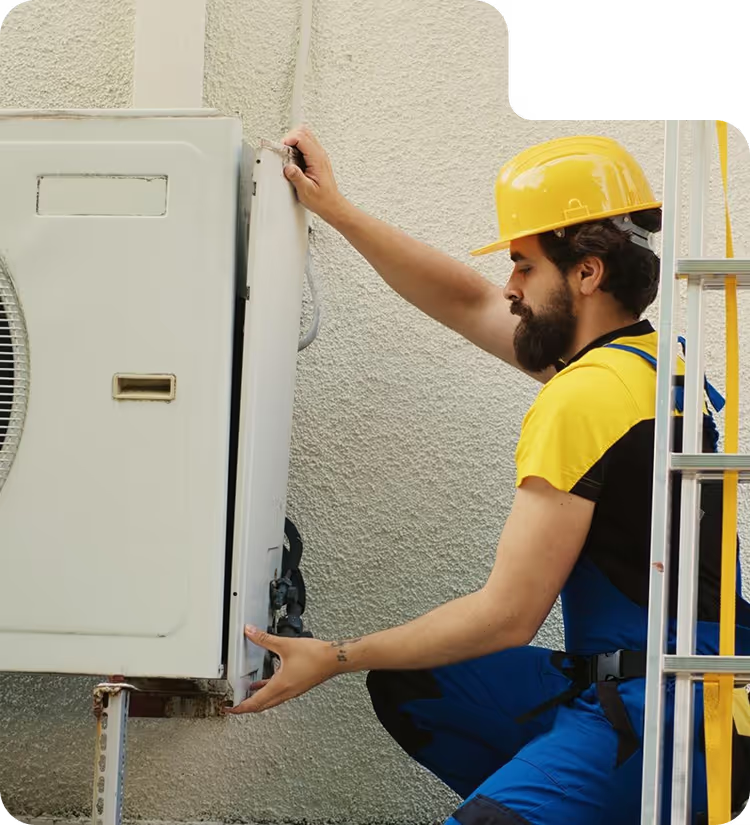
Heating and cooling PA homes presents unique challenges due to the state's four distinct seasons-from humid summers to freezing winters. Pennsylvania homeowners need HVAC systems that can handle temperature swings while keeping energy bills manageable.
Quick Answer: Key HVAC Services Available in Pennsylvania:
- Installation - Furnaces, air conditioners, heat pumps, and mini-split systems
- Repair - Emergency and scheduled fixes for all HVAC equipment
- Maintenance - Seasonal tune-ups to prevent breakdowns
- Energy Efficiency Upgrades - ENERGY STAR certified systems with available rebates
- Indoor Air Quality - Filtration, purification, and humidity control
- Duct Services - Sealing, insulation, and cleaning
Pennsylvania's climate demands reliable heating and cooling solutions. With 99% of PA homes built before the 2009 International Energy Conservation Code, most properties weren't designed for energy efficiency. This means higher utility bills and more strain on HVAC equipment.
Modern systems offer significant improvements. Today's heat pumps can reduce electricity use for heating by approximately 50% compared to electric resistance heating. ENERGY STAR certified central air conditioners use 8% less energy than conventional models, while mini-split heat pumps can use up to 60% less energy than standard electric radiators.
The right HVAC system depends on several factors: your home's size, existing ductwork, budget, and heating and cooling needs throughout Pennsylvania's varied seasons.
I'm Bill Scott, general manager at Smart Climate Solutions with over 20 years of experience providing heating and cooling PA services to homeowners throughout Pittsburgh and Southwestern Pennsylvania. Our team has helped thousands of customers steer HVAC decisions, from emergency repairs to complete system replacements, with an average response time of just 30 minutes.
Understanding Your HVAC Options in Pennsylvania
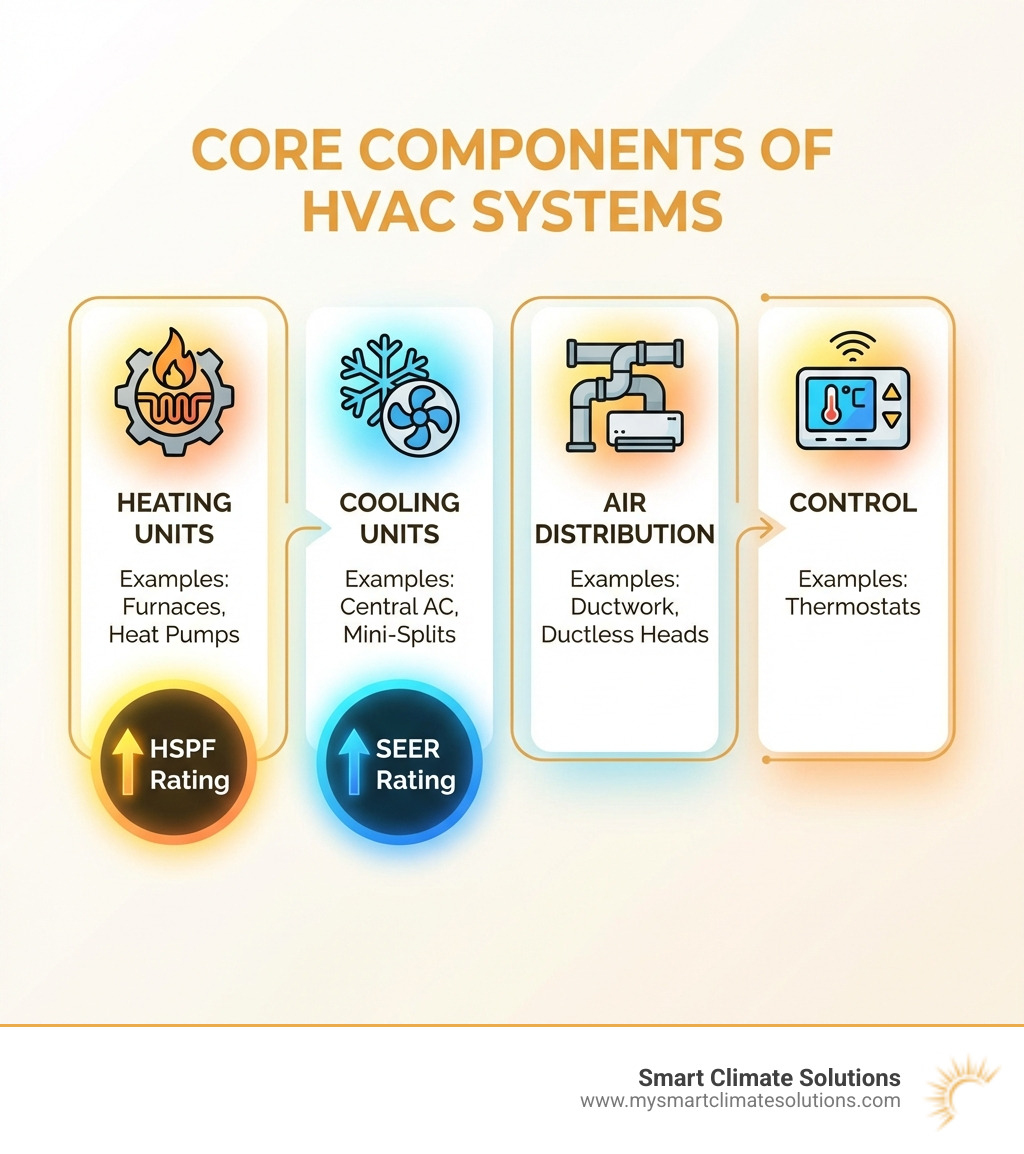
When it comes to maintaining comfort in your home, understanding the various heating and cooling options available is the first step. Each system has its unique strengths and is suited for different home types and needs. From traditional furnaces to modern heat pumps, we offer comprehensive HVAC services, including installation, repair, and maintenance across Pittsburgh, South Hills, Burgettstown, Washington, Steubenville, St. Clairsville, and Weirton. Whether you need a quick fix or a complete system overhaul, our team is ready to help with your HVAC Repair Pittsburgh needs.
Traditional heating systems often involve furnaces, which burn natural gas, propane, or oil to generate heat, distributing it through ductwork. Central air conditioners, on the other hand, cool your home by removing heat and humidity, also via a system of ducts. These systems have been the backbone of home comfort for decades, providing reliable heating and AC Repair Pittsburgh.
The Rise of Heat Pumps: An All-in-One Solution
Heat pumps are rapidly gaining popularity as an energy-efficient alternative to traditional furnaces and air conditioners, especially in our climate. The magic of a heat pump lies in its ability to transfer heat rather than generate it. This means it can both heat and cool your home, making it a versatile, all-in-one solution.
So, how does a heat pump work? It operates on the same principle as your refrigerator, using electricity to move heat from one place to another. In winter, it extracts heat from the outside air (even cold air contains heat!) and transfers it indoors. In summer, it reverses the process, pulling heat from inside your home and releasing it outside, effectively cooling your living space. This process, known as the refrigeration cycle, is incredibly efficient because it's simply moving existing heat, not creating it.
There are several types of heat pumps, each suited for different applications:
- Air-source heat pumps: These are the most common type, transferring heat between your home and the outside air. They can provide both whole-house heating and cooling.
- Geothermal heat pumps: These systems tap into the stable temperature of the earth to exchange heat, offering exceptional efficiency.
- Water-source heat pumps: These use a nearby body of water (like a pond or well) for heat exchange.
The benefits of heat pumps compared to traditional systems are significant. They offer superior energy efficiency, which translates to lower energy bills for you. Today's heat pumps can reduce your electricity use for heating by approximately 50% compared to electric resistance heating, such as baseboard heaters. This efficiency also leads to a reduced environmental impact, as they don't burn fossil fuels, resulting in fewer greenhouse gas emissions. For more detailed information, Pennsylvania State University Extension offers excellent resources on Heat Pump Basics.
Mini-Split Heat Pumps vs. Central Air Conditioning
When considering cooling and heating options, especially for homes without existing ductwork or for additions, mini-split heat pumps often come into the conversation alongside central air conditioning.
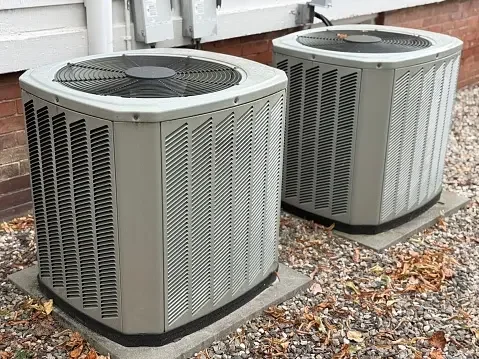
Central air conditioning systems are designed to cool or heat an entire home through a network of ducts. They consist of an outdoor unit (condenser) and an indoor unit (evaporator coil, often paired with a furnace or air handler) that distribute conditioned air throughout the house. This provides uniform temperature control across all rooms connected to the ductwork.
Mini-split heat pumps, also known as ductless heat pumps, offer a different approach. They consist of an outdoor compressor/condenser and one or more indoor air-handling units. Each indoor unit typically conditions a single room or zone, allowing for individualized temperature control. This "zoned cooling" and heating means you only condition the spaces you're using, which can lead to significant energy savings.
The key differences boil down to:
- Ductwork: Central AC requires extensive ductwork, which can be costly to install in older homes or additions that lack it. Mini-splits, as their name suggests, are ductless, making them ideal for these situations.
- Flexibility & Zoning: Mini-splits offer unparalleled flexibility with their zoning capabilities. You can set different temperatures in different rooms, catering to individual preferences or energy-saving strategies. Central AC provides more uniform temperatures but less granular control over individual zones unless a complex zoning system is installed.
- Installation: Installing central AC can be more disruptive due to ductwork installation. Mini-splits are generally quicker and less invasive to install.
- Efficiency: Both can be highly efficient, especially ENERGY STAR certified models. However, mini-splits often boast higher efficiency ratings because they avoid duct losses (energy lost through leaks or poor insulation in ductwork) and allow for precise zone control. ENERGY STAR certified mini-split heat pumps use up to 60% less energy than standard home electric radiators.
For homeowners in our service areas looking for targeted comfort or solutions for homes without existing ducts, mini-splits are an excellent choice.
How to Choose the Right HVAC System for Your PA Home
Choosing the perfect heating and cooling PA system for your home can feel like a big decision. It's not just about picking the latest model; it's about finding a solution that fits your unique home, lifestyle, and budget, especially given Pennsylvania's varied climate. Our team understands these nuances and helps homeowners in Pittsburgh, Washington, Steubenville, and surrounding communities make informed choices.
Several factors should guide your decision:
- Home Size and Layout: Larger homes or those with multiple levels might benefit from a central system, while smaller homes or additions could be ideal for mini-splits.
- Age of Home and Existing Ductwork: Older homes, particularly the 99% of PA homes built before modern energy codes, might have inefficient or non-existent ductwork, making ductless options attractive.
- Budget: Consider both the upfront installation cost and the long-term operational costs, including energy consumption and maintenance.
- Pennsylvania Climate: Our cold winters and humid summers demand a versatile system. Heat pumps, for example, are excellent for both heating and cooling.
- Energy Efficiency Goals: Are you looking to minimize your carbon footprint, save on utility bills, or both? This will influence the efficiency ratings you prioritize.

Decoding Efficiency Ratings: SEER and HSPF Explained
When you're shopping for new heating and cooling PA equipment, you'll encounter acronyms like SEER and HSPF. These aren't just technical jargon; they're crucial indicators of a system's energy efficiency and can significantly impact your utility bills.
- SEER Rating (Seasonal Energy Efficiency Ratio): This rating measures the cooling efficiency of an air conditioner or heat pump. It calculates the cooling output during a typical cooling season divided by the total electric energy input during the same period. A higher SEER rating indicates greater efficiency. For instance, ENERGY STAR certified central air conditioners use 8% less energy than conventional new models, often boasting higher SEER ratings. When we install systems in Pittsburgh or Weirton, we always discuss these ratings.
- HSPF Rating (Heating Seasonal Performance Factor): This rating is similar to SEER but specifically measures the heating efficiency of a heat pump. It's the ratio of the total heat output during the heating season to the total electric energy consumed during that time. A higher HSPF means a more efficient heat pump, which is vital for our Pennsylvania winters.
Why do these ratings matter? Simply put, higher ratings mean lower energy bills. An ENERGY STAR-qualified heat pump, for example, should have a SEER of 14 or greater and an HSPF of eight or greater. Investing in a system with higher SEER and HSPF ratings might have a slightly higher upfront cost, but the long-term savings on your energy bills, especially over a decade or more of operation, are substantial. It's a smart investment in your home's comfort and your wallet. For more information on efficient systems, check out ENERGY STAR Heat & Cool Efficiently.
What is HVAC 'Tonnage' and Why Does it Matter?
When we talk about the "tonnage" of an HVAC system, we're not referring to its weight. This term actually describes the system's cooling capacity. It's a throwback to the days when cooling was measured by the amount of ice needed to provide the same cooling effect over 24 hours.
One "ton" of cooling capacity is equivalent to 12,000 British Thermal Units (BTUs) per hour. A BTU is the amount of energy needed to raise the temperature of one pound of water by one degree Fahrenheit. So, a 3-ton air conditioner can remove 36,000 BTUs of heat from your home per hour.
How is tonnage determined for your home? Ideally, an HVAC professional performs a "Manual J" load calculation. This detailed assessment considers various factors unique to your home, such as:
- Square footage
- Ceiling height
- Window types and orientation
- Insulation levels
- Local climate data (crucial for heating and cooling PA homes)
- Number of occupants and heat-generating appliances
While a common rule of thumb suggests that every 500 square feet of your home will require a one-ton unit, this is a very rough estimate and should never replace a professional calculation.
The dangers of oversizing an HVAC unit are significant. An oversized system will cool your home too quickly, leading to "short-cycling." This means the unit turns on and off frequently without running long enough to properly dehumidify the air. The result is a home that feels clammy and uncomfortable, even if the temperature is correct. Short-cycling also leads to increased wear and tear on the equipment, higher energy bills due to inefficient operation, and a shorter lifespan for your system. That's why we always emphasize a proper load calculation when installing new systems in areas like St. Clairsville or Burgettstown.
Maximizing Efficiency and Savings with Heating and Cooling PA
Optimizing your heating and cooling PA systems is about more than just comfort; it's about smart energy use and significant savings. By focusing on energy efficiency, you not only reduce your monthly utility costs but also enjoy a more comfortable living environment and contribute to a healthier planet. Our experts in Pittsburgh, South Hills, and Washington, PA are dedicated to helping you achieve these benefits.
The benefits of upgrading to energy-efficient HVAC systems are clear:
- Lower Utility Costs: This is often the primary driver for homeowners. More efficient systems use less energy to achieve the same level of comfort, directly translating to smaller energy bills.
- Increased Comfort: Modern, efficient systems often provide more consistent temperatures, better humidity control, and quieter operation.
- Reduced Carbon Footprint: Using less energy means fewer greenhouse gas emissions, making your home more environmentally friendly.
- Increased Home Value: Energy-efficient homes are increasingly attractive to buyers, potentially boosting your property's market value.
Even seemingly small upgrades can make a big difference. For example, ensuring your furnace is running optimally can prevent costly repairs down the line. If you're experiencing issues, our Pittsburgh Furnace Repair services are here to help.
The Importance of Your Home's Building Envelope
Think of your home's "building envelope" as the barrier between your conditioned indoor space and the outdoor environment. This includes your roof, walls, windows, doors, and foundation. The integrity of this envelope plays a monumental role in your HVAC system's efficiency and overall home comfort.
A thorough building envelope review is a critical first step before any major HVAC replacement. Why? Because if your home is leaky and poorly insulated, even the most efficient new HVAC system will struggle to maintain comfort and will waste energy. Addressing issues like inadequate insulation and air leaks can drastically improve your home's energy performance. This might even allow us to recommend a smaller, less expensive HVAC unit (downsizing equipment) because the heating and cooling load on your home has been reduced. This also prevents the issues associated with an oversized system, like short-cycling.
Consider the statistics for Pennsylvania: 99% of homes in PA were built prior to our current residential energy code, the 2009 International Energy Conservation Code (IECC). The 2009 IECC improved home performance by 30% over PA's first model energy code (1983's Act 222), while the current "national" model energy code, the 2015 IECC improves performance by another 30%. This means that if homes in PA were built to the 2015 IECC, they would cost 30% less to operate than homes built in 2010, or 60% less than homes built prior to 1983!
For many of us in Weirton, Steubenville, and surrounding areas, our homes predate these codes, highlighting a massive opportunity for improvement. Addressing leaky ducts and ensuring proper insulation are fundamental steps to improving your overall system efficiency. For more insights on home energy efficiency, refer to Home Heating, Efficiency, and Conservation.
Key Considerations for Heating and Cooling PA in Winter
Pennsylvania winters are no joke, and preparing your home's heating system is crucial for safety, comfort, and efficiency. As experts in heating and cooling PA, we emphasize a proactive approach to the colder months.
Our key considerations for home heating during the winter season include:
- Safety Checks: Before turning on your heating system for extended periods, ensure it's been professionally inspected. This includes checking for carbon monoxide leaks in combustion heating systems and ensuring all components are functioning safely.
- Fuel Supply: If you rely on oil or propane, make sure your tanks are adequately stocked before the coldest weather hits. For natural gas, ensure your service is active and there are no issues.
- Equipment Efficiency: Regular maintenance is paramount. A well-maintained furnace or heat pump operates more efficiently, reducing energy consumption and the likelihood of breakdowns when you need it most. Our Weirton Heating Cooling Guide offers more tips.
- Heat Pump Performance in Cold: Modern cold-climate heat pumps are incredibly effective even in freezing temperatures. However, in extremely cold conditions (often below 0-5 F), they may rely more on supplemental heat sources (like electric resistance coils or a gas furnace) to maintain optimal indoor temperatures. This is normal and designed into the system.
Being prepared means enjoying a cozy, worry-free winter, knowing your heating system is up to the task.
Opening up Financial Incentives for Your PA HVAC Upgrade
Upgrading to an energy-efficient heating and cooling PA system not only benefits your comfort and the environment but can also lead to significant financial savings right from the start. We help homeowners in Pittsburgh, South Hills, and neighboring communities take advantage of these opportunities.
One of the best ways to ensure energy savings is to choose ENERGY STAR certified products. These products meet strict energy efficiency guidelines set by the U.S. Environmental Protection Agency. The statistics speak for themselves:
- ENERGY STAR certified central air conditioners use 8% less energy than conventional new models.
- ENERGY STAR certified mini-split heat pumps use up to 60% less energy than standard home electric radiators.
- ENERGY STAR certified room A/Cs use 10% less energy than standard units.
These savings add up over time, making the investment in energy-efficient equipment a smart financial decision. Our HVAC Service Pittsburgh Complete Guide details how these upgrades can benefit your home.
Navigating Pennsylvania Rebates and Tax Credits
Pennsylvania homeowners are in a unique position to take advantage of various rebates and incentives when upgrading to energy-efficient HVAC equipment. These programs are designed to encourage energy conservation and reduce the financial burden of new installations.
The PA Utility Rebate Guide is an invaluable resource, outlining programs offered by major utility companies across the state, including PPL Electric Utilities, PECO, Duquesne Light Company, and FirstEnergy (Met-Ed, Pennelec, Penn Power, and West Penn Power).
Here's a glimpse of what you might find:
- Heat Pump Rebates: Many utilities offer substantial rebates for installing high-efficiency air source heat pumps, ductless mini-split heat pumps, and even geothermal systems. Rebate amounts can vary significantly based on the system's efficiency ratings (SEER, HSPF, SEER2, HSPF2) and tonnage. For example, PPL Electric Utilities might offer between $150 and $1250 for a mini-split heat pump, depending on its specifications.
- Central AC Rebates: High-efficiency central air conditioning units also qualify for rebates, often tied to specific SEER ratings.
- ENERGY STAR Certification: Most rebate programs require the installed equipment to be ENERGY STAR certified to qualify. This ensures you're investing in proven energy-saving technology.
Beyond utility rebates, federal tax credits can also provide significant savings. These credits are often available for specific types of energy-efficient home improvements, including certain heat pumps and other HVAC systems. We always recommend checking current federal tax credit information, as these programs can change.
Navigating these programs can be complex, but our team is well-versed in the local incentives available in our service areas of Pittsburgh, Washington, and Steubenville. We can help you identify eligible systems and guide you through the rebate application process to ensure you maximize your savings.
Frequently Asked Questions about HVAC in Pennsylvania
We often hear similar questions from homeowners across Pittsburgh, South Hills, and our other service areas when they're considering their heating and cooling PA needs. Here are some of the most common ones, answered by our experts.
How can I measure my home's energy usage to find areas for improvement?
Understanding your home's energy consumption is the first step toward significant savings and improved efficiency. There are a few ways to do this:
- Professional Home Energy Audit: This is the most comprehensive approach. A certified energy auditor will use specialized equipment (like blower doors and infrared cameras) to identify air leaks, insulation deficiencies, and other energy-wasting issues in your home. They'll provide a detailed report with recommendations.
- DIY Methods: You can start by reviewing your utility bills over the past year to identify trends and peak usage periods. Look for sudden spikes that might indicate a problem. You can also use tools like the ENERGY STAR Yardstick to get a baseline assessment of your home's energy performance.
- Smart Thermostats: Many modern smart thermostats track your energy usage and can provide insights into how your HVAC system is operating, helping you pinpoint areas where you might be using too much energy.
By regularly monitoring your energy usage, you can identify "energy hogs" and make informed decisions about where to invest in improvements.
What are the primary heating and cooling PA services offered?
As a leading provider of heating and cooling PA services, we offer a comprehensive range of solutions designed to keep your home comfortable year-round. Our primary services in Pittsburgh, South Hills, Burgettstown, Washington, Steubenville, St. Clairsville, and Weirton include:
- Installation: We expertly install new furnaces, air conditioners, heat pumps, and mini-split systems, ensuring proper sizing and optimal performance for your home.
- Repair: From minor fixes to major component replacements, our certified technicians are equipped to handle all types of HVAC repairs. We understand that breakdowns don't always happen during business hours, which is why we offer 24/7 emergency support. You can count on us for swift HVAC Repair Pittsburgh PA.
- Maintenance: Regular maintenance is key to extending the life of your system, preventing costly breakdowns, and ensuring peak efficiency. We offer seasonal tune-ups and preventative maintenance plans.
- Emergency Services: We pride ourselves on fast, reliable service, often responding to emergency calls within 30 minutes to restore your comfort quickly.
- Duct Cleaning and Sealing: Clean and well-sealed ducts are essential for air quality and system efficiency.
- Thermostat Installation: Upgrading to a smart or programmable thermostat can significantly improve comfort and energy savings.
- Indoor Air Quality Solutions: We offer solutions like air purifiers, humidifiers, and dehumidifiers to improve the overall air quality inside your home.
What are the benefits of upgrading to an energy-efficient HVAC system in PA?
Upgrading your heating and cooling PA system to an energy-efficient model offers a multitude of benefits that extend far beyond just initial cost.
- Cost Savings: This is often the most tangible benefit. Energy-efficient systems use less power to achieve the same heating and cooling, directly translating to lower monthly utility bills. Over the lifespan of the equipment, these savings can be substantial.
- Improved Comfort: Modern, energy-efficient systems often provide more consistent temperatures throughout your home, eliminate cold or hot spots, and offer better humidity control. This leads to a more comfortable and enjoyable living environment.
- Better Air Quality: Newer systems, especially those with advanced filtration, can significantly improve your home's indoor air quality by reducing allergens, pollutants, and dust.
- Increased Home Value: An energy-efficient HVAC system is a major selling point for potential buyers, increasing your home's market appeal and value.
- Environmental Benefits: By consuming less energy, you reduce your home's carbon footprint and contribute to a more sustainable environment.
These combined advantages make investing in an energy-efficient HVAC system a wise decision for any homeowner in our Pennsylvania and Ohio service areas.
Conclusion: Your Partner for Year-Round Comfort in PA
Mastering heating and cooling PA homes is crucial for comfort, energy efficiency, and long-term savings. We've explored the diverse HVAC options, the critical role of efficiency ratings like SEER and HSPF, the importance of proper sizing, and how your home's building envelope impacts overall performance. We've also highlighted the significant financial incentives available, from utility rebates to federal tax credits, for those who choose energy-efficient upgrades.
The right HVAC system is a significant investment, and making an informed decision is key. It's about finding a solution that perfectly matches your home's unique needs, your lifestyle, and our region's specific climate challenges.
Our team at Smart Climate Solutions is here to be your trusted partner. With our expert knowledge and commitment to fast, reliable service across Pittsburgh, South Hills, Burgettstown, Washington, Steubenville, St. Clairsville, and Weirton, we ensure your home remains comfortable and efficient year-round.
Don't let the Pennsylvania weather dictate your comfort or your energy bills. Contact us for expert HVAC service and repair today, and let us help you achieve optimal heating and cooling PA solutions for your home.

.png)
