Understanding Gas Furnace Components and Propane Sizing
A proper propane gas furnace installation involves six core steps: calculating home heating loads (Manual J), positioning and leveling the cabinet on vibration pads, converting factory natural gas burner orifices and gas valve springs to liquid propane (LP), routing Category IV PVC intake and exhaust venting, connecting dedicated electrical lines and thermostat wiring, and conducting static pressure and gas manifold pressure testing.
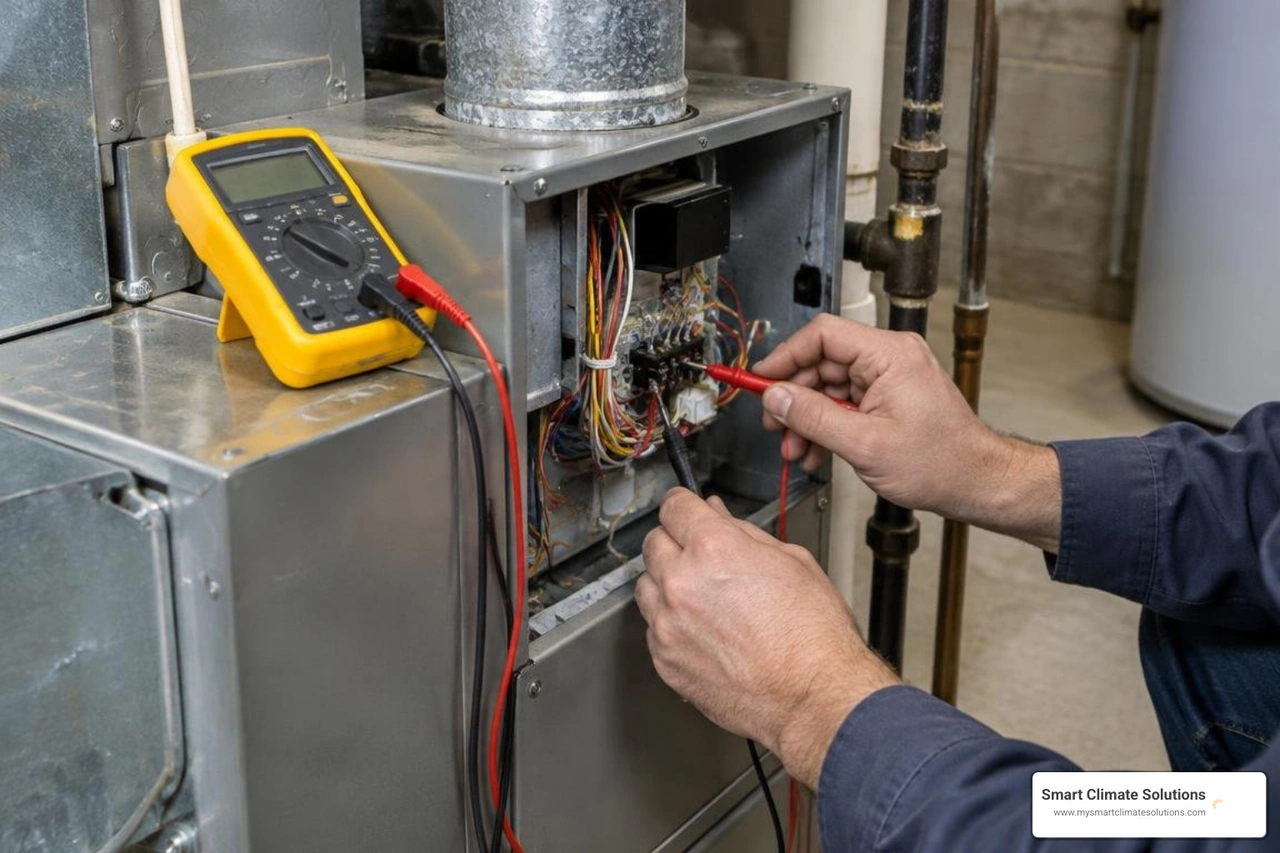
Inside the unit, key components work together during operation: the draft inducer motor, hot surface igniter, burner assembly, primary heat exchanger, secondary condensing heat exchanger (in high-efficiency units), integrated control board, and the main blower motor. When the thermostat calls for heat, the draft inducer pulls in combustion air, the igniter lights the gas burners, and the blower pushes return air across the heat exchangers to distribute warm air throughout your home.
Selecting the right unit requires looking closely at AFUE ratings. Modern standards favor units rated at 94% AFUE or higher, which extract extra heat by condensing water vapor out of exhaust gases. You can review our High Efficiency Furnace Guide 2026 to see how condensing technology cuts heating bills.
Furnace sizing is not a guessing game. Sizing a furnace using square footage alone can lead to short-cycling, high energy bills, and premature component failure. A formal Manual J heat-loss calculation accounts for your home's insulation levels, window ratings, ceiling heights, and local winter design temperatures in Western Pennsylvania and the Ohio Valley. Most homes in our region require between 40,000 and 100,000 BTU/hr depending on square footage and building envelope quality.
| Specification | Natural Gas Furnace (Standard) | Propane Gas Furnace (Converted) |
|---|---|---|
| Fuel Source | Utility pipeline connection | Dedicated exterior LP storage tank |
| Supply Pressure | 5.0 to 7.0 inches Water Column (W.C.) | 11.0 to 13.0 inches Water Column (W.C.) |
| Manifold Pressure | Typically 3.5 inches W.C. | Typically 10.0 inches W.C. |
| Burner Orifice Size | Larger orifice diameter | Smaller orifice diameter (higher energy density) |
| Venting Material | Category IV PVC, CPVC, or Polypropylene | Category IV PVC, CPVC, or Polypropylene |
| AFUE Efficiency | 80% to 98% AFUE | 80% to 98% AFUE |
When matching physical equipment, you must ensure the return air box and supply plenum match the new cabinet dimensions. For example, installing single stage units requires verifying airflow static pressure against manufacturer parameters, such as the Single Stage Gas Furnace Installation Instructions.
Step-by-Step Gas Furnace Installation Guide for Propane Systems
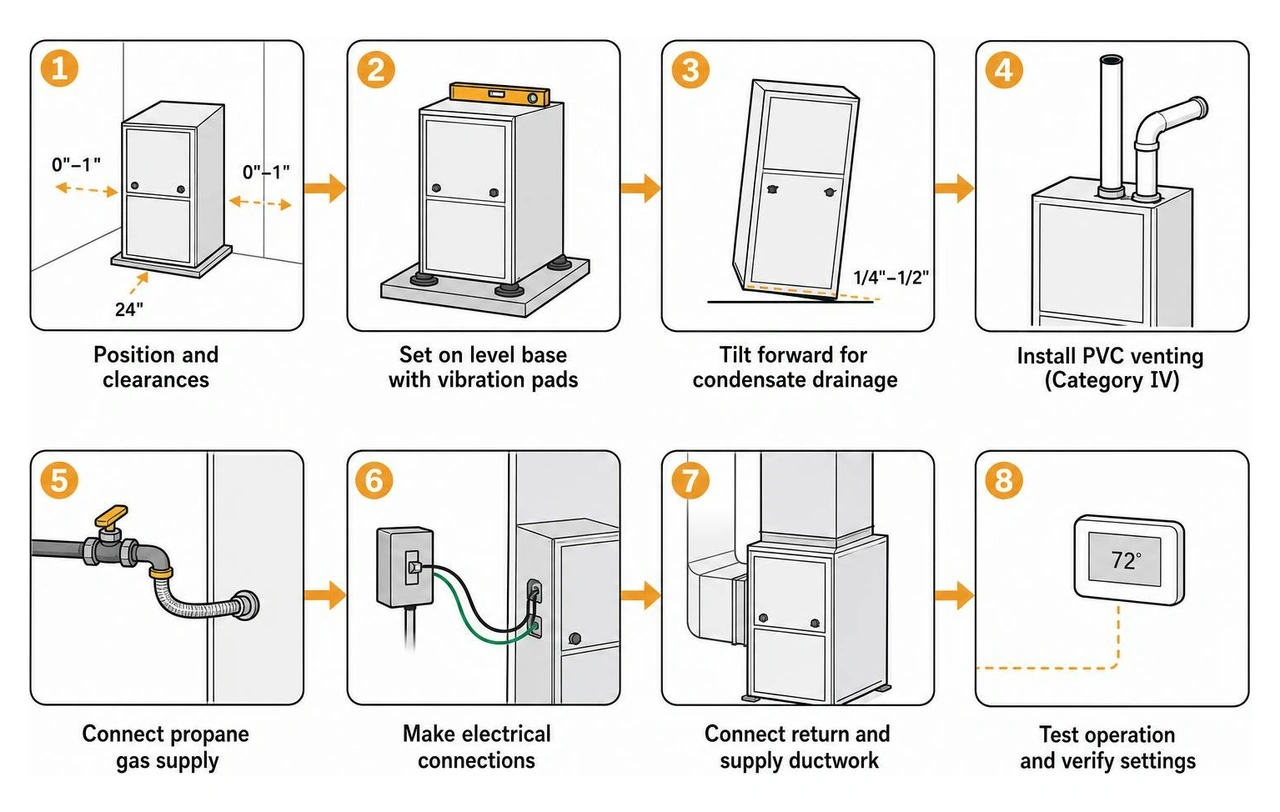
Installing a replacement unit involves precise mechanical, gas, electrical, and sheet metal work. Follow our detailed Gas Heating System Installation Guide along with the manufacturer manual for your specific brand.
Preparing the Site and Ductwork for Gas Furnace Installation
- Clear the surrounding floor space to provide at least 24 inches of front service clearance and verify minimum clearances to combustible walls (typically 0 to 1 inch on sides and back).
- Set the furnace cabinet on a solid, level surface. If the basement floor is damp or uneven, mount the unit on rubber vibration isolation pads or an approved non-combustible base.
- Tilt condensing furnaces slightly forward (1/4 to 1/2 inch) as directed in the Installation Instructions for High Efficiency Condensing Units to allow internal condensation to drain toward the front collection ports.
- Fasten sheet metal transitions between the furnace supply opening and the existing plenum using 1/2-inch self-tapping sheet metal screws.
- Seal all sheet metal joints, seams, and filter rack connections with silver UL-181 foil tape and brush-on duct mastic sealant to eliminate air leakage.
Converting Burner Orifices and Gas Piping Connections
Nearly all residential gas furnaces ship configured for natural gas from the factory. Operating a furnace on liquid propane without an LP conversion kit is dangerous, resulting in severe soot buildup and excessive carbon monoxide production.
- Shut off the main propane valve at the outside tank and isolate the supply line.
- Remove the burner assembly manifold according to the Gas Furnace Installation Instructions.
- Replace the standard factory brass orifices with the smaller LP orifices included in the manufacturer kit.
- Install the LP gas regulator spring and brass conversion plug into the main gas valve.
- Apply the conversion alert sticker to the inside of the furnace door.
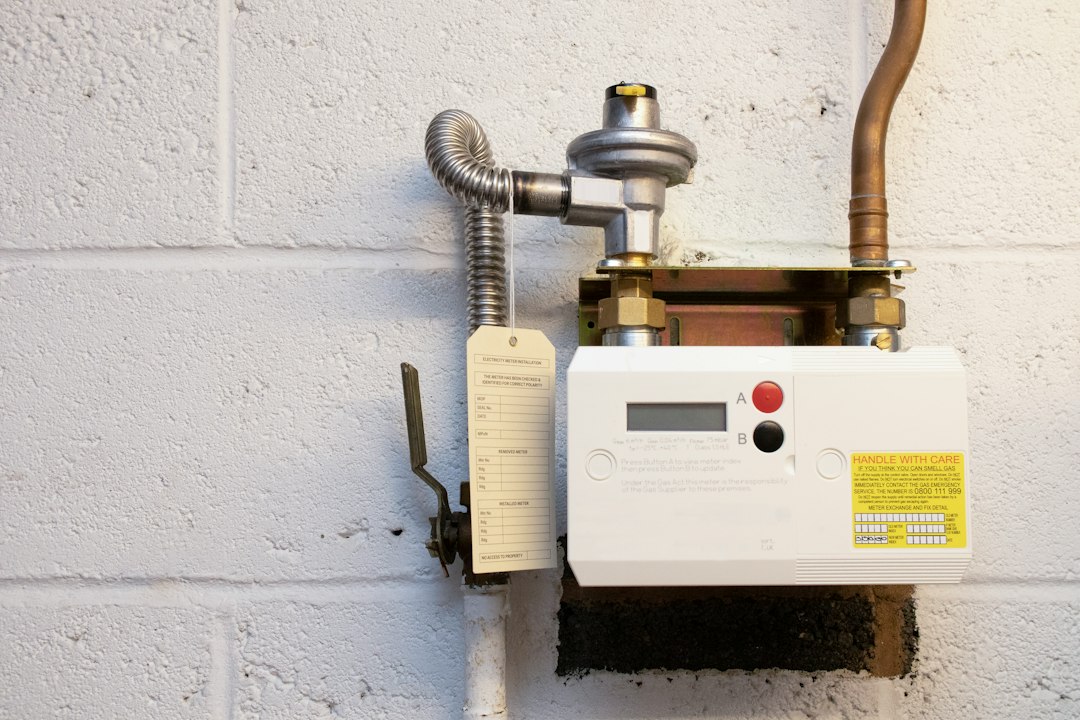
- Connect the black iron pipe or flexible corrugated stainless steel tubing (CSST) to the furnace gas valve, installing a manual shutoff valve, a union, and a 3-inch sediment trap (drip leg) upstream of the cabinet.
- Coat all threaded NPT joints with propane-rated pipe thread sealant (pipe dope), tighten securely, pressurize the line, and apply a non-corrosive soap bubble solution to all joints to check for leaks.
Direct Venting and PVC Condensate Management
High-efficiency furnaces produce low-temperature flue gases and acidic moisture, requiring sealed Category IV PVC, CPVC, or polypropylene pipe instead of metal chimneys.
Direct-vent (two-pipe) systems pull dedicated combustion air from outside and vent exhaust gases outside through separate runs of Schedule 40 PVC pipe. Maintain an upward slope of at least 1/4 inch per foot back toward the furnace on horizontal vent runs so flue condensation drains back into the internal trap.
Connect the furnace condensate drain line to the internal trap. Run smooth PVC or vinyl tubing from the trap outlet to a floor drain or an electric condensate pump. If the drain line routes through unheated basements, crawlspaces, or attics, wrap it with heat tape to prevent freeze-ups. If water backs up, a furnace drain clogged switch will trip and shut down the system.
Electrical Wiring and Thermostat Integration
Furnace control boards use sensitive electronics that require a dedicated 120-volt, 15-amp branch circuit.
- Touch the metal chassis to ground yourself and prevent electrostatic discharge (ESD) from damaging the control board.
- Connect the incoming line voltage (black hot, white neutral, bare copper or green ground) inside the furnace junction box using wire nuts.
- Install an emergency service power switch on the side of the furnace cabinet or on a nearby joist.
- Run standard 18/5 or 18/8 low-voltage thermostat wire from the furnace control board (terminals R, C, W, Y, G) to the wall thermostat location.
- Complete your Smart Thermostat Installation PA setup by connecting the common (C) wire to ensure continuous 24-volt power to your smart thermostat.
Gas Safety, Carbon Monoxide Protection, and Code Compliance
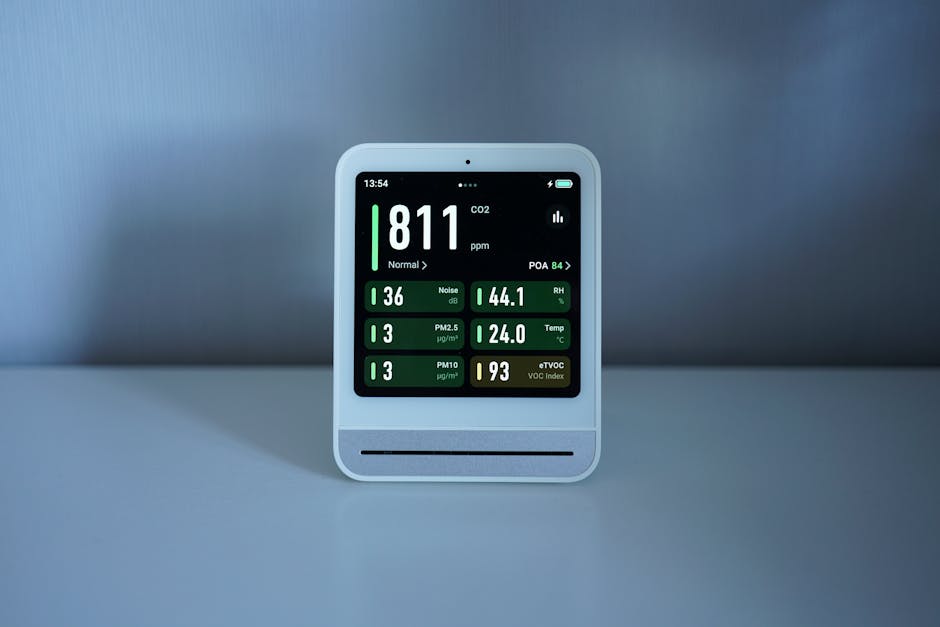
Gas furnace safety requires following strict local and national standards, including the National Fuel Gas Code (NFPA 54 / ANSI Z223.1) and the National Electrical Code (NEC).
Always use a digital water column manometer to verify that incoming propane supply pressure sits between 11.0 and 13.0 inches W.C. and that the manifold pressure is adjusted exactly to the rating plate specification (typically 10.0 inches W.C.). After firing the burners, a certified technician should perform a digital combustion analysis to measure carbon monoxide levels, flue gas temperature, and draft efficiency.
When planning your budget, check our overview of Furnace Replacement Cost to understand how permitting, piping upgrades, and high-efficiency equipment influence total project investment.
Gas Furnace Installation Safety and Permitting Requirements
Most municipalities across Allegheny County, Washington County, and neighboring jurisdictions require a residential mechanical and fuel gas permit before replacing a central heating appliance.
- Pull the appropriate local building and mechanical permits before beginning work.
- Maintain clearances for direct-vent terminations: at least 12 inches above expected snow level and at least 12 inches away from operable windows or doors.
- Install hardwired carbon monoxide detectors with battery backups on every level of the home, especially near bedrooms.
- Schedule a post-installation municipal inspection to certify gas line integrity and code compliance.
- Keep an Emergency Furnace Installation Guide handy during winter replacements to manage unexpected cold snaps.
Frequently Asked Questions about Propane Furnace Upgrades
Can I install a propane gas furnace myself without voiding the warranty?
Most major HVAC equipment manufacturers state in their warranty terms that equipment must be installed by a licensed, certified HVAC contractor. Performing a self-installation often limits or completely voids factory parts coverage. For step-by-step owner expectations and compliance requirements, read our Furnace Installation Guide 2026.
How do I know if my existing ductwork supports a high-efficiency furnace?
High-efficiency furnaces move high air volumes to protect heat exchangers from overheating. A technician measures total external static pressure (ESP) across the supply and return drops using a digital manometer. If existing ductwork is undersized, installing wider return air drops or turning vanes helps prevent high-limit tripping, as detailed in our Energy Efficient Heating Ultimate Guide 2026.
What is the average cost to convert and install a propane furnace?
Buying a standalone high-efficiency furnace online costs around $1,500 to $2,500, but total turnkey installation typically ranges from $4,000 to $9,000 depending on venting modifications, electrical upgrades, LP conversion kits, and duct adjustments. You can find comprehensive pricing factors in our New Furnace Cost Estimate breakdown.
Conclusion
A successful propane furnace installation provides consistent indoor comfort, low operating costs, and complete peace of mind through freezing winter temperatures. From proper heat load calculations and LP orifice conversions to Category IV direct venting and electrical wiring, every phase of the project demands attention to safety, local codes, and manufacturer instructions.
If you are planning a furnace upgrade in Pittsburgh, PA, South Hills, Washington, Burgettstown, Steubenville, St. Clairsville, or Weirton, our team at Smart Climate Solutions is ready to help. With more than 20 years of experience, our certified technicians deliver 24/7 support and reliable, code-compliant craftsmanship. Contact us today to schedule your consultation for professional HVAC Installation Services.