
Find the Best Energy Efficient Heating for Your Home
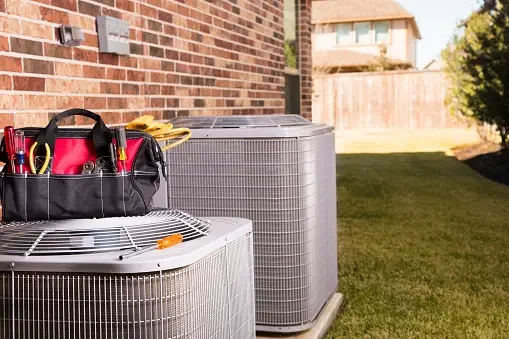
For most homes, the best energy efficient heating option is a properly sized cold-climate air-source heat pump. It can heat and cool your home, often uses far less energy than electric baseboard or resistance heat, and can work well in Pittsburgh winters when it is selected and installed correctly.
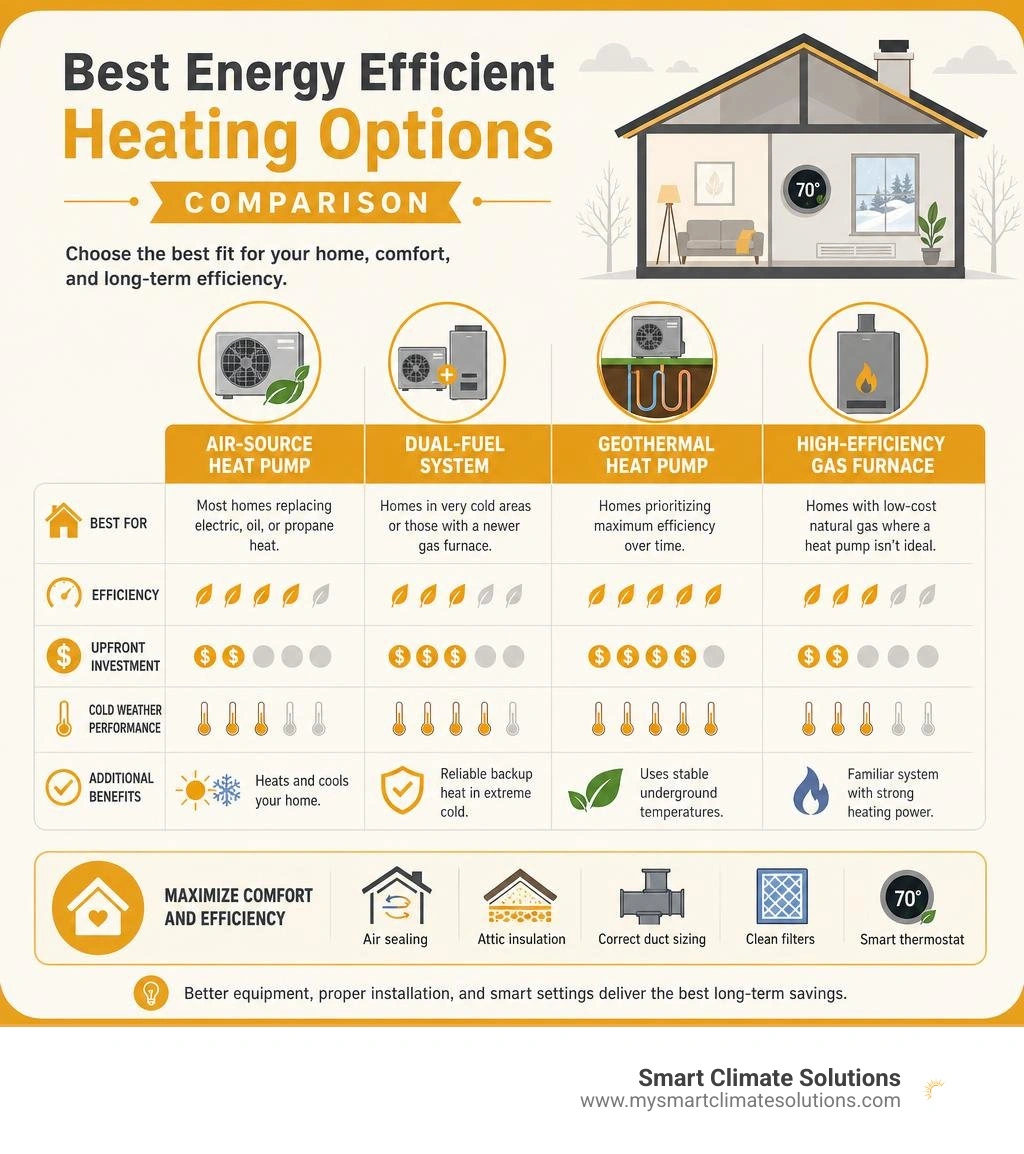
Your best fit depends on your home, fuel prices, and existing equipment:
- Air-source heat pump: Best overall choice for many homes replacing electric resistance, oil, or propane heat.
- Dual-fuel system: A heat pump paired with a gas furnace; often a smart choice for homes in very cold areas or homes keeping a newer furnace.
- Geothermal heat pump: Extremely efficient over time, but has a much higher upfront cost due to ground-loop installation.
- High-efficiency gas furnace: A practical option when natural gas is low-cost and a heat pump is not the right fit.
Heating can account for nearly half of a typical home's annual energy spending. Better equipment matters, but so do air sealing, attic insulation, correct duct sizing, clean filters, and a smart thermostat set for steady comfort. A poorly installed heat pump can waste the savings its efficiency rating promises.
I am Bill Scott, general manager of Smart Climate Solutions, with more than 20 years of HVAC experience serving homeowners across Pittsburgh and Southwestern Pennsylvania. I help homeowners compare the best energy efficient heating options based on comfort, reliability, installation quality, and real long-term operating costs.
Quick look at best energy efficient heating:
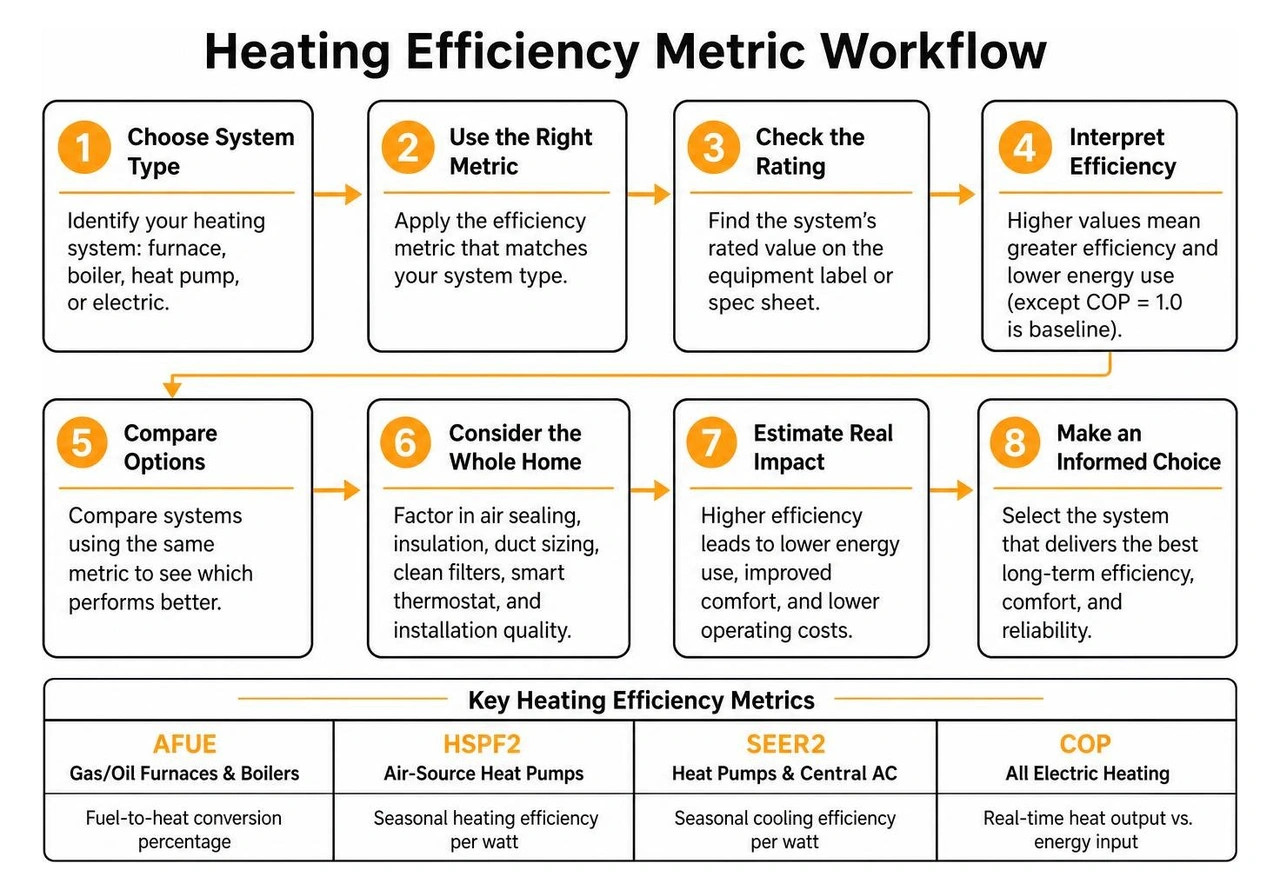
Understanding Key Efficiency Ratings: AFUE, HSPF2, SEER2, and COP
Deciphering HVAC energy labels can feel like learning a new language. However, understanding these efficiency metrics is essential before investing in a new heating system. These numbers dictate how much energy your equipment wastes and directly determine your monthly utility expenses.
The primary efficiency metrics you will encounter include:
- AFUE (Annual Fuel Utilization Efficiency): Used for combustion systems like natural gas, propane, and oil furnaces or boilers. An AFUE of 96% means 96% of the fuel is converted directly into usable heat for your living space, while 4% escapes through the exhaust flue. For an in-depth breakdown of combustion equipment, explore our High Efficiency Furnace Guide 2026.
- HSPF2 (Heating Seasonal Performance Factor 2): Measures the heating efficiency of air-source heat pumps over an entire heating season divided by the total electrical energy consumed in watt-hours. The updated HSPF2 testing standard accounts for real-world external static pressure in home ductwork. Higher numbers indicate greater seasonal efficiency.
- SEER2 (Seasonal Energy Efficiency Ratio 2): Measures the cooling efficiency of heat pumps and central air conditioning during warm summer months.
- COP (Coefficient of Performance): The real-time ratio of heat energy delivered compared to electrical energy consumed. Electric resistance heaters always have a COP of 1.0 (100% thermodynamic efficiency). High-efficiency heat pumps regularly operate at COP levels between 2.0 and 4.0+, delivering two to four times more thermal energy than the electricity they draw.
| Metric | System Type | What It Measures | Standard Rating | High-Efficiency Benchmark |
|---|---|---|---|---|
| AFUE | Gas/Oil Furnaces & Boilers | Fuel-to-heat conversion percentage | 80% AFUE | 95% to 98.5% AFUE |
| HSPF2 | Air-Source Heat Pumps | Seasonal heating efficiency per watt | 7.5 HSPF2 | 8.5 to 10.5+ HSPF2 |
| SEER2 | Heat Pumps & Central AC | Seasonal cooling efficiency per watt | 14.3 SEER2 | 18 to 24+ SEER2 |
| COP | All Electric Heating | Real-time heat output vs. energy input | 1.0 COP (Baseboard) | 2.5 to 4.5+ COP |
Comparing the Best Energy Efficient Heating Options for Modern Homes
Selecting the Most Efficient Residential Heating System starts with understanding how modern equipment produces or moves warmth. Traditional heating systems rely on electric resistance elements or the combustion of fossil fuels to create thermal energy from scratch.
Heat pumps take advantage of the laws of thermodynamics. Instead of burning expensive fuel, they utilize advanced refrigeration cycles to extract ambient thermal energy from outdoor air or underground soil and pump that heat indoors. Because moving heat requires far less energy than creating it, heat pumps deliver major reductions in household electricity demand and carbon emissions.

Air-Source Heat Pumps as the Best Energy Efficient Heating Choice
Modern cold-climate air-source heat pumps represent the pinnacle of residential electrification. In 2024, heat pumps officially outsold traditional gas furnaces across the United States, with over 5 million units installed.
High-performance models feature variable-speed inverter compressors that modulate capacity in 1% increments. Instead of abruptly blasting on and turning off, these units run continuously at low, whisper-quiet speeds, precisely matching your home's heat loss. Advanced systems also utilize low-GWP refrigerants such as R-454B to comply with the latest EPA environmental standards while delivering warm supply air in extreme winter conditions.
Leading models showcase the power of this technology:
- The Energy Efficient SL25XPV Heat Pump | Lennox achieves up to 23 SEER2 cooling and 10.3 HSPF2 heating, offering variable-capacity heating and ultra-quiet sound levels as low as 57 dB.
- The IDS Ultra - Inverter Ducted Split Cold Climate Heat Pump | Bosch utilizes Enhanced Vapor Injection (EVI) technology to maintain 100% heating capacity at 5 degrees Fahrenheit with a 2.1 COP, operating continuously in outdoor temperatures down to -13 degrees Fahrenheit.
Geothermal Ground-Source Heat Pumps
If you are exploring the Most Efficient Way to Heat and Cool a Home, geothermal heat pumps deliver the highest thermodynamic efficiency of any residential HVAC system.
While outdoor winter air temperatures in Western Pennsylvania can swing from 40 degrees down below zero, the ground several feet below the frost line maintains a steady temperature between 50 and 55 degrees Fahrenheit year-round. Geothermal systems circulate liquid through closed underground pipe loops to extract this constant thermal energy.
Geothermal installations achieve COP ratings exceeding 4.0 to 5.0 throughout the entire winter. However, the requirement for extensive yard excavation or vertical drilling makes the initial investment substantially higher than air-source alternatives. For homes with sufficient land and a long-term investment horizon, geothermal systems provide unmatched operational efficiency and service lifespans exceeding 25 years on indoor equipment and 50 years on ground loops.
Dual-Fuel Hybrid Systems for the Best Energy Efficient Heating in Cold Climates
For homeowners who want the high efficiency of an electric heat pump but need the heavy-duty heating reserve of a gas furnace during severe winter freezes, a dual-fuel hybrid system offers an ideal balance.
A dual-fuel setup pairs an electric heat pump with an auxiliary natural gas or propane furnace. During mild and moderately cold winter days (typically 30 to 45 degrees Fahrenheit), the heat pump handles the heating load at peak efficiency. When outdoor temperatures plummet below the balance point where electric heating capacity drops, an intelligent control automatically fires the gas furnace to provide rapid, high-temperature heat.
Homeowners can choose between ducted split configurations and packaged systems:
- The Infinity 23 Heat Pump | Carrier delivers up to 10.5 HSPF2 and integrates seamlessly with modulating gas furnaces for intelligent hybrid heating.
- The 677E | Small Packaged Product | Bryant integrates a dual-fuel heat pump and gas furnace into a single outdoor cabinet, perfect for homes with space-constrained utility rooms.
- For homes with hot water baseboards or radiant flooring, the ECO Hybrid Heat Pump Boiler System - Weil-McLain integrates an air-to-water heat pump with a high-efficiency hydronic boiler, achieving COP ratings up to 5.37 under optimal conditions.
Ductless Mini-Split Heat Pumps
Homes without existing ductwork, historic properties, or room additions benefit significantly from an Energy Efficient Ductless Heating and Cooling System.
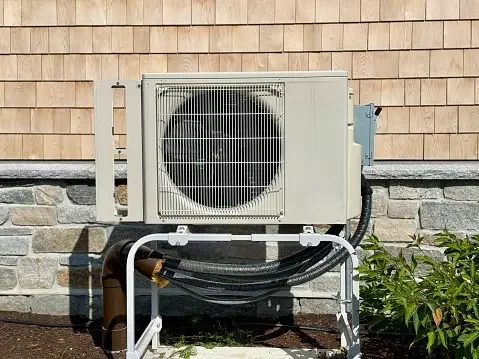
Ductless mini-splits connect an outdoor inverter heat pump to one or more independent indoor air handlers mounted on walls or ceilings. Because they deliver conditioned air directly into individual rooms, they eliminate the 20% to 30% thermal energy losses typically caused by uninsulated or leaky duct runs in attics and crawlspaces. Multi-zone ductless systems also allow room-by-room zoning, so you only heat the rooms your family is actively using.
Upfront Costs, Utility Rebates, and Long-Term Savings
Upgrading your home's heating infrastructure requires balancing upfront capital expense with long-term fuel reductions. According to data from the National Renewable Energy Laboratory (NREL), complete installation costs for ducted heat pump systems typically range from $9,000 for standard-efficiency models up to $24,000 for premium, high-efficiency cold-climate systems requiring electrical or duct upgrades.
Despite the initial investment, long-term savings can be substantial:
- The average U.S. household spends roughly $2,060 per year on energy bills, with heating accounting for nearly half that total.
- Switching from electric resistance baseboards, fuel oil, or propane to a modern cold-climate heat pump can cut heating energy consumption by 50%, saving homeowners hundreds of dollars annually.
- Switching an inefficient propane or electric furnace to an inverter heat pump can yield up to $1,500 in annual utility bill reductions.
To help offset equipment costs, homeowners can take advantage of multiple financial incentives:
- Federal Tax Credits (Section 25C): Homeowners can claim up to 30% of project costs (capped at $2,000 annually) for qualifying high-efficiency heat pumps and heat pump water heaters under the Inflation Reduction Act.
- Electric Utility Rebates: Regional electric utilities offer substantial cash rebates for customers upgrading to ENERGY STAR certified heat pumps to support grid decarbonization.
- Manufacturer Rebates: Seasonal promotional discounts and utility matching programs can reduce upfront out-of-pocket costs by an additional $500 to $1,500.
For a complete breakdown of efficiency planning, read our Best Energy Efficient HVAC Guide.
Critical Installation Best Practices and Efficiency Maximizers
Investing in premium heating equipment will not guarantee lower utility bills if the system is installed incorrectly. Industry studies show that 70% to 90% of heat pump installations suffer from measurable performance defects caused by improper sizing, uncalibrated airflow, or incorrect refrigerant charging.
To ensure your system operates at its certified efficiency:
- Verify Total External Static Pressure (TESP): Undersized ductwork chokes airflow, overworking the blower motor and causing the heat pump to cycle inefficiently. Technicians must measure static pressure and modify return drops where necessary.
- Upgrade Air Filtration: Restrictive standard 1-inch filters create high airflow resistance. Installing deep 4-inch or 5-inch media filter cabinets provides superior air filtration without compromising system airflow.
- Accurate Refrigerant Charging: Modern variable-speed heat pumps are sensitive to refrigerant levels. Subcool and superheat levels must be weighed and tested accurately according to manufacturer specifications.
- Practice Steady Thermostat Settings: Unlike traditional gas furnaces that benefit from wide overnight temperature setbacks, inverter heat pumps run most efficiently maintaining a constant, steady temperature. Setting back temperatures too far can force the system into inefficient high-speed operation or trigger expensive auxiliary electric resistance strips.
- Upgrade the Building Envelope: Sealing air leaks around windows, framing, and penetrations while adding attic insulation reduces your home's total heating load. Scheduling a professional Home Energy Efficiency Audit helps identify hidden thermal losses before sizing new equipment.
Explore more actionable conservation steps in our guide to Energy Saving HVAC Tips.
Frequently Asked Questions About Energy Efficient Heating
How much money can I save by switching to an energy-efficient heat pump?
By switching from inefficient electric resistance heating, fuel oil, or propane to a high-efficiency inverter heat pump, homeowners can reduce their heating energy consumption by roughly 50%. For an average household spending over $1,000 annually on heating alone, this translates to direct savings of $500 to $1,500 per year depending on local fuel rates and home insulation quality.
Can modern heat pumps keep a home warm in freezing sub-zero weather?
Yes. Modern cold-climate heat pumps engineered with variable-speed inverter compressors and Enhanced Vapor Injection (EVI) technology can maintain 100% heating capacity down to 5 degrees Fahrenheit and continue providing steady, reliable heat in temperatures as low as -13 degrees Fahrenheit without relying on fossil fuels.
What is the difference between air-source and geothermal heat pumps?
Air-source heat pumps extract thermal energy directly from the outdoor air and distribute it throughout the home. Geothermal (ground-source) heat pumps extract heat from the stable 50 to 55-degree subsurface ground via buried pipe loops. Geothermal systems achieve higher COP efficiency in extreme cold, but require higher upfront excavation costs compared to air-source units.
Conclusion
Upgrading your home with an energy-efficient heating system is one of the most effective ways to lower your winter utility bills, improve indoor comfort, and reduce your household carbon footprint. Whether you choose a high-efficiency cold-climate heat pump, a flexible dual-fuel hybrid system, or a high-AFUE condensing gas furnace, sizing and installation quality make all the difference.
Smart Climate Solutions brings over 20 years of dedicated HVAC experience to homeowners across Pittsburgh PA, South Hills PA, Burgettstown PA, Washington PA, Steubenville OH, St. Clairsville OH, and Weirton WV. Our certified technicians provide precision Manual J load calculations, comprehensive duct testing, and 24/7 emergency support to ensure your system performs flawlessly for years to come.
Ready to stop burning cash on inefficient winter heating? Contact Smart Climate Solutions today to schedule your consultation and explore our expert HVAC installation and heating services.


.png)
