

Your First Step to a More Comfortable and Cost-Effective Home
A home energy efficiency audit is a systematic inspection of your home to find where energy is being wasted and how you can improve efficiency. It's like a health checkup for your house, revealing hidden problems and providing a clear action plan to save you money.
Quick Answer: What You Need to Know
- What it is: An inspection (professional or DIY) that measures your home's energy use and pinpoints losses.
- Who does it: Certified energy advisors with specialized tools, or you can perform a basic DIY version.
- What's checked: Insulation, air leaks, HVAC systems, water heaters, appliances, and lighting.
- Cost: Professional audits range from $200-$600, with potential utility company rebates.
- Potential savings: Up to a 30% reduction in energy bills.
- Key benefit: A prioritized list of upgrades with estimated costs and savings.
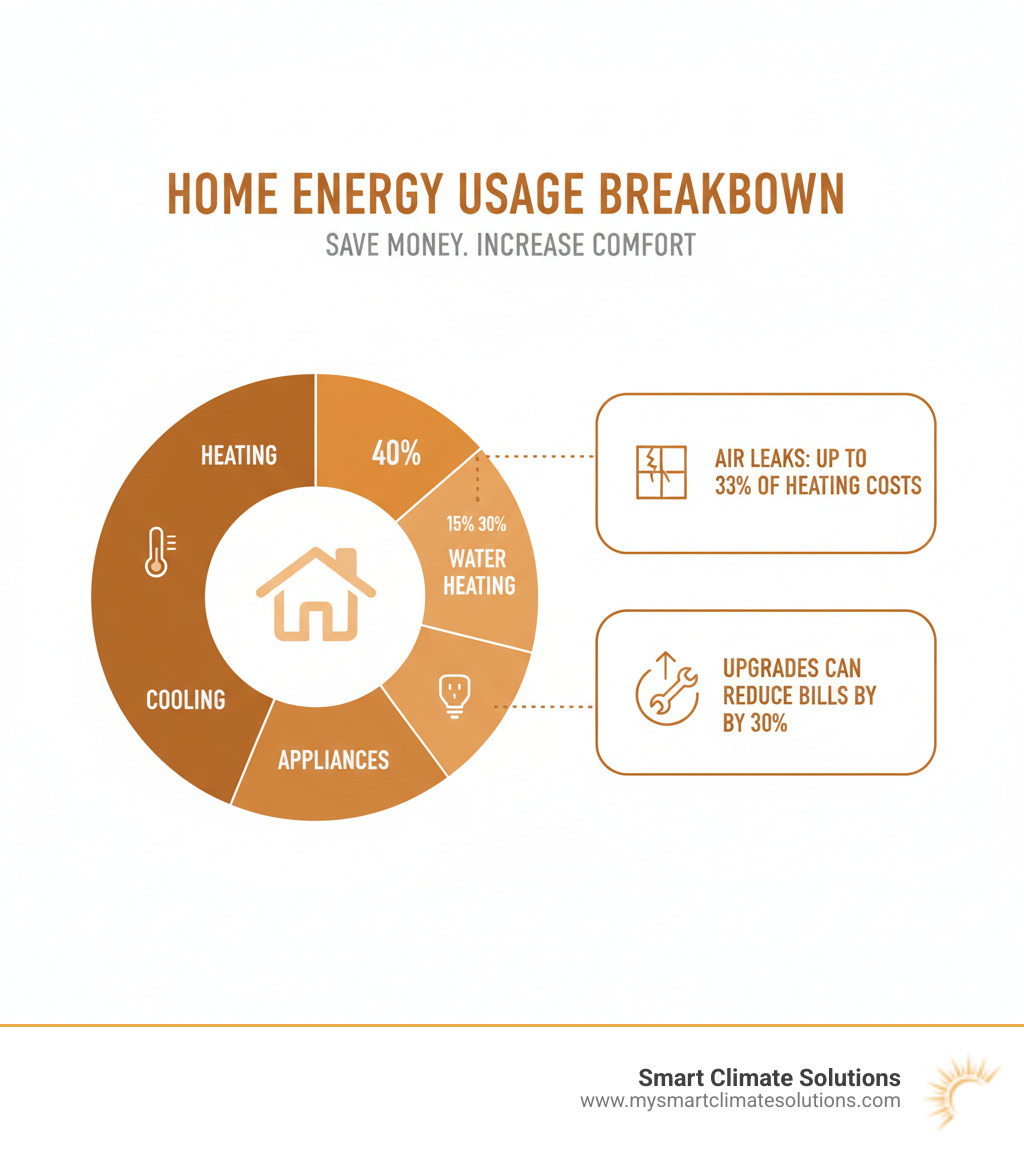
Why should you care? The numbers tell the story. Air leakage alone can account for up to one-third of your heating costs. For Pittsburgh-area homeowners, that's real money disappearing through your walls, windows, and ductwork during our cold winters and hot summers.
An audit explains why certain rooms are always too hot or cold, why your furnace runs constantly, or why condensation forms on your windows. It's the roadmap to a more comfortable home that costs less to operate.
The payoff extends beyond monthly bills. Energy-efficient homes can increase their resale value by up to 3%. You're not just reducing your carbon footprint-you're making a smart investment in your property.
I'm Bill Scott, general manager of Smart Climate Solutions. With over 15 years in the HVAC industry, I've seen how a proper home energy efficiency audit transforms comfort and costs for Pittsburgh homeowners. Let me walk you through what you need to know.
Key home energy efficiency audit vocabulary:
Professional vs. DIY: Choosing the Right Home Energy Efficiency Audit
Deciding on a home energy efficiency audit is like choosing between diagnosing your car's check engine light yourself or taking it to a mechanic. You can spot some problems on your own, but sometimes you need specialized tools and expertise.
Whether you choose a DIY inspection or a certified professional depends on your goals and budget. Many Pittsburgh homeowners start with a DIY audit before deciding to invest in the professional route. After two decades in this business, I always recommend a home energy efficiency audit before any major energy-saving improvements. It's the blueprint you need to understand your home's energy use, comfort, and safety.
The DIY Home Energy Audit: A Hands-On Approach
A DIY home energy efficiency audit is a great starting point if you want a hands-on approach. You won't need fancy equipment, and you can likely find several obvious problems over a weekend.
DIY Audit Checklist:
- Visual Inspection: Walk through your home, looking for cracks or gaps around windows, doors, and where pipes or wires enter walls. Check the attic and basement for unsealed openings.
- Find Drafts: On a windy day, light an incense stick and move it around windows, doors, and outlets. If the smoke wavers, you've found an air leak. (Be careful with the open flame.)
- Check Insulation: In your attic, you'll want at least 10 to 14 inches of insulation for the Pittsburgh climate. Look for compressed, damp, or missing spots.
- Assess Appliances: Note the age of your furnace, water heater, and other major appliances. If they are over 10 years old, they are likely far less efficient than modern ENERGY STAR models.
- Hunt for "Energy Vampires": Identify devices that draw power when off, like chargers, TVs, and coffee makers. Use an online energy vampire calculator to see their impact.
To stay organized, use a checklist like this one from Virginia Energy Sense. Then, get a Home Energy Yardstick score from ENERGY STAR to see how you compare to similar homes.
The Professional Home Energy Audit: A Deep Dive into Your Home's Performance
A professional home energy efficiency audit provides a deep dive into your home's performance using specialized equipment. A certified energy advisor conducts a basement-to-attic examination, reviewing past utility bills and discussing any comfort issues you've noticed.
Key professional tools include:
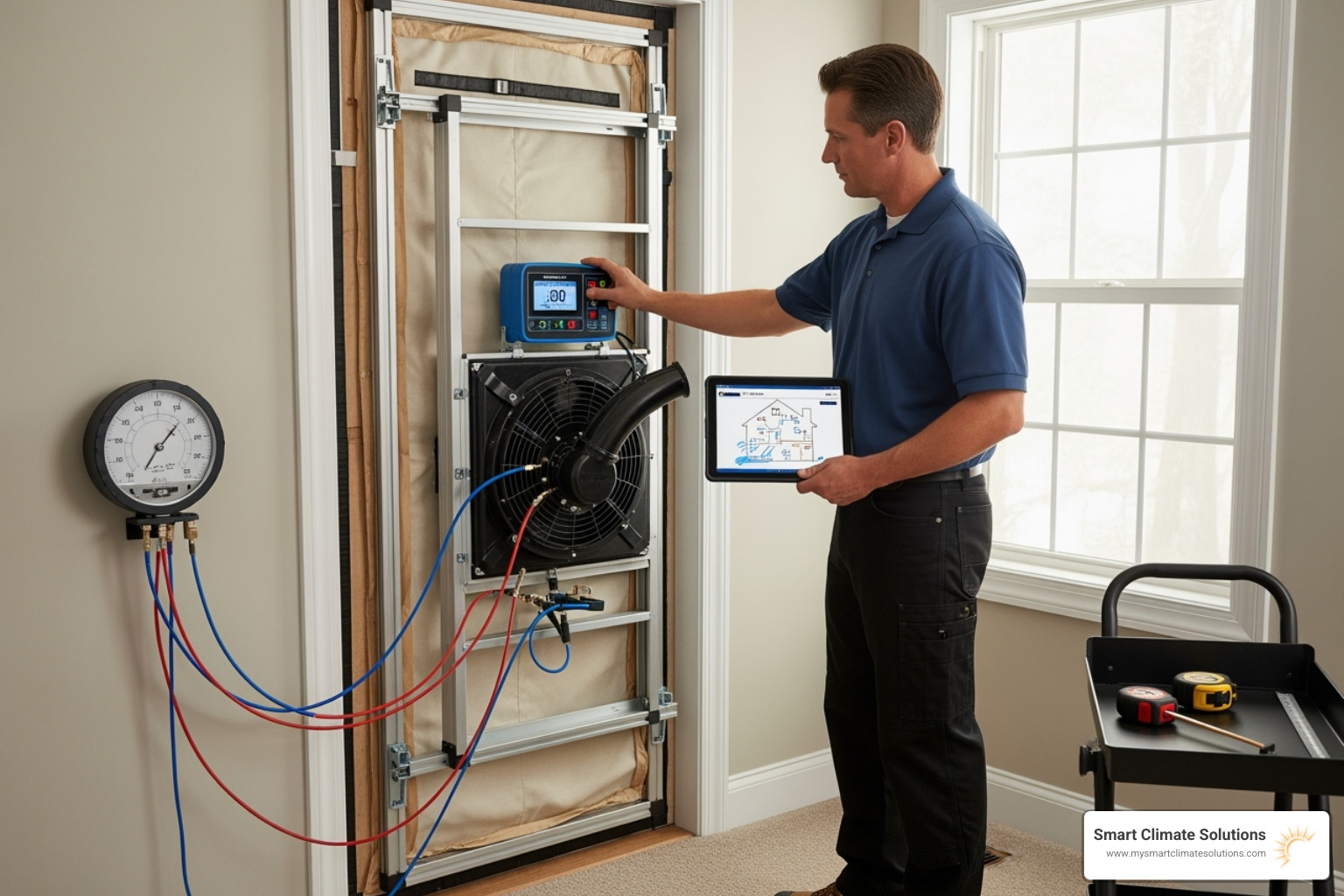
- Blower Door Test: A powerful fan is mounted in a doorway to depressurize the house, exaggerating air leaks. The technician then uses smoke pens or an infrared camera to pinpoint exactly where air is escaping.
- Infrared Cameras: These thermal imaging devices show temperature differences on surfaces. Cool spots (blue or purple) indicate poor insulation or air leaks, making invisible problems visible. You can learn more about thermographic inspections.
- Combustion Analyzer: For homes with gas appliances, this tool checks for efficiency and proper venting, ensuring your furnace or water heater is not leaking dangerous carbon monoxide.
A professional audit typically costs $200 to $700. While there's an upfront cost, the recommended improvements often cut energy bills by 20% to 30%, paying for the audit within a year or two. Look for certified auditors who know Pittsburgh's climate. Your utility company may offer rebates or lists of qualified professionals.
What's Inspected? Key Areas of a Professional Energy Assessment
At Smart Climate Solutions, we view your home as an interconnected system. A professional home energy efficiency audit takes a "building as a system" approach, examining every component that affects your energy use, comfort, and safety from the basement to the attic. We're not just looking for energy waste-we're also checking for health and safety issues like carbon monoxide leaks or moisture problems.

The Building Envelope: Sealing and Insulation
Your building envelope is your home's protective shell-the roof, walls, windows, and foundation. Gaps or poor insulation mean you're paying to heat or cool the outdoors.
Air Sealing: Air leakage is a huge energy thief, responsible for up to one-third of heating costs. We use a blower door test to depressurize your home and make leaks easy to find. With smoke pens, we can trace air movement around common culprits like window frames, electrical outlets, attic hatches, and fireplace dampers. Sealing these leaks with caulk and weatherstripping is one of the most cost-effective improvements you can make.
Insulation: Insulation works with air sealing to keep your home comfortable. We inspect insulation levels and condition everywhere. For the Pittsburgh climate, your attic should have at least R-38 insulation (about 10-14 inches). An infrared camera helps us "see" inside walls to find missing or settled insulation. We also check basements and crawlspaces for proper insulation and vapor barriers. Air sealing should always come before adding insulation. If you have ductwork in these spaces, sealing and insulating it is also critical. Our HVAC Ductwork Installation Services can address this.
Heating and Cooling (HVAC) Systems
Your HVAC system is a major focus, as heating alone accounts for about 40% of home energy use. An inefficient system can waste 30% to 50% of that energy.
We inspect your system's age and efficiency ratings (AFUE for furnaces, SEER for ACs, HSPF for heat pumps). Older units in Pittsburgh homes are often far below modern standards, wasting significant fuel and money. For any fuel-burning equipment, we perform safety tests to check for proper venting and carbon monoxide leaks.
Ductwork is a hidden source of energy loss. We inspect ducts in unconditioned attics and crawlspaces for leaks and poor insulation. Leaky, uninsulated ducts force your HVAC system to work much harder, costing you money and comfort.
Regular maintenance is key to efficiency. Our Energy Saving HVAC Tips and HVAC Maintenance Plan can help you optimize performance year-round.
Water Heating, Appliances, and Lighting
Other key areas contribute to your energy bill and are checked during an audit.
Water Heating: This can be 15-30% of your energy use. We check your water heater's age, insulation, and temperature setting. Lowering the temperature to 120 degrees Fahrenheit saves energy and is safer.
Appliances and "Energy Vampires": We assess the efficiency of major appliances like refrigerators and washers. We also identify "energy vampires"-devices like TVs, chargers, and computers that use power even when off. These phantom loads can account for up to 20% of your electric bill. Use an online energy vampire calculator to see the cost. Using smart power strips is an easy fix.
Lighting: Switching from incandescent bulbs to LEDs is a simple, fast-payback upgrade. LEDs use up to 75% less energy and last much longer.
From Audit to Action: Understanding Your Report and Prioritizing Upgrades
Once your home energy efficiency audit is complete, the real savings begin. Your energy advisor will provide a detailed report that is your personalized roadmap to a more efficient, comfortable, and valuable home.

Deciphering Your Report
Your audit report is packed with valuable information, so take time to understand it. Key components include:
- Energy Rating: A score comparing your home's performance to similar houses in the area.
- Identified Issues: A detailed list of every energy deficiency found, from air leaks to poor insulation.
- Recommended Upgrades: Specific, actionable recommendations custom to your home.
- Estimated Savings: Each recommendation includes projected annual savings and often a payback period, which is how long it takes for the upgrade to pay for itself. This helps you make smart financial decisions.
- Health and Safety Notes: Any urgent issues, like carbon monoxide risks or moisture problems, will be clearly highlighted for immediate attention.
Prioritizing Your Energy-Efficient Upgrades
A long list of recommendations can feel overwhelming. The smartest approach for Pittsburgh homeowners is to prioritize based on cost, savings, and comfort impact.
- Start with Low-Cost, High-Impact Fixes: Air sealing is almost always the most cost-effective first step. Sealing gaps and cracks with caulk and weatherstripping provides an immediate return.
- Improve Insulation: After sealing air leaks, adding insulation to your attic, walls, and foundation is the next logical step. This locks in your energy savings and dramatically improves comfort.
- Consider Major System Upgrades: HVAC systems are a larger investment but offer significant savings, especially if your equipment is over 15 years old. An efficient system can save hundreds annually. Explore options in our guide to the Most Efficient Residential Heating System and understand the Residential HVAC Installation Cost.
Window replacement is also effective but typically has a longer payback period, so it's often best addressed after these other items. Following this priority list can help you cut your home's energy use by up to 30%.
Finding Rebates and Incentives in the Pittsburgh Area
You don't have to shoulder the full cost of these upgrades alone. Several programs can help reduce your upfront investment:
- Federal Tax Credits: Often available for insulation, windows, doors, and high-efficiency HVAC systems. Check the latest IRS guidelines.
- State and Local Programs: Pennsylvania and local municipalities may offer low-interest loans or direct rebates.
- Utility Company Rebates: Pittsburgh-area providers like Duquesne Light and Peoples Gas frequently offer rebates for smart thermostats, appliances, and HVAC upgrades. Check their websites for current offers.
The U.S. Department of Energy has resources to help you Learn more about Home Energy Assessments. At Smart Climate Solutions, we can help you steer these programs when you're ready to upgrade.
Frequently Asked Questions about Home Energy Audits
Over my 15+ years at Smart Climate Solutions, I've talked with hundreds of homeowners across Pittsburgh and the surrounding areas about their energy concerns. Here are answers to the most common questions about a home energy efficiency audit.
How much does a professional home energy audit cost?
A professional home energy efficiency audit in the Pittsburgh area typically costs between $200 and $700. The final price depends on your home's size, complexity, and the depth of the assessment. A comprehensive audit with blower door testing and infrared imaging will cost more than a basic walk-through.
Think of this as an investment, not an expense. The energy savings from the recommended improvements often pay for the audit within a year or two. Beyond the savings, you gain a more comfortable home, improved safety, and increased property value.
How often should I get an energy audit?
For most homeowners, an audit every 5 to 10 years is a good rule of thumb. However, you should get one sooner if you are:
- Planning major renovations (roof, siding, windows, HVAC).
- Preparing to sell your home (it can increase resale value).
- Experiencing comfort problems like drafts, cold spots, or excessive dust.
- Noticing a sudden, unexplained spike in your energy bills.
Catching problems early saves money and prevents bigger issues later.
How do I prepare my home for an energy assessment?
A little preparation helps the auditor work efficiently.
- Gather Documents: Have at least a year's worth of utility bills (electricity, gas, etc.) available.
- List Problems: Note any issues you've observed, such as drafty rooms, moisture, or a constantly running furnace.
- Provide Access: Ensure the auditor can safely access the attic, basement/crawl space, and mechanical room (where the furnace and water heater are).
- Clean Fireplaces: If you have a wood-burning fireplace or stove, please remove the ashes.
The audit will take 2 to 4 hours. I encourage you to be present, ask questions, and learn about your home. It's a valuable opportunity to understand how you can improve comfort and efficiency.
Conclusion: Take Control of Your Home's Energy Future
Now you know how a home energy efficiency audit serves as a personalized blueprint for a better home. It removes the guesswork, providing a clear action plan to lower bills, improve comfort, and increase property value. These are real results Pittsburgh-area homeowners achieve.
Whether you start with a simple DIY check or hire a professional, the key is to take the first step. An audit gives you concrete answers and a prioritized plan that fits your budget. Start with quick wins like air sealing, then plan for larger upgrades like insulation or a new HVAC system.
At Smart Climate Solutions, we are your local partners for turning those HVAC recommendations into reality. For over 15 years, we've served Pittsburgh, South Hills, Burgettstown, Washington, Steubenville, St. Clairsville, and Weirton. When your audit points to a need for a new furnace, better ductwork, or a more efficient AC, our certified technicians are ready to help.
Don't wait for the next extreme weather to hit. The best time to improve your home's performance is now.
Contact us for expert HVAC services to discuss how we can implement your audit's recommendations. Let's work together to make your home more comfortable, valuable, and cost-effective.

.png)
