

Understanding How a Mini Split AC System Works
A mini split ac relies on two primary components: an outdoor condenser unit and one or more indoor air handlers. Unlike conventional forced-air HVAC setups that rely on extensive metal ductwork hidden inside walls and attics, ductless systems transfer thermal energy directly into specific rooms.
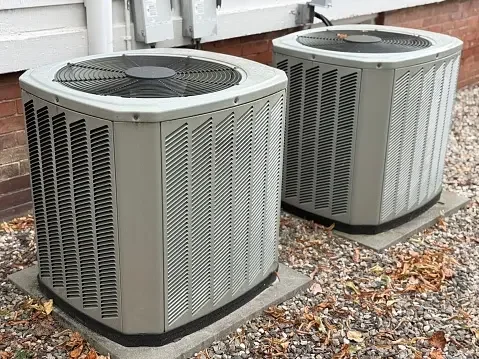
The outdoor unit houses an inverter-driven compressor, a condenser coil, and an expansion valve. The indoor unit contains an evaporator coil, a quiet blower fan, and air filtration mesh. These two sections connect through a small bundle containing insulated copper refrigerant lines, a condensate drain hose, and high-voltage power lines.
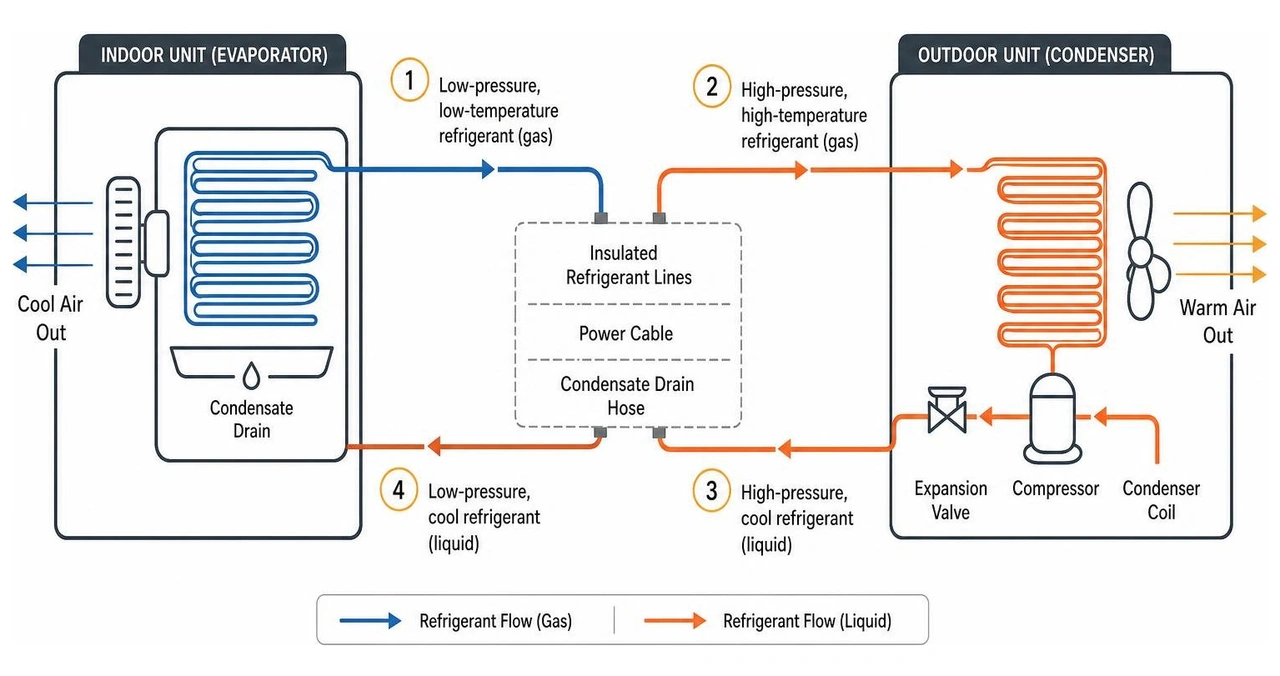
Connecting the indoor air handler to the outdoor condenser only requires a single 3-inch wall penetration. This minor architectural modification keeps structural framing intact while preventing the significant security risks associated with large window cutouts or open panes.
If you are looking for long-term comfort across all seasons, an Energy Efficient Ductless Heating and Cooling System provides variable-speed performance. The inverter compressor modulates motor speeds continuously. Instead of shutting down completely and blasting at maximum output when the thermostat calls for cooling, the compressor scales up or down based on real-time room load. This dynamic modulation stabilizes humidity levels and eliminates sudden drafty temperature drops.
How Heating and Cooling Cycles Operate
Modern mini split systems are reversible heat pumps. They use a specialized internal valve called a reversing valve to change the direction of refrigerant flow, allowing the system to deliver both active air conditioning and high-efficiency heating.
- Cooling Mode: The indoor evaporator coil absorbs heat from indoor room air into liquid refrigerant. The compressor pumps hot gas to the outdoor coil, releasing thermal energy into outside air.
- Heating Mode: The reversing valve shifts refrigerant flow direction. The outdoor unit absorbs residual heat from outside ambient air and compresses it into high-temperature heat. That heat travels indoors and releases warmth into the room.
Because heat pump technology transfers heat rather than creating it through electric resistance or gas combustion, an AC and Heat Mini Split can operate with exceptional energy efficiency. Even during cold Pennsylvania winter days, advanced inverter systems extract thermal energy from freezing outdoor air to keep indoor living spaces warm.
Single-Zone vs Multi-Zone Mini Split AC Configurations
When planning a ductless installation, you must choose between single-zone and multi-zone system layouts.
- Single-Zone Systems: Consist of one outdoor condenser connected directly to one indoor air handler. These systems excel at conditioning isolated spaces like sunrooms, bonus rooms over garages, finished basements, or workshop additions.
- Multi-Zone Systems: Feature a single high-capacity outdoor unit connected to multiple indoor air handlers (typically supporting between two and five distinct comfort zones). Each indoor unit runs independently with its own wireless thermostat remote or smart wall controller.
Multi-zone setups give each family member direct control over their own bedroom or office environment. Unused guest rooms can run at set-back temperatures, cutting daily utility consumption without disrupting temperatures in occupied living areas.
Comparing Ductless Systems to Traditional Air Conditioning
| System Type | Typical Sound Level | Primary Efficiency Driver | Installation Impact | Zoned Temperature Control |
|---|---|---|---|---|
| Mini Split AC | 20 dB - 45 dB | Inverter Compressor / Zero Duct Loss | Single 3-Inch Wall Hole | Superior (Independent Per Room) |
| Central Air | 50 dB - 70 dB | Fixed or Variable Duct Pressure | Requires Full Ductwork Network | Poor (Single Thermostat Point) |
| Window AC | 50 dB - 65 dB | Standard Fixed Compressor | Blocks Window & Voids Frame | Limited (Single Window Proximity) |
| Portable AC | 55 dB - 70 dB | Exhaust Hose Air Exchange | Occupies Floor Space & Window | Poor (Localized Spot Cooling) |
Mini Splits vs Central Air Conditioning
Central AC systems cool air at a single location and blow it through flexible or sheet-metal ducts. According to the U.S. Department of Energy, ductwork can account for over 30 percent of total heating and cooling energy loss, especially if ducts pass through unconditioned attics, basements, or crawlspaces.
Ductless systems eliminate duct loss entirely by delivering conditioned air straight into the living zone. This makes a mini split ac ideal for older homes throughout Pittsburgh, the South Hills, and nearby areas where plaster walls or historic architecture prevent duct installation.
When evaluating retrofit costs, our Central Air Installation Cost Guide explains how cutting open walls to install metal ductwork rapidly increases total project labor. Reviewing our Air Conditioning Systems Guide 2025 will help you assess whether ductless zone control fits your home floorplan better than central duct networks.
Mini Splits vs Window and Portable AC Units
While window air conditioners and portable units offer quick initial relief, they bring noticeable long-term drawbacks:
- Security and Aesthetics: Window units block natural daylight, obstruct views, and weaken home window security.
- Noise Pollution: Portable and window units house noisy compressors inside the living room or bedroom. Indoor mini split air handlers operate as low as 20 dB - roughly equivalent to quiet rustling leaves or a whisper.
- Operating Costs: Fixed-speed window units consume high power spikes every time they turn on. High-efficiency mini splits throttle electrical draw down smoothly, delivering substantial utility bill savings over multi-year use.
Key Factors When Selecting a Ductless System
Choosing the best mini split ac requires evaluating several core performance metrics beyond purchase price:
- SEER2 (Seasonal Energy Efficiency Ratio 2): Measures cooling efficiency under updated regional test conditions. Higher numbers mean lower electric consumption. Modern mini splits start around 18 SEER2 and can reach up to 28 SEER2.
- HSPF2 (Heating Seasonal Performance Factor 2): Measures heat pump heating performance over a cold season. Ratings above 8.5 HSPF2 indicate high-efficiency performance in cold weather.
- Noise Ratings: Look for indoor units operating below 25 dB for quiet bedroom performance.
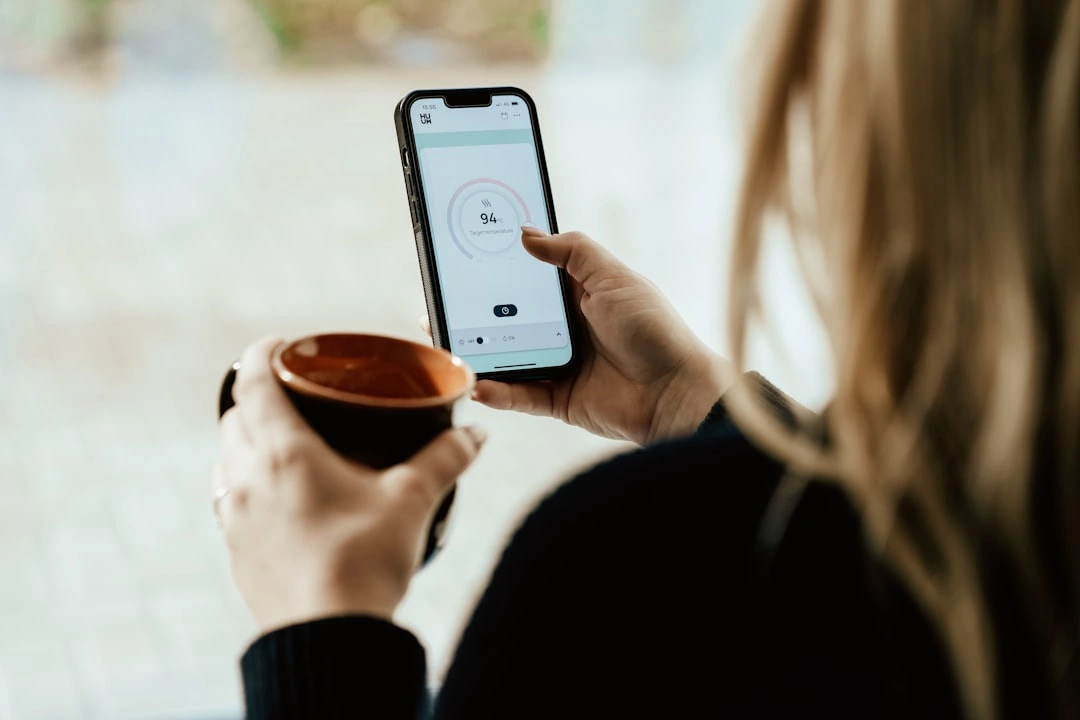
- Smart Controls: Wi-Fi adapters allow smartphone app management, voice control via smart assistants, and scheduled setbacks.
Sizing and Calculating Capacity for a Mini Split AC
Selecting the right BTU (British Thermal Unit) capacity ensures your system removes humidity effectively without short-cycling or running continuously.
| Cooling Area (Sq. Ft.) | Base Capacity Needed (BTU) | Typical Ton Equivalent |
|---|---|---|
| 150 to 350 sq. ft. | 9,000 BTU | 0.75 Ton |
| 350 to 500 sq. ft. | 12,000 BTU | 1.0 Ton |
| 500 to 750 sq. ft. | 18,000 BTU | 1.5 Ton |
| 750 to 1,050 sq. ft. | 24,000 BTU | 2.0 Ton |
| 1,050 to 1,500 sq. ft. | 36,000 BTU | 3.0 Ton |
Adjust baseline sizing requirements using these thermal load guidelines:
- Direct Sunlight / Top Floor Attics: Add 10% to 20% total cooling load.
- Kitchens: Add 4,000 BTU to offset cooking heat appliances.
- Rooms Below Conditioned Spaces: Multiply baseline BTU by 0.7 due to reduced ceiling heat transfer.
For larger spaces like open-concept family rooms or residential workshop additions, reading our Best 24000 BTU Mini Split guide details how higher-capacity inverter heads match peak summer heat loads.
Electrical Requirements and Energy Efficiency Standards
Ductless systems rely on dedicated electrical supply lines:
- 115V Systems: Typically used for smaller single-zone 9,000 BTU or 12,000 BTU units, drawing 14 to 15 amps.
- 208/230V Systems: Required for larger single-zone units (18,000 BTU and above) and multi-zone outdoor compressors.
To avoid dangerous voltage drops, electrical panels must supply appropriate circuit breaker capacity, Minimum Circuit Ampacity (MCA), and correct wire gauges (often 12-gauge copper wire for standard 15A/20A circuits). Upgrading to higher efficiency rating standards helps lower overall home operational expense, as highlighted in our Most Efficient AC Guide 2025.
DIY Installation vs. Professional HVAC Installation
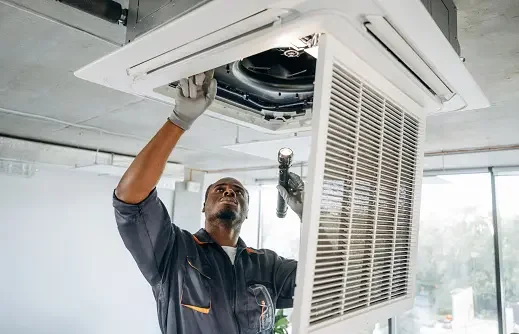
DIY mini split kits appeal to handy homeowners because they include pre-charged refrigerant line sets and quick-connect fittings. However, self-installing complex heating and cooling equipment introduces distinct risks:
- Refrigerant Line Handling: Standard line sets require precision flare cuts, nitrogen pressure testing, and pulling deep vacuum vacuums with specialized pumps to strip air and moisture out of copper tubing. Trapped moisture reacts with compressor oils to form destructive acids.
- Electrical Safety: Connecting dedicated 230V breakers, outdoor electrical service disconnect boxes, and high-voltage whip connections requires working safely around live panels.
- Warranty Protection: Many major HVAC manufacturers explicitly state in their warranty terms that self-installation without a licensed contractor sign-off voids parts and compressor coverage.
Upfront Costs, Maintenance, and System Lifespan
An installed single-zone mini split system typically starts around $2,500. Multi-zone installations across larger homes generally range between $5,000 and $15,000+, depending on zone counts, electrical panel upgrades, line set lengths, and site accessibility.
With proper yearly care, high-efficiency ductless systems deliver a service life of 10 to 20 years. Routine maintenance steps include:
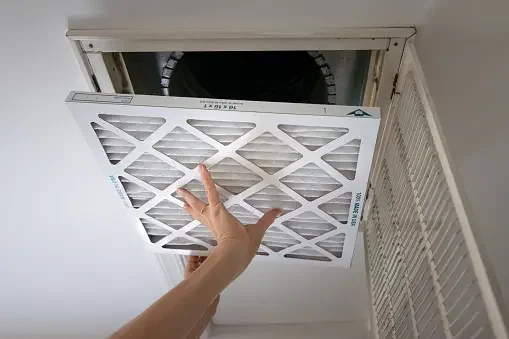
- Monthly Filter Washing: Slide mesh screens out of indoor head units, wash them under lukewarm water, dry them completely, and reinstall them to maintain unrestricted airflow.
- Outdoor Coil Rinsing: Gently spray outdoor condenser coils clean of cottonwood seeds, dirt, and lawn debris every spring.
- Drain Line Flushes: Keep condensate drain lines clear to prevent indoor water leaks.
You can learn more about balancing initial equipment costs against monthly energy bills in our comprehensive Energy Efficient Home AC Guide.
Frequently Asked Questions About Mini Splits
Can a ductless mini split heat effectively in below freezing climates?
Yes. Modern hyper-heating cold-climate mini splits maintain reliable performance at outdoor ambient temperatures dropping down to -13 degrees F or lower. Variable-speed inverter compressors speed up in sub-zero weather to gather residual thermal energy from outdoor air and move it indoors.
How often do ductless air filters need to be cleaned?
Wash indoor air filters once a month during heavy cooling or heating seasons. If you have indoor pets or live in a dusty area, check and rinse filters every two to three weeks to prevent static pressure buildup and reduced cooling output.
Will installing a mini split without a technician void the warranty?
For most standard HVAC equipment brands, yes. Manufacturers typically require installation by a licensed HVAC technician to preserve warranty protection. Some direct-to-consumer DIY lines permit self-installation, but uncertified electrical connections or refrigerant line kinks can still void parts coverage.
Conclusion
Investing in a mini split ac brings room-by-room temperature control, low operating sound levels, and significant energy efficiency gains by eliminating duct losses. Whether you need single-zone spot cooling for a bonus room in South Hills or multi-zone heat pump coverage across an older home in Pittsburgh or Washington, PA, choosing the right system configuration guarantees year-round comfort.
At Smart Climate Solutions, our certified HVAC technicians bring over 20 years of hands-on expertise across Western Pennsylvania and Eastern Ohio. We handle sizing calculations, electrical connections, precision line set flaring, and vacuum testing so your equipment runs safely for decades.
Ready to explore ductless options for your home? Contact our local team today to learn about our professional HVAC Installation Services and schedule your personalized home comfort estimate.

.png)
