

What You Need to Know About AC and Heat Mini Splits
An ac and heat mini split is a ductless heating and cooling system that uses an outdoor compressor unit connected to one or more indoor air handlers. Unlike traditional HVAC systems, mini splits don't require ductwork, making them ideal for room additions, older homes, or any space where installing ducts isn't practical.
Quick Answer: Key Facts About Mini Split Systems
- What it is: A ductless heating and cooling system with separate indoor and outdoor units
- How it works: Transfers heat using refrigerant lines instead of air ducts
- Energy savings: Avoids the 30%+ energy loss common in ducted systems
- Cost range: $1,200 to $17,000 for a complete system (average $7,500)
- Lifespan: 10-15 years with proper maintenance
- Best for: Room additions, homes without ductwork, targeted climate control
Mini splits solve a common problem many Pittsburgh homeowners face: how to heat and cool specific areas efficiently without the expense and disruption of installing ductwork. They're particularly popular for finished basements, converted garages, and older homes where traditional HVAC systems struggle.
Why consider a mini split? Because they offer precise temperature control for individual rooms, use significantly less energy than central air systems with leaky ducts, and provide both heating and cooling year-round. They're whisper-quiet, improve indoor air quality, and can be installed in just one day.
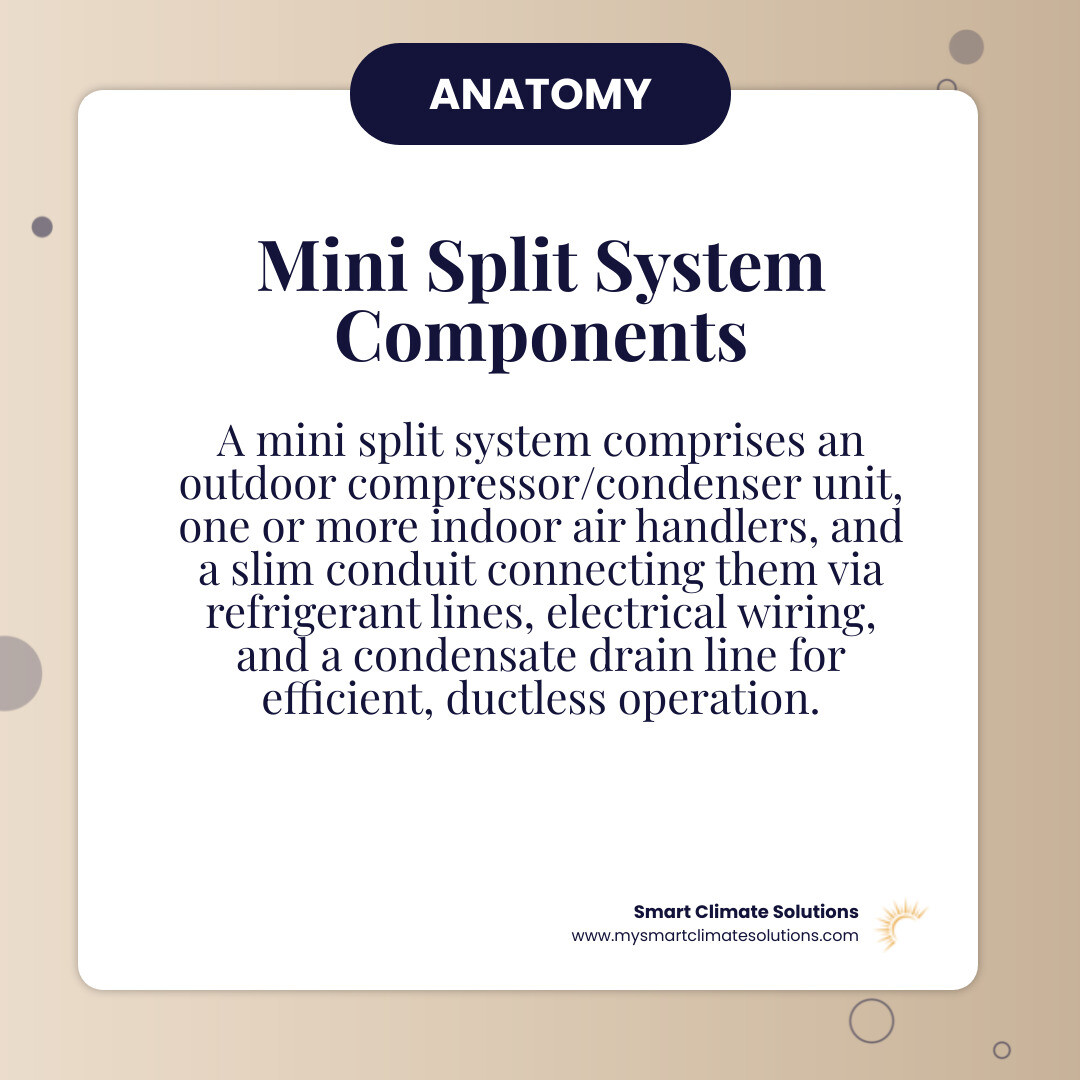
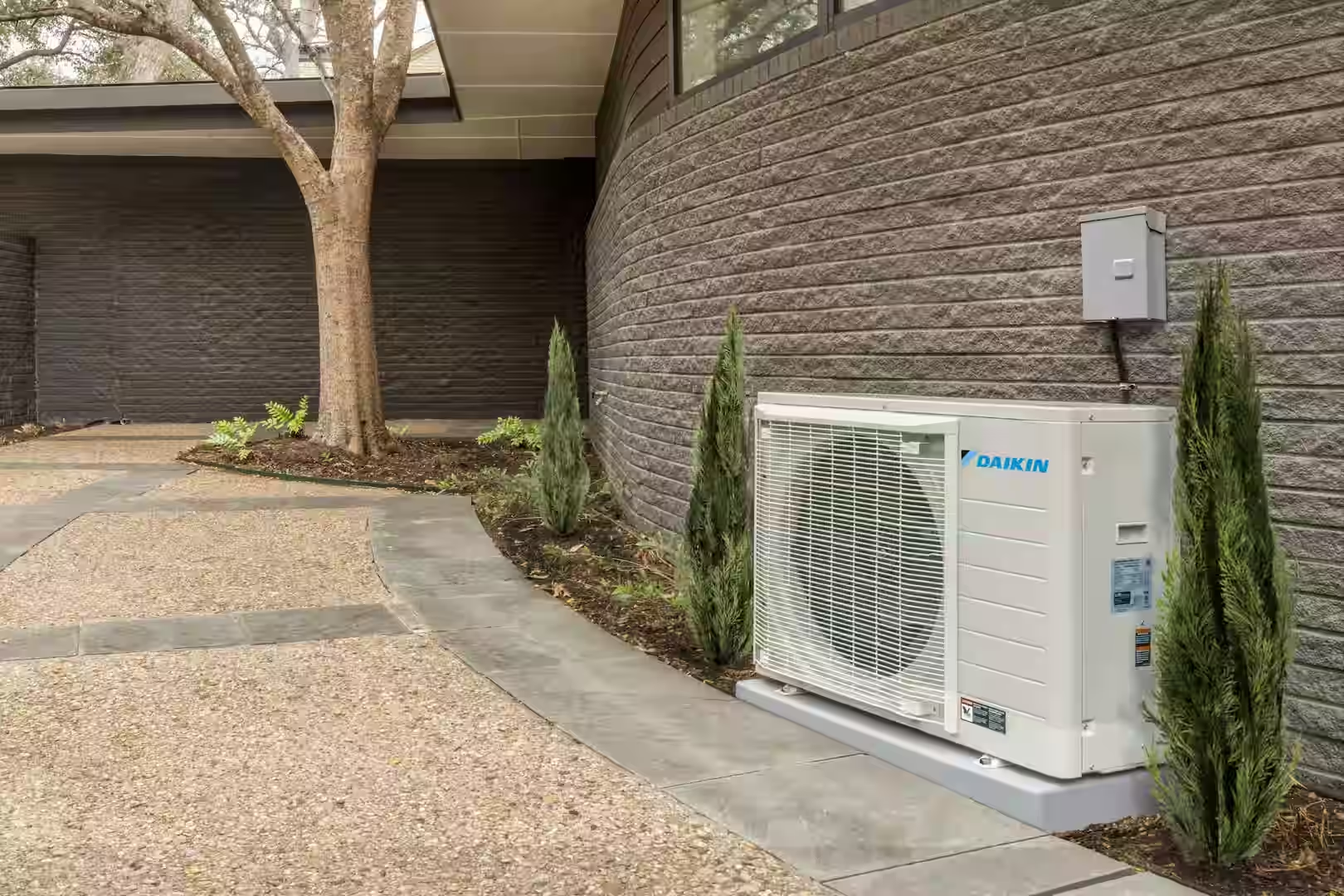
The technology behind these systems is surprisingly simple. An outdoor unit houses the compressor and condenser, while one or more indoor units mounted on walls or ceilings deliver conditioned air directly to your living space. A small three-inch hole through your wall connects them with refrigerant lines and electrical wiring.
I'm Bill Scott, general manager of Smart Climate Solutions, and I've spent over 20 years helping Pittsburgh-area homeowners find the right heating and cooling solutions, including countless ac and heat mini split installations that have transformed uncomfortable spaces into comfortable living areas. Let me walk you through everything you need to know to decide if a mini split system is right for your home.
How Mini Splits Deliver Efficient Heating and Cooling
At its heart, an ac and heat mini split system functions as a heat pump, capable of both heating and cooling your home. This dual functionality is what makes them such a versatile and energy-efficient solution, especially for our varied climate in Pittsburgh, South Hills, Burgettstown, Washington, Steubenville, St. Clairsville, and Weirton.
How does a mini-split system work?The magic lies in the refrigerant cycle. In cooling mode, the indoor unit absorbs heat and humidity from your home's air. This heat is transferred to the refrigerant, which then flows through copper lines to the outdoor unit. The outdoor unit releases this heat into the outside air, and the now-cool refrigerant cycles back indoors. This is the same basic principle as a central air conditioning system, but without the ductwork.
For heating, the process reverses. The outdoor unit extracts heat from the outside air, even when temperatures are quite low. This heat is then transferred to the refrigerant and carried indoors, where the indoor unit releases it into your living space. This heat pump technology allows mini splits to provide efficient heating even in cold climates, making them a fantastic year-round solution.
One of the most significant advantages of modern mini splits is the integration of inverter technology. Instead of constantly cycling on and off like older HVAC systems, inverter compressors can adjust their speed to match the precise heating or cooling demand. This means they run more consistently at lower speeds, leading to quieter operation, more stable temperatures, and significantly improved energy efficiency. This continuous operation avoids the energy spikes associated with traditional systems that constantly start and stop.
When we compare mini splits to central air systems, the absence of ducts is a game-changer. Duct losses can account for more than 30% of energy consumption for space conditioning, especially if the ducts are in an unconditioned space such as an attic or basement. Since mini splits have little-to-no ducts, they completely avoid these energy losses, making them inherently more efficient. This is a key reason why many homeowners are exploring ductless options for their homes. For a deeper dive into the technology, you can refer to An overview of Ductless Mini-Split Air Conditioners. Our blog also covers the topic of an energy efficient ductless heating and cooling system.
The Main Components of a Mini Split
Understanding the main components helps explain how these systems work:
- Outdoor compressor/condenser unit: This unit sits outside your home and contains the compressor, condenser coil, and fan. It's responsible for either releasing heat (cooling mode) or absorbing heat (heating mode) from the outdoor air.
- Indoor air-handling unit(s) (evaporator): These units are mounted inside your home and contain the evaporator coil and a fan. They are responsible for distributing conditioned air directly into your living space. You can have one or multiple indoor units connected to a single outdoor unit.
- Conduit: This is the protective casing that houses the connections between the indoor and outdoor units. It typically requires only a small three-inch hole through a wall for installation, minimizing disruption.
- Refrigerant lines: These copper tubes carry the refrigerant back and forth between the indoor and outdoor units, facilitating the heat transfer process.
- Power cable: Supplies electricity to both the indoor and outdoor units.
- Condensate drain line: Carries away the moisture (condensate) that is removed from the air during the cooling process, preventing water leaks.
Key Benefits: Why Choose a Ductless System?
Choosing an ac and heat mini split system offers a multitude of benefits that often outweigh traditional HVAC options, especially in certain scenarios. Let's look at the pros and cons:
Pros of a Mini Split System:
- Exceptional Energy Efficiency: As mentioned, mini splits avoid the significant energy losses associated with ductwork. This means more of the energy consumed goes directly into heating or cooling your space, leading to lower utility bills. Many models boast high SEER2 and HSPF2 ratings.
- Zoned Temperature Control: This is perhaps one of the biggest advantages. With multiple indoor units, you can set different temperatures for different rooms or areas of your home. Want your bedroom cooler than your living room? No problem. This personalized comfort also contributes to energy savings, as you only condition the spaces you're using.
- Improved indoor air quality: Each indoor unit includes its own filter, which helps to trap dust, allergens, and other particles. This means cleaner air circulating directly in the room, without the potential for dust and contaminants to build up in extensive ductwork. This is a significant plus for allergy sufferers in areas like Pittsburgh.
- Whisper-Quiet Operation: Mini splits are designed to operate very quietly. The loudest component, the compressor, is located outside, and the indoor units typically run at noise levels comparable to a quiet refrigerator. This is a huge improvement over noisy window units.
- Flexible Installation: The absence of ductwork means mini splits can be installed in almost any space, making them perfect for older homes in Pittsburgh or Steubenville that lack existing ductwork, new room additions, garages, or converted attics. The small conduit hole required is far less invasive than installing extensive ductwork.
- Year-Round Comfort: Most mini splits are heat pumps, providing efficient heating in winter and powerful cooling in summer. This makes them a true year-round comfort solution.
- Long-Term Cost Savings: While the initial investment might be higher than a window unit, the energy efficiency and zoned control often lead to significant long-term savings on your energy bills. This makes them one of the most efficient way to heat and cool a home.
Cons of a Mini Split System:
- Initial Investment: The upfront cost for a complete mini split system can be higher than traditional window units or portable ACs. However, the long-term energy savings often offset this.
- Aesthetics: Indoor units are visible on walls or ceilings. While modern designs are sleek, some homeowners might prefer a completely hidden system.
- Capacity Limitations: For very large, open-concept spaces, a single indoor unit might not be sufficient. However, multi-zone systems can often cover larger areas effectively.
Choosing the Right AC and Heat Mini Split System
Selecting the ideal ac and heat mini split system for your home involves considering several factors, from the layout of your space to desired efficiency levels. Our team at Smart Climate Solutions can guide you through this process to ensure you get the perfect fit for your Pittsburgh-area home.
When making your choice, we look at factors like the size of the area you want to condition, whether you need single-room or whole-home comfort, and the importance of energy efficiency. Our goal is to provide you with the best energy efficient hvac guide custom to your unique needs.
Single-Zone vs. Multi-Zone Systems
One of the first decisions you'll make is between a single-zone and a multi-zone system.
| Feature | Single-Zone System | Multi-Zone System |
|---|---|---|
| Indoor Units | One | Two to five (or more, depending on brand) |
| Outdoor Units | One | One |
| Control | One thermostat controls the single indoor unit | Each indoor unit has independent temperature control |
| Ideal for | Single rooms, room additions, garages, sunrooms, small apartments | Multiple rooms, whole home ductless hvac solutions, zoned comfort for larger homes |
| Installation | Simpler, less complex | More complex, careful planning for indoor unit placement |
| Cost | Generally lower initial cost | Higher initial cost due to multiple indoor units and increased complexity |
- Single-Zone Systems: These are perfect if you need to heat and cool a specific area, like a new room addition, a converted garage in Burgettstown, or a sunroom in South Hills. They connect one outdoor unit to one indoor unit, providing dedicated comfort to that single space.
- Multi-Zone Systems: If you want to control the temperature in several different rooms independently, a multi-zone system is the way to go. A single outdoor unit can power multiple indoor units (often up to five, sometimes more), each with its own thermostat. This allows for truly independent temperature settings throughout your home, providing personalized comfort and maximizing energy savings by only conditioning occupied areas.
How to Choose the Right Size (BTU Capacity)
Choosing the correct size, measured in British Thermal Units (BTUs), is critical for the performance and efficiency of your ac and heat mini split. An undersized unit will struggle to heat or cool your space, running constantly and inefficiently. An oversized unit will short-cycle, turning on and off too frequently, leading to uneven temperatures, higher energy bills, and premature wear.
What is BTU? BTU (British Thermal Unit) is a measure of thermal energy. In HVAC, it quantifies the amount of heat a system can add or remove from a space per hour.
Factors affecting sizing:
- Room size: The most obvious factor, typically measured in square footage.
- Ceiling height: Taller ceilings mean more air volume to condition.
- Insulation: Well-insulated homes require fewer BTUs than poorly insulated ones.
- Windows and sun exposure: Large windows, especially those facing south or west, can significantly increase heat gain in summer and heat loss in winter.
- Local climate: Our Pittsburgh-area climate with cold winters and humid summers requires systems robust enough for both extremes.
- Number of occupants: More people generate more body heat.
- Heat-generating appliances: Kitchens, laundry rooms, and home offices with computers can add to the heat load.
We use industry-standard calculations to accurately determine the BTU capacity needed for your specific space, ensuring optimal comfort and efficiency for your home in Washington, PA, or Weirton, WV.
Understanding Efficiency Ratings: SEER, EER, and HSPF
When investing in an ac and heat mini split, understanding efficiency ratings is crucial. These metrics tell you how much energy the system consumes relative to the heating or cooling it provides. Higher numbers generally mean greater efficiency and lower operating costs.
- SEER (Seasonal Energy Efficiency Ratio): This rating measures the cooling efficiency of an air conditioner or heat pump over an entire cooling season. A higher SEER rating indicates a more energy-efficient unit. For example, high efficiency ductless systems can provide SEER2 ratings of up to 28.5 during cooling. The Extreme Series offers advanced performance with an industry-leading efficiency rating of 27 SEER2 in cooling operation.
- EER (Energy Efficiency Ratio): Similar to SEER, but EER measures cooling efficiency at a single, specific outdoor temperature (typically 95 degrees Fahrenheit). It's a good indicator of how well a unit performs under peak load conditions.
- HSPF (Heating Seasonal Performance Factor): This rating measures the heating efficiency of a heat pump over an entire heating season. Just like SEER, a higher HSPF rating means the unit is more energy-efficient in heating mode. Some systems offer up to 18 HSPF2 for heating, with the Extreme Series providing 11 HSPF2.
Why are these important? Higher SEER, EER, and HSPF ratings mean your system will use less electricity to achieve the same level of comfort, translating directly into lower monthly energy bills. Looking for systems with the ENERGY STAR designation is a great way to ensure high efficiency. For more information, check out our energy star heating cooling systems guide.
Installation, Maintenance, and Lifespan
Once you've chosen the right ac and heat mini split system, proper installation and consistent maintenance are key to ensuring its long life and efficient operation.
The typical lifespan of a mini split system is between 10 to 15 years, but with diligent care and professional servicing, many systems can last even longer. Our 20 years of experience in the Pittsburgh area has shown us that proper installation and maintenance make all the difference. For all your HVAC needs, including mini split installation, our hvac installation services are readily available.
The Mini Split Installation Process
While the installation of an ac and heat mini split is less invasive than traditional ducted systems, it's still a complex job best left to certified professionals. Here's what's involved:
- Site Assessment: Our technicians will evaluate your space to determine the best locations for both the indoor and outdoor units, considering airflow, drainage, aesthetics, and accessibility.
- Outdoor Unit Placement: The outdoor unit needs a stable, level surface with adequate clearance for airflow. We ensure it's placed in a location that minimizes noise disruption and is easily accessible for maintenance.
- Indoor Unit Mounting: The indoor unit(s) are securely mounted on a wall, ceiling, or floor, depending on the chosen style.
- Drilling the Conduit Hole: A small, typically three-inch, hole is carefully drilled through the exterior wall to connect the indoor and outdoor units.
- Connecting Lines: The refrigerant lines, power cable, and condensate drain line are run through the conduit, carefully connected, and sealed.
- System Testing: Once everything is connected, the system is evacuated (to remove air and moisture from the lines) and then charged with refrigerant. Finally, we thoroughly test the system to ensure it's operating correctly and efficiently.
Why professional installation is crucial:Professional installation by a section 608 certified technician ensures your system is installed safely, correctly, and according to manufacturer specifications. This is vital for optimal performance, energy efficiency, and to maintain your warranty. Attempting a DIY installation can lead to refrigerant leaks, electrical hazards, inefficient operation, and voided warranties.
Essential Maintenance for Your AC and Heat Mini Split
Regular maintenance is key to extending the life of your ac and heat mini split and keeping it running efficiently.
- Cleaning Air Filters: The indoor units have filters that should be cleaned or replaced every one to three months, depending on usage and air quality. This is the easiest and most important maintenance task you can do yourself.
- Cleaning Coils: The indoor evaporator coils and outdoor condenser coils can accumulate dirt and debris, reducing efficiency. These should be professionally cleaned annually.
- Checking Drain Lines: Ensure the condensate drain line is clear of obstructions to prevent water leaks.
- Outdoor Unit Inspection: Keep the area around the outdoor unit clear of leaves, grass clippings, snow, and other debris to ensure proper airflow.
We recommend an annual professional tune-up for your ac and heat mini split system. Our expert technicians in the Pittsburgh area can perform comprehensive checks, cleanings, and adjustments to ensure your system is operating at peak performance. For more details on what's involved, check out our ac maintenance guide. Many homeowners find that are hvac maintenance plans worth it? Absolutely, they provide peace of mind and often include priority service and discounts.
Cost of a Mini Split System
The cost of an ac and heat mini split system can vary widely, but it's an investment that often pays off in energy savings and comfort. The average mini split heat pump cost for a complete system is $7,500, but a homeowner can expect to pay between $1,200 to $17,000.
Factors influencing the price:
- System Size (BTU Capacity): Larger capacity units cost more.
- Number of Zones: Multi-zone systems with multiple indoor units will naturally be more expensive than single-zone systems.
- Efficiency Rating (SEER/HSPF): Higher efficiency units often have a higher upfront cost but offer greater long-term energy savings.
- Indoor Unit Style: Wall-mounted units are typically the most affordable, while ceiling cassettes or slim-ducted units can be more expensive.
- Installation Complexity: Factors like the distance between indoor and outdoor units, the need for electrical upgrades, or difficult access can affect installation costs.
- Brand and Features: Premium brands or units with advanced features like Wi-Fi control, improved filtration, or extreme low-temperature heating capabilities may cost more.
Are there any rebates or incentives available for mini-split systems?Yes, depending on your location and the efficiency of the system, you may be eligible for local utility rebates, state incentives, or federal tax credits. These programs are designed to encourage the adoption of energy-efficient technologies. Our team at Smart Climate Solutions can help you identify any available programs in the Pittsburgh, South Hills, Burgettstown, Washington, Steubenville, St. Clairsville, and Weirton areas that could reduce your overall investment.
Common Mini Split Problems and Solutions
Even the most reliable ac and heat mini split systems can encounter issues. Knowing what to look for can help you troubleshoot minor problems or know when it's time to call our expert technicians.
- Weak Airflow: Often caused by dirty air filters. Regularly cleaning or replacing filters can resolve this. If filters are clean, it could indicate a fan motor issue or a blockage in the indoor unit.
- Water Leaks: If you notice water dripping from your indoor unit, it's usually a sign of a clogged condensate drain line. Algae or debris can block the line, causing water to back up. This typically requires professional cleaning.
- Ice Buildup: Ice on the indoor coil or outdoor unit can indicate a serious problem, such as low refrigerant levels (a leak), a dirty coil, or restricted airflow. If you see ice, turn off the unit immediately and call for service to prevent further damage. If your ac not cooling and you see ice, it's definitely time to call us.
- Strange Noises: While mini splits are known for quiet operation, unusual noises like grinding, rattling, or hissing can signal a problem with the fan motor, loose parts, or even a refrigerant leak.
- System Not Turning On: Check the power supply, circuit breaker, and thermostat settings. If these are fine, there might be an electrical issue or a problem with the control board.
When to call a professional:For any issue beyond a simple filter cleaning, we always recommend calling a professional HVAC technician. Refrigerant leaks, electrical problems, or complex mechanical failures require specialized tools and expertise to diagnose and repair safely. Our certified technicians are ready for any hvac repair pittsburgh and surrounding areas.
Frequently Asked Questions about Mini Split Systems
We often get a lot of great questions about ac and heat mini split systems. Here are some of the most common ones we hear from homeowners in our service areas.
Can a mini split heat and cool an entire house?
Yes, with a properly sized multi-zone system, you can achieve whole-home comfort. A whole home ductless hvac system is designed for this purpose, offering individual temperature control for different areas of your house. This is a popular solution for homes without existing ductwork or for those seeking highly customizable comfort zones.
How do mini splits compare to window units?
Mini splits are significantly more energy-efficient, quieter, and more secure than window AC units. They also provide heating, making them a year-round solution, unlike most window units which only cool. Window units are often noisy, block part of a window, and can be a security concern. Mini splits, with their permanent installation and quiet operation, offer a far superior comfort experience and often lead to lower energy bills.
How long does a mini split system typically last?
With proper installation and regular maintenance, a quality mini split system can last between 10 to 15 years, and sometimes longer. Factors like climate, usage, and the quality of the initial installation all play a role. Following a preventive maintenance schedule for air conditioner is key to maximizing its lifespan and ensuring it operates efficiently throughout its service life.
Is a Mini Split Right for Your Pittsburgh Home?
An ac and heat mini split system offers a powerful, flexible, and energy-efficient solution for many homeowners in Pittsburgh, South Hills, Burgettstown, Washington, Steubenville, St. Clairsville, and Weirton.
- They are ideal for Pittsburgh's varied climate, providing robust heating during our cold winters and efficient cooling during humid summers.
- They are a perfect solution for older homes in our region that often lack the space or infrastructure for traditional ductwork.
- Mini splits excel in providing comfort for room additions, converted basements, or garages, allowing you to easily extend your living space without a major HVAC overhaul.
At Smart Climate Solutions, we pride ourselves on fast, reliable service with certified technicians. We offer 24/7 emergency support and have over 20 years of experience ensuring customer comfort and satisfaction. If you're considering an ac and heat mini split for your home, we're here to help you steer the options and provide expert installation and service.
Ready to explore the comfort and efficiency an ac and heat mini split can bring to your home? Contact us for expert HVAC services today to schedule a consultation.

.png)
