
Why Heating and Cooling Efficiency Matters for Your Home and Wallet
The most efficient way to heat and cool a home combines a well-sealed building envelope, a high-efficiency HVAC system, and smart controls with regular maintenance. This approach can cut energy bills by 30-50% while improving comfort.
Quick Answer: Top Efficiency Strategies
- Seal air leaks in your attic, basement, and around windows (saves up to 15% on heating bills)
- Upgrade insulation to prevent heat loss through your roof and walls
- Install a heat pump system - reduces electricity use for heating by up to 75% compared to electric resistance heating
- Seal and insulate ductwork - recovers 20-30% of lost conditioned air
- Use a smart thermostat - saves approximately $100 per year
- Schedule annual HVAC maintenance - prevents 30% efficiency loss from neglect
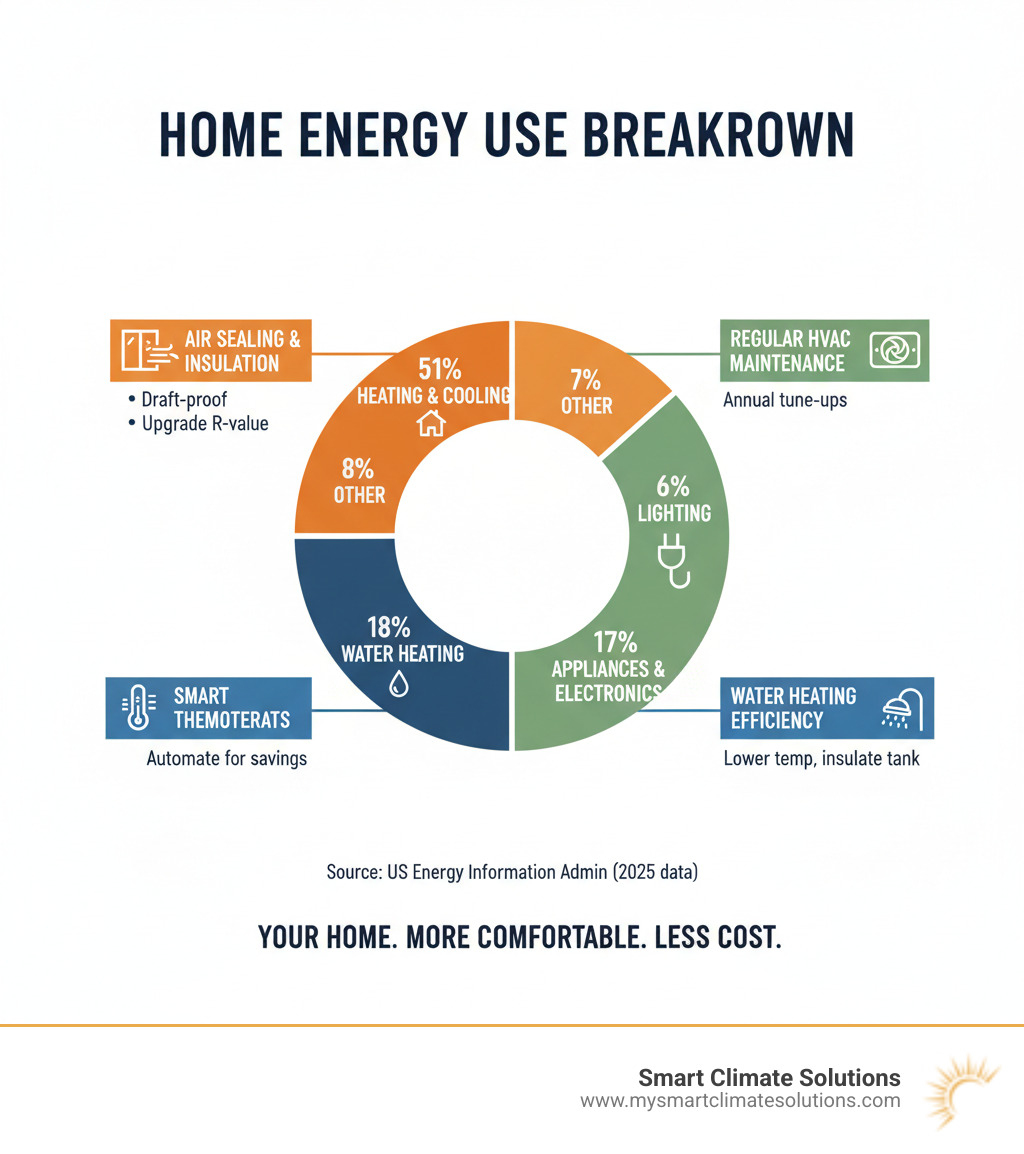
Here's why this matters: Heating and cooling account for about 51% of your home's total energy bill. For busy Pittsburgh-area homeowners, this means hundreds or thousands of dollars spent every year just to stay comfortable.
Many homeowners focus only on their furnace or AC when bills spike, but that's putting the cart before the horse. Your home's envelope - the barrier between inside and out - is your first line of defense. If your home leaks air, you're paying to heat or cool the outdoors, no matter how new your HVAC system is.
I'm Bill Scott, general manager of Smart Climate Solutions. With over 15 years serving Pittsburgh and Southwestern PA, I've learned that true efficiency requires a complete picture, not just the equipment. Let me walk you through the proven strategies that will boost comfort and dramatically cut your utility bills.
Most efficient way to heat and cool a home terms you need:
Start with Your Home's Foundation: Sealing and Insulation
Before upgrading your HVAC equipment, you must address your home's envelope. Think of your home as a thermos - if it has cracks, it won't keep the contents hot or cold. Air leaks and poor insulation are silent energy thieves, forcing your system to work harder 24/7. Even the best equipment is wasted if you're paying to heat or cool the outdoors. That's why tackling the envelope is the first step to finding the most efficient way to heat and cool a home.
ENERGY STAR emphasizes that a well-sealed and insulated home is the foundation of energy efficiency. This practical advice translates directly to lower utility bills. We've helped countless homeowners in Pittsburgh, South Hills, and Weirton slash their energy bills by focusing on their home's envelope first. For more ways to maximize performance, check out our energy saving HVAC tips.

Stop Drafts with Professional Air Sealing
Cold drafts near windows or outlets are symptoms of a bigger problem called the "stack effect." Warm air rises and escapes through leaks in your attic, creating a vacuum that pulls cold outside air into your basement and lower levels. It's like leaving a window open all winter, forcing your heating system to run constantly.
The good news is that sealing these leaks is highly cost-effective. Air sealing can save you up to 15% on your monthly heating bills, according to ENERGY STAR. While you can use weatherstripping and caulk on visible gaps, the biggest leaks are often hidden in attics and basements. Our technicians serving Burgettstown, St. Clairsville, and the Pittsburgh area are trained to find and seal these hidden leaks, keeping conditioned air inside your home.
Upgrade Your Insulation
Once your home is sealed, insulation is your next line of defense. It acts as a thermal blanket, slowing heat transfer to keep your home warm in winter and cool in summer. A poorly insulated roof can be responsible for about a quarter of your home's heat loss in winter.
The effectiveness of insulation is measured by its R-value - the higher the number, the better. Many older homes in Pittsburgh and Steubenville have insufficient or settled insulation. Upgrading insulation in your attic, walls, and crawl spaces will reduce how hard your HVAC system works, leading to more consistent temperatures and lower energy bills. This is an essential step in achieving the most efficient way to heat and cool a home.
Don't Forget Your Ducts
Your ductwork is your home's circulatory system for conditioned air. Unfortunately, the average duct system loses 20 to 30% of the air moving through it due to leaks and poor connections. This means nearly a third of the air you pay to heat or cool escapes into your attic, basement, or crawl space.
Leaky ducts are not just wasteful; they can also pull dust and allergens into your home, harming indoor air quality. Sealing and insulating ducts can improve your heating and cooling efficiency by 20% or more. By ensuring your ducts are properly sealed, especially in unconditioned spaces, you'll get better airflow, more even temperatures, and lower energy bills. It's a simple fix that delivers big results.
The Heart of Efficiency: Choosing the Right HVAC System
Once you've sealed air leaks and upgraded insulation, you've created the perfect foundation for a high-efficiency HVAC system to deliver on its promise of comfort and savings. Choosing the right system is a long-term investment, as modern equipment can last 15-20 years and dramatically cut your energy bills. Whether you're in the South Hills, Burgettstown, or Washington, PA, we can help you steer your options. Check out our residential HVAC solutions to see what might work for your home.
Heat Pumps: The All-in-One Efficiency Champion
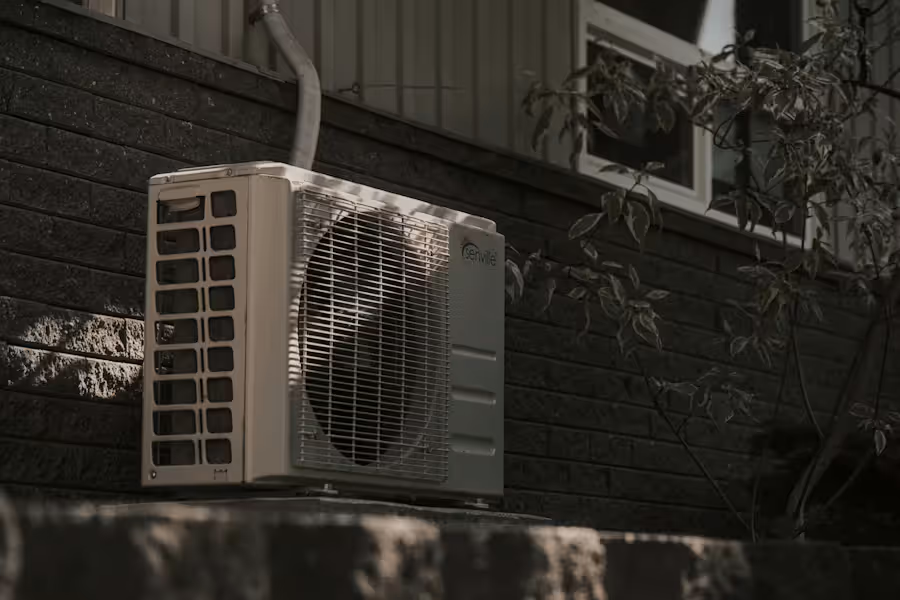
When discussing the most efficient way to heat and cool a home, heat pumps are a top contender. Instead of burning fuel to create heat, they transfer it. In winter, they pull heat from the outdoor air and move it inside. In summer, they reverse the process, moving heat from inside your home to the outdoors.
This process is incredibly efficient. A properly installed heat pump delivers one and a half to three times more heat energy than the electrical energy it consumes. In fact, high-efficiency heat pumps can reduce electricity use for heating by up to 75% compared to electric resistance heating.
Let's look at your options:
Air-source heat pumps are the most common type, providing heating and cooling in a single system. Modern cold-climate models work efficiently even when Pittsburgh temperatures drop below freezing. When shopping, look for high SEER2 (cooling) and HSPF2 (heating) ratings. Systems with an ENERGY STAR Cold Climate label are specifically designed for our winters. Learn more in our guide to energy efficient air conditioning systems.
Geothermal heat pumps are even more efficient, using the stable temperature of the earth to heat and cool. According to ENERGY STAR, they use 61% less energy than standard models. While the upfront cost is higher, the underground loop can last 50 years or more, offering exceptional long-term savings.
Ductless mini-splits are a type of air-source heat pump perfect for homes without ductwork or for zoning specific areas. The ENERGY STAR platform notes they can cut heating bills by 60% when replacing electric heat. They are ideal for older homes in Steubenville or St. Clairsville where adding ducts is impractical.
High-Efficiency Furnaces and Boilers: Reliable and Powerful Heating
High-efficiency furnaces and boilers are also excellent choices, especially for those who prefer natural gas or for supplemental heat on the coldest days. Unlike older furnaces that waste heat through the chimney, modern high-efficiency furnaces use condensing technology to capture extra heat, boosting their AFUE (Annual Fuel Utilization Efficiency) rating to 90% or higher. Replacing an old 80% AFUE furnace with a 96% model can save you 16% on heating costs annually. Many also feature variable-speed motors for more consistent temperatures.
High-efficiency boilers offer similar gains for homes with hot water heating systems, providing comfortable, even heat quietly and reliably.
When paired with a high-efficiency central air conditioner, these systems provide excellent year-round comfort. The key is a professional installation, including a Manual J load calculation to ensure the equipment is perfectly sized for your home.
Here's how heat pumps and high-efficiency furnaces compare:
| Feature | Heat Pumps | High-Efficiency Furnaces |
|---|---|---|
| Upfront Cost | Higher (typically $10K-$12K for ducted systems, $4.5K-$7.5K for ductless) | Moderate to high (varies by size and efficiency) |
| Operating Cost | Lower (uses electricity to transfer heat, not create it) | Moderate (depends on natural gas or propane prices) |
| Climate Suitability | Excellent with modern cold-climate models; may need backup heat for extreme cold | Excellent for all climates, especially very cold regions |
| Fuel Source | Electricity only | Natural gas, propane, or oil |
The right choice depends on your home, budget, and goals. Our certified technicians in Pittsburgh, PA, can help you weigh the pros and cons.
Maximizing Your System's Performance: Smart Tech and Maintenance
You've sealed your home, upgraded insulation, and invested in high-efficiency equipment. That's excellent progress toward the most efficient way to heat and cool a home. But even the best equipment needs to be managed properly to deliver peak performance and savings.
Smart technology and regular maintenance are what transform good equipment into a system that saves you money year after year. A simple maintenance issue or an outdated thermostat can cost a family hundreds of dollars annually. The good news is these are easy problems to fix. Let's discuss how to protect your investment and keep your system running at maximum efficiency. For a comprehensive approach, explore our HVAC maintenance plans.
Smart Thermostats and Controls
Today's smart thermostats are personal energy managers that optimize comfort and minimize waste. Key features include:
- Programmable Settings & Learning Algorithms: They learn your routine and create custom schedules, automatically adjusting the temperature when you're away or heading home.
- Remote Access: Control your thermostat from your phone anywhere, anytime. This is perfect for unpredictable Pittsburgh weather or when you forget to adjust it before leaving.
- Energy Savings: An ENERGY STAR certified smart thermostat saves homeowners about $100 per year, with some saving 5% to 15% on heating costs.
For larger homes in areas like South Hills or Washington, PA, zoning capabilities take this further by letting you control different areas independently, directing comfort only where it's needed and reducing waste.
The Critical Role of Proper Installation and Maintenance
Improper installation can slash your system's efficiency by up to 30 percent. That means a new, high-efficiency unit could perform no better than an old one if installed incorrectly. This is why certified technicians are essential. We perform a Manual J load calculation for perfect sizing, check refrigerant charge, test airflow, and ensure every component meets manufacturer specifications.
Installation is just the beginning. Regular maintenance keeps that efficiency going. Your HVAC system has moving parts that need attention, and neglecting them is like never changing your car's oil - eventually, something expensive will break.
Annual tune-ups are essential: a spring check for your AC and a fall inspection for your heating system. Our technicians clean components, check connections, and catch small problems before they become major breakdowns. Learn more about our furnace tune-up services.
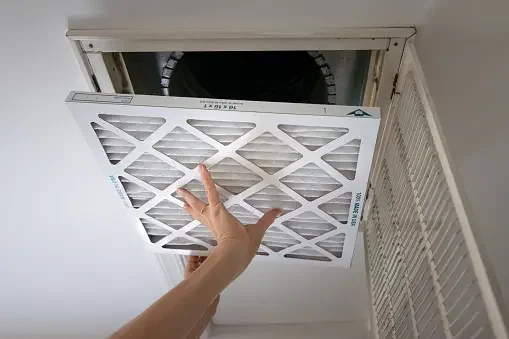
Filter changes are the simplest, most important task you can do. A dirty filter restricts airflow, forcing your system to work harder and consume more energy. Check your filter monthly during peak seasons; it takes two minutes and can save you hundreds in energy and repair costs. For cooling system care, see our AC maintenance tips.
The most efficient way to heat and cool a home depends on proper installation and maintenance. Partnering with experienced professionals ensures lower bills, fewer breakdowns, and a longer system lifespan.
Frequently Asked Questions about Home Heating and Cooling Efficiency
What is the single most effective way to lower my heating and cooling bills without replacing my system?
The most impactful first step is improving your home's envelope. Professional air sealing targets leaks in your attic, basement, and around windows, which can save up to 15% on your monthly heating bill. Next, ensure you have adequate insulation to act as a thermal blanket. Together, these improvements drastically reduce your HVAC system's workload and cut costs without replacing your equipment.
Are heat pumps effective in cold climates like Pittsburgh?
Absolutely. Modern cold-climate air-source heat pumps are engineered to work efficiently even when Pittsburgh temperatures drop well below freezing. They can reduce electricity use for heating by up to 75% compared to electric resistance heat. For the few coldest days of the year, they can be paired with a supplemental heat source, making them a smart primary heating system for our region.
How often should I have my HVAC system serviced?
Your heating and cooling system needs professional service once a year. We recommend a spring tune-up for your air conditioner and a fall tune-up for your heating system. This preventive care ensures your system runs safely and at peak efficiency. A neglected system can lose up to 30% of its efficiency, so annual service prevents breakdowns, extends equipment life, and keeps your energy bills low. Between professional visits, remember to check your air filter monthly. If you're ready to protect your system, explore our HVAC maintenance plans or schedule your furnace tune-up today.
Conclusion: Achieve Year-Round Comfort and Savings
We've covered a lot, but the takeaway is simple: the most efficient way to heat and cool a home is a complete strategy, not a single magic fix. The process involves three key steps:
- Seal and Insulate: Start with your home's envelope. Seal air leaks and add proper insulation to stop energy waste.
- Choose High-Efficiency Equipment: Select a modern heat pump, furnace, or boiler that is correctly sized for your home.
- Optimize and Maintain: Use a smart thermostat to automate savings and schedule annual maintenance to protect your investment.
When you put these pieces together, you can cut energy costs by 30-50%. You'll also increase your home's value, reduce your carbon footprint, and create a more comfortable living space for your family year-round.
I know this can feel overwhelming, and that's why we're here. For over 15 years, the certified technicians at Smart Climate Solutions have helped homeowners across Pittsburgh, South Hills, Burgettstown, and Weirton find their perfect comfort solution.
We'll assess your home's needs, recommend the right approach, and handle everything from installation to ongoing maintenance. We're available 24/7 for emergencies because your comfort can't wait. Explore our expert HVAC services today and let's work together to make your home more comfortable and efficient - starting right now.

.png)
