
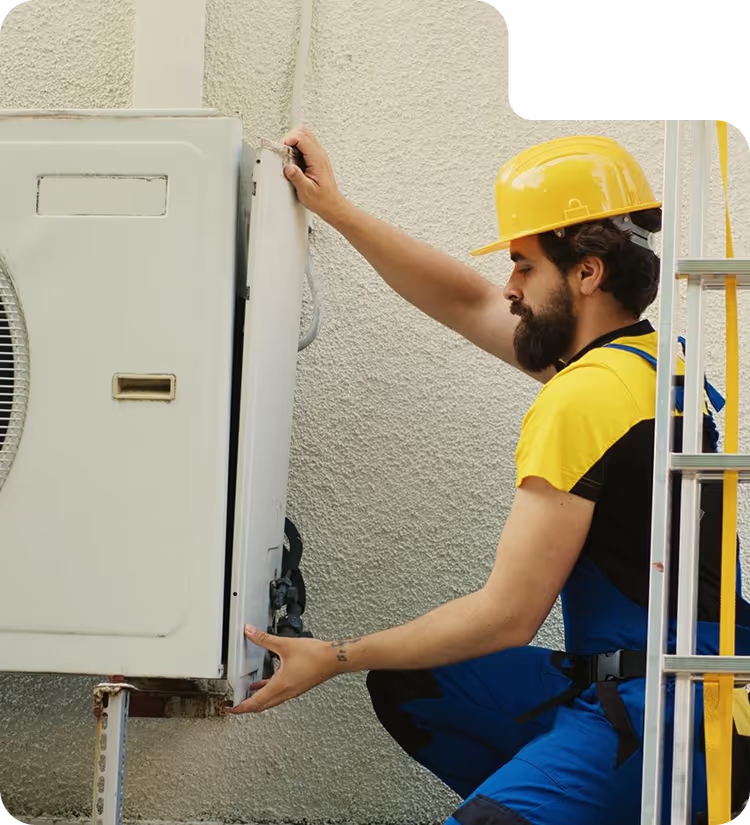
Why Electric Furnace Installation Quality Makes All the Difference
Proper electric furnace installation is more than a simple swap. It requires careful planning, precise electrical work, and correct system sizing to guarantee efficient heating for decades. Improper installation can waste up to 30% of your system's energy, leading to higher bills, a shorter equipment lifespan, and uneven heating. A common hidden issue is an undersized electrical panel that cannot handle the power demand.
Key Steps for a Successful Installation:
- Professional Load Calculation: A Manual J calculation determines the exact heating capacity your home needs.
- Electrical Panel Assessment: We verify your home can handle 40-100 amps on a dedicated 240V circuit.
- Ductwork Evaluation: We check for leaks that can waste up to 20% of your heat.
- Proper Placement: The unit is installed with adequate clearance for service access.
- Code Compliance: All work must meet National Electrical Code (NEC) and local Pittsburgh standards.
- Professional Testing: We verify airflow, temperature rise, and system calibration.
When done right, an electric furnace delivers nearly 100% heating efficiency, runs quietly, and lasts 20-30 years with minimal maintenance. There is no combustion risk, no carbon monoxide concerns, and no gas line required.
I'm Bill Scott, general manager at Smart Climate Solutions. With over two decades of experience overseeing thousands of electric furnace installations in Pittsburgh, I know what it takes to do the job right the first time.

Pre-Installation Planning: Setting Your Project Up for Success
The real work of an electric furnace installation begins long before we pick up a tool. This planning phase ensures your system runs efficiently and safely for the next 20-30 years. Skipping these steps can lead to higher bills, uncomfortable rooms, and premature furnace failure.
The most critical first step is a Manual J load calculation. This is not a guess based on square footage; it is a precise engineering formula. It accounts for your home's insulation, windows, ceiling height, and Pittsburgh's specific climate. An oversized furnace will short-cycle, causing hot and cold spots and wearing out components. An undersized unit will run constantly, struggling to keep up and driving up energy bills. A professional load calculation is non-negotiable, as it is the only way to ensure your furnace is perfectly sized for your home.
Your home's insulation and window quality are key factors. A drafty home needs more heating capacity than a well-sealed one. In Pittsburgh's climate, getting this right means the difference between comfort and a system that cannot keep up. Learn more about how we approach residential HVAC solutions for local homes.
Key Electrical Requirements for Electric Furnace Installation
Many homeowners are surprised by the electrical needs of an electric furnace. It requires a dedicated 240-volt circuit drawing 40 to 100 amps, similar to an electric range. A common hidden problem, especially in older Pittsburgh homes, is panel undersizing. Many older 100-amp service panels cannot handle the load of a new electric furnace on top of modern appliances.
If your panel is insufficient, an electrical panel upgrade may be necessary. This could involve upgrading your main service and installing new, heavier-gauge wiring. The U.S. Department of Energy offers a thorough overview of electrical load requirements. All electrical work must be done by a licensed electrician. This high-voltage job is not a DIY project; mistakes can lead to fires or equipment damage. We coordinate with certified electricians to ensure all work meets the National Electrical Code.
Evaluating Ductwork and Furnace Placement
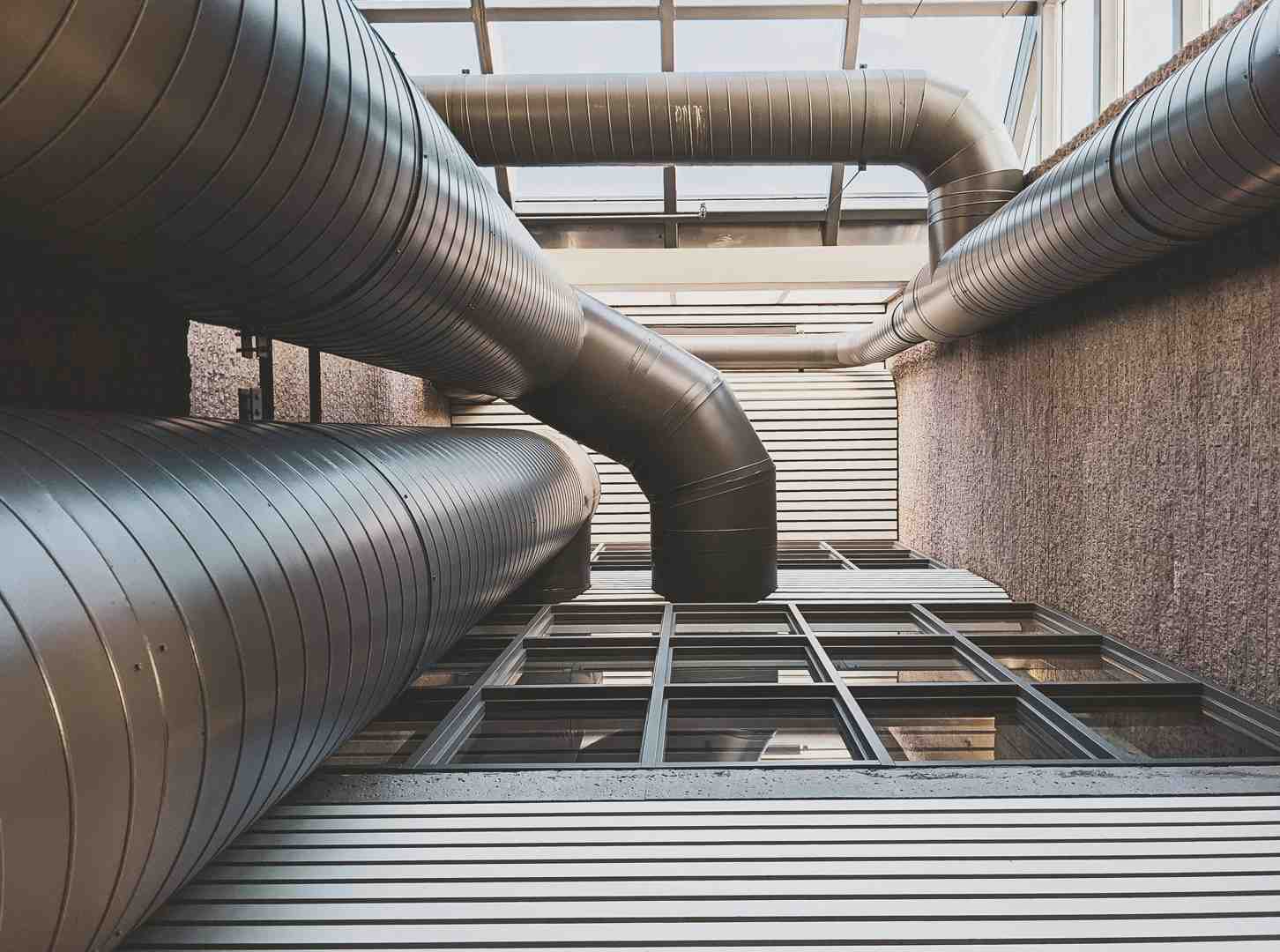
Your furnace is the heart of your heating system, but the ductwork is its circulatory system. Leaky or poorly designed ducts can't be overcome by even the best furnace. In fact, duct leakage can waste up to 20% of your heat, as noted by Energy Star's guide to duct sealing and performance.
During our assessment, we inspect your ductwork for leaks and ensure it is properly sized for your new furnace's airflow. We seal joints with mastic or foil tape to create an airtight system. If your ducts need significant repairs, we can connect you with qualified ductwork installation contractors.
Electric furnaces offer flexible placement since they do not require a flue or gas line. Ideal locations include basements, utility closets, and insulated attics. The main requirements are clearance for service access (at least 30 inches in front) and proximity to main duct lines for efficient airflow. We will work with you to find the best spot that balances efficiency, accessibility, and comfort.
The Step-by-Step Electric Furnace Installation Process
With planning complete and your electrical system ready, our certified technicians begin the electric furnace installation. This is where we turn preparation into a reliable heating system for your Pittsburgh home. Our team arrives with a detailed plan specific to your home to execute the installation flawlessly.
- Old System Removal: We safely disconnect and remove your old furnace, handling any refrigerants according to EPA regulations and ensuring responsible disposal.
- Positioning New Furnace: We position and level the new electric furnace in its predetermined location, often using vibration pads to reduce operational noise.
- Electrical Hookup: Our licensed electricians connect the furnace to its dedicated 240-volt circuit, installing a disconnect switch and following all National Electrical Code specifications. This is a critical step for safety and performance.
- Ductwork Connection: We create airtight seals between the furnace and your home's ductwork using foil tape and mastic. This prevents heat loss and ensures efficient airflow.
- Thermostat Integration: We wire and calibrate your new or existing thermostat, ensuring it communicates properly with the furnace. We often recommend smart thermostats for improved control and energy savings.
- System Testing and Calibration: Professional installation concludes with rigorous testing. We perform detailed electrical checks, measure airflow (aiming for 400 CFM per ton), and verify the temperature rise (typically 40-70 degrees F). We also test all heating elements and safety controls to ensure your system runs optimally.
Converting from a Gas Furnace to Electric
Many homeowners in Washington, PA, and Steubenville, OH, are switching from gas to electric heating for the safety and maintenance benefits. However, it is important to consider the challenges. In our colder climate, the primary concern is operating cost, as local electricity rates can make electric heat more expensive to run than gas (approx. $2,628/year vs. $1,800/year).
The conversion process is also more involved. It requires professionally capping the existing gas line and almost always involves significant electrical upgrades, including a new 240-volt line and often a panel upgrade. We help you evaluate the total lifecycle cost, weighing conversion expenses against long-term benefits. For comparison, you can also learn about the cost of replacing an oil furnace with natural gas.
Safety Checks and Code Compliance
Safety and code compliance are fundamental to every electric furnace installation. We handle all required local permits for your Pittsburgh-area installation, ensuring the work is fully compliant and will not cause issues with home insurance or future sales. All electrical work strictly adheres to the National Electrical Code (NEC), and we follow all manufacturer specifications to protect your warranty and ensure safety. The International Association of Electrical Inspectors (IAEI) publishes checklists for what inspectors look for, and our work is designed to meet these standards.
After installation, a municipal inspector verifies that our work meets all local codes, providing you with peace of mind. Our own final performance checks confirm that your new electric furnace is not just installed-it is installed right.
Costs, Comparisons, and Long-Term Care
Understanding the investment in an electric furnace installation involves more than the upfront price. It is about the total cost of ownership, comparisons to other systems, and long-term care. Before committing, explore available rebates and incentives. Many local utilities offer financial incentives for installing high-efficiency electric systems. We can help you search for local rebates on DSIRE to see what is available in your area.

We also strongly recommend integrating a smart thermostat. These devices learn your schedule to optimize heating cycles, potentially reducing your furnace runtime by 10-15% and lowering utility bills. They also provide energy usage reports that can help you spot inefficiencies.
Typical Costs for Professional Electric Furnace Installation
The cost of a professional electric furnace installation typically ranges from $1,600 to $4,500. This includes the unit, labor, and basic connections. However, costs can climb to $8,800 or more if significant electrical panel upgrades or ductwork repairs are needed, which is common in older Pittsburgh homes. Addressing these issues upfront is crucial for safety and performance.
Your total investment includes:
- Equipment: The furnace unit itself.
- Labor: Our certified technicians' time for removal, installation, and testing.
- Electrical Work: A new dedicated circuit and potential panel upgrades.
- Duct Modifications: Sealing leaks or resizing ducts for optimal airflow.
Here is how electric furnaces compare to other common heating systems:
| Feature | Electric Furnace | Gas Furnace | Heat Pump |
|---|---|---|---|
| Upfront Cost | $1,600-$4,500 | $3,000-$7,000 | $4,000-$8,000 |
| Annual Operating Cost | $2,628 | $1,800 | $1,000-$1,500 |
| Lifespan | 20-30 years | 15-20 years | 15-20 years |
| Pros | Lower installation cost, no combustion, quiet, long lifespan, nearly 100% efficient at point of use | Lower operating cost (if gas is cheap), heats quickly, reliable in extreme cold | Highly efficient (heating and cooling), lower operating cost than electric resistance |
| Cons | Higher operating cost (if electricity is expensive), slower heating in extreme cold, relies on electricity | Combustion byproducts, CO risk, requires gas line and venting, higher installation cost | Less effective in extreme cold (may need backup heat), higher upfront cost, shorter lifespan |
Operating costs are averages and vary based on local utility rates and climate. We provide a detailed quote so there are no surprises. Learn more about general furnace replacement cost.
Best Practices for Electric Furnace Maintenance
Electric furnaces are durable, lasting 20 to 30 years with proper care. This longevity comes from their simpler design, but it requires consistent maintenance.
As a homeowner, your most important task is to change the filter regularly-at least every 60-90 days, or monthly if you have pets. A clogged filter restricts airflow, forcing the furnace to work harder and increasing energy consumption.
Beyond filter changes, schedule a professional tune-up once a year. Our annual tune-up for clients in Pittsburgh, Weirton, and St. Clairsville includes:
- Checking all electrical connections for safety and security.
- Inspecting heating elements for proper function.
- Cleaning the blower motor and fan.
- Cleaning the AC coil (if applicable).
- Calibrating the thermostat.
- Testing all safety controls.
Annual tune-ups catch minor issues before they become expensive repairs, ensuring your system runs safely and efficiently. Explore our HVAC maintenance plans to keep your system in top shape.
Frequently Asked Questions about Electric Furnace Installation
Here are answers to the most common questions we receive about electric furnaces from homeowners in the Pittsburgh area.
What are the primary benefits of an electric furnace?
The primary benefits are safety (zero carbon monoxide risk), lower upfront installation cost, high efficiency (nearly 100% at point of use), and longevity (20-30 years). They also run quietly and require less maintenance than gas furnaces, with no need for annual combustion checks or flue inspections.
How do I choose the right size electric furnace?
Choosing the right size is not about square footage. We use a professional Manual J load calculation, an industry standard from ACCA (Air Conditioning Contractors of America), which analyzes your home's insulation, windows, and our Pittsburgh climate. This ensures the furnace is not oversized (which causes inefficient short-cycling) or undersized (which causes constant running and high bills). A properly sized furnace provides consistent comfort and optimal performance.
What are the most common electric furnace problems?
Most electric furnace issues are preventable and stem from poor installation or a lack of maintenance. Common problems include:
- Tripped Circuit Breakers: Often caused by improper wiring or an overloaded electrical panel from the initial installation.
- Reduced Airflow: Usually due to a clogged air filter or leaky ductwork, forcing the system to work harder.
- Heating Element Failure: A common wear-and-tear issue, especially on poorly maintained systems.
- Blower Motor Issues: Can stop air from circulating due to worn parts or electrical problems.
Most of these issues are avoided with a quality electric furnace installation and regular professional maintenance. If your heating system is not working, call a professional. While changing a filter is a simple DIY task, any work involving high-voltage electrical components should be handled by a certified technician for your safety.
Your Partner for a Perfect Installation
Choosing the right electric furnace is only half the battle. The key to decades of comfort, safety, and efficiency is expert installation. A professional job prevents the headaches and high energy bills that come from cutting corners.
For over 20 years, Smart Climate Solutions has been the trusted name for certified electric furnace installation across the Pittsburgh region, including the South Hills, Washington, Steubenville, St. Clairsville, and Weirton. Our neighbors rely on us because we have the local expertise to handle any challenge.
Our team does not just install furnaces; we install peace of mind. We manage every step carefully, from the initial load calculation to the final safety checks, ensuring all work meets code and manufacturer specifications. When you choose us, you are getting a partner dedicated to quality and your long-term comfort.
Ready for a flawless electric furnace installation? Do not leave your home's comfort to chance. Trust the local experts who know Pittsburgh winters. We are here to get it done right the first time. Contact us for professional HVAC installation services today!

.png)
