
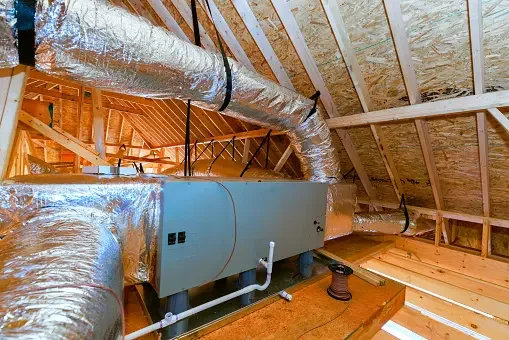
What a Furnace Clicking Sound Is Telling You (And When to Worry)
A furnace clicking sound is one of the most common noises homeowners hear from their heating system - and it can mean very different things depending on when it happens and how often it repeats.
Here is a quick breakdown to help you diagnose it fast:
| Clicking Type | When It Happens | Normal or Not? | Urgency |
|---|---|---|---|
| Single click at startup or shutdown | Beginning or end of heating cycle | Normal | None |
| Clicking 30-90 seconds after shutoff | After burners go off | Normal (thermal expansion) | None |
| Rapid repeated clicking, no ignition | At startup, no heat produced | Abnormal | High |
| Click followed by a loud boom or bang | At startup | Abnormal (delayed ignition) | Immediate |
| Clicking from vents or ductwork | During or after heating cycle | Usually normal | Low |
The short answer: one or two clicks per cycle is almost always fine. Repeated clicking with no heat, or a click followed by a bang, needs attention right away.
This guide walks you through every type of furnace clicking noise, what causes each one, and exactly what to do about it - whether that is a simple filter swap or a call to an HVAC technician.
I'm Bill Scott, general manager of Smart Climate Solutions, and with over 20 years in the HVAC industry serving Pittsburgh, PA homeowners, I have diagnosed hundreds of furnace clicking sound issues - from harmless thermal expansion to cracked heat exchangers that needed immediate repair. Let's make sure you know exactly which one you are dealing with.
Easy Furnace clicking sound glossary:
Deciphering the Furnace Clicking Sound: Normal vs. Abnormal Noises
When the freezing winter winds roll off the Ohio River into Pittsburgh, South Hills, or Steubenville, the last thing you want to hear is an unfamiliar sound coming from your basement or utility closet. But before you panic, it is important to understand that your furnace is a complex machine made of heavy sheet metal, electrical relays, and gas burners. Some clicking is just the sound of physics doing its job.

A helpful way to think about this is by analyzing the timing. Is the sound a single, crisp snap at the very start of a cycle? Or is it a rhythmic, persistent tick-tick-tick that goes on for ten seconds before the system goes dead silent? By paying attention to these patterns, you can easily determine whether you need a quick repair or if you can simply sit back and let your system run.
For a deeper look into how heat exchanger physics can cause harmless noises, you can read the Why Your Furnace Clicks: Heat Exchanger Expansion Diagnostic guide.
Below is a reference table to help you differentiate between normal expansion clicks and abnormal ignition clicks:
| Feature | Normal Expansion Click | Abnormal Ignition Click |
|---|---|---|
| Timing | 30 to 90 seconds after the burners shut off | At the very beginning of the heating cycle |
| Frequency | Slow, irregular, and gradually fading away | Fast, rhythmic, and repeating every 2 to 5 seconds |
| Sound Quality | Metallic pop or light tap, like a coin on metal | Sharp, electrical snap or heavy mechanical click |
| Heat Output | Home remains warm and comfortable | Furnace shuts down without producing warm air |
Normal Thermal Expansion and Ductwork Noises
The most common harmless clicking sound is caused by thermal expansion and contraction. During a standard heating cycle, the internal temperatures of your gas furnace heat exchanger can exceed 1,200 degrees Fahrenheit.
When the burners shut off, this metal must cool down rapidly. As the heat exchanger drops from these extreme temperatures, the metal physically shrinks by fractions of an inch. This contraction releases physical stress against the rigid mounting brackets, creating a series of metallic clicks or pops. These thermal contraction clicks typically occur 30 to 90 seconds after the burners shut off.
The material of your heat exchanger plays a major role in how this sounds:
- Aluminized Steel: This material has a higher coefficient of thermal expansion. It moves more as it heats and cools, which often results in louder, more distinct clicking sounds.
- Stainless Steel: Stainless steel is stiffer and transmits vibrations more efficiently. Even a tiny movement of less than 0.01 inches can resonate through the sheet metal panels, acting like a sounding board and amplifying the click.
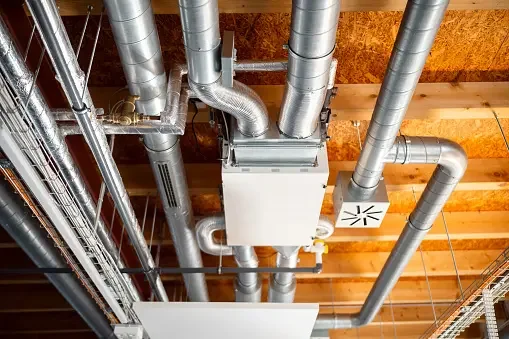
This same physical process happens in your ductwork. As hot air rushes through your metal ducts, the sheet metal expands. When the air cools, it contracts. This results in clicking, popping, or ticking sounds coming from your walls or ceilings, which is completely normal.
The Single Mechanical Startup Click
Another completely normal sound is a single, strong click right when your thermostat calls for heat. This is the mechanical sound of electrical components doing their jobs.
When the thermostat senses that the room temperature has dropped below your set point, it sends a low-voltage electrical signal to the furnace control board. This signal energizes a relay switch or contactor on the board. The physical movement of the electrical contacts closing to complete the circuit creates a single, sharp click. A matching click may be heard at the very end of the cycle when the contactor opens to cut power to the burners. If you hear this single click and your furnace starts up normally, your system is operating exactly as designed.
Dangerous Delayed Ignition Bangs vs. Normal Clicks
While a gentle click is harmless, you must never ignore a loud bang, boom, or pop at startup. This sound is a clear warning sign of delayed ignition, which is a serious safety hazard.
Delayed ignition occurs when dirt, soot, or moisture prevents the gas from igniting immediately when the gas valve opens. Instead of lighting smoothly, gas builds up inside the combustion chamber for several seconds. When the igniter finally manages to light the gas, the accumulated fuel ignites all at once, creating a small, contained explosion.
This sudden combustion creates a loud bang that can physically rattle the furnace cabinet. Over time, the repeated shockwaves from delayed ignition place immense stress on the heat exchanger. This can easily lead to cracks, which allow toxic carbon monoxide gas to leak into your home's air supply. If you hear a loud boom when your furnace starts up, shut the system off immediately and call a professional. For more details on decoding these sounds, check out Furnace Making Noise? What Each Sound Means.
Why Your Furnace Clicks Repeatedly But Won't Ignite
If your furnace is clicking repeatedly but failing to produce heat, you are dealing with an ignition failure. Modern gas furnaces do not use a standing pilot light that burns constantly. Instead, they rely on an electronic ignition sequence governed by safety controls. If any step in this sequence fails, the furnace will click as it attempts to light, fail, and eventually enter a safety lockout mode to prevent raw gas from escaping into your home.
To understand why your furnace is clicking, it helps to understand the exact sequence of operations:
If this sequence is interrupted, the control board will typically attempt ignition three times before locking out. If you want a deep dive into troubleshooting this specific scenario, read the Furnace Clicking But Not Igniting: Step-by-Step Diagnosis to Find the Cause Fast guide.
When a Furnace Clicking Sound Means Ignition Failure
The electronic ignition system is the heart of your furnace. Most modern systems use a hot surface igniter (HSI) made of silicon carbide or silicon nitride. When the control board calls for heat, it sends electricity to the igniter, causing it to glow white-hot.
Most hot surface igniters last between 4 and 7 years. Over time, the constant heating and cooling cycles cause the material to become brittle and crack. When an igniter cracks, it can no longer complete the electrical circuit to reach ignition temperature. The clicking sound you hear is the gas valve clicking open, or the control board relay clicking as it tries to send power to a dead igniter.
An HVAC technician can diagnose a failing igniter by performing a resistance test with a multimeter. A functioning hot surface igniter typically reads between 40 and 90 ohms. If the reading is open-loop (OL) or infinite resistance, the igniter is broken and must be replaced. To understand what this repair might cost, you can read our guide on Certified Furnace Igniter Replacement Cost.
The Role of a Dirty Flame Sensor and Clogged Air Filter
If your furnace ignites for a brief 1 to 3 seconds and then immediately shuts down with a click, the culprit is almost certainly a dirty flame sensor.
The flame sensor is a small metal rod that sits directly in the path of the burner flame. Its job is to detect the presence of a flame using a tiny electrical current called flame rectification. If the sensor is coated in carbon buildup, dust, or rust, it cannot detect the flame. As a safety precaution, the control board assumes the gas failed to ignite and shuts down the gas valve with a loud click to prevent a gas leak.
Fortunately, a dirty flame sensor is one of the most common causes of a furnace clicking but not igniting, and it is highly preventable. However, it is not the only maintenance issue that can cause a system shutdown. A clogged air filter is the single highest-impact maintenance failure in residential heating. When a filter is packed with dust, it severely restricts airflow. Without enough cool air passing over the heat exchanger, the furnace quickly overheats, causing the high-limit safety switch to trip and shut the system down.
If your system has stopped working entirely or is blowing cold air, check out our helpful articles on what to do when your Furnace Stopped Working and how to handle a Furnace Not Heating.
Inducer Motor and Pressure Switch Issues
Before your furnace ever opens the gas valve or activates the igniter, it must ensure that the exhaust chimney is clear. This is the job of the draft inducer motor and the pressure switch.
When the cycle begins, the inducer motor turns on to clear any leftover combustion gases from the heat exchanger and pull fresh oxygen in. The pressure switch monitors this process. It connects to the inducer housing via a small rubber hose, sensing the negative pressure created by the fan.
If the inducer motor is failing, or if the pressure switch hose is blocked by dirt or clogged with water from a blocked condensate drain line, the switch will not close. The control board will click repeatedly as it tries to verify the pressure switch, but because it never receives the safety signal, it will not allow the igniter to turn on.
Is a Clicking Furnace Dangerous? Safety Risks and Red Flags
While many clicking sounds are simply the harmless results of metal expanding, some are warning signs of serious dangers. Gas furnaces use combustion to create heat, which means they produce carbon monoxide (CO) and other toxic gases as byproducts. Knowing the difference between a harmless pop and a dangerous safety hazard can save your life.
For an overview of how to handle various furnace sounds safely, you can read the Furnace Clicking Sound: Causes and Solutions resource.
Carbon Monoxide and Cracked Heat Exchangers
The heat exchanger is a set of metal tubes that keeps the dangerous combustion gases separate from the clean air circulating through your home. Because the heat exchanger is subjected to extreme thermal stress, it can eventually crack as the furnace ages. Most gas furnaces last 15 to 20 years, and as they reach the end of their lifespan, the risk of structural failure increases.
A cracked heat exchanger is incredibly dangerous because it allows carbon monoxide to enter your indoor air supply. Carbon monoxide is an odorless, colorless, and tasteless gas that can be fatal.
If your heat exchanger is cracked, you might hear a rhythmic clicking or rattling sound that syncs perfectly with the blower motor, or loud popping sounds during active heating. HVAC professionals use specialized tools, such as combustion analysis meters and infrared snake cameras, to inspect the heat exchanger for microscopic cracks. If a crack is found, the heat exchanger or the entire furnace must be replaced immediately. To learn more about diagnostic and repair expenses, view our breakdown on the Cost to Fix Furnace.
When to Shut Down Your System and Call a Professional
Knowing when to perform basic troubleshooting and when to shut down your system immediately is crucial for your safety. You should turn off your furnace at the thermostat and the main circuit breaker, and call an expert immediately, if you experience any of the following red flags:
- The Smell of Gas: If you smell a rotten egg odor near your furnace, do not attempt to troubleshoot. Leave your home immediately and call your gas utility company or 911 from outside.
- A Loud Bang at Startup: This indicates delayed ignition, which can quickly crack your heat exchanger if left unaddressed.
- Metal-on-Metal Grinding: If you hear a harsh scraping or grinding sound, your blower wheel may be loose or the motor bearings have failed. Running the system can cause massive mechanical damage.
- Persistent Lockouts: If your furnace clicks, shuts off, and locks out repeatedly, do not keep resetting it. Bypassing safety switches or forcing a failing system to run can lead to fires or carbon monoxide poisoning.
If you live in the Pittsburgh area and are experiencing any of these warning signs, our Furnace Repair Pittsburgh Guide offers localized advice on finding fast, certified help.
Frequently Asked Questions About Furnace Noises
Why does my furnace click on cold days but not produce heat?
On extremely cold days, your furnace runs much longer and more frequently to combat the freezing outdoor temperatures. This increased workload puts immense strain on your heating components.
If your furnace is clicking repeatedly on a freezing morning but failing to blow warm air, it is likely stuck in a lockout cycle. The most common cause is a dirty flame sensor or a failing hot surface igniter that finally gave out under the heavy demand. Because the furnace failed to ignite safely after a few attempts, the control board shut down the system for safety. You can try resetting the lockout by turning the furnace power switch off for 30 seconds and then back on, but if the underlying issue is not fixed, it will lock out again.
How can I tell if the clicking is from the furnace itself or the ductwork?
To isolate the source of the sound, perform a simple audio audit:
- Stand near the furnace cabinet: Have someone turn up the thermostat while you stand safely near the furnace. If the click is a sharp, electrical snap that occurs right as the system tries to start, it is coming from the control board or the ignition assembly.
- Listen to the walls and ceilings: If the clicking sounds like a hollow popping or ticking that occurs throughout your home about 5 to 10 minutes after the heat starts blowing, it is simply your metal ductwork expanding as it fills with hot air.
- Check the vents: If you hear a constant clicking or fluttering sound inside a specific vent, a piece of lightweight debris (like a loose screw, a toy, or a piece of paper) may have fallen into the duct and is vibrating in the airflow.
How to Prevent a Furnace Clicking Sound with Maintenance
The best way to prevent annoying clicking sounds and costly winter breakdowns is through consistent, proactive maintenance:
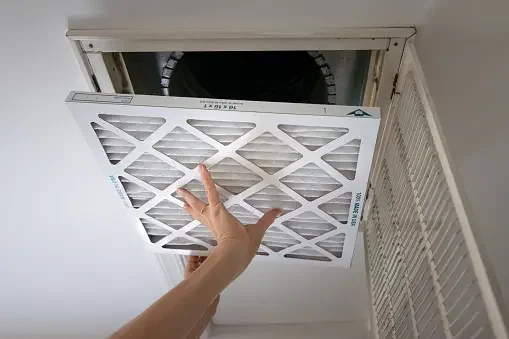
- Replace the Air Filter Regularly: A dirty filter is the leading cause of pressure switch faults and overheating. Replace your filter every 1 to 3 months depending on your home's pet and dust levels.
- Keep the Furnace Area Clean: Maintain a clear, clutter-free zone of at least three feet around your furnace to prevent dust and debris from getting sucked into the combustion chamber.
- Clean the Flame Sensor Annually: During your pre-season maintenance, a technician can gently clean the flame sensor rod with fine steel wool or emery cloth to remove carbon buildup.
- Schedule Professional Tune-Ups: An annual professional inspection ensures that your igniter, inducer motor, pressure switches, and heat exchanger are thoroughly tested and cleaned before the winter cold sets in.
Conclusion
A furnace clicking sound can range from a completely harmless physical reaction to a major mechanical failure that poses a safety hazard to your family. By understanding the timing of the click and paying attention to whether your system is producing heat, you can easily determine your next steps.
Do not wait until a minor clicking sound turns into a complete system failure in the middle of a freezing winter night. At Smart Climate Solutions, our certified technicians have over 20 years of experience keeping homes warm and safe across Pittsburgh PA, South Hills PA, Burgettstown PA, Washington PA, Steubenville OH, St. Clairsville OH, and Weirton WV.
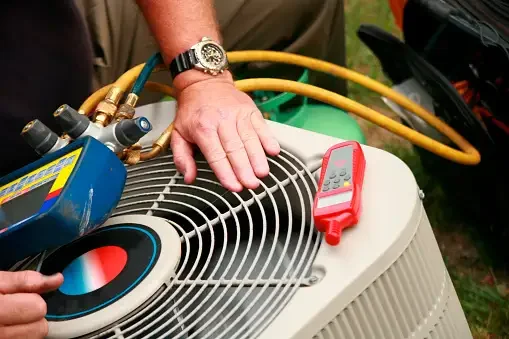
Whether you need a quick diagnostic check, a flame sensor cleaning, or an emergency repair, we are here to provide fast, reliable service with 24/7 emergency support. Schedule expert HVAC service and repair with us today and keep your home cozy all winter long!

.png)
