Average Heating Repair Cost: What to Budget
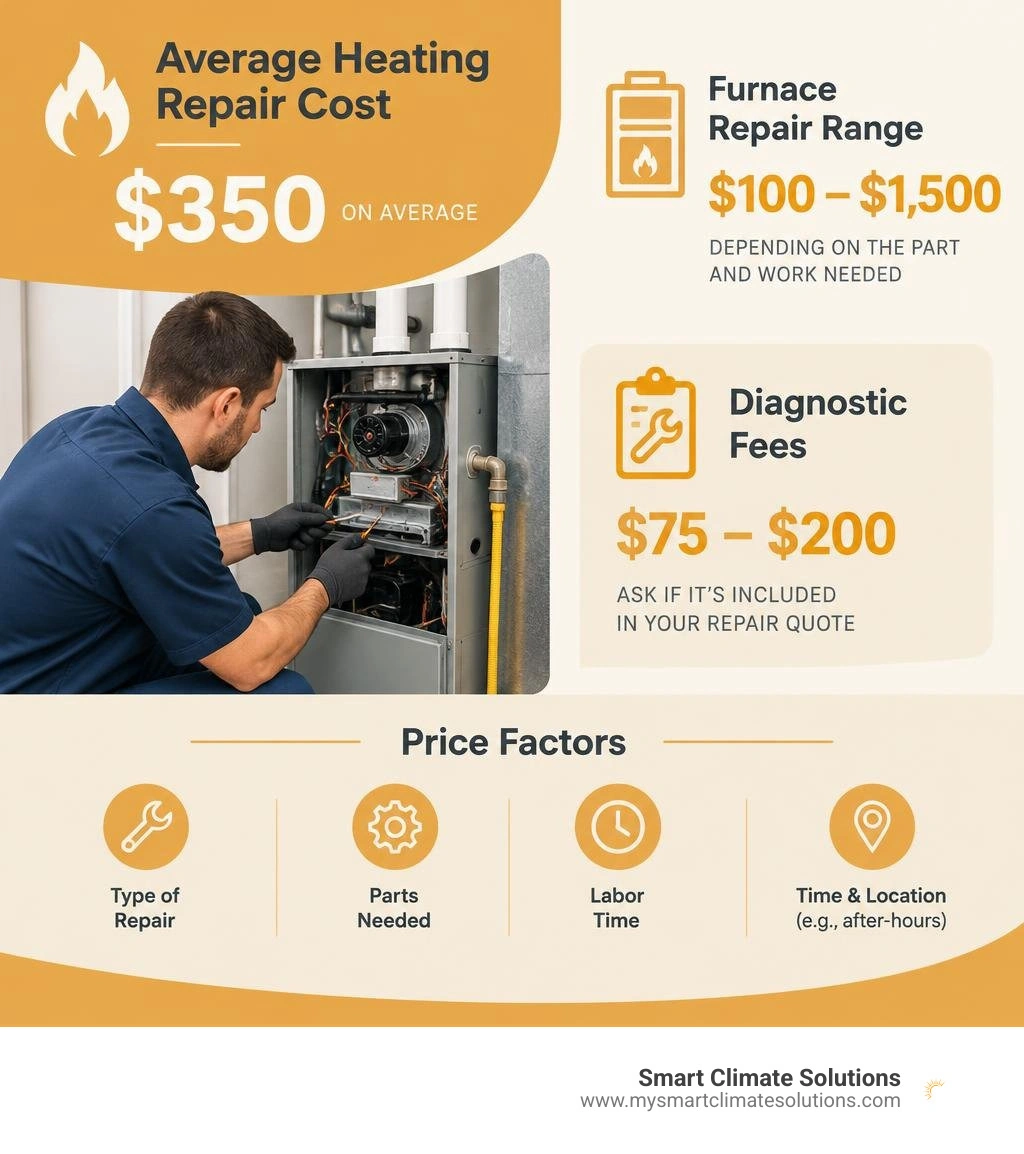
The average heating repair cost is about $350 as a general HVAC benchmark. For a furnace, budget roughly $100 to $1,500, depending on the failed part and the work needed. A diagnostic visit may cost $75 to $200, so ask whether that fee is included in your repair quote.
In Pittsburgh and Southwestern Pennsylvania, an after-hours call during a cold snap can raise the price. If your heat is out, get the diagnosis and a written total before approving work whenever it is safe to wait.
I'm Bill Scott, general manager of Smart Climate Solutions. After more than 20 years in HVAC, I help Pittsburgh-area homeowners understand the average heating repair cost and decide when a repair makes financial sense.
Average Heating Repair Cost Breakdown by System and Component
Understanding how a final repair bill comes together helps take the surprise out of an unexpected breakdown. When an HVAC technician visits your home, the total invoice typically combines diagnostic fees, labor time, and the price of replacement parts.
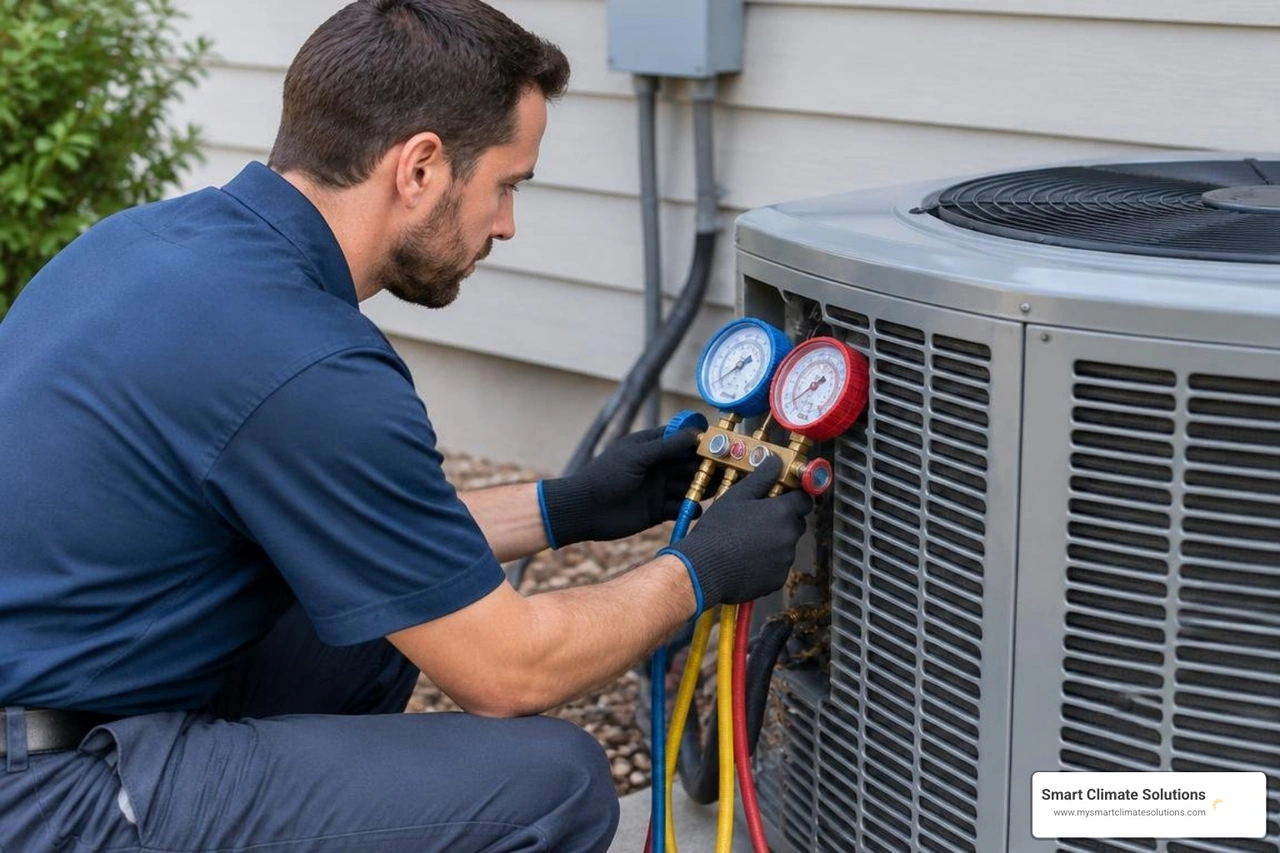
Standard service call and diagnostic fees usually run between $75 and $200. This fee covers the technician traveling to your home, inspecting the equipment, isolating electrical or mechanical faults, and presenting a transparent quote. In many instances, companies apply part of this diagnostic fee toward the total repair balance if you authorize the work immediately.
Labor rates for residential heating service generally range from $100 to $250 per hour. Routine electrical fixes take an hour or two, while extensive component replacements, such as swapping out a cracked heat exchanger or replacing an entire blower assembly, can take four to six hours of dedicated labor.
Average Heating Repair Cost by Component
Heating systems rely on interconnected electrical and mechanical components. When one piece fails, safety switches often shut down the entire unit to prevent damage or fire hazards. Below is a breakdown of common replacement costs across typical forced-air systems.
| Heating Component | Typical Repair Cost Range | Average Labor Time |
|---|---|---|
| Thermostat (Standard to Smart) | $100 - $400 | 1 - 2 hours |
| Flame Sensor (Clean or Replace) | $80 - $250 | 0.5 - 1 hour |
| Surface Igniter | $150 - $400 | 1 - 2 hours |
| Capacitor / Contactor | $75 - $220 | 0.5 - 1 hour |
| Gas Valve Replacement | $200 - $600 | 2 - 3 hours |
| Draft Inducer Motor | $250 - $700 | 2 - 3 hours |
| Blower Motor Assembly | $400 - $1,300 | 2 - 4 hours |
| Electronic Control Board | $400 - $1,000 | 2 - 3 hours |
| Heat Exchanger Replacement | $1,000 - $3,500 | 4 - 6 hours |
Minor electrical faults sit at the lower end of the pricing spectrum. For instance, understanding furnace ignitor repair costs helps homeowners budget for one of the most frequent mid-winter service calls.
Mechanical assemblies that handle continuous airflow demand a larger investment. Homeowners reviewing furnace fan replacement costs will find that high-efficiency, variable-speed motors require higher parts pricing than basic single-stage blowers.
Heating Repair Costs by Heating System Type
Different heating configurations carry distinct repair dynamics:
- Natural Gas Furnaces: Gas heating systems require strict combustion safety checks. Repairs range from $100 for basic sensors to $1,500 or more for major assemblies. Homeowners can review our comprehensive furnace repair guide for detailed gas system scenarios.
- Electric Furnaces: Electric units avoid fuel combustion risks but place heavy demands on heating coils, sequencers, and heavy-duty breakers. You can explore standard electrical component pricing in our guide to electric furnace repair.
- Heat Pumps: These systems provide both heating and cooling by reversing refrigerant flow. Reversing valves, defrost control boards, and compressor parts range from $200 to $2,000 depending on refrigerant types and compressor tonnage.
- Hydronic Boilers and Radiators: Boilers circulate heated water or steam. Typical repairs include circulator pumps ($300 to $900), zone valves ($200 to $500), and expansion tanks ($150 to $400).
- Electric Baseboard Heaters: Baseboard repairs average $139 to $440, with a national average of $287. Minor fixes include replacing high-limit safety switches or wall-mounted thermostats, while complete unit replacements cost between $200 and $500 per heater.
Primary Factors That Influence Heating Repair Costs
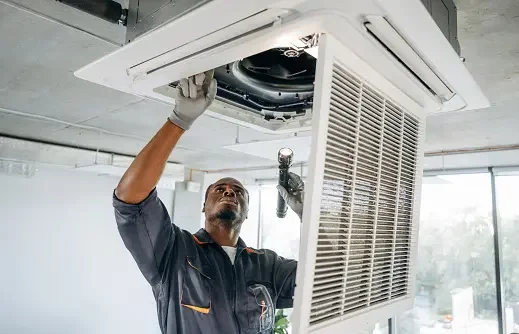
No two heating repairs carry the exact same price tag. Several variables dictate where your final invoice lands within the broad national range:
- System Age and Obsolete Parts: Units older than 12 to 15 years often utilize parts that manufacturers no longer produce in high volume. Sourcing legacy control boards or draft assemblies increases parts acquisition costs.
- Unit Accessibility: Heating equipment tucked into tight crawlspaces, unfloored attics, or confined utility closets requires additional labor time to access and service safely.
- System Size and Capacity: Larger tonnage heat pumps or higher-BTU furnaces utilize larger blowers, heavy-duty transformers, and multi-stage gas valves that carry higher wholesale costs.
- Warranty Status: If your equipment is under 10 years old and registered with the manufacturer, replacement parts may be covered under warranty, leaving you responsible only for labor and diagnostic charges.
For a deeper look into system lifespan and failure diagnostics, review our complete heater repair guide.
Emergency Call Fees and After-Hours Surcharges
When temperatures drop below freezing, an unexpected heating failure quickly becomes an emergency. Emergency heating repairs typically range from $200 to $1,200 due to after-hours labor multipliers.
Standard business hours usually cover Monday through Friday from 8:00 AM to 5:00 PM. Outside these windows, overtime rates apply:
- Evening and Weekend Calls: Service call fees increase to $150 to $250, with hourly labor rates jumping by 50 percent (1.5x regular rate).
- Major Holidays and Extreme Cold Snaps: Diagnostic rates can reach $200 to $300, with labor climbing to double-time (2x regular rate), adding $80 to $150 per hour above standard pricing.
If your system goes out during sub-freezing weather, review these immediate emergency steps when you have no heat to protect your plumbing and household while waiting for dispatch.
Regional Climate and Geographic Location
Regional climate dictates how many hours a heating system runs each season. In regions like Western Pennsylvania, the Ohio Valley, and northern West Virginia, winter temperatures frequently drop into the teens and single digits. Systems in Pittsburgh, PA, Bethel Park, PA, Washington, PA, Wheeling, WV, and Steubenville, OH log thousands of continuous run hours from October through April.
This heavy workload accelerates mechanical wear on igniters, blower bearings, and pressure switches compared to milder southern climates. Furthermore, local labor rates in Pennsylvania average around $430 per completed HVAC repair, reflecting regional cost-of-living metrics and strict technician licensing standards. Municipal permitting requirements for major equipment modifications in urban boroughs can also add $100 to $300 to total project costs. You can read more about local service options in our dedicated Pittsburgh heating repair guide.
How to Troubleshoot Heating Failures and Avoid Emergency Fees
Before calling for emergency after-hours dispatch, take five minutes to perform basic safe troubleshooting. Many no-heat calls stem from simple control or airflow interruptions that you can resolve without paying a diagnostic surcharge:
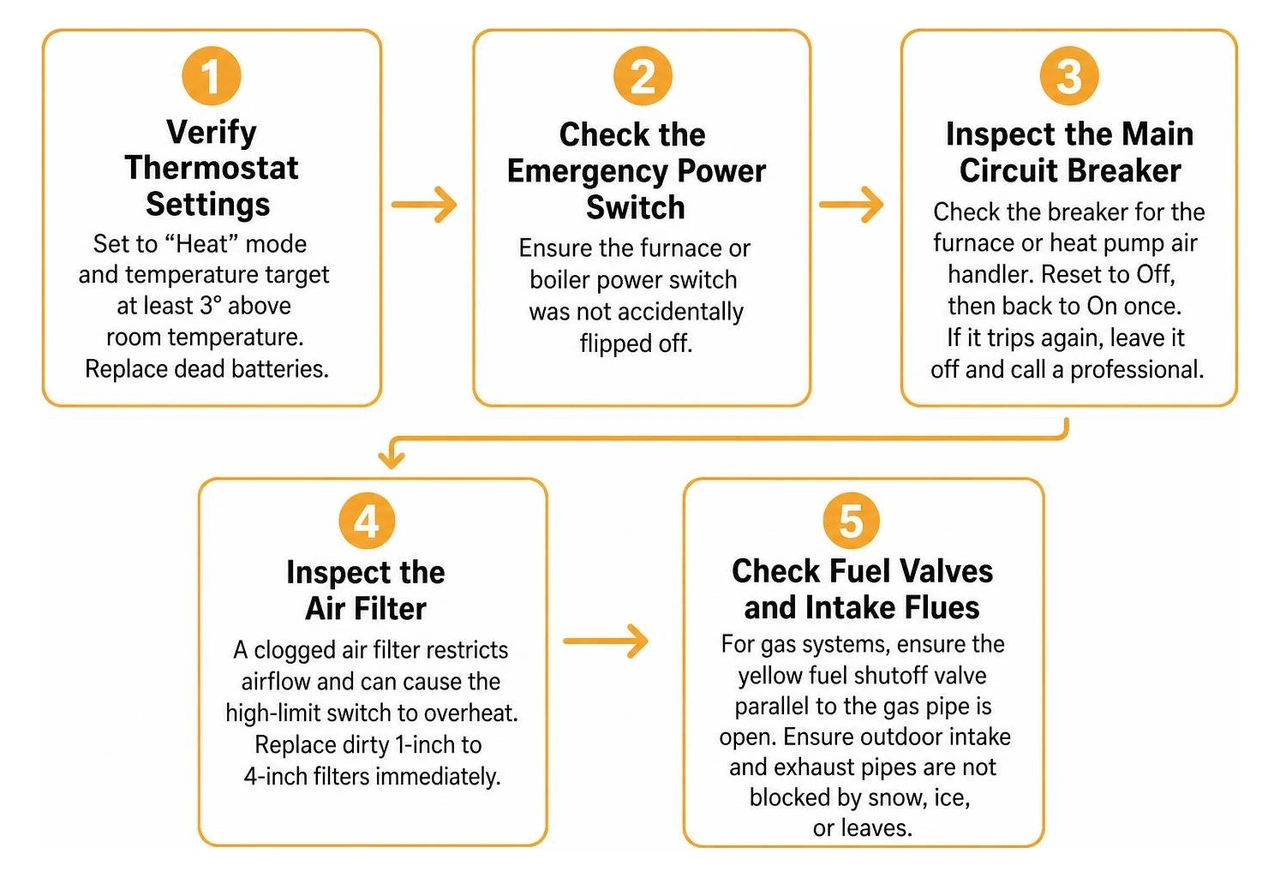
- Verify Thermostat Settings: Ensure the thermostat is set to "Heat" mode with the temperature target set at least 3 degrees above current room temperature. Replace dead AA or AAA batteries in the display panel.
- Check the Emergency Power Switch: Most furnaces and boilers have an electrical switch mounted on the side of the unit or at the top of the basement stairs that resembles a standard light switch. Ensure it was not accidentally flipped off.
- Inspect the Main Circuit Breaker: Check your home breaker panel for a tripped switch dedicated to the furnace or heat pump air handler. Reset a tripped breaker firmly to "Off" and then back to "On" once. If it trips immediately a second time, leave it off and call a professional.
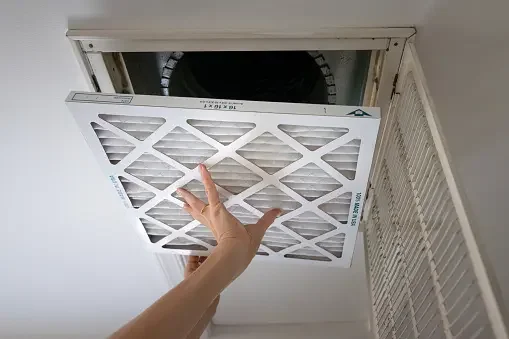
- Inspect the Air Filter: A clogged air filter restricts airflow, causing the high-limit switch to overheat and lock down the burners. Replace dirty 1-inch to 4-inch filters immediately.
- Check Fuel Valves and Intake Flues: For gas systems, ensure the yellow fuel shutoff valve parallel to the gas pipe is open. Outdoors, ensure drifting snow, ice, or autumn leaves are not blocking the PVC exhaust and fresh-air intake pipes.
Research highlights that simple seasonal habits like bleeding air from radiator loops and checking boiler pressure valves can prevent hundreds of dollars in unnecessary service calls. For more DIY efficiency checks, read how these two quick checks could save you significant money in heating costs.
Reducing Your Average Heating Repair Cost with Preventive Maintenance
The single most effective strategy for minimizing repair expenses is scheduling routine seasonal tune-ups. A professional furnace tune-up typically costs $75 to $200, whereas an emergency breakdown repair averages between $100 and $600 or more.
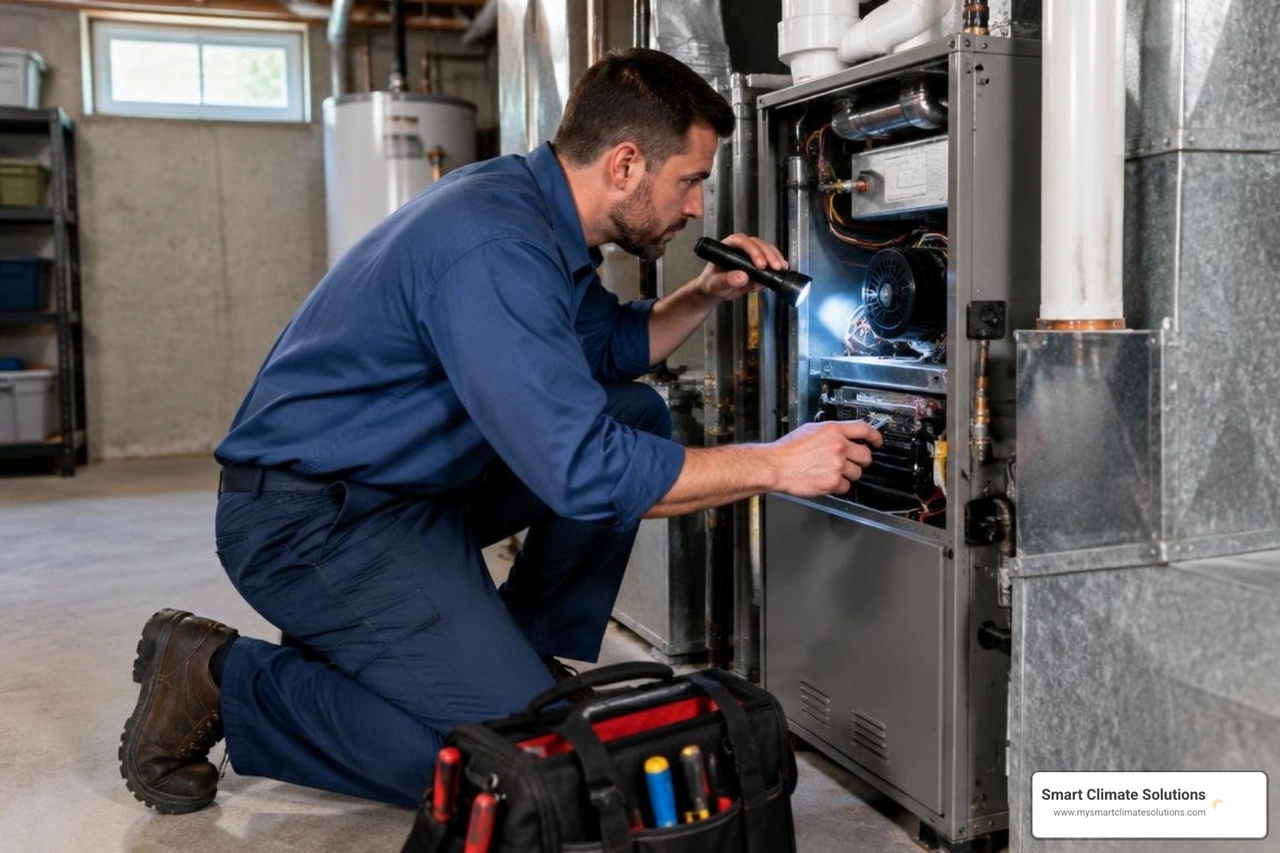
During an annual inspection, a certified technician cleans combustion burners, tests electrical draw on the blower motor, measures manifold gas pressure, inspects the flue assembly, and tests safety limit switches. Catching an out-of-spec capacitor for $90 during a scheduled October visit prevents an unexpected $400 emergency blower motor burnout in mid-January.
Regular maintenance also delivers substantial utility savings. According to the U.S. Department of Energy, keeping heating equipment clean, properly tuned, and paired with a programmable thermostat can reduce annual household heating bills by up to 30 percent. Industry guidelines emphasize scheduling professional tune-ups each autumn to identify carbon monoxide hazards and burner corrosion before winter begins.
Repair vs. Replace: Making the Right Financial Decision
When facing an extensive heating repair quote on an older system, you must weigh short-term repair savings against long-term replacement efficiency. Two established industry guidelines help simplify this decision:
- The 50 Percent Rule: If the estimated repair cost meets or exceeds 50 percent of the cost of a brand-new heating installation, replacing the equipment is the smarter financial choice.
- The 5,000 Rule (The Age-Cost Index): Multiply the age of your heating system in years by the total repair estimate in dollars. If the resulting number exceeds 5,000, consider replacement. If the number is below 5,000, proceeding with the repair makes sense.
For example, if a 12-year-old furnace requires an $600 blower motor repair, 12 multiplied by 600 equals 7,200. Because 7,200 is greater than 5,000, investing that money into a new high-efficiency heating system provides better long-term value.
| Decision Factor | Favor Heating Repair | Favor Heating Replacement |
|---|---|---|
| System Age | Under 10 years old | Over 12 - 15 years old |
| Repair Frequency | First repair in several seasons | Multiple repairs over past 2 winters |
| Repair Cost | Less than 30% of new unit price | Exceeds 50% of new unit price |
| Heat Exchanger Status | Intact and clean | Cracked, rusted, or leaking |
| Energy Bills | Stable and predictable | Steadily increasing each winter |
| Comfort Levels | Consistent whole-home heat | Uneven heat, cold spots, loud noises |
A cracked heat exchanger is an automatic trigger for replacement on an older furnace. A compromised heat exchanger allows toxic combustion byproducts, including odorless carbon monoxide, to leak directly into the living spaces of your home. Replacing an exchanger outside of warranty costs between $1,000 and $3,500, an expense rarely justified on a system nearing the end of its design lifespan.
When facing complex system failures, consult licensed furnace repair experts who provide upfront equipment health assessments. Homeowners can also review our complete range of professional HVAC service and repair options to determine the best path forward.
Frequently Asked Questions About Heating Repair Costs
What is the average cost to repair a home heating system?
The average cost to repair a home heating system is roughly $350 nationwide, with most repairs falling within the $100 to $1,500 range. Minor issues like cleaning a flame sensor, replacing a thermal capacitor, or installing a standard thermostat cost between $75 and $300. Major mechanical repairs, including replacing electronic control boards, draft inducers, or blower motors, typically range from $400 to $1,300.
How much extra does an emergency heating service call cost?
Emergency after-hours service calls typically add $100 to $300 to your total bill. Standard diagnostic fees ($75 to $200) increase during nights, weekends, and holidays. Furthermore, labor rates increase by 50 to 100 percent for emergency calls, meaning labor costs between $150 and $300 per hour depending on holiday schedules and severe winter weather demand.
How much can regular furnace maintenance save on repair bills?
Scheduling annual furnace tune-ups costing $75 to $200 can lower your overall heating repair expenses by up to 85 percent by catching component wear before full-system breakdowns occur. In addition, properly cleaned and calibrated heating equipment operates at peak fuel efficiency, reducing monthly winter heating bills by as much as 20 to 30 percent.
Conclusion
Managing heating repair costs comes down to swift diagnostics, transparent contractor pricing, and consistent preventive care. Whether you are dealing with a faulty surface igniter, restricted airflow, or deciding if an older unit is worth fixing, having clear cost benchmarks helps you make confident budgeting choices for your household.
At Smart Climate Solutions, our certified technicians bring over 20 years of dedicated HVAC experience to homes across Pittsburgh, PA, Bethel Park, PA, Canonsburg, PA, Washington, PA, Carnegie, PA, and surrounding communities in Ohio and West Virginia. We provide 24/7 emergency dispatch, upfront pricing estimates, and thorough seasonal inspections to keep your family warm through the coldest mid-Atlantic winter freezes.
To protect your system from surprise breakdowns and maximize energy efficiency, explore our detailed annual HVAC maintenance cost guide and schedule your seasonal heating check today.