
Electric Furnace Repair vs. Replacement: Start With a Safe Diagnosis
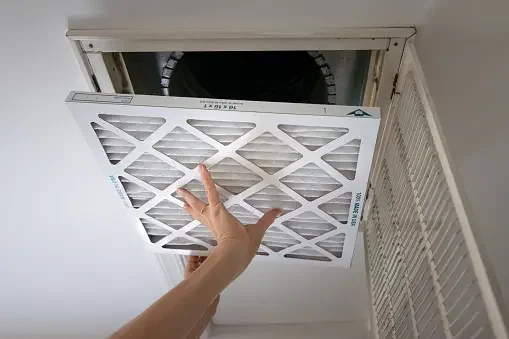
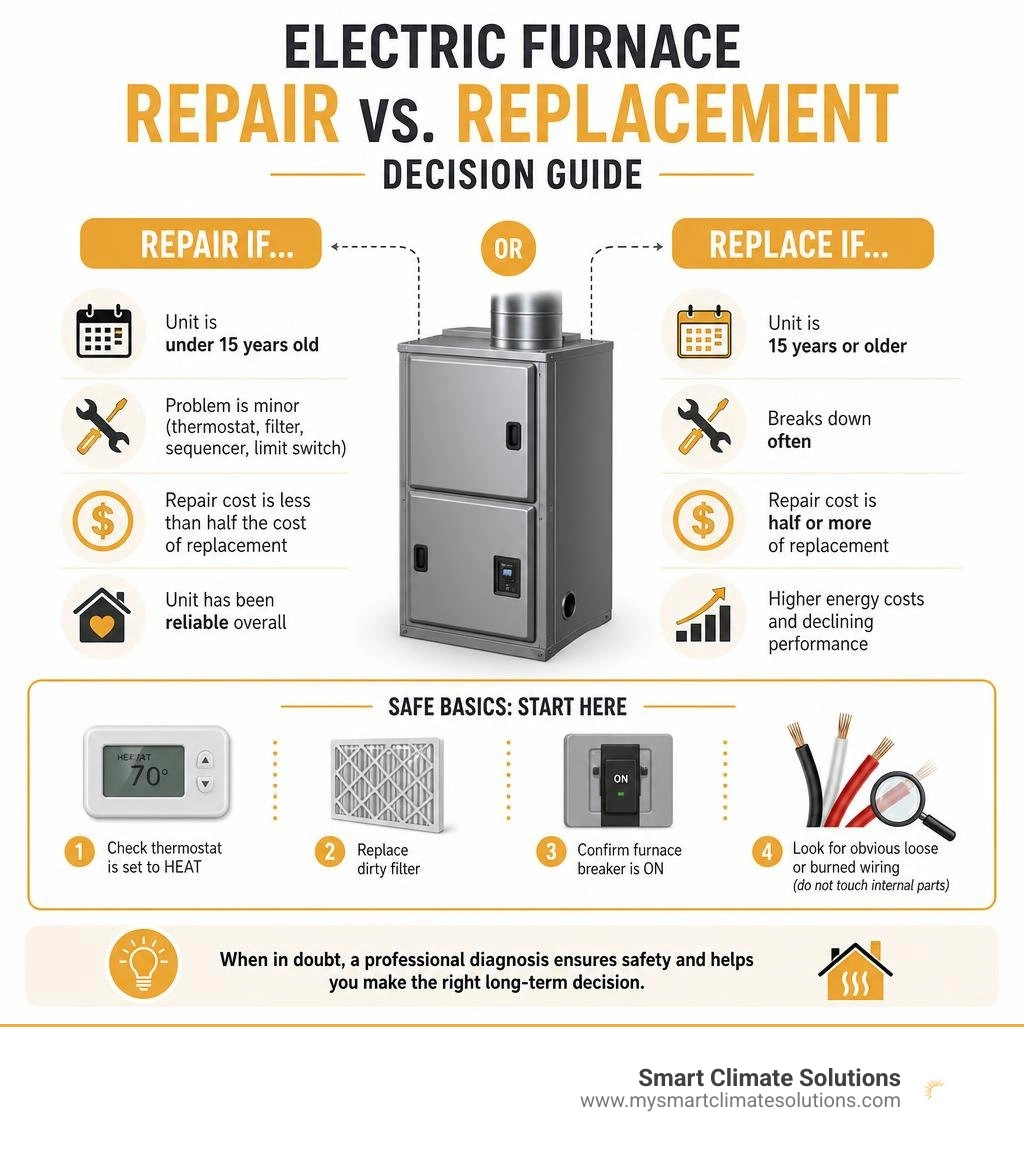
If your electric furnace will not start, blows cold air, trips a breaker, or runs without warming the house, start with the safe basics: check the thermostat is set to Heat, replace a dirty filter, confirm the furnace breaker is fully on, and look for obvious loose or burned wiring without touching internal parts. Electric furnace repair is often worthwhile when the problem is a thermostat setting, filter, heating element, sequencer, or limit switch. But if the unit is 15 years or older, breaks down often, or needs a repair that approaches half the cost of replacement, an upgrade may be the smarter long-term choice.
Electric furnaces can last 15 to 20 years or more with routine care. They turn nearly all incoming electricity into heat at the unit, but electricity can cost more than gas in Pittsburgh, PA. That makes reliable controls, clean airflow, and prompt repairs especially important for keeping energy bills in check.
I am Bill Scott, general manager of Smart Climate Solutions, with more than 20 years in HVAC and experience helping Pittsburgh-area homeowners make practical Electric furnace repair and replacement decisions. Next, we will cover the warning signs, safe checks, and component failures that help you decide what your system needs.
Electric furnace repair definitions:
Common Signs and Steps for Electric Furnace Repair
Electric furnaces provide dependable warmth across Western Pennsylvania winters, but internal wear will eventually lead to operating trouble. When a unit fails, diagnosing the issue requires an organized approach paired with strict electrical safety practices.

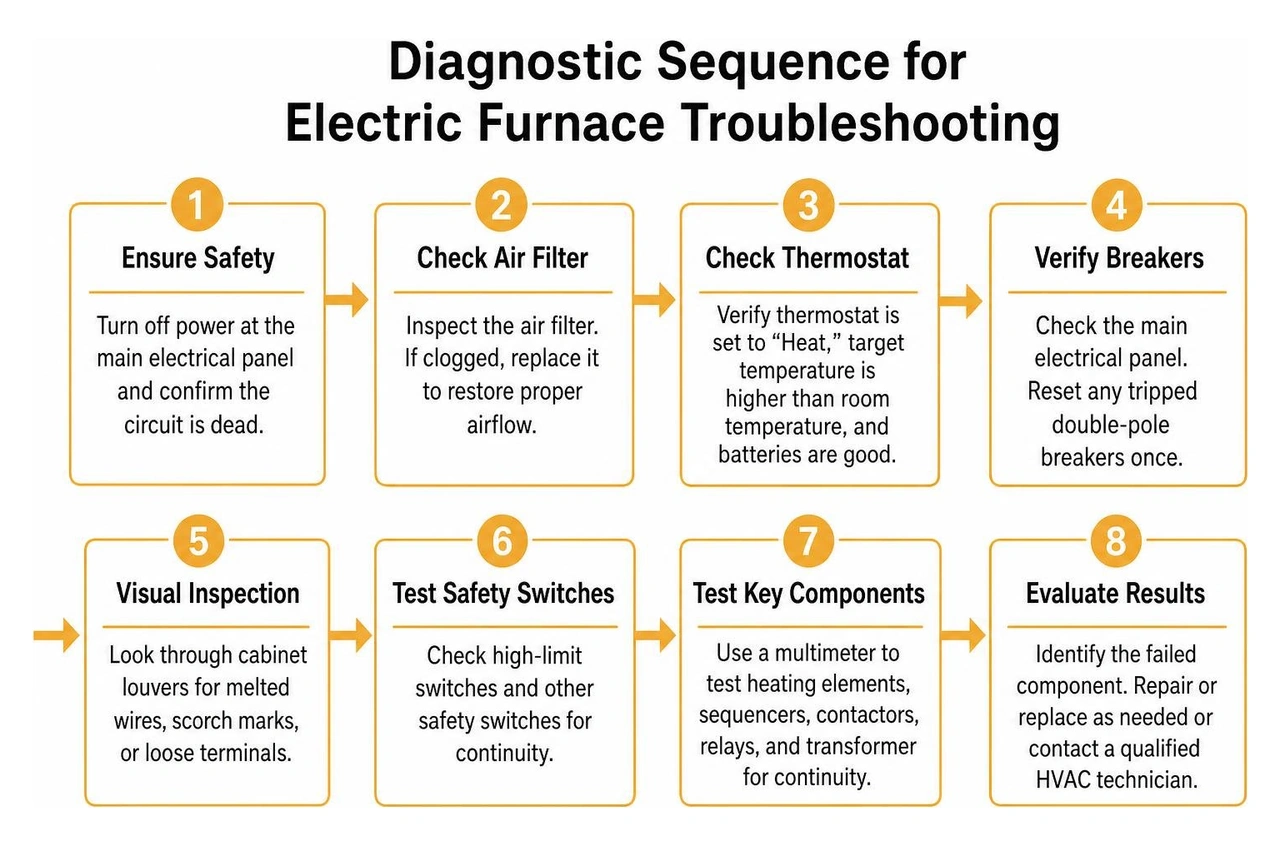
High voltage flows through residential electric heating equipment, typically between 240 and 480 volts. Before inspecting any internal components, turn off power at the main electrical panel and confirm the circuit is dead. A basic digital multimeter is the most reliable tool to check continuity across suspect parts, verify incoming voltage, and confirm individual safety switches remain functional. If you suspect an internal electrical short, scheduling professional heating and air conditioning repair services ensures safe testing and proper component matching.
Key Components That Fail in Electric Heating Units
Electric furnaces rely on a coordinated series of parts to create and circulate heat safely. When one part wears out, the entire heating sequence breaks down:
- Heating Elements: Coiled resistance wires that heat up when electricity flows through them. They can burn out, break, or short against the housing.
- Sequencers: Multi-stage switches that turn on heating elements at timed intervals rather than all at once, preventing massive electrical surges.
- Contactors and Relays: Electromechanical switches that send high-voltage power to heating banks or the fan motor when the thermostat calls for heat.
- High-Limit Switches: Safety sensors designed to cut power to the heating elements if airflow drops and temperatures rise to unsafe levels.
- Transformers: Small devices that step standard 240-volt power down to 24 volts to run the thermostat and control logic.
- Blower Motors: Direct-drive or belt-driven assemblies responsible for pushing air over the elements and through supply ducts. If the blower fails, you may need a furnace blower motor replacement to restore household circulation.
DIY Troubleshooting Before Scheduling Electric Furnace Repair
Homeowners can easily carry out several basic checks before calling in an HVAC technician:
- Check the Air Filter: A clogged air filter chokes off airflow, triggering safety switches that shut down the elements. Replace dirty filters every 1 to 3 months.
- Inspect the Thermostat: Confirm the thermostat is set to "Heat," the target temperature is set higher than room temperature, and the backup batteries are fresh.
- Verify the Breakers: Locate your main electrical breaker panel. Electric furnaces often use two separate double-pole breakers. Reset any tripped breakers once.
- Conduct a Visual Check: If your furnace stopped working, look through the cabinet access louvers for signs of melted wire insulation, scorch marks, or loose terminals.
Why Your Heating System Trips Breakers or Blows Cold Air
A heating system that constantly trips breakers or blows lukewarm air is showing classic symptoms of electrical or airflow strain. Finding the root cause prevents component damage and keeps your home warm during freezing weather.
When a furnace draws higher amperage than the circuit breaker rating, the breaker trips to protect your home from electrical fire. If you notice a sudden loss of heat during a severe freeze, our guide on furnace not heating provides emergency troubleshooting steps. When issues happen outside regular hours, our team offers fast emergency furnace repair throughout our service territories.
Overloaded Sequencers and Blown Heating Elements
Electric furnaces use multiple heating coils arranged in stages of 5 kW to 10 kW each. If a sequencer welds shut, it forces every heating element to turn on at the exact same time. This sudden demand spikes electrical current and immediately trips the main furnace breaker.
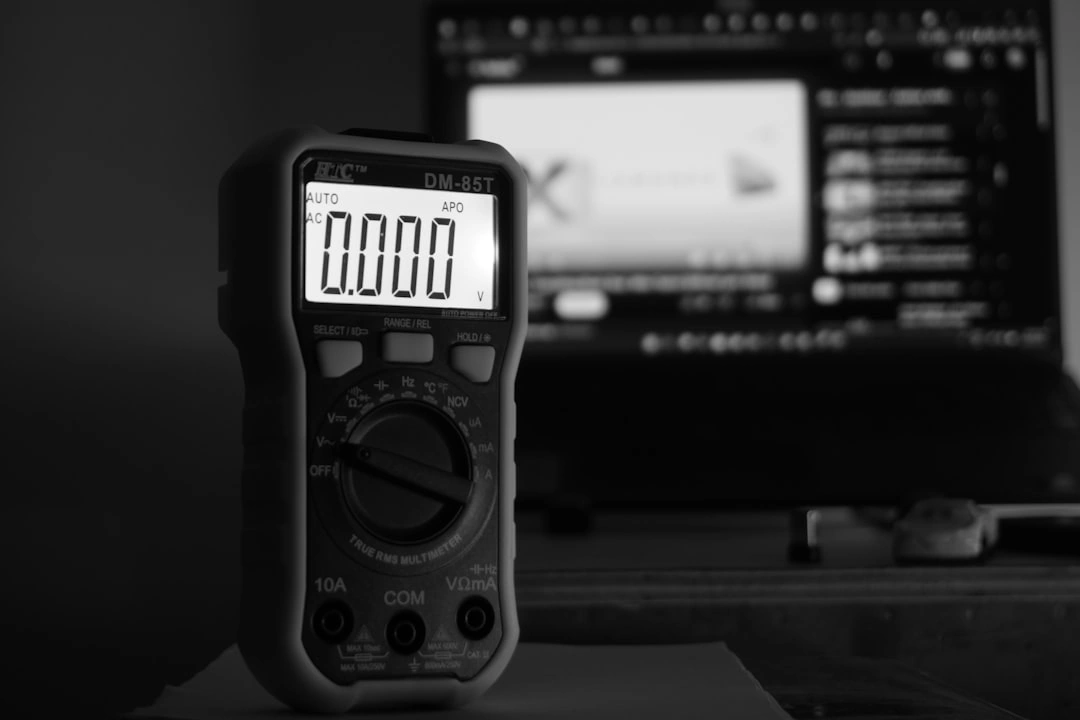
When an individual element burns out, the blower fan continues running, but the furnace only pushes lukewarm or cold air into your living spaces. Technicians test element health by disconnecting power and measuring electrical resistance in ohms across the terminals using a multimeter. An open circuit reading confirms a broken coil that requires a full heating element replacement.
High-Limit Switch and Airflow Issues
Your electric furnace uses a high-limit switch to guard against fire and cabinet damage. If air cannot pass quickly across the heating coils, internal temperatures rise fast. The limit switch trips, cutting power to the elements while the blower keeps running to cool the unit down.
Common causes of high-limit cycling include:
- Thick dust layers covering the return air filter.
- Closed, blocked, or covered supply registers in unused rooms.
- Heavy dust accumulations on the blower fan wheel blades.
- Crushed, disconnected, or undersized flexible duct runs.
Evaluating the 50 Percent Rule and System Lifespan
Homeowners frequently ask whether they should fix a broken heating unit or invest in a modern replacement. Evaluating the age of the furnace alongside estimated repair expenses gives you a clear financial picture.
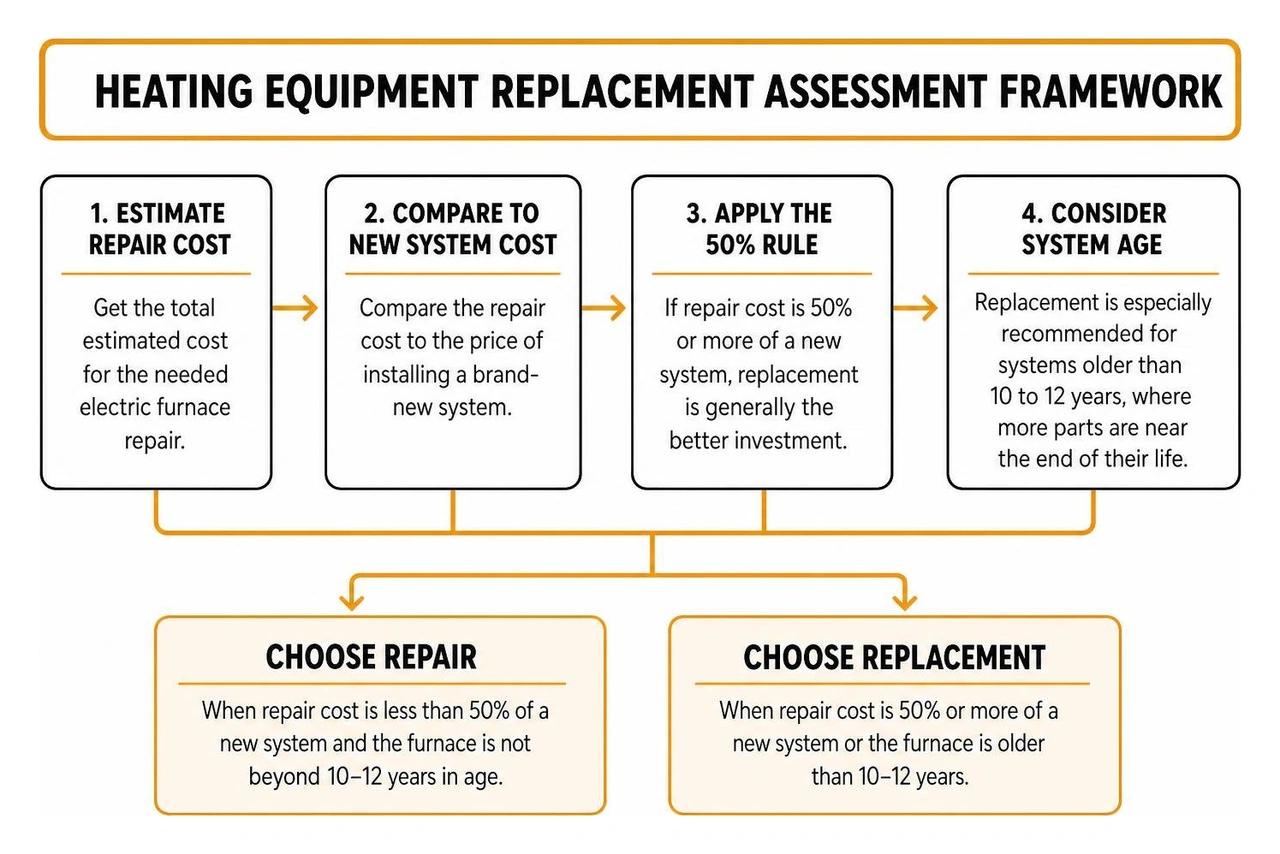
Under the 50 percent rule, if the estimated cost of an electric furnace repair equals or exceeds half the price of installing a brand-new system, replacement is generally the better investment. This is especially true for systems older than 10 to 12 years, where multiple secondary parts are nearing the end of their operational lifespan.
When to Choose Replacement Over Electric Furnace Repair
While electric furnaces have fewer moving parts than gas systems, age and constant thermal expansion eventually wear out internal circuitry. Choosing replacement makes practical sense under the following conditions:
- System Age Exceeds 15 Years: While electric units can last up to 20 years, an aging system loses operational reliability and increases the risk of frequent winter breakdowns.
- Repeated Breakdowns: If you have scheduled multiple repairs over the past two heating seasons, cumulative repair bills will quickly outpace replacement costs.
- Obsolete Replacement Parts: Older furnace control boards and proprietary heating assemblies may be discontinued or carry long manufacturer lead times.
- High Utility Expenses: Upgrading to a new unit paired with an energy-efficient heat pump provides substantial savings on monthly electric bills. Our specialists handle complete electric furnace installation designed to fit your home's exact heating load.
Operating Costs and Efficiency Differences
According to the US Census Bureau, 48% of Americans heat with gas compared to 37% with electricity. Electric furnaces deliver 100% point-of-use energy efficiency, converting every kilowatt of electricity directly into clean heat. However, because electricity per BTU often costs more than natural gas in our region, keeping electric systems properly calibrated is essential to avoid excessive winter utility costs.
Homeowners can often pair an electric furnace or air handler with an outdoor heat pump. In this setup, the heat pump handles mild winter days at high efficiency, while the electric furnace steps in as auxiliary heat during extreme freezing conditions.
Electric Furnace Repair and Replacement Cost Breakdown
Understanding expected repair costs helps homeowners budget effectively and avoid surprise expenses during a heating emergency. Typical electric furnace repairs fall between $100 and $400 for basic issues, while broad industry repair averages range from $133 to $505 depending on specific part requirements and labor time.
If your system is older, comparing these part costs against the overall furnace replacement cost helps you choose the most economical path forward.
Component Cost Averages vs New Installation
The following breakdown outlines the typical component repair expenses compared to a complete system replacement:
| Service / Component Replacement | Average Cost Range (Parts & Labor) | Expected Lifespan / Notes |
|---|---|---|
| Heating Element Replacement | $100 - $300 per element | Elements typically last 10-15 years |
| Heating Element (High-Capacity / OEM) | $200 - $500 per element | Specific brand or high-output models |
| Sequencer Replacement | $150 - $350 | Prevents high current spikes |
| Control Board Replacement | $200 - $600 | Controls electronic system timing |
| High-Limit Safety Switch | $100 - $250 | Protects against cabinet overheating |
| Blower Motor Replacement | $400 - $1,200 | Varies by standard vs ECM variable-speed motor |
| Full Electric Furnace Replacement | $2,500 - $9,000+ | Includes new unit, electrical work, and labor |
Frequently Asked Questions About Electric Furnace Maintenance
Routine maintenance helps avoid mid-winter system shutdowns, lowers electric utility usage, and extends the service life of your heating equipment.
Why is my electric furnace blowing cold air?
An electric furnace blowing cool or room-temperature air usually points to a broken heating element, a failed sequencer that fails to energize heating banks, or a tripped high-limit switch caused by restricted airflow. Additionally, check that your thermostat fan setting is set to "Auto" rather than "On," which prevents the fan from running when the heating elements are off.
How long do heating elements in an electric furnace last?
Electric furnace heating elements typically last 10 to 15 years under normal operating conditions. Regular filter changes and clean blower assemblies prevent elements from overheating and burning out prematurely.
How often should an electric furnace be serviced?
Schedule a comprehensive system tune-up at least once per year, ideally in the early fall before freezing weather sets in. During an annual service visit, a technician tests electrical connections, measures element resistance, inspects sequencers, cleans the blower assembly, and checks safety controls. Booking an annual furnace tune up ensures your heating system operates safely and efficiently all winter long.
Conclusion
Deciding between fixing an electric furnace and replacing it comes down to balancing system age, repair history, and overall cost. When minor electrical parts fail on a system under 10 to 12 years old, quick component repairs are usually the most budget-friendly solution. However, when an older system experiences frequent coil burnouts, blower failures, or major electrical faults, upgrading to a modern, high-efficiency system delivers better reliability and predictable energy savings.
At Smart Climate Solutions, we bring over 20 years of hands-on heating and cooling experience to homeowners across Pittsburgh PA, South Hills PA, Burgettstown PA, Washington PA, Steubenville OH, St. Clairsville OH, and Weirton WV. Whether you need fast diagnostic troubleshooting, same-day repairs, or complete heating replacements, our certified technicians provide dependable 24/7 service. Explore our comprehensive professional HVAC services to schedule your heating inspection and keep your home warm and comfortable all season long.



.png)
