
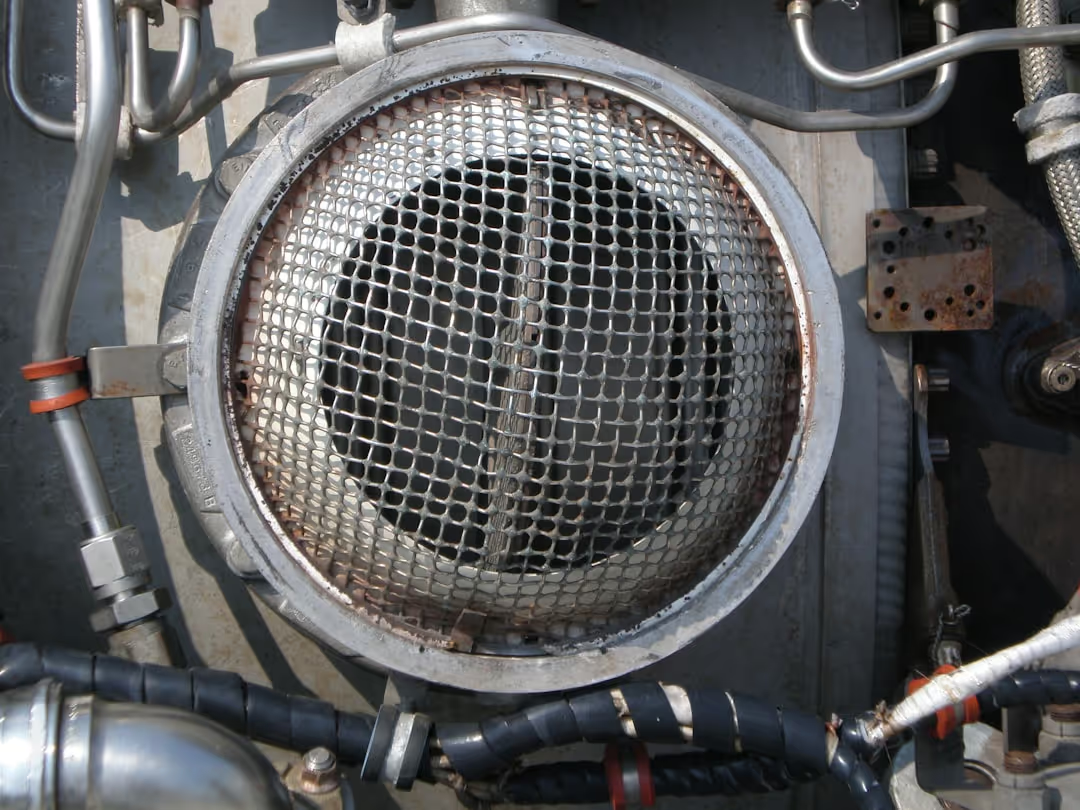
Why Your Furnace Blower Motor Matters
Furnace blower motor replacement becomes necessary when your heating system's most hardworking component starts to fail. The blower motor is the engine that powers your furnace's fan, pushing warm air through your ductwork and into every room of your home. Without it, your furnace cannot do its job, even if the burners are firing perfectly.
Quick Answer: When Do You Need Blower Motor Replacement?
- Weak or no airflow from your vents despite the furnace running
- Strange noises like squealing, grinding, or rattling coming from the furnace
- Rising energy bills without increased usage
- Burning smell near the furnace or from vents
- Frequent overheating or unexpected shutdowns
- Age of motor exceeds 15-20 years
The blower motor runs every time your heating or cooling system operates, making it one of the most frequently used parts of your HVAC system. Most blower motors last 10-20 years, but wear and tear eventually catches up. When strange noises start echoing from your basement or airflow becomes weak, the blower motor is often sending distress signals.
Replacement costs typically range from $300 to $900, depending on motor type and labor. While some homeowners tackle this as a DIY project, working with electrical components and gas furnaces requires careful attention to safety.
With over 15 years of experience in the Pittsburgh HVAC industry, our team at Smart Climate Solutions has helped thousands of homeowners diagnose and replace failing blower motors. Whether you are hearing that telltale grinding noise or dealing with uneven heating, understanding furnace blower motor replacement helps you make the right decision for your home's comfort.

Is Your Blower Motor Failing? 7 Telltale Signs
Your furnace blower motor works behind the scenes, pushing warm air through your home. When it is healthy, you barely notice it. But when it starts to fail, you will definitely know something is wrong.
With two decades of HVAC experience in Pittsburgh, we have seen countless failing blower motors. The good news is they usually give you plenty of warning before they quit completely. Catching these signs early can save you from a freezing night when your furnace gives up.
Weak or No Airflow is often the first thing homeowners notice. Your furnace sounds like it is running, but barely any air comes from the vents. This happens when a weak motor can no longer push air effectively through your ductwork. If your HVAC Running But Not Blowing Air, the blower motor is the usual culprit.
Unusual Noises are your furnace's way of crying for help. While a soft whoosh is normal, new noises demand attention. Squealing or screeching typically means the motor's bearings are wearing out. Grinding or rattling suggests internal components are loose or failing. A humming sound with no air movement may indicate a bad capacitor or seized motor. These sounds will not get better on their own and usually lead to furnace blower motor replacement.
Unexpectedly High Energy Bills can signal a struggling motor. A failing motor works harder and uses more electricity to do the same job. If your bills spike without a change in thermostat habits, your blower motor might be the cause.
Burning Smells from Vents should never be ignored. While a brief dusty smell is common at the start of the season, a persistent burning odor indicates an overheating motor. This is a potential fire hazard and needs immediate professional attention.
Furnace Overheating and Shutting Down occurs when the blower motor cannot move enough air to cool the heat exchanger. Modern furnaces have safety switches that shut the system down to prevent damage from overheating. If your system cycles off unexpectedly, a weak blower motor is a likely reason.
Limited Airflow or Cold Spots mean the motor is moving some air, just not enough. You might notice one room stays chilly while another is fine. In Pittsburgh's older homes, especially across the South Hills, Burgettstown, and Washington, uneven heating gets uncomfortable fast.
Blowing Cool Air, Not Heat is frustrating. This can happen when the heating elements work, but the blower fails to circulate the warm air. If your HVAC Blowing Cool Air, Not Heat, checking the blower motor is a smart first step.
Spotting these signs early makes all the difference. A professional inspection can confirm if you need a repair or a full replacement, saving you money and stress.
Understanding Motor Types and Replacement Costs
When you are facing a furnace blower motor replacement, you will find that not all motors are the same. Understanding the options and costs makes the process less stressful.
Choosing the Right Replacement Motor
You cannot just grab any motor and expect it to work. The replacement must match your furnace's specific requirements to ensure proper airflow and prevent damage.
Finding the Right Fit for Your System
The required specifications are usually printed on your old motor's label. You must match the Horsepower (HP), RPM (Revolutions Per Minute), Voltage, and frame size. Using the wrong specs can lead to poor airflow, system damage, or a motor that does not fit.
PSC vs. ECM: The Two Types You'll Encounter
In Pittsburgh, we see two main types of motors. PSC (Permanent Split Capacitor) motors are the traditional standard found in older or budget-friendly furnaces. They are less expensive to replace (typically $100-$300 for the part) but are less energy-efficient because they run at a single speed.
ECM (Electronically Commutated Motor) motors are the newer, smarter option. These variable-speed motors adjust their output based on your home's needs, using up to 75% less energy than PSCs. They run quieter and provide more consistent temperatures. The upfront cost is higher, usually $300-$800 for the motor itself.
Upgrading from a PSC to an ECM can be a smart investment. According to energy efficiency research, efficient components can reduce energy bills by 5-25%, a significant saving during Pittsburgh's cold winters.
| Motor Type | Cost (Motor Only) | Energy Efficiency | Noise Level |
|---|---|---|---|
| PSC | Lower ($100-$300) | Standard | Moderate |
| ECM | Higher ($300-$800) | High (Variable) | Quieter |
Breaking Down the Cost of a Furnace Blower Motor Replacement
The total cost for furnace blower motor replacement typically runs between $300 and $900 for most Pittsburgh homeowners, but can reach $1,500 or more for complex jobs.
What You're Actually Paying For
The parts cost for the motor itself is $100 to $500, depending on the type. Additional hardware might add $50 to $100. Professional labor generally ranges from $200 to $500, as a standard replacement takes 2-3 hours.
Why Prices Vary
The motor type is the biggest cost factor. An ECM motor costs more upfront but saves money on monthly energy bills. Furnace accessibility also affects price; a unit in a cramped crawlspace will increase labor time. Local Pittsburgh labor rates are competitive, and we strive for fair, transparent pricing. If other parts like the capacitor or control board have failed, that will add to the total. A furnace under warranty may cover the cost of parts.
For more details on costs, visit our HVAC Service and Repair page: Schedule your HVAC Service and Repair. We believe in transparent pricing with no hidden fees for our customers in Pittsburgh, South Hills, Burgettstown, Washington, Steubenville, St. Clairsville, and Weirton.
A Guide to Furnace Blower Motor Replacement
Taking on a furnace blower motor replacement yourself can save money on labor, but it is a job that requires care. You are working with electricity and a heating system that is vital for comfort during Pittsburgh winters. This is not the time to wing it.
If you are mechanically inclined and follow instructions carefully, this guide can help. However, if you feel uncertain at any point, call a professional. We have seen many DIY projects turn into emergency service calls.
Preparation: Tools and Safety First
Before you begin, focus on safety. Your furnace is a powerful system where shortcuts can lead to injury or damage.
Getting Your Tools Together:
You will need a screwdriver set, a wrench set, nut drivers, and pliers. A multimeter is essential for verifying power is off. Also have work gloves, safety glasses, a camera or smartphone for taking photos of wiring, a marker or labels, and a shop vacuum for cleanup.

Safety First, No Exceptions:
Turn off power at the circuit breaker for the furnace or HVAC system. Do not rely on the switch on the furnace itself. If you have a gas furnace, shut off the gas supply valve. Finally, use your multimeter to verify the power is off before touching any internal components. This step is critical.
Step-by-Step Replacement Process
With safety checks done, you can begin. This process covers most residential systems.
Getting Inside Your Furnace:
Locate the blower motor compartment, usually at the bottom of the furnace, and remove the access panels.
Document Everything:
Before disconnecting anything, take clear photos of all wiring connections to the motor, capacitor, and control board. Labeling wires is also a great idea. This documentation will prevent confusion later.

Removing the Old Motor:
Disconnect the motor wires. Capacitors can hold a charge even with the power off. Use an insulated screwdriver to safely discharge the capacitor by shorting its terminals before handling. Next, slide out the blower assembly by loosening its mounting screws. With the assembly out, remove the old motor from the housing. Loosen the set screw holding the blower wheel to the motor shaft, then remove the motor's mounting bolts.
Installing Your New Motor:
Place the new motor into the blower housing and secure it. Slide the blower wheel onto the new motor shaft, ensuring it is centered, and tighten the set screw firmly. Spin the wheel to check that it rotates freely without scraping.
Putting It All Back Together:
Reconnect all wiring according to your photos and labels. Double-check every connection. Slide the blower assembly back into the furnace, secure it, and replace the access panels.
The Test Run:
Turn the gas supply and power back on. Set your thermostat to "Heat." Listen for the furnace to ignite and the new motor to start. Check your vents for proper airflow. If something seems wrong, turn everything off and review your work. If you hit a snag, our team at Smart Climate Solutions is just a phone call away.
DIY vs. Hiring a Professional in Pittsburgh
So you have diagnosed the problem: your furnace blower motor needs replacement. Now comes the big question. Should you do it yourself or call in the pros? It is a decision many Pittsburgh homeowners face, and there is no single right answer.
The Case for DIY Replacement
The primary appeal of a DIY replacement is the potential cost savings on labor, which can be several hundred dollars. Successfully completing the repair also provides a sense of accomplishment and a better understanding of your HVAC system. If you are mechanically inclined, have experience with electrical work, and feel confident following detailed instructions, a DIY replacement might be a good option for you.
When to Call a Professional for Furnace Blower Motor Replacement
While DIY is possible, there are many situations where calling a certified HVAC technician is the safer and smarter choice.
Safety concerns with electrical and gas components are the top reason. Furnaces involve high-voltage electricity and sometimes natural gas. Mishandling them can lead to shock, fire, or gas leaks. Our certified technicians are trained to manage these risks safely.
A lack of proper tools or experience can turn a simple job into a frustrating one, potentially resulting in damage or injury. Professionals arrive with everything needed to do the job correctly.
If the furnace is under warranty, attempting a DIY repair can void that protection. Professional installation keeps your warranty intact.
Complex modern furnaces with ECM motors have intricate controls that require specialized diagnostic tools and expertise. What seems like a simple swap can become complicated.
Pittsburgh's older homes can have tricky wiring. After 20 years in this business, we have seen it all. Many homes throughout Pittsburgh, South Hills, and Weirton have non-standard electrical setups that add risk to any DIY project.
If your furnace dies during a cold snap, you need heat now. Our 24/7 emergency service means you will not be left shivering. If you need emergency furnace help, we are ready to respond. Schedule emergency service.
Finally, a professional can provide an accurate diagnosis. Sometimes a bad capacitor or control board can mimic the symptoms of a failing motor. Misdiagnosis leads to buying unnecessary parts and continued heating problems.
At Smart Climate Solutions, we believe your heating system is too important to leave to chance. Our technicians ensure the job is done safely and correctly the first time, giving you peace of mind when it is 15 degrees outside.
Frequently Asked Questions
We hear these questions all the time from homeowners across Pittsburgh and the surrounding areas. Here is what two decades in the HVAC business has taught us about blower motors.
What is the average lifespan of a furnace blower motor?
Most furnace blower motors provide 10 to 20 years of service. The actual lifespan depends on several factors. More efficient ECM motors often outlast their PSC counterparts because they experience less wear. How often your furnace runs also makes a huge difference, especially during Pittsburgh's cold winters.
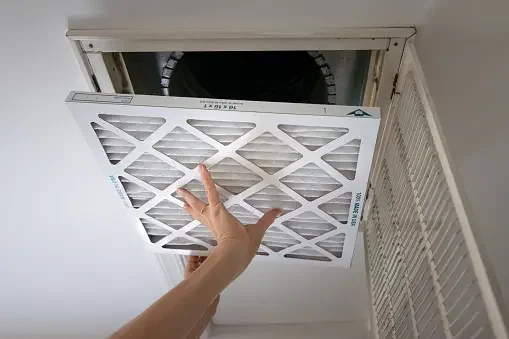
Regular maintenance is your best friend. Simply changing your air filter every three months can add years to your motor's life. Clogged filters strain the motor, causing it to wear out faster. Professional inspections can also catch small problems before they become big ones.
Is it worth replacing the blower motor on an old furnace?
This is an important question, and the answer depends on your situation. If your furnace is less than 15 years old and otherwise in good shape, replacing the motor is usually cost-effective. A motor replacement costs $300 to $900, while a new furnace can cost $3,000 or more.
However, if your furnace is approaching or past 20 years old, other components are also likely near the end of their life. Replacing the motor might only be a temporary fix before another expensive repair is needed. In this case, investing in a new, energy-efficient furnace may be the smarter long-term choice.
A professional assessment is invaluable here. Our technicians can evaluate your entire system and give you an honest recommendation on whether a furnace blower motor replacement makes sense for your home.
Can a bad blower motor cause the furnace to stop working completely?
Yes, absolutely. A failed blower motor can shut down your entire heating system. The blower motor is critical for safe operation. It moves heat away from the heat exchanger. If the motor fails, the furnace's internal temperature rises rapidly.
Modern furnaces have safety switches that detect this overheating. The switch will shut the entire system down to prevent damage and a potential fire hazard. Even if the burners kept running, no air circulation means no heat delivery to your rooms.
So if your furnace stopped working suddenly, especially if it tries to start but then shuts down, a dead blower motor is a prime suspect. It is one of the most common issues we find during emergency service calls in the winter.
Get Your Furnace Running Smoothly Again
Your furnace blower motor is an essential component that keeps your home comfortable. When it starts to fail, you feel the effects. Now you have the knowledge to address the problem confidently.
We have covered the warning signs of a failing motor, the costs and types of replacements, and the steps for the repair. Whether you are in a historic Pittsburgh home or a newer house in the South Hills, understanding furnace blower motor replacement puts you in control.
While the DIY route is an option for those with the right experience, working with high-voltage electricity and gas lines carries significant risks. A mistake can be costly or even dangerous. Professional help ensures the job is done safely and reliably.
At Smart Climate Solutions, our certified technicians have over 15 years of experience serving Pittsburgh, Burgettstown, Washington, Steubenville, St. Clairsville, and Weirton. We are equipped to handle all motor types, from basic PSC units to complex ECM systems. We diagnose the issue correctly and get your heat running again.
We offer 24/7 service because we know furnace problems do not wait for business hours. When your blower motor gives out during a cold snap, you need fast, reliable help.
For peace of mind and expert service that keeps your family comfortable, we are here to help. Schedule your HVAC Service and Repair today and let us take care of your heating needs.

.png)
