

What Is Commercial HVAC PM and Why Does It Matter?

Commercial HVAC PM (preventive maintenance) is a scheduled program of inspections, cleaning, and servicing for your building's heating, ventilation, and air conditioning systems -- performed before problems occur.
Here is a quick summary of what commercial HVAC PM covers:
- What it is: Routine inspections, filter changes, coil cleaning, lubrication, and system checks on a set schedule
- How often: At minimum twice per year; quarterly is recommended for most commercial buildings
- Who does it: Licensed HVAC technicians, typically under a service contract
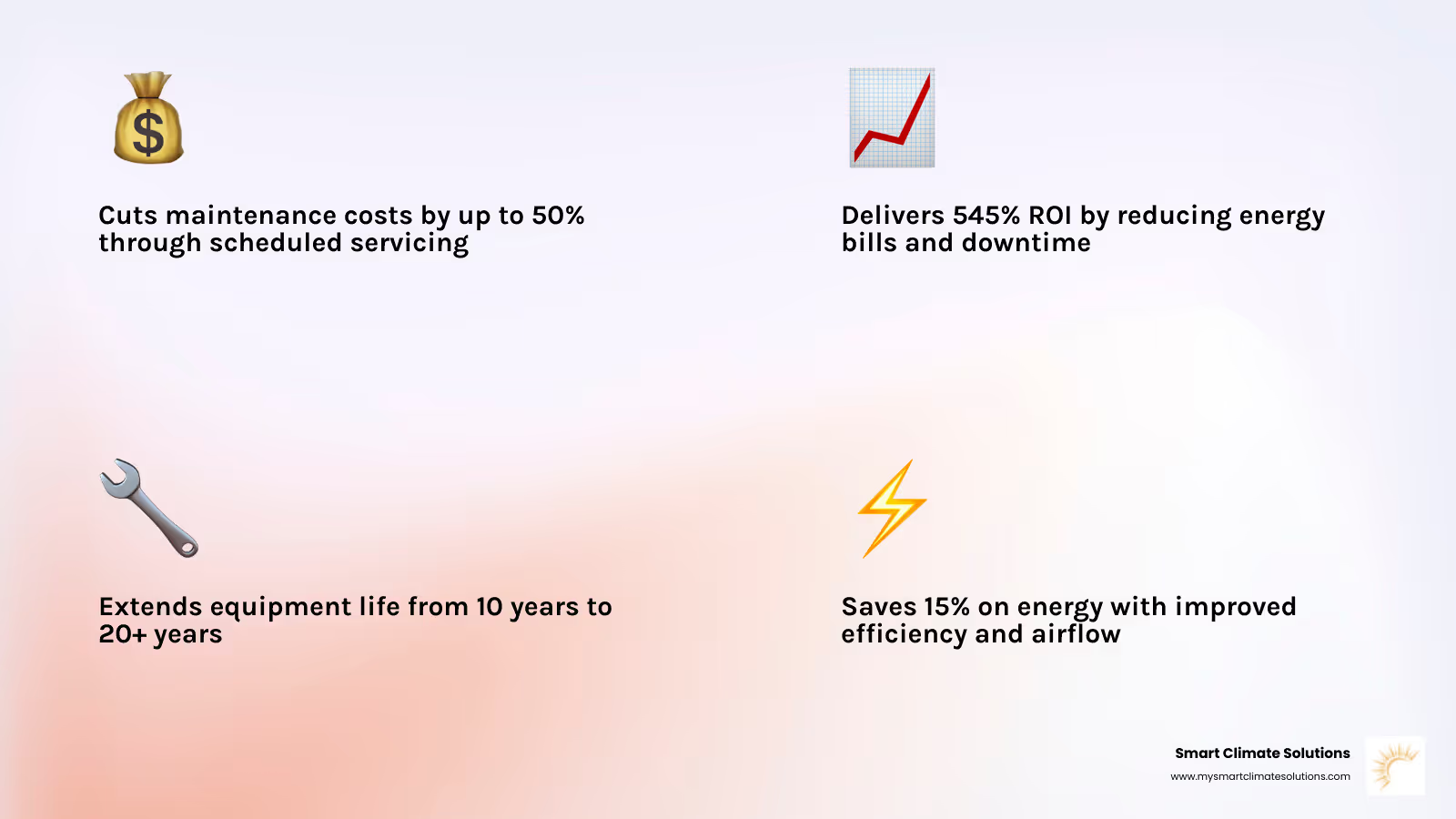
- Why it matters: Cuts maintenance costs by up to 50%, extends equipment life from 10 years to 20+ years, and prevents costly emergency breakdowns
- What it costs: Around $200 per quarter for scheduled PM vs. $3,000 or more for a single emergency repair
The stakes are high. Nearly half of all commercial buildings -- 47% -- go more than a year without any HVAC service. That neglect shows up fast: rising energy bills, inconsistent temperatures, and systems that fail years ahead of schedule.
In Pittsburgh, where summers get humid and winters hit hard, a well-maintained HVAC system is not a luxury. It is the difference between a comfortable, productive workplace and an expensive emergency on the worst possible day.
I'm Bill Scott, General Manager of Smart Climate Solutions and an HVAC professional with over 20 years of experience helping Pittsburgh-area businesses build reliable commercial HVAC PM programs. In this guide, I will walk you through everything you need to know to protect your equipment, control your costs, and keep your building running smoothly year-round.
The Business Case for a Commercial HVAC PM Program
Think of your commercial HVAC system like a high-performance vehicle. You wouldn't drive a delivery truck for 100,000 miles without changing the oil, right? Yet, many businesses in the South Hills or Burgettstown area treat their multi-ton rooftop units as "set it and forget it" appliances.
The reality is that scientific research on equipment degradation shows a stark difference in outcomes based on care. A poorly maintained 20-ton rooftop AC unit typically fails after just nine years. In contrast, a well-maintained unit can easily reach its expected 14-year lifespan or beyond. When you scale that across a large facility, you are looking at hundreds of thousands of dollars in saved capital expenditures.
Beyond longevity, the day-to-day financial impact is massive. Operations and maintenance programs can save between 5% and 20% on energy bills without a single major equipment upgrade. For more details on how these structured approaches work, check out our HVAC service plans.
Maintenance TypeTypical CostOutcomeScheduled PM (Quarterly)$200 - $50020+ year lifespan, high efficiencyReactive Repair$3,000+ per eventFrequent downtime, 9-year lifespanEmergency After-Hours$5,000+Business disruption, high stress
Maximizing ROI with Commercial HVAC PM
If you like numbers, you'll love this: structured commercial hvac pm programs deliver a staggering 545% ROI. That means for every dollar you spend on a commercial HVAC maintenance plan, you get over five dollars back in the form of lower utility bills, fewer repairs, and extended equipment life.
In our experience serving businesses from Steubenville, OH to Weirton, WV, we've seen that the best systems are the ones people don't think about. When a system is running at peak efficiency, your employees stay productive, your customers stay comfortable, and your bottom line stays healthy.
Warning Signs of Inadequate Maintenance
How do you know if your current maintenance strategy is failing? Your equipment usually tries to tell you before it quits entirely. Keep an eye out for these red flags:
- Rising Utility Costs: If your energy bills are creeping up but your building usage hasn't changed, your system is working harder to do the same job.
- Frequent Breakdowns: Well-maintained systems rarely require emergency repairs more than once or twice a year. If you have your HVAC guy on speed dial, you have a PM problem.
- Temperature Inconsistencies: Hot and cold spots are often a sign of failing sensors, clogged filters, or imbalanced ductwork.
- Poor Airflow: If certain rooms feel "stuffy" or the air feels stagnant, your blowers or filters are likely neglected.
Comprehensive Commercial HVAC PM Checklist by Frequency
Consistency is the secret sauce of a successful commercial hvac pm program. A 10-minute walk-through today can prevent a 10-hour shutdown next month. We recommend a "frequency discipline" approach, where tasks are layered to ensure nothing slips through the cracks. For a deeper dive, see our HVAC maintenance schedule guide.
Essential Tasks for Your Commercial HVAC PM
Every maintenance visit should follow a structured process. We often refer to the 4 phases of planned maintenance to ensure total coverage. Here is what a high-quality checklist looks like:
Daily and Weekly Monitoring:
- Listen for unusual noises (grinding, squealing, or rattling).
- Check for unusual odors (burnt smells or musty scents).
- Visually inspect for leaks or standing water around units.
- Verify thermostat setpoints are being met.
Monthly Tasks:
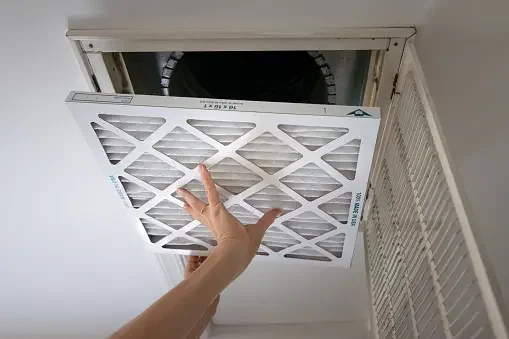
- Filter Replacement: This is the single most impactful task. A dirty filter can increase energy use by 15% immediately. In dusty environments or high-traffic retail spaces, filters may need changing every two weeks.
- Visual Belt Inspection: Check for cracking or fraying. A snapped belt on a Friday afternoon is a classic "avoidable" emergency.
Quarterly Professional Deep-Dives:
- Coil Cleaning: Dirty condenser coils force the compressor to work at higher pressures, which kills efficiency and shortens life.
- Lubrication: Moving parts like bearings and motors need regular grease to prevent friction-based failure.
- Electrical Check: Tighten connections and measure "amp draw" to ensure motors aren't overworking.
Seasonal Preparation for Pittsburgh Weather
In the Pittsburgh metro area, we deal with extreme swings. Our commercial hvac pm programs prioritize seasonal tune-ups to ensure your commercial heating system is ready for a February freeze and your cooling is ready for a July heatwave.
- Spring Preparation: Before the humidity hits, we focus on refrigerant levels, condensate drain cleaning (to prevent indoor floods), and coil washing.
- Fall Preparation: Before the first frost, we perform combustion analysis on furnaces, check heat exchangers for dangerous cracks, and ensure the pilot or ignition system is reliable.
- Freeze Protection: For systems with outdoor piping, we check insulation and heat tape to prevent pipe bursts during St. Clairsville winters.
Maintenance Needs for Common Commercial System Types
Not all commercial systems are created equal. A small retail shop in Washington, PA might use a split system, while a large office building might rely on a massive chiller plant.
Rooftop Units and Split Systems
Rooftop Units (RTUs) are the workhorses of the commercial world. Because they are exposed to the elements 24/7, they require extra attention to their casings and economizer dampers. We check to ensure the dampers aren't stuck open, which would pull in too much freezing air in the winter and drive up heating costs.
Split systems, which have an indoor air handler and an outdoor condenser, often face issues with commercial ductwork installation and refrigerant line leaks. Regular pressure checks are vital here.
VRF and Chiller Maintenance
Variable Refrigerant Flow (VRF) systems are incredibly efficient but technically complex. They use sophisticated controls to send exactly the right amount of heating or cooling to different zones. Maintenance for these focuses heavily on sensor calibration and communication wiring.
Chillers are the heavy hitters. Maintenance here involves water treatment to prevent scale buildup in the heat exchanger. If the water isn't treated correctly, the chiller's efficiency can drop by 30% in a single season.
Regulatory Compliance and Safety Standards
Commercial hvac pm isn't just about saving money; it's about staying legal. There are several federal and local standards that your program must meet. To help you navigate this, we've developed an HVAC preventative maintenance program guide.
Refrigerant Management and Leak Detection
The EPA Section 608 regulations are very strict. Technicians must be certified to handle refrigerants. If a system with more than 50 pounds of refrigerant leaks above a certain threshold (10% for comfort cooling, 20% for commercial refrigeration), the EPA requires a repair within 30 days. Proper record-keeping during your PM visits is the only way to prove compliance during an audit.
Workplace Safety and Air Quality
OSHA and ASHRAE standards (like Standard 180) dictate how much fresh air must be circulated through a building. Poor maintenance leads to "Sick Building Syndrome," where mold in the ductwork or high CO2 levels makes employees sluggish or ill. Regular PM ensures your ventilation stays within these healthy limits, directly impacting workplace productivity.
Frequently Asked Questions about Commercial HVAC PM
How often should a commercial HVAC system be serviced?
For most businesses in our service area, we recommend a quarterly schedule. While a twice-yearly "checkup" is the bare minimum, quarterly visits allow us to catch small issues like a wearing belt or a slow refrigerant leak before they cause a total system shutdown. High-traffic facilities like restaurants or medical clinics often require monthly filter changes.
What is the 5000 rule for HVAC replacement?
This is a handy "rule of thumb" for facility managers. Take the age of the unit and multiply it by the estimated repair cost. If the result is more than $5,000, it is usually more cost-effective to replace the unit rather than repair it. For example, a 12-year-old unit needing a $600 repair (12 x 600 = 7,200) is a candidate for replacement. Still not sure? Read more on whether HVAC maintenance plans are worth it.
Can preventive maintenance lower energy bills?
Absolutely. A dirty air filter alone can increase energy consumption by 15%. When you add in dirty coils, slipping belts, and uncalibrated thermostats, a neglected system can easily cost 20-30% more to operate than a well-maintained one. Check out our HVAC preventive maintenance plans to see how we help businesses keep their overhead low.
Conclusion
At the end of the day, commercial hvac pm is about peace of mind. You have enough to worry about running your business; you shouldn't have to worry about whether your building will be 85 degrees when your employees show up on a Monday morning.
At Smart Climate Solutions, we bring over 20 years of experience to every job site. Whether you are in Pittsburgh, PA, Steubenville, OH, or Weirton, WV, our certified technicians are ready to build a customized maintenance plan that fits your budget and your building's specific needs. We pride ourselves on being fast, reliable, and available 24/7 for our contract customers.
Ready to stop reacting to breakdowns and start protecting your investment? Contact us today to learn more about our commercial HVAC services and let's get your system on the path to a long, efficient life.

.png)
