How Much Does a New AC System Cost in 2026?
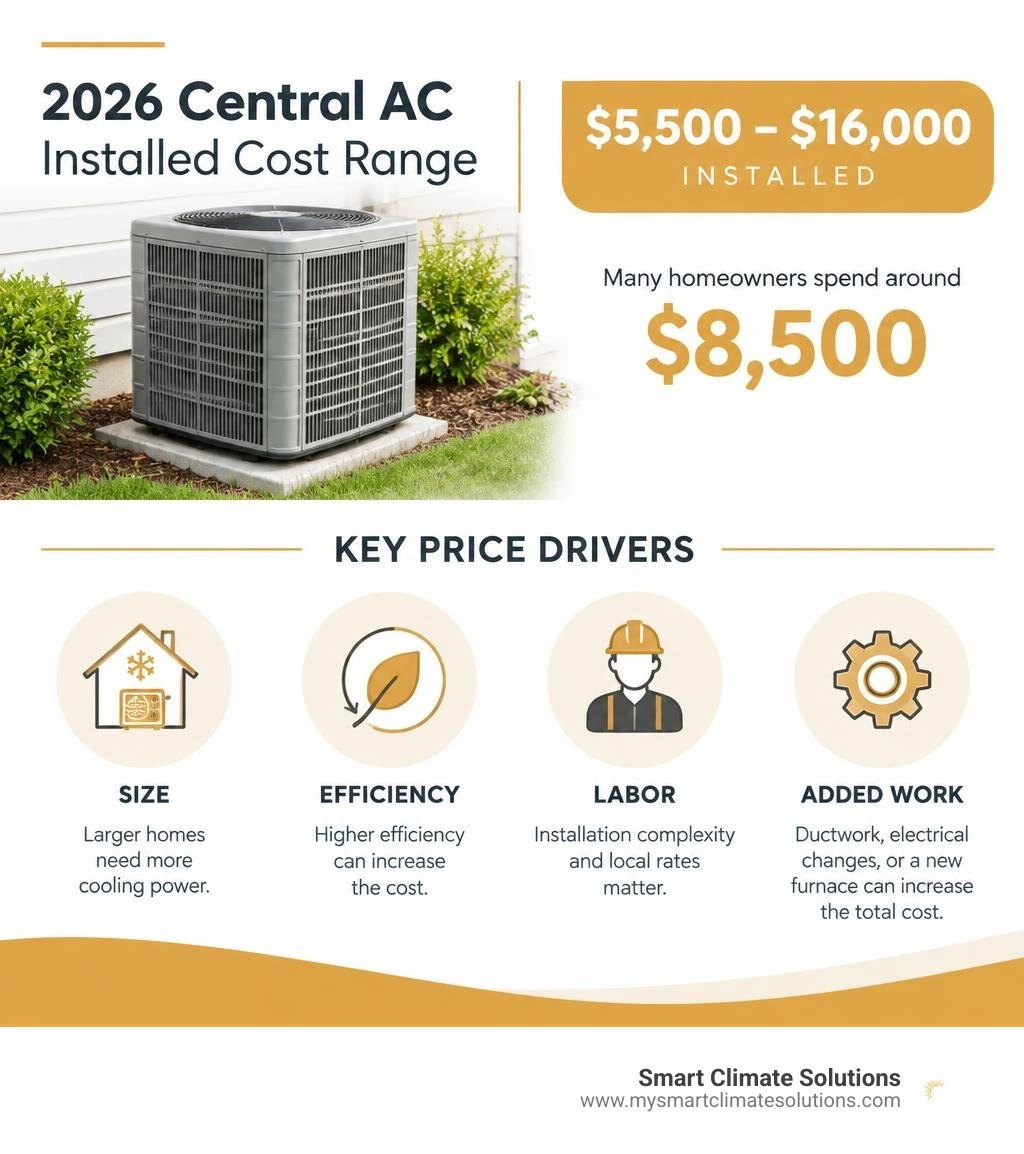
A new central AC system typically costs $5,500 to $16,000 installed in 2026, with many homeowners spending around $8,500. A simple replacement may cost less than a project that needs ductwork, electrical changes, or a new furnace. For a useful budget, compare quotes for the full installation, not just the outdoor unit.
In the Pittsburgh area, the right price depends on your home's cooling needs, the condition of your existing system, and the work required to install the new one. A proper load calculation and a written, itemized quote will tell you more than a price based on square footage alone.
I'm Bill Scott, general manager of Smart Climate Solutions, and I've spent over 20 years helping homeowners make sound heating and cooling decisions. When people search "how much for a new ac system," I help them weigh the full replacement cost against a repair that may still make sense.
Average Pricing: How Much for a New AC System in 2026?
Budgeting for a whole-home cooling upgrade requires looking at total installed costs rather than just the retail price of equipment. Our central air conditioner cost guide for 2026 explains that a standard central AC split-system replacement typically ranges from $13,000 to $16,000 when addressing complex installations, while more straightforward direct swaps on standard homes start closer to $5,500. For extensive projects that involve full system overhauls across larger properties, total investments can reach up to $20,000.
| System Setup & Home Size | Typical Capacity | Average Cost Range (Installed) |
|---|---|---|
| Small Home (Under 1,200 sq. ft.) | 1.5 to 2.0 Tons | $4,500 - $7,500 |
| Medium Home (1,200 - 2,000 sq. ft.) | 2.5 to 3.0 Tons | $6,500 - $11,000 |
| Large Home (2,000 - 3,000 sq. ft.) | 3.5 to 4.0 Tons | $8,500 - $14,500 |
| Premium / Multi-Zone (3,000+ sq. ft.) | 5.0 Tons or Dual Systems | $12,000 - $20,000 |
Equipment Versus Labor Breakdown
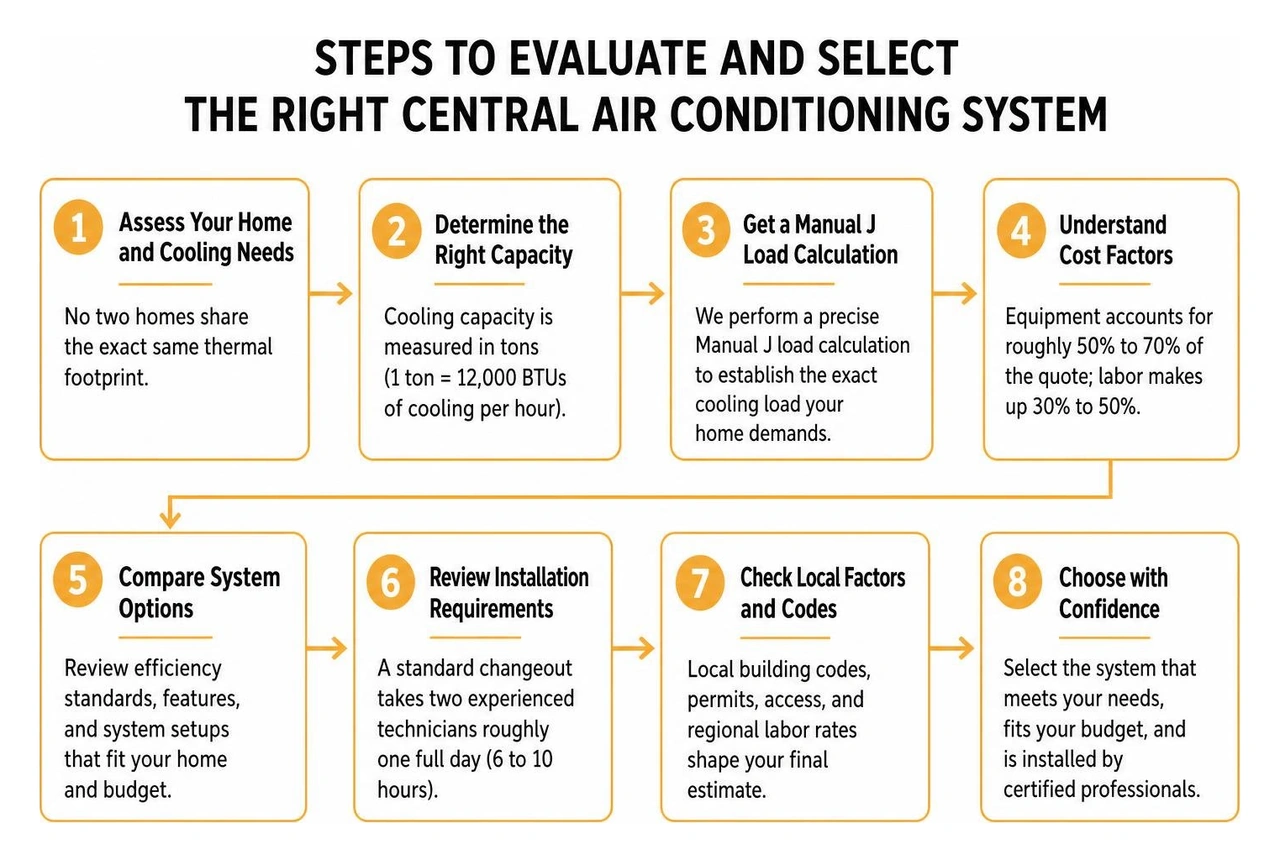
Your total project investment splits between physical machinery and professional trade labor. High-grade equipment accounts for roughly 50% to 70% of the quote, while certified labor makes up 30% to 50% of the total, often translating to $1,200 to $4,000 or more.
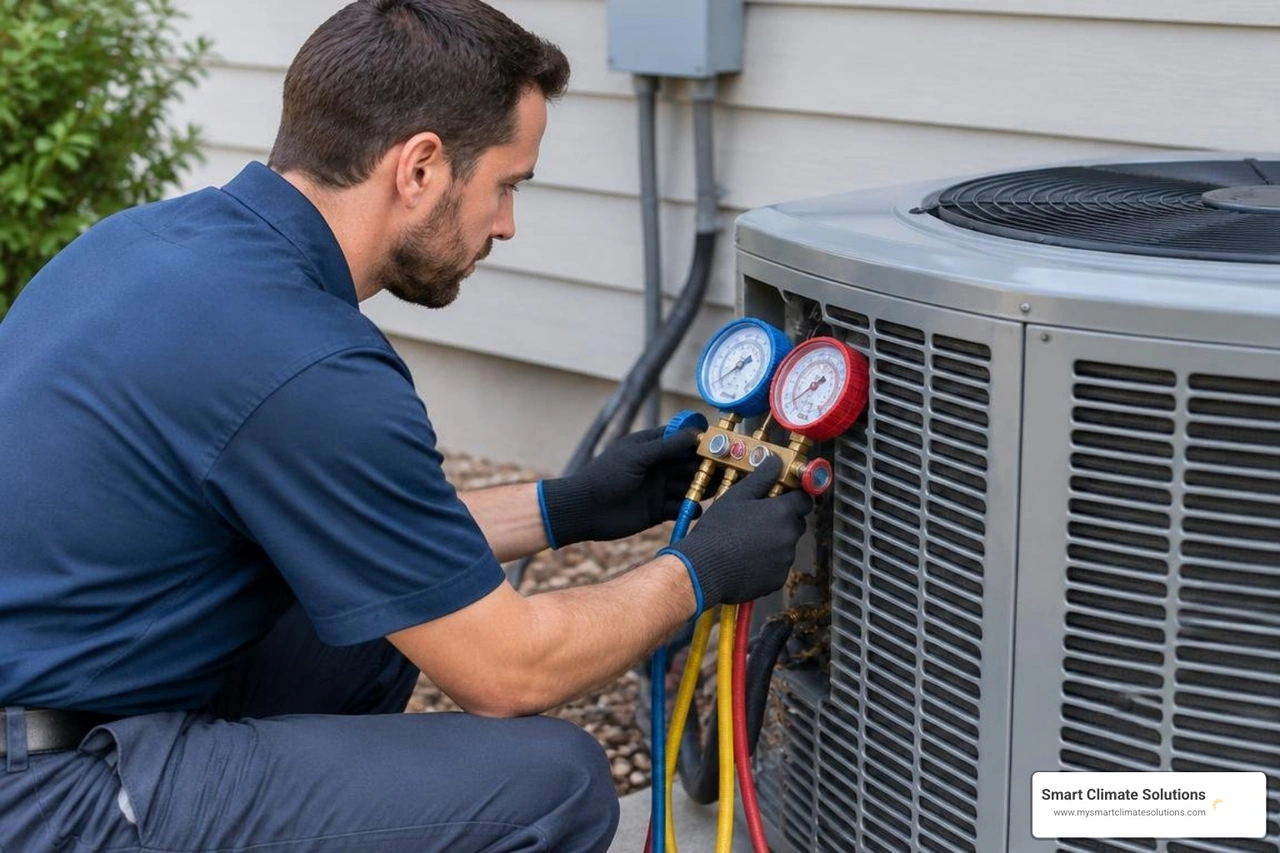
Understanding the full scope of central AC installation cost helps prevent surprises on your final invoice. A standard changeout takes two experienced technicians roughly one full day (6 to 10 hours). If your job requires complex line set routing, code compliance updates, or local municipal permits, installation labor adjusts to reflect that additional time.
Regional Price Factors Across the United States
Regional climate demands heavily shape HVAC equipment standards and contractor pricing. In regions with long, humid summers, cooling systems run thousands of hours per year, requiring higher efficiency minimums and robust moisture removal.
In Western Pennsylvania and neighboring Ohio and West Virginia communities, local building codes, variable seasonal weather, and historic home layouts present specific installation variables. Basement access, aging electrical service, and regional labor rates all play direct roles in final installation estimates.
Key Factors That Determine AC Replacement Pricing
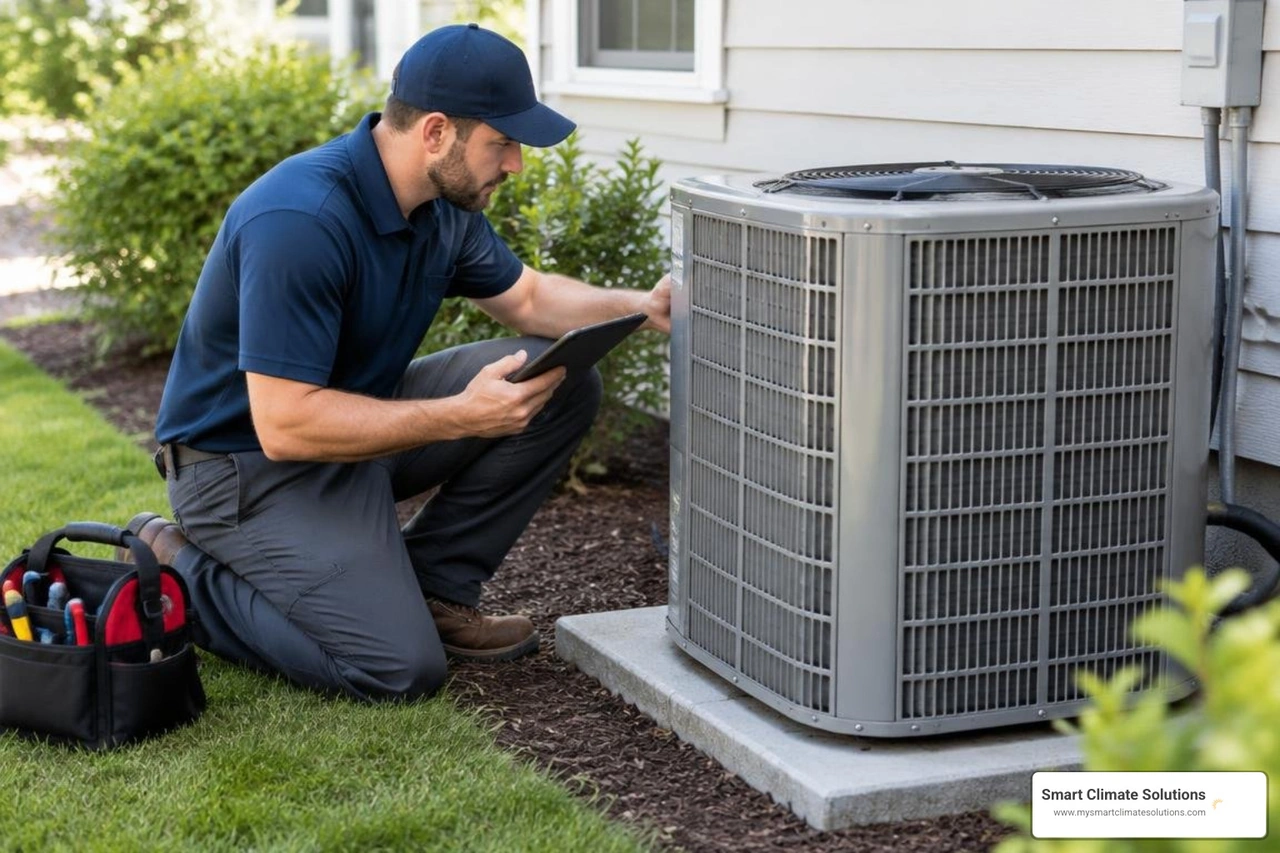
No two homes share the exact same thermal footprint. Evaluating the overall cost of an HVAC system requires factoring in home orientation, window insulation, wall construction, and duct design.
Determining How Much for a New AC System Based on Tonnage
Cooling capacity is measured in tons, where one ton equals 12,000 BTUs of cooling per hour. Residential systems generally range from 1.5 to 5 tons. Choosing an arbitrary tonnage based strictly on square footage can lead to short-cycling or poor humidity control.
We perform a precise Manual J load calculation to establish the exact cooling load your home demands. If you live in an average-sized family home, checking the average replacement costs for a 3-ton system offers a realistic benchmark for standard residential equipment.
How Much for a New AC System with High SEER2 Ratings?
Energy efficiency is measured via SEER2 (Seasonal Energy Efficiency Ratio 2), an updated testing metric that reflects real-world external static pressure. Standard entry-level units start around 14.3 to 15.0 SEER2, while high-efficiency systems reach 18 to 20+ SEER2.
- Single-Stage Systems: Run at 100% capacity whenever active. These provide dependable cooling at the lowest upfront equipment cost.
- Two-Stage Systems: Operate at low capacity for mild days and switch to high output during peak afternoon heat, offering enhanced humidity control.
- Variable-Speed Systems: Continuously modulate output in minute increments. While carrying a higher purchase price, they reduce electrical consumption by 30% to 50% compared to older units, as detailed in our guide on central AC system costs.
Additional Installation Expenses to Budget For
A dependable installation encompasses more than just setting a metal box on a concrete pad. You should also budget for essential supporting infrastructure:
- Ductwork Modifications: Leaky or undersized ductwork can lose 20% to 30% of conditioned airflow. Sealing or modifying runs ensures your new unit achieves its advertised efficiency.
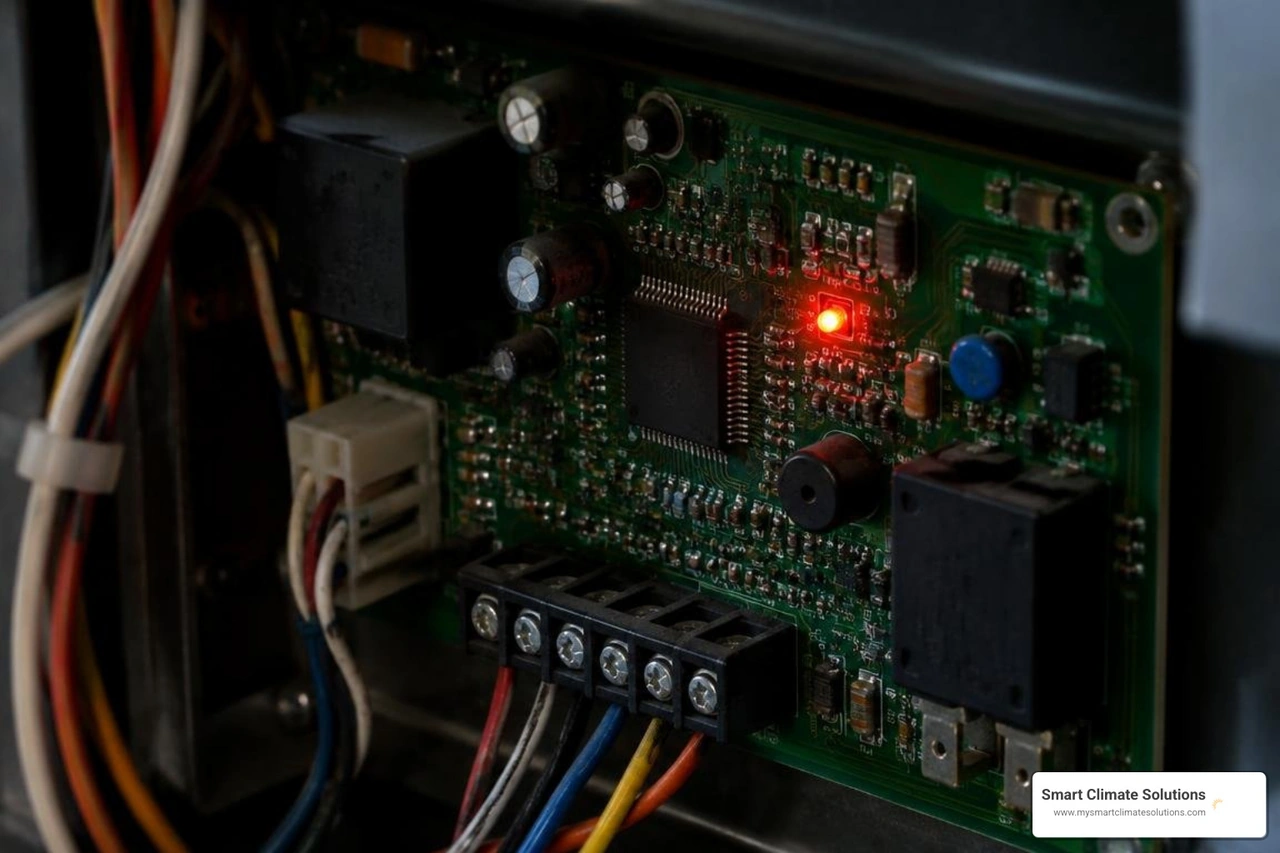
- Electrical Updates: High-performance units or modern variable-speed air handlers may require updated wiring, disconnect boxes, or dedicated breakers.
- Thermostat Integration: Adding a smart, programmable thermostat ensures optimal staging and remote temperature management.
- Condensate Management: Replacing drain pans, safety switches, and dedicated drain lines protects your basement or attic from moisture damage. Reviewing the complete costs of installing central air gives you a clear itemized picture of these auxiliary components.
Replacing the AC Alone vs. Combined Furnace Replacement
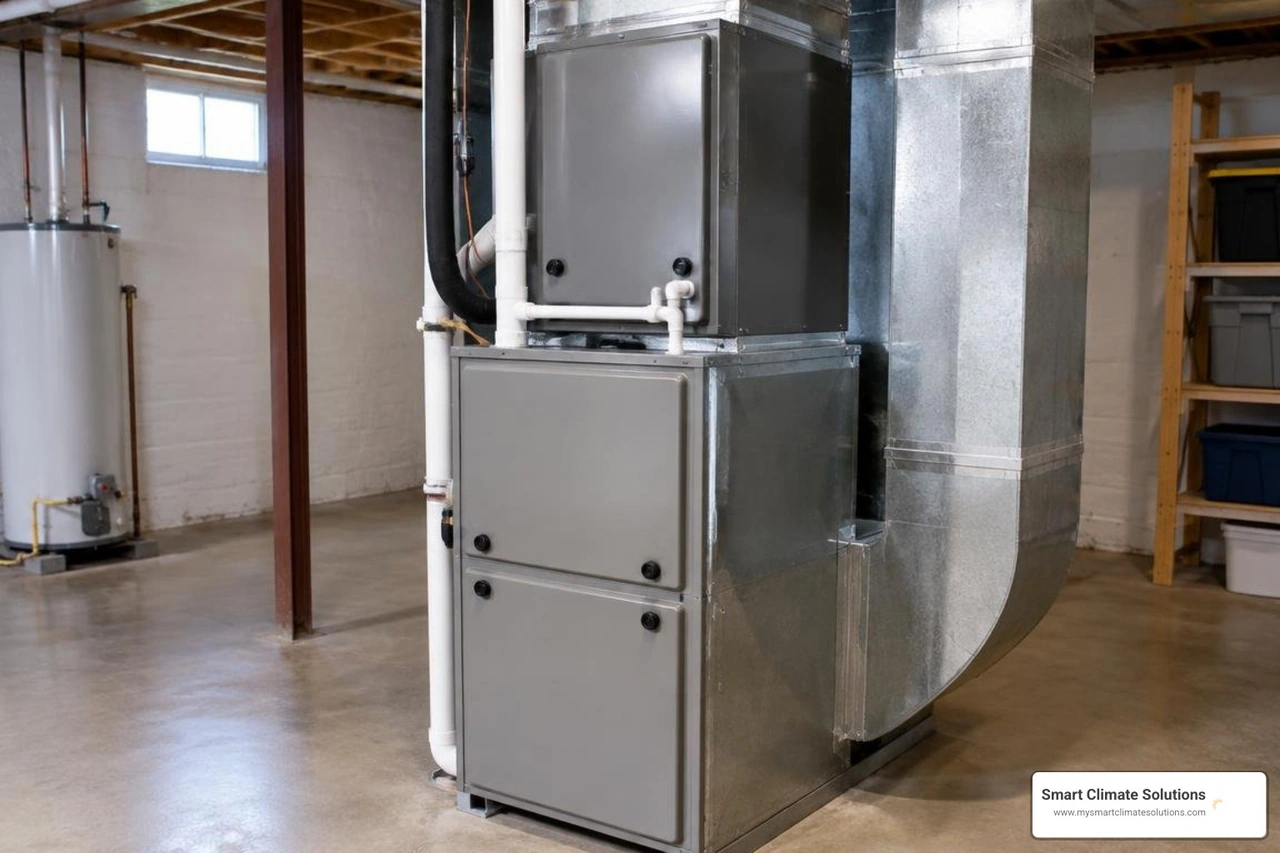
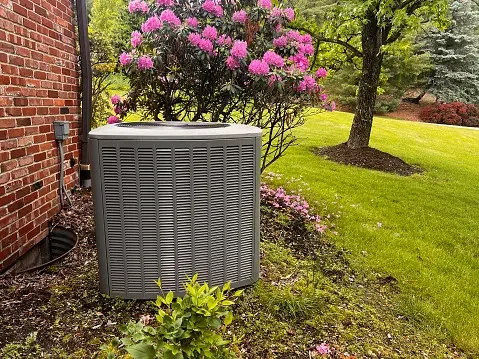
When an air conditioner fails, many homeowners consider swapping only the outdoor condenser. However, central air systems rely on a matched indoor evaporator coil that sits directly above or inside the furnace cabinet. Understanding the costs of replacing an outside AC unit reveals that pairing an advanced outdoor unit with an outdated, mismatched indoor blower motor can restrict airflow, degrade efficiency, and void manufacturer warranties.
When to Replace Both Heating and Cooling Units
If your furnace is over 12 to 15 years old, replacing both units concurrently is often the most cost-effective path. Combining both installations into a single scheduled project reduces total labor hours, shares permit fees, and guarantees that the indoor blower fan motor is aerodynamically matched to your new cooling coil. Our comprehensive HVAC installation services provide matched systems designed to run reliably year-round.
Repair vs. Replace: The 50 Percent Rule
Deciding whether to authorize a repair or replace the entire system comes down to age, reliability, and financial return. Technicians frequently use the 50 percent rule: if a repair estimate approaches 50% of the value of a replacement system, or if an aging unit requires recurrent service visits every summer, full replacement is the smarter investment.
Older units running on phased-out refrigerants face surging chemical recharge fees during breakdowns. Reviewing current pricing data for central air conditioning units allows you to weigh recurring repair bills against the predictable warranty and low operating costs of modern equipment.
Smart Ways to Save on Your AC Investment
Investing in whole-home air conditioning does not mean you have to pay top-dollar emergency rates:
- Local Utility Rebates: Many electric and gas utilities provide direct rebates for installing ENERGY STAR certified or high SEER2 equipment.
- Off-Season Installation: Scheduling your replacement in early spring or late fall when demand is steady can unlock promotional discounts.
- Manufacturer Incentives: Seasonal manufacturer promotions provide instant savings on premium variable-speed and two-stage units.
- Flexible Financing: Modern financing solutions with competitive APRs or 0% interest terms spread project expenses into predictable monthly payments that align with your monthly utility savings.
Frequently Asked Questions About AC Replacement Costs
How long does a new AC system last?
A properly installed modern central air conditioning system typically lasts 15 to 20 years. Maintaining annual tune-ups, keeping the outdoor coil free of yard debris, and replacing air filters regularly ensures your equipment reaches its maximum operational lifespan.
Does a new air conditioning system increase home value?
Yes. An updated, high-efficiency cooling system improves appraisal appeal, boosts home inspection confidence, and reassures prospective buyers that they will not face major mechanical replacement expenses right after moving in.
What is the cheapest time of year to replace an AC?
The spring and fall shoulder seasons are the most cost-effective times to replace an AC system. Moderate outdoor temperatures reduce emergency breakdown calls across the region, allowing contractors to offer seasonal incentives and flexible installation scheduling.
Conclusion
Determining exact costs for your home starts with evaluating your unique layout, duct condition, and comfort goals. At Smart Climate Solutions, our certified technicians bring over 20 years of hands-on experience, providing detailed load calculations, 24/7 support, and transparent written estimates. Explore our detailed guide on the average cost to replace a 3-ton HVAC system to plan your next home comfort upgrade with confidence.