
Start Heater System Repair With These Simple Checks
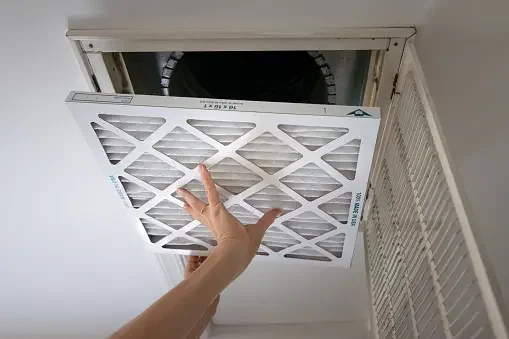
Before scheduling Heater system repair, check the easy fixes first: set the thermostat to Heat, replace weak batteries, confirm the furnace power switch and circuit breaker are on, and inspect the air filter. A clogged filter can restrict airflow, make a furnace overheat, and trigger a safety shutdown. If the system still blows cold air, cycles on and off, makes loud noises, smells like gas or burning wires, or sets off a carbon monoxide alarm, turn it off and call a qualified HVAC technician.
For Pittsburgh, PA homeowners, quick action can help limit discomfort, energy waste, and damage during cold weather. Many common repairs can be finished within a few hours, but gas odors, a loud bang at startup, or a carbon monoxide alert are safety issues, not DIY projects.
I am Bill Scott, general manager of Smart Climate Solutions, with more than 20 years of HVAC experience serving homeowners across Pittsburgh and Southwestern PA. I help customers make smart Heater system repair decisions that restore safe, reliable comfort without pushing replacement when a repair makes better sense.
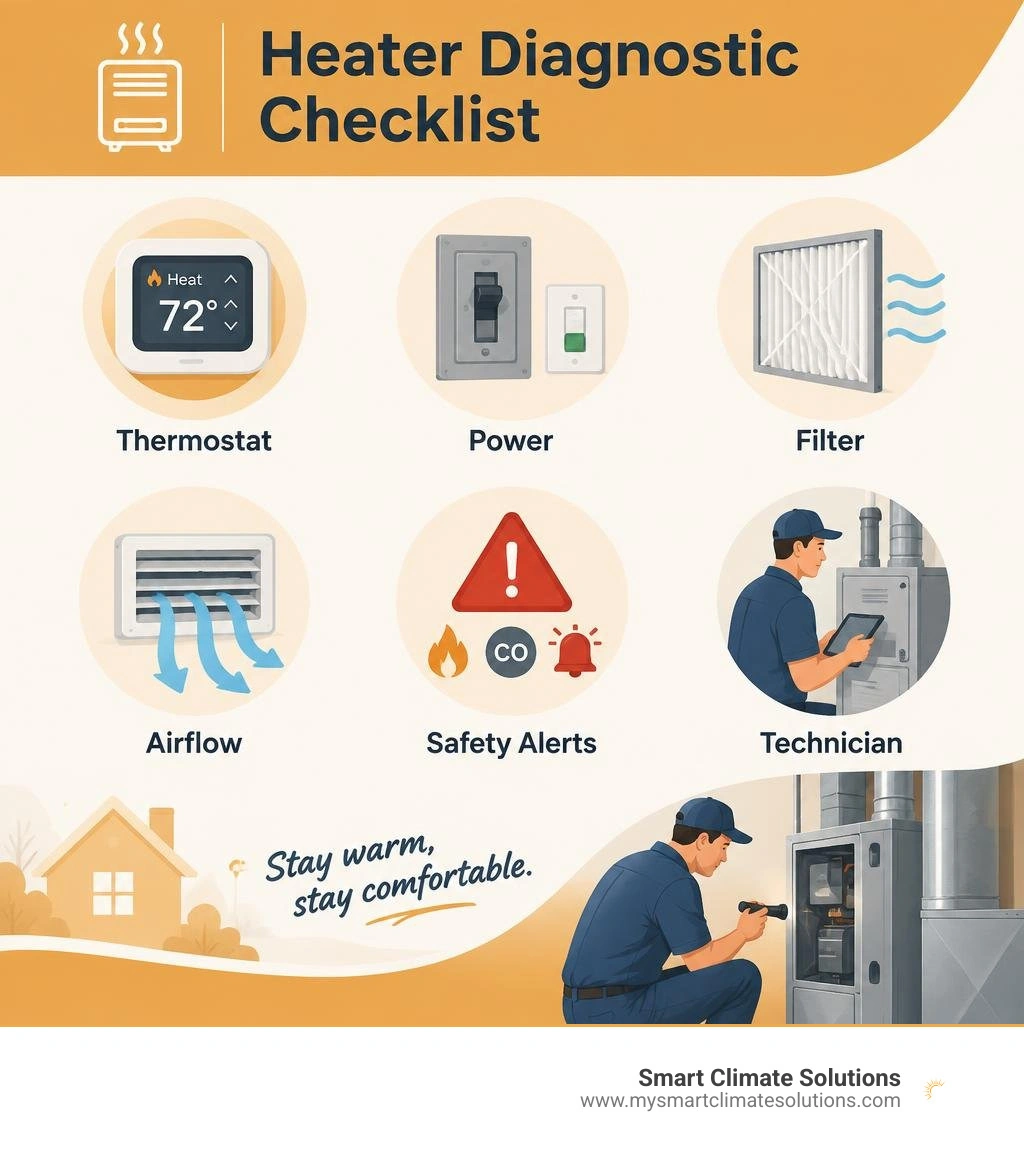
Know your Heater system repair terms:
Common Heating Problems and DIY Troubleshooting Checks
When winter temperatures drop across Western Pennsylvania and the Ohio Valley, you rely heavily on your heating equipment. When performance stumbles, basic troubleshooting can save time and money.
Airflow restrictions, incorrect settings, or miscalibrated thermostats cause a large percentage of service calls. If you find your heating system not working, run through basic diagnostic checkpoints before requesting professional assistance.
| Heater Symptom | Probable Cause | Quick DIY Fix |
|---|---|---|
| System will not start | Dead thermostat batteries or tripped breaker | Replace AA/AAA batteries; reset electrical breaker |
| Lukewarm or cold air | Thermostat fan set to ON instead of AUTO | Switch fan setting to AUTO; inspect filter |
| Furnace turns on and off rapidly | Severely clogged air filter restricting airflow | Replace air filter immediately |
| Weak airflow from vents | Blocked return vents or dirty filter | Clear furniture from registers; swap filter |
| Unusual metallic clicking | Normal duct expansion or failing ignition | Observe cycle; call technician if clicking persists |
DIY Steps Before Calling for Heater System Repair
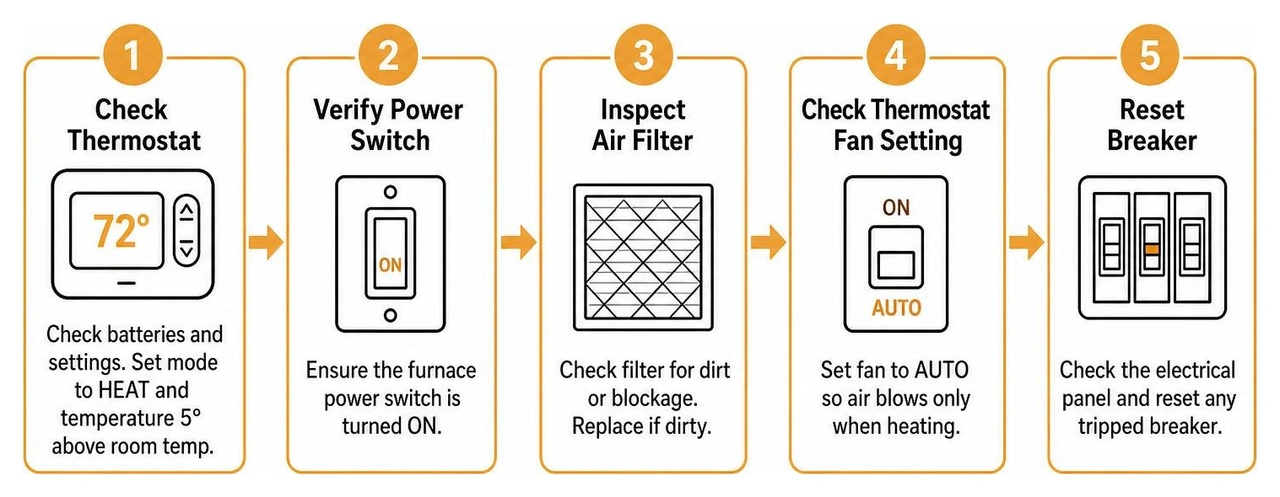
A surprising number of heating breakdowns come down to simple power or airflow interruptions. Work through these steps in order:
- Check your thermostat batteries. A dead battery is one of the most common reasons a furnace appears completely unresponsive.
- Examine the thermostat settings. Ensure the mode is set to HEAT and the target temperature sits at least five degrees above current room temperature.
- Inspect your furnace air filter. A heavily soiled filter suffocates your system, trapping heat until the high-limit safety sensor forces a total shutdown.
- Verify the power switch on or near the furnace cabinet. This switch looks identical to a standard light switch and can be bumped off accidentally.
- Check your main electrical panel for a tripped breaker connected to your heating unit.
Why Is Your Heater Blowing Cold Air?
Feeling chilly drafts when you expect warm air is frustrating. Several distinct issues cause a heating system to circulate cold air:
- Thermostat fan setting: If your fan is switched to ON, the blower runs continuously even when the burners are off. Switch it to AUTO so air only blows while active heating occurs.
- Dirty air filter: When air cannot move freely, the internal heat exchanger overheats. The furnace shuts off its burners for safety while keeping the blower running to cool down the equipment.
- Ignition or pilot light failure: Electronic igniters can crack or wear out, preventing the burners from lighting.
- Heat pump defrost mode: If you use a heat pump during cold snaps in Washington, PA or Steubenville, OH, the unit periodically enters defrost mode to clear outdoor ice. Backup heat strips should engage, but if they fail, the vents blow cool air temporarily.
For regional insights on maintaining comfort, reviewing a heat system repair and service reference or a furnace repair guide provides useful background on airflow dynamics.
Critical Warning Signs and Safety Risks to Watch For
While minor heating quirks can wait for regular business hours, certain warning signs demand rapid intervention. Ignoring mechanical distress can turn a minor fix into a full system failure.
If you encounter persistent cold spots during freezing weather, seek emergency heating solutions to protect your home from frozen plumbing pipes.
Watch out for these critical warning signs:
- A loud boom or bang when the furnace ignites, indicating delayed ignition.
- Pungent burning odors or persistent electrical smells.
- Rapid short cycling, where the unit runs for sixty seconds and abruptly shuts off.
- Visible soot buildup around burner access panels or exhaust vents.
- Frequent temperature swings despite constant thermostat settings.
Dangerous Symptoms of a Cracked Heat Exchanger
The heat exchanger separates toxic combustion gases from the breathable air circulated through your home. If metal fatigue, rust, or constant overheating causes this component to crack, serious hazards arise.
A cracked heat exchanger poses three major dangers:
- Carbon monoxide leakage into living areas. Carbon monoxide is invisible, odorless, and potentially lethal.
- Flame rollout, where burner flames reach outside the combustion chamber and damage wiring.
- Incomplete combustion, which produces high levels of soot and toxic byproducts.
Signs of a failing heat exchanger include an irregular or yellow burner flame (which should burn crisp blue), corrosion on external panels, and audible rattling as metal expands. If your carbon monoxide alarms sound, evacuate immediately and call emergency responders.
Is It Safe to Run a Malfunctioning Heater?
Operating a damaged heater is never recommended. Running an electric furnace with failing sequencers or worn blower motors can cause wiring to overheat, creating an electrical fire hazard.
Running a damaged gas unit risks gas leaks or carbon monoxide exposure. When in doubt, shut off the power switch, close the gas shutoff valve, and contact certified professionals.
When to Schedule Professional Heater System Repair
If basic troubleshooting does not restore steady warmth, it is time to call a certified technician. Professional intervention prevents component damage and ensures your equipment operates safely according to manufacturer specifications.
When you need emergency heating and cooling repair in Pittsburgh, South Hills, or Weirton, look for teams offering 24/7 emergency dispatch and same-day availability. Quick response times keep your family safe during extreme cold snaps. For localized service information, consult our resource on heating repair in Washington.
What to Expect During a Heater System Repair Service
When our certified technicians arrive at your home, you can expect a thorough, organized diagnostic process:
- Multi-point safety evaluation: We check gas pressure, electrical connections, safety switches, and heat exchanger integrity.
- Diagnostic testing: We test igniters, flame sensors, blower motors, and draft inductors under active load.
- Upfront, transparent pricing: We explain the exact issue and provide a complete quote before any repair work begins.
- Fast execution: Many common heater repairs can be completed within a few hours because our service vehicles stay stocked with universal replacement parts.
- Post-repair safety test: We cycle the system, calibrate airflow, and test combustion efficiency to ensure proper performance.
Homeowners in other areas often consult regional guides like heating repair services in South Jersey to understand standard service procedures.
Repair Guarantees and Part Warranties
Quality heating repairs should always come backed by solid guarantees. We provide clear pricing with no hidden fees, meaning the quote you approve is the price you pay.
Our repairs use OEM or high-grade universal parts backed by manufacturer warranties, alongside our labor coverage for complete peace of mind.
Deciding Whether to Repair or Replace Your Heating Unit
Homeowners often face a tough decision: should you repair an aging heating system or invest in a new one?
Use the standard 50 percent rule: if your furnace is over 15 years old and the estimated repair cost exceeds 50 percent of a new system installation, replacement is generally the smarter financial move.
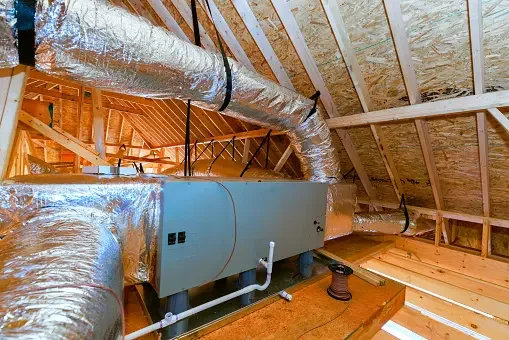
Consider these core factors when deciding:
- Equipment age: Most furnaces have an expected service life of 15 to 20 years.
- Frequency of repairs: If you have called for service multiple times over the past two winters, component fatigue is setting in.
- Energy efficiency: Older units often run at 60 to 70 percent AFUE, whereas modern systems deliver up to 98 percent efficiency, significantly reducing monthly utility bills.
- Operating costs: Upgrading to a modern heater system for your home can lower ongoing utility expenses. You will save a minimum of 30% on your heating and cooling costs or we will refund double-the-difference of your savings not realized during the first year on qualifying deluxe or higher systems.
Homeowners planning future upgrades in our service area can review our comprehensive heating plan for Pittsburgh, PA and the dedicated Pittsburgh heating repair guide for cost comparisons.
How to Prevent Future Breakdowns and High Energy Bills
The most affordable repair is the one you never have to make. Routine preventative care keeps mechanical parts clean, properly lubricated, and operating at peak energy efficiency.
To protect your system:
- Replace standard 1-inch air filters every 30 to 90 days.
- Keep all supply and return vents unobstructed by rugs, drapes, or furniture.
- Clear the area surrounding your furnace cabinet, leaving at least three feet of clearance for proper combustion air intake.
- Schedule a comprehensive annual heating system check every autumn before the cold weather arrives.
For broader regional climate maintenance, check our resource on heating and cooling in PA to keep your equipment ready for shifting seasonal demands.
Long-Term Value of Regular Maintenance Plans
Enrolling in structured heating maintenance plans provides substantial long-term benefits. Regular servicing extends overall equipment lifespan, preserves manufacturer warranties, and ensures optimal combustion safety.
Routine care detailed in our heating system tune-up guide helps catch minor component wear before it leads to mid-winter emergency outages. Customers also benefit from priority dispatch during high-demand freeze events, as outlined in our 24-hour heating repair guide.
Frequently Asked Questions About Heater Repairs
How long does a typical heating repair take?
Many common heater repairs can be completed within a few hours. Standard tasks like swapping a faulty flame sensor, replacing a broken hot surface igniter, or installing a new blower capacitor are quick jobs when performed by an experienced technician with a fully stocked service vehicle.
How quickly can a technician respond to an emergency heating breakdown?
We provide 24/7 emergency dispatch and same-day service throughout Pittsburgh, South Hills, Washington, Burgettstown, and surrounding areas. Our local team prioritizes no-heat emergencies during freezing temperatures to keep your home safe and warm.
How can a dirty air filter shut down my entire furnace?
A clogged filter is one of the leading causes of furnace shutdowns. When airflow is blocked, heat builds up rapidly inside the heat exchanger. The furnace high-limit switch detects this dangerous temperature spike and cuts power to the burners to prevent fire hazards or cracked metal components.
Conclusion
Restoring reliable home warmth does not have to be stressful or confusing. By checking thermostat settings, inspecting electrical breakers, and regularly replacing air filters, you can solve simple heating issues on your own. When deeper mechanical problems, delayed ignition, or safety concerns arise, relying on certified professionals ensures your system operates safely and efficiently.
Smart Climate Solutions brings over 20 years of dedicated HVAC experience to homeowners across Pittsburgh PA, South Hills PA, Burgettstown PA, Washington PA, Steubenville OH, St. Clairsville OH, and Weirton WV. Whether you need immediate emergency repairs, seasonal tune-ups, or honest advice on system replacement, explore our expert HVAC services today to schedule fast, reliable service.

.png)
