What to Do When Your AC Stops Working
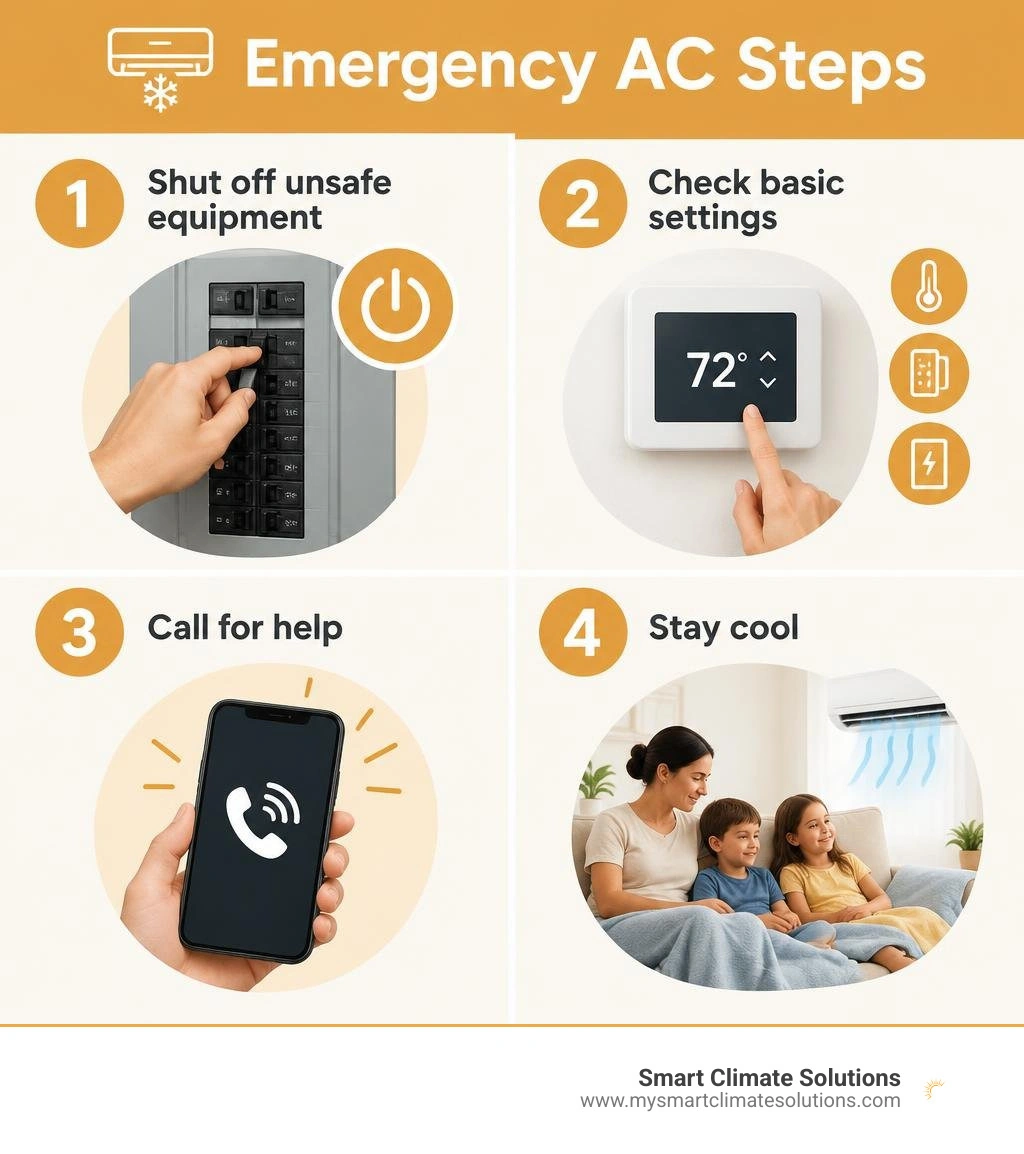
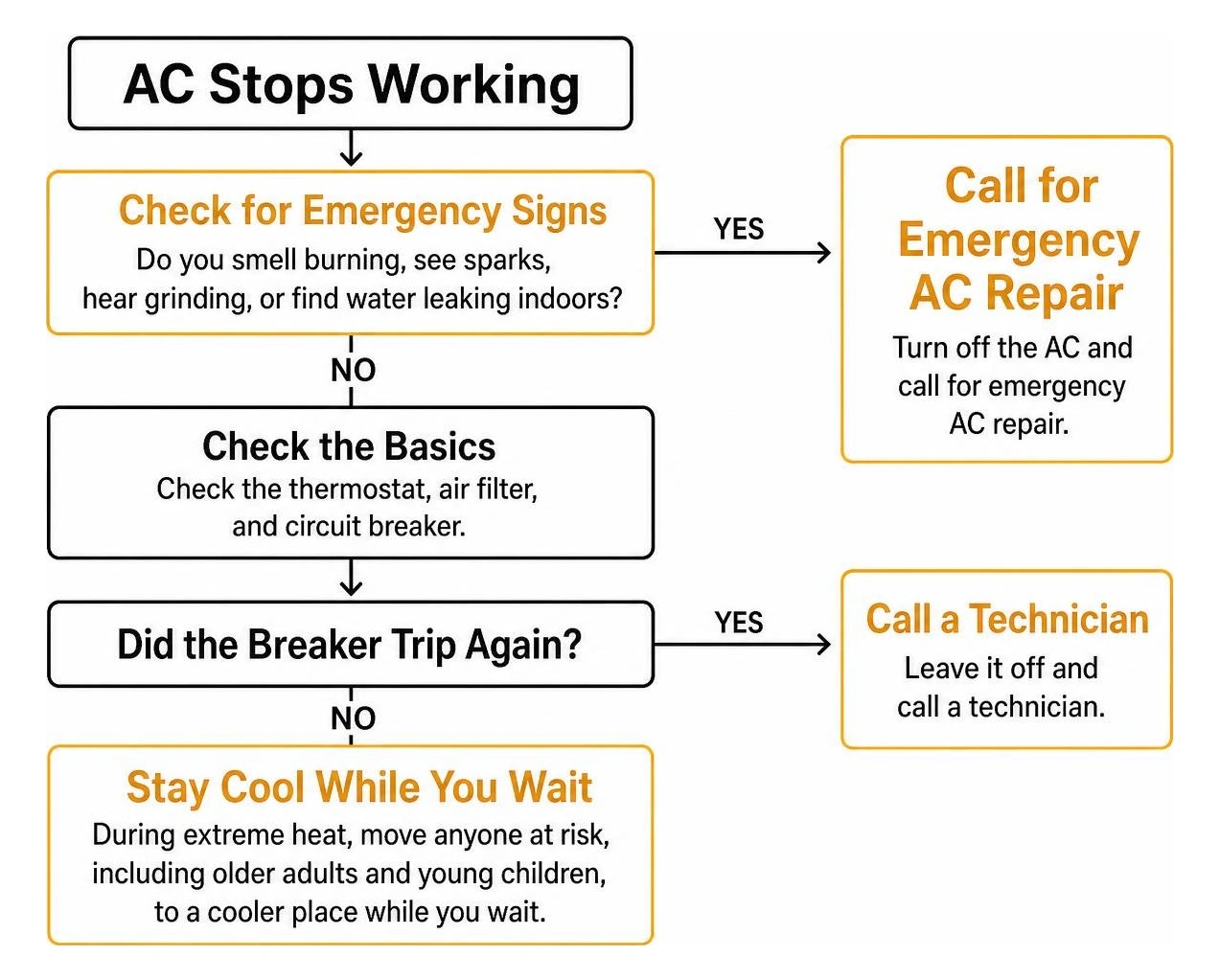
If you smell burning, see sparks, hear grinding, or find water leaking indoors, turn off the AC and call for emergency ac repair. Otherwise, check the thermostat, air filter, and circuit breaker. If the breaker trips again, leave it off and call a technician. During extreme heat, move anyone at risk, including older adults and young children, to a cooler place while you wait.
I'm Bill Scott, general manager of Smart Climate Solutions. I've spent over 20 years helping Pittsburgh-area homeowners with urgent HVAC challenges, providing 24/7 HVAC emergency repair while looking for a sensible repair before recommending full replacement. Our team also assists when you need prompt 24 hour heating repair or find your heating system not working during sudden seasonal shifts.
When to Call for Emergency AC Repair Services
A cooling failure on a humid summer afternoon can turn an uncomfortable living space into a safety hazard within hours. When outdoor temperatures climb above 90 degrees Fahrenheit, indoor temperatures can jump by 20 to 30 degrees in just two to three hours without active air conditioning. Understanding the boundary between a standard service request and an urgent breakdown helps you protect both your family and your property.
When a sudden breakdown occurs, arranging prompt 24-hour emergency AC repair becomes essential to prevent severe thermal stress and structural moisture issues.
Signs You Need Emergency AC Repair Immediately
Certain air conditioning symptoms demand immediate shutdown and rapid professional intervention. Do not leave the system running if you notice any of the following critical indicators:
- Pungent Electrical or Burning Odors: Persistent plastic, rubber, or wiring smells suggest overheating blower motors, burned wiring harnesses, or melting capacitor insulation.
- Harsh Mechanical Grinding or Screeching: Loud metal-on-metal noises usually mean motor bearings have completely seized or the compressor internals are failing.
- Active Water Flooding: A blocked condensate drain pan that overflows into finished living spaces, ceilings, or drywall can cause rapid water damage and mold growth.
- Refrigerant Hissing Combined with Health Symptoms: Hissing or bubbling along refrigerant lines paired with headaches, dizziness, or eye irritation points to an active chemical leak.
- Severe Heat with Vulnerable Occupants: Total cooling loss during heat advisories when elderly relatives, infants, or individuals with chronic health conditions are present is always an emergency.
Non-Emergency HVAC Issues That Can Wait
Not every air conditioning malfunction requires an after-hours service call. If ambient indoor temperatures remain safe and no structural or electrical threats exist, you can schedule regular daytime service and avoid after-hours dispatch fees:
- Minor Airflow Reductions: A subtle decline in vent airflow without ice or strange odors can wait for normal business hours.
- Slight Temperature Variations Between Rooms: Mild imbalances across upstairs and downstairs zones indicate airflow balancing or duct dampers needing adjustment rather than an emergency.
- Gradual Efficiency Loss: A slow creep in monthly electric utility bills is an indicator for seasonal maintenance rather than midnight triage.
- Persistent Non-Burning Musty Odors: A slight damp smell upon startup usually points to standard drain pan biological buildup that can be cleaned during a standard appointment.
Immediate Troubleshooting Steps Before Calling a Technician
Before picking up the phone for emergency service, performing a few basic safety and operational checks can save both time and money. Homeowners resolve approximately 20% of sudden cooling problems through simple troubleshooting.
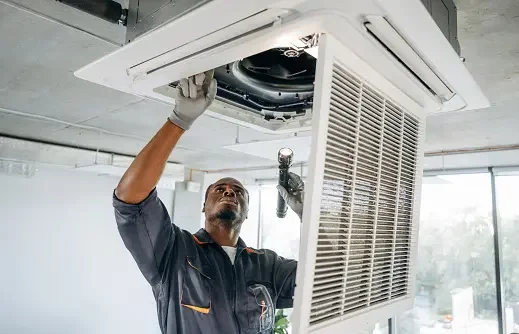
Checking Thermostat, Breakers, and Filters
Work through these straightforward steps to confirm the breakdown is not caused by an easily reversible setting or simple power interruption:
- Check the Thermostat Display and Settings: Confirm the thermostat is set to "Cool" and the target temperature is set at least five degrees below the current room reading. Replace standard AA or AAA backup batteries if the display appears blank or unresponsive.
- Inspect the Electrical Panel: Locate the double-pole circuit breaker labeled for your air conditioner and heat pump. If it has tripped to the center position, firmly switch it fully "Off" and then back "On" once. If it trips again instantly, leave it off to prevent electrical damage.
- Inspect and Replace the Air Filter: A heavily clogged air filter chokes system airflow, forcing the evaporator coil to freeze and triggering high-pressure limit switches that shut the system down. Replace dirty, gray filters immediately.
- Clear Outdoor Condenser Surroundings: Ensure tall grass, weeds, fallen leaves, and outdoor furniture remain at least three feet away from the exterior condenser cabinet so heat can disperse freely.
Safe System Shutdown and Thawing Frozen Coils
If you discover solid ice encasing your indoor evaporator coil or wrapping around the outdoor copper refrigerant lines, shut the system off at the thermostat immediately. Running an air conditioner with frozen coils acts as an insulating block against heat transfer, rapidly starving the compressor of lubrication and causing catastrophic motor burnout.
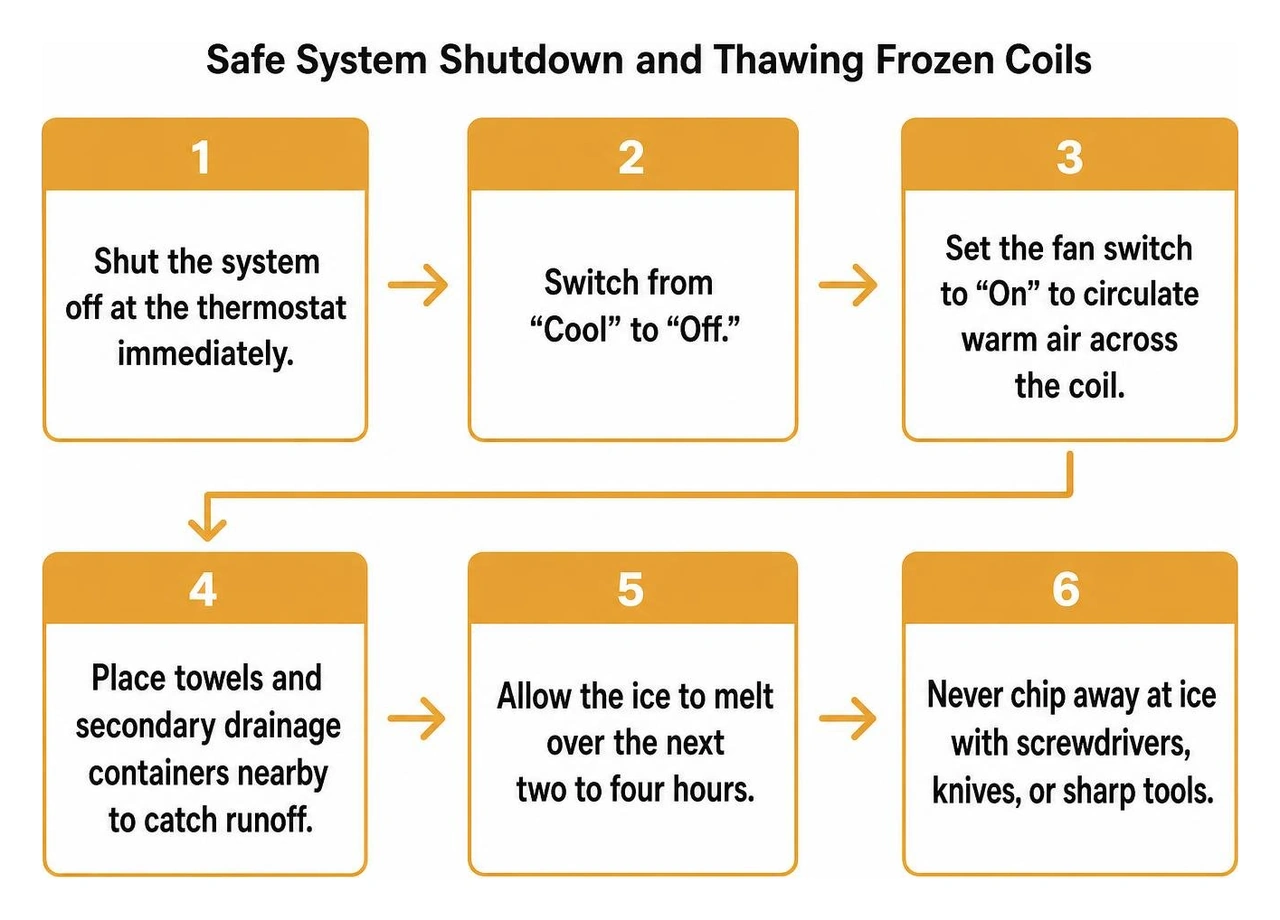
Switch the thermostat from "Cool" to "Off," and set the fan switch to "On" to circulate warm ambient air across the coil. Keep towels and secondary drainage containers nearby to catch runoff as the ice melts over the next two to four hours. Never chip away at ice with screwdrivers, knives, or sharp tools, as puncturing the delicate aluminum fins or copper tubing will cause costly refrigerant leaks.
What to Do While Waiting for Help and Managing Heat Risks
Once an emergency service call is placed, focus on keeping your home as cool as possible while technicians are in transit.
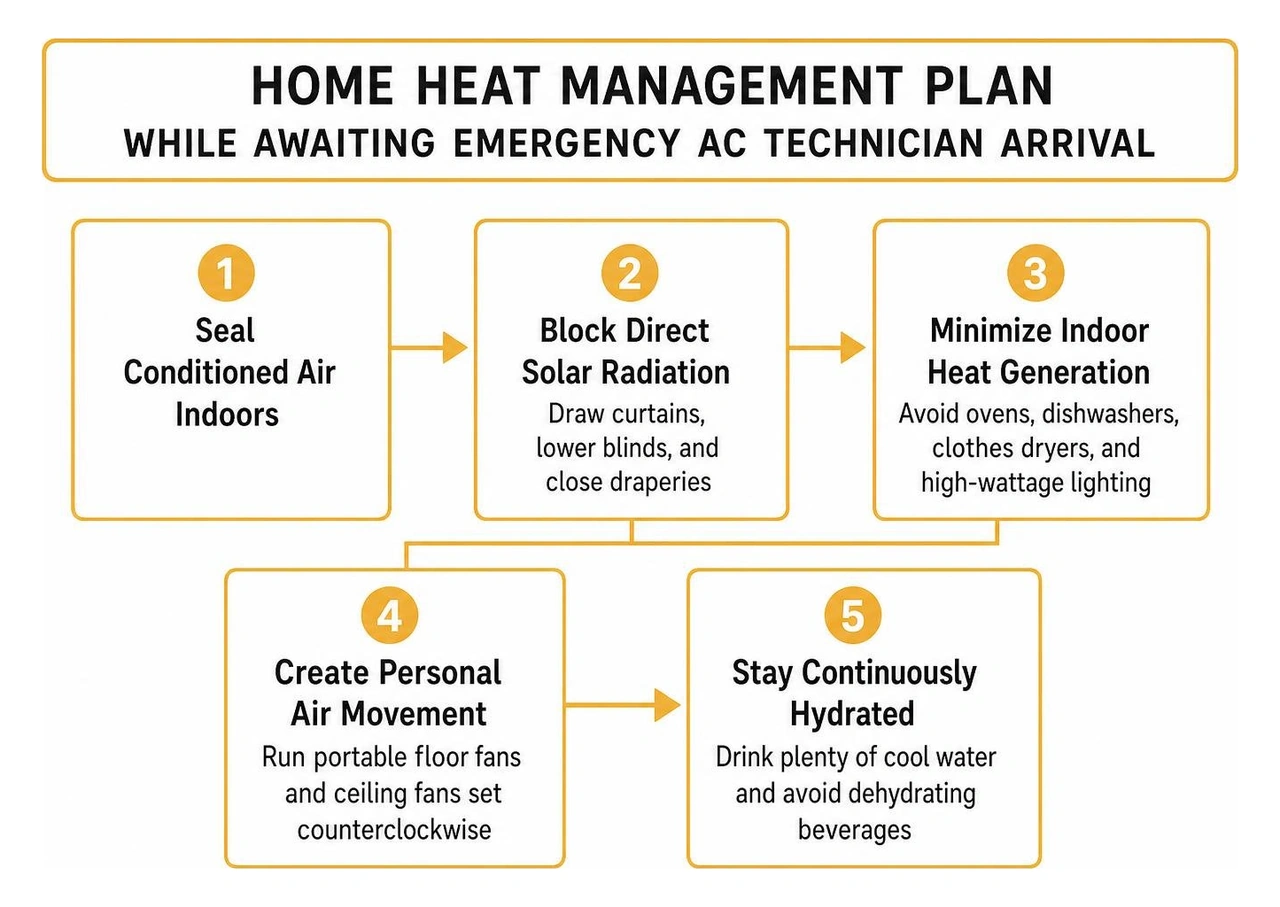
- Seal Conditioned Air Indoors: Keep all exterior doors and windows tightly closed to trap remaining cool air.
- Block Direct Solar Radiation: Draw blackout curtains, lower blinds, and close draperies on south- and west-facing windows.
- Minimize Indoor Heat Generation: Avoid using ovens, dishwashers, clothes dryers, and high-wattage incandescent lighting.
- Create Personal Air Movement: Run portable floor fans and ceiling fans set counterclockwise to create a wind-chill cooling effect across the skin.
- Stay Continuously Hydrated: Drink plenty of cool water and avoid dehydrating beverages like alcohol and excess caffeine.
Residents needing fast regional dispatch can contact our team for trusted emergency HVAC service in Pittsburgh to secure prompt assistance during high-temperature events.
Protecting Vulnerable Family Members During Extreme Heat
Extreme heat is a serious physiological threat, especially during summer weather spikes. High indoor temperatures strain cardiovascular systems, elevate respiration rates, and impair natural sweating mechanisms.
Infants, older adults, and family pets are exceptionally susceptible to heat exhaustion and heat stroke. If indoor conditions become stifling, move vulnerable family members to an air-conditioned room with a temporary portable unit, visit a nearby cooling center or family member's home, or take shelter in shaded lower basements where ground temperatures stay cooler.
What to Expect During an Emergency AC Repair Visit

When an emergency technician arrives at your home, they will conduct a structured diagnostic inspection:
- Initial Operational Assessment: The technician listens to your description of the failure, checks active thermostat error codes, and verifies power delivery at the disconnect switch.
- Electrical and Mechanical Testing: Using multimeters and specialized tools, they evaluate dual-run capacitors, contactor points, relay boards, and motor winding resistance.
- Refrigerant and Airflow Diagnostics: High-pressure gauges and digital thermal probes measure operating pressures, subcooling, superheat, and static airflow across ductwork.
- Clear, Upfront Pricing: You receive an exact written quote explaining the failed component, required parts, and labor before any billable repair work begins.
- Targeted Repair and Verification: Stocked service trucks carrying over 200 universal parts allow technicians to resolve more than 85% to 90% of emergencies in a single visit. After replacing components, technicians test the system through a full 15-to-20-minute operational cycle to verify proper cooling.
Costs, Repair Versus Replace, and Preventing Future Breakdowns
Budgeting for an unexpected cooling breakdown helps homeowners make sound financial decisions under pressure. Reliable air conditioner repair services should always provide transparent cost breakdowns before starting work.
Average Emergency Repair Costs and After-Hours Rates
Standard emergency service calls involve a diagnostic fee, component replacement parts, and labor. Most routine residential emergency repairs cost between $150 and $450 for common electrical and mechanical fixes.
- Dual-Run Capacitor Replacement: $150 to $250
- AC Contactor Replacement: $175 to $300
- Condensate Drain Line Clearing and Float Switch Repair: $150 to $350
- Blower Fan Motor or Condenser Fan Motor Replacement: $350 to $550
- Refrigerant Leak Detection and Recharge: $250 to $450+ (depending on volume and refrigerant type)
After-hours, weekend, or holiday service calls often include a dedicated dispatch fee ranging from $99 to $199, with labor billed at adjusted rates. Transparent providers explain these fee structures clearly over the phone so there are never surprises on the final invoice. If you need immediate round-the-clock assistance, explore our dedicated options for 24-hour AC repair.
Deciding Whether to Repair or Replace Your Unit
When faced with a major mechanical breakdown, such as a seized compressor or extensive evaporator coil corrosion, you must evaluate whether continuing to repair the unit makes financial sense.
| Evaluation Metric | Favor Emergency AC Repair | Favor Full System Replacement |
|---|---|---|
| System Age | Equipment is under 10 years old | Equipment is over 12 to 15 years old |
| Repair Cost vs Value | Repair cost is under 30% of replacement value | Repair cost exceeds 50% of overall equipment value |
| Refrigerant Type | Uses modern R-410A or newer refrigerants | Uses phased-out R-22 refrigerant |
| Frequency of Failures | First breakdown in several seasons | Repeated emergency breakdowns over past 2 summers |
| Cooling Performance | Consistently cooled home evenly prior to breakdown | Struggled to maintain set temperatures, continuous cycling |
| Compressor Integrity | Compressor is healthy; auxiliary component failed | Compressor has suffered severe internal electrical burnout |
Minor repairs on relatively new, well-maintained systems are almost always the right choice. However, if an aging unit with obsolete refrigerant suffers a major motor failure, putting thousands of dollars into a short-term fix can cost more over time than upgrading to a high-efficiency system.
For localized options, homeowners can consult our guide on AC repair in Pittsburgh to review localized repair and replacement considerations.
Frequently Asked Questions About Emergency Cooling Breakdowns
How quickly can an emergency HVAC technician arrive?
Emergency dispatch response times generally range between 1 and 2 hours, depending on current traffic conditions, geographic distance, and regional call volumes. During heat advisories, service calls are prioritized based on safety risks, focusing first on households with medically vulnerable occupants, infants, or older adults.
Why is my AC running constantly but blowing warm air?
A system that runs continuously without cooling usually suffers from an interrupted heat transfer loop. Common culprits include a failed run capacitor that prevents the outdoor compressor from starting, low refrigerant levels from a pinhole coil leak, a severely clogged air filter, or heavy dirt buildup across the outdoor condenser fins.
Can running a broken AC cause permanent compressor damage?
Yes. Operating an air conditioning system with restricted airflow, low refrigerant, or short-cycling electrical controls forces the compressor motor to run at extreme temperatures without adequate lubrication. A neglected $150 capacitor issue or minor $300 refrigerant leak can quickly escalate into a catastrophic $2,000 compressor burnout if the unit is left running.
Conclusion
A sudden air conditioning breakdown on a hot day is stressful, but taking prompt, structured action protects your home and family. Shut down unsafe equipment, run through basic thermostat and power checks, seal in your cool indoor air, and contact certified professionals to restore safe, reliable cooling.
At Smart Climate Solutions, our certified technicians bring over 20 years of experience to every service call, offering 24/7 emergency response throughout Western Pennsylvania, the Northern Panhandle of West Virginia, and Eastern Ohio. For comprehensive tune-ups, fast emergency response, and dependable maintenance, turn to our team for complete HVAC service and repair to keep your home comfortable all summer long.