What's the Average Cost to Install Central Air?
For homeowners asking "what's the average cost to install central air," the national average is about $8,750. Most projects cost $5,800 to $14,400. Replacing an existing system is usually less expensive than adding central air to a home that needs new ductwork.
Your price depends on the size of your home, the condition of its ducts, the system's efficiency, and the labor needed to install it. An itemized quote will show which of those costs apply to your home.
I'm Bill Scott, general manager of Smart Climate Solutions. After more than 20 years in HVAC, I've helped Pittsburgh-area homeowners turn "what's the average cost to install central air" into a budget based on their homes.

What's the Average Cost to Install Central Air in 2026?
In 2026, residential cooling projects span a wide financial spectrum. For standard system change-outs where usable ductwork already exists, buying and installing a new central AC unit costs between $3,800 and $7,900. When homes require structural adaptations or entirely new airflow pathways, total costs can climb beyond $15,000.
The national average across all installation types is $8,750, with basic replacements starting at $3,750 and complex architectural retrofits reaching upwards of $18,000. Our detailed central air installation cost guide provides itemized regional estimates.
| Project Scope | Equipment Cost Range | Labor & Permitting Range | Typical Total Investment |
|---|---|---|---|
| Direct Unit Replacement (Existing Ducts) | $2,500 - $5,500 | $1,500 - $3,500 | $4,000 - $9,000 |
| Full HVAC Replacement (AC + Furnace) | $3,500 - $7,500 | $2,000 - $5,000 | $5,500 - $12,500 |
| New System with Duct Retrofit | $3,500 - $8,000 | $5,000 - $11,400 | $8,500 - $19,400 |
| High-Efficiency System in Historic Home | $5,000 - $10,500 | $6,000 - $12,000 | $11,000 - $22,500 |
Split Systems vs Packaged Units
The structural architecture of your cooling equipment directly affects the overall central AC system cost.
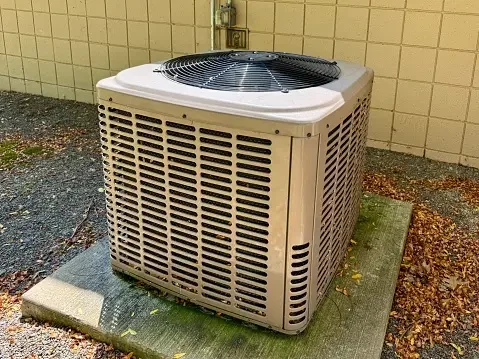
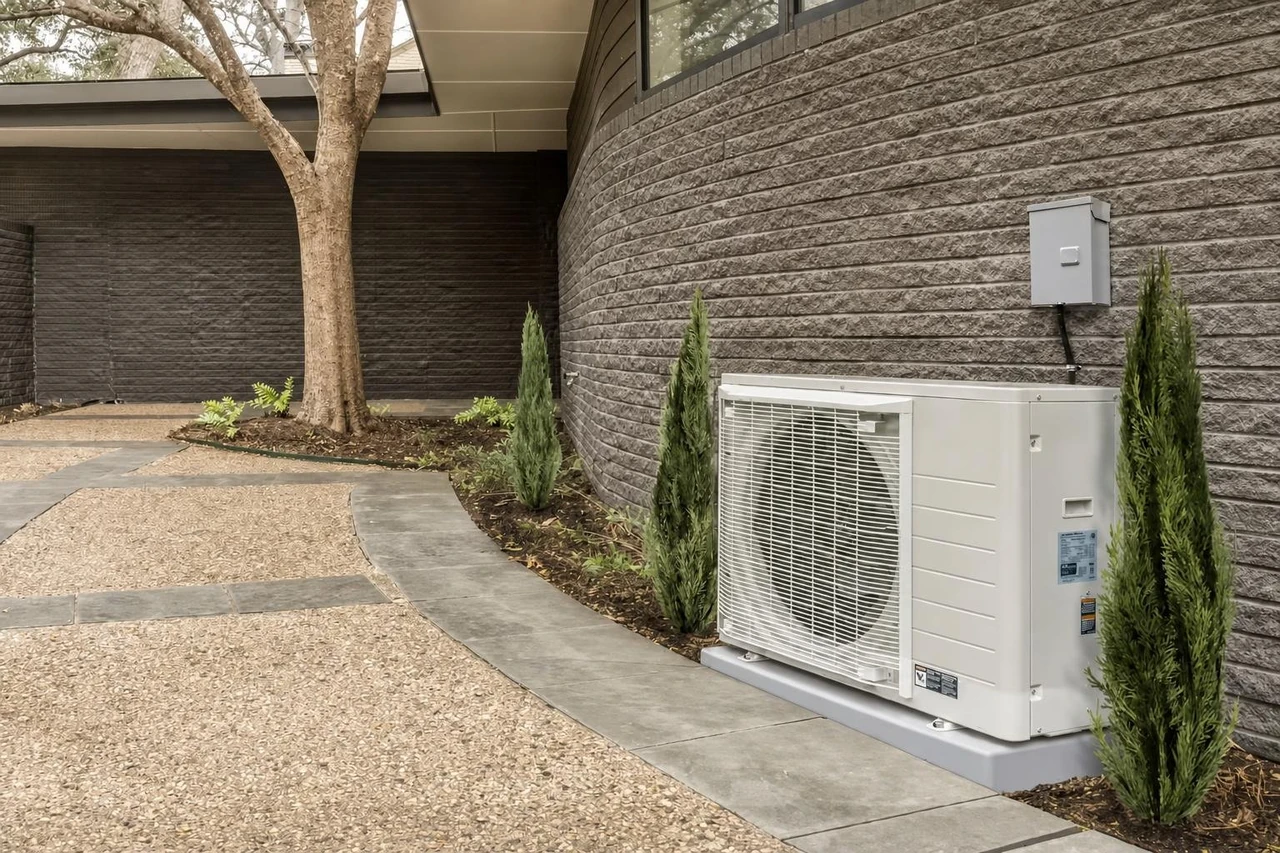
- Split Systems: The most common residential configuration consists of an outdoor condenser unit paired with an indoor evaporator coil and blower assembly (often shared with a gas or electric furnace). Standalone equipment prices for split systems generally run from $3,800 to $7,700 before labor.
- Packaged Units: In homes where interior utility space or basement clearance is minimal, a self-contained packaged unit houses all mechanical components inside a single exterior cabinet. Packaged units typically run between $4,000 and $8,500 for the equipment alone.

Labor and Permit Expenses
Labor rates for licensed HVAC professionals typically range from $75 to $250 per hour depending on geographic demand and project complexity. Total labor expenses for a standard swap-out usually land between $1,500 and $3,500, while complex custom duct builds can require $2,215 to $5,325 or more in direct workforce charges.
Local building authorities in areas like Bethel Park, Canonsburg, and Washington require municipal mechanical and electrical permits before installation begins. These safety permits ensure that equipment meets National Electrical Code standards and local structural guidelines. Building permits and final safety inspections generally add between $200 and $800 to the total project budget.
Key Factors That Impact Central AC Installation Prices
Every home presents distinct physical variables that shift pricing higher or lower. The total central AC installation cost is influenced primarily by equipment sizing, component accessibility, electrical load capacity, and thermodynamic demand.
What's the Average Cost to Install Central Air by Home Size?
HVAC sizing is measured in tons of cooling capacity, where one ton equals 12,000 British Thermal Units (BTUs) of heat removal per hour. A general rule of thumb estimates approximately 20 BTUs per square foot of living space, though true engineering requires an ACCA Manual J load calculation to account for window orientation, insulation depth, and ceiling height.
Review our breakdown of central air installation costs to match these general square footage benchmarks to your property:
| Home Size (Sq Ft) | Required Cooling Capacity | Equipment & Labor Cost (With Ducts) | Equipment & Labor Cost (No Ducts) |
|---|---|---|---|
| 800 - 1,200 | 1.5 to 2.0 Tons | $3,800 - $6,200 | $7,000 - $11,500 |
| 1,200 - 1,600 | 2.0 to 2.5 Tons | $4,500 - $7,200 | $8,500 - $13,200 |
| 1,600 - 2,000 | 2.5 to 3.0 Tons | $5,500 - $8,800 | $10,500 - $15,500 |
| 2,000 - 2,600 | 3.5 to 4.0 Tons | $6,800 - $10,500 | $12,500 - $18,000 |
| 2,600 - 3,200+ | 4.0 to 5.0 Tons | $8,200 - $13,500 | $15,000 - $22,000+ |
SEER2 Efficiency Ratings and Long-Term Savings
Seasonal Energy Efficiency Ratio 2 (SEER2) measures how efficiently a cooling system converts electrical power into thermal comfort over an entire season. Following federal efficiency updates, the minimum efficiency floor sits at 13.4 SEER2 for northern states and 14.3 SEER2 for southern climates.
Higher efficiency ratings reduce annual operating overhead even though they demand a higher initial purchase price. For additional insight into efficiency budgeting, review our central air conditioner cost guide.
- 13.4 to 14.3 SEER2 (Standard Efficiency): Equipment prices range from $1,725 to $3,600. These baseline models provide dependable cooling at the lowest upfront price point.
- 15.0 to 17.0 SEER2 (High Efficiency): Equipment prices range from $3,500 to $6,200. These units typically lower annual utility bills by $150 to $250 compared to baseline models.
- 18.0 to 21.0+ SEER2 (Premium Variable-Speed): Equipment prices range from $6,325 to $10,800. These systems feature inverter-driven compressors that adjust speed automatically, delivering ultra-quiet operation and optimal humidity control.
Ductwork Requirements and Retrofitting Costs
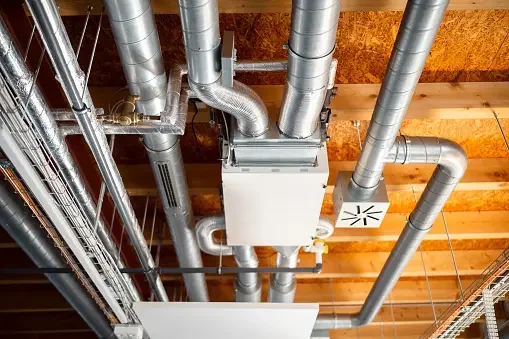
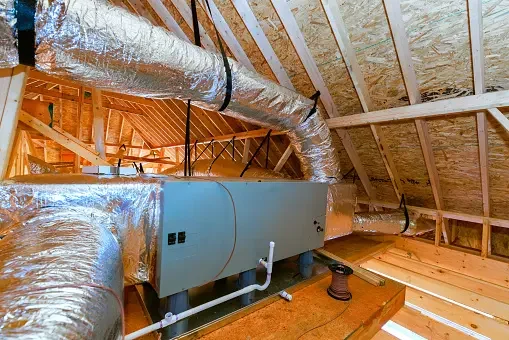
The condition and layout of your air distribution network play a massive role in overall project expenses. A top-tier condenser cannot perform efficiently if it pushes conditioned air through leaky, collapsed, or undersized sheet metal trunks.
What's the Average Cost to Install Central Air With vs. Without Ducts?
If your property already has a sound forced-air duct system connected to a modern furnace, calculating your central air installation cost with existing ductwork is straightforward. In these cases, installation simply involves adding an evaporator coil, running copper refrigerant line sets, and wiring the outdoor condenser.
For older homes in historic Pittsburgh neighborhoods or multi-level properties in South Hills that rely on hot-water radiators or baseboard heaters, technicians must install fresh distribution pathways. Overall ductwork installation costs typically range from $15 to $25 per linear foot for flexible insulated runs and $25 to $40 per linear foot for rigid galvanized sheet metal. Adding new ductwork throughout an existing structure typically adds between $3,000 and $7,500 to the total installation price.
Testing and Replacing Aging Air Ducts
Before committing to an equipment-only replacement, professional diagnostic testing is essential. Reusing damaged or undersized ducts can lead to static pressure issues that cause premature compressor failure and increase energy consumption by 20% to 40%.
Technicians utilize a duct blaster test ($150 to $300) to pressurize the distribution network and measure total cubic feet per minute (CFM) of air leakage. If testing reveals leakage above 20%, or if the supply trunks cannot accommodate the airflow required by modern equipment, a targeted air duct replacement or professional aero-sealing is necessary to protect the system's factory warranty.
Rebates, Tax Credits, and Financing Options
Homeowners can significantly reduce upfront expenditures through federal energy programs, regional utility rebates, and flexible financing arrangements.
- Federal Energy Efficient Home Improvement Credit (Section 25C): Under the Inflation Reduction Act, qualifying high-efficiency central air conditioners and heat pumps can earn federal tax credits up to 30% of project costs (capped at $600 for standard central AC systems and up to $2,000 for qualifying heat pump models).
- Electric Utility Rebates: Regional electric utilities across Pennsylvania, Ohio, and West Virginia frequently provide mail-in equipment rebates ranging from $150 to $650 for ENERGY STAR certified cooling systems.
- Low-Interest Financing: Most licensed HVAC contractors partner with home improvement lending institutions to offer flexible monthly financing plans, including 0% APR promotional periods for 12 to 36 months for qualified applicants.
Frequently Asked Questions About Central AC Costs
How long does a central air conditioner last?
A properly installed central air conditioning system lasts between 15 and 20 years. Maintaining that lifespan requires regular filter replacements, annual coil cleanings, and proactive seasonal inspections through our professional HVAC service and repair team.
Is a 3-ton AC unit too big for a 1,200 sq ft house?
Yes. In most residential environments, a 3-ton unit is substantially oversized for a 1,200-square-foot home (which typically requires a 1.5 to 2.0-ton system). Oversized units cause short-cycling, which cools the home too quickly without running long enough to remove ambient humidity, leaving indoor air feeling cold and clammy while driving up electricity bills.
Does installing central air increase home value?
Yes. Installing a whole-home central cooling system typically increases overall property value by 10% to 15%. Modern homebuyers actively seek out move-in-ready climate control systems, providing a strong return on investment when selling your home.
Conclusion
Determining the exact investment for your home requires assessing square footage, electrical panel readiness, and ductwork condition. At Smart Climate Solutions, we bring over 20 years of hands-on experience and 24/7 support to homeowners across Pittsburgh, Bethel Park, Canonsburg, and the surrounding areas. Whether you are replacing an aging condenser or estimating your central air installation cost with no existing ductwork, our certified technicians deliver precise load calculations and clear, transparent estimates. Contact us today to schedule your comprehensive in-home cooling evaluation.