
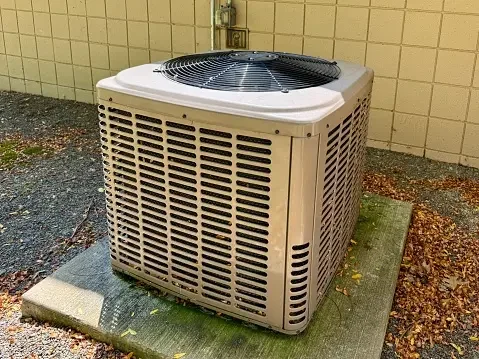
What Does It Cost to Install Central Air in 2026?
The cost to install central air typically falls between $6,000 and $11,500 for most U.S. homes, including both the unit and labor. Here is a quick breakdown to help you budget:
| Scenario | Estimated Cost |
|---|---|
| Replacement with existing ductwork | $3,500 - $7,500 |
| New installation, ductwork included | $8,000 - $15,000+ |
| Average U.S. homeowner (all-in) | $6,000 - $11,500 |
| 2,000 sq ft home (3-ton system) | ~$5,750 - $8,000 |
| Unit cost only (equipment) | $2,500 - $4,500 |
| Labor only | $500 - $2,500 |
These numbers shift based on your home's size, whether you have existing ductwork, and the efficiency level of the system you choose. Homes in the Pittsburgh area also face specific regional factors -- Northeast labor rates and permitting requirements can push costs toward the higher end of national ranges.
Central air is one of the bigger home investments you will make. Getting the numbers right before you commit matters.
I'm Bill Scott, General Manager of Smart Climate Solutions, and with over 20 years in the HVAC industry serving Pittsburgh and Southwestern PA, I have helped thousands of homeowners understand the cost to install central air and choose the right system for their budget. In this guide, I'll walk you through everything that drives your final quote -- so you can plan with confidence.
The Average Cost to Install Central Air in 2026
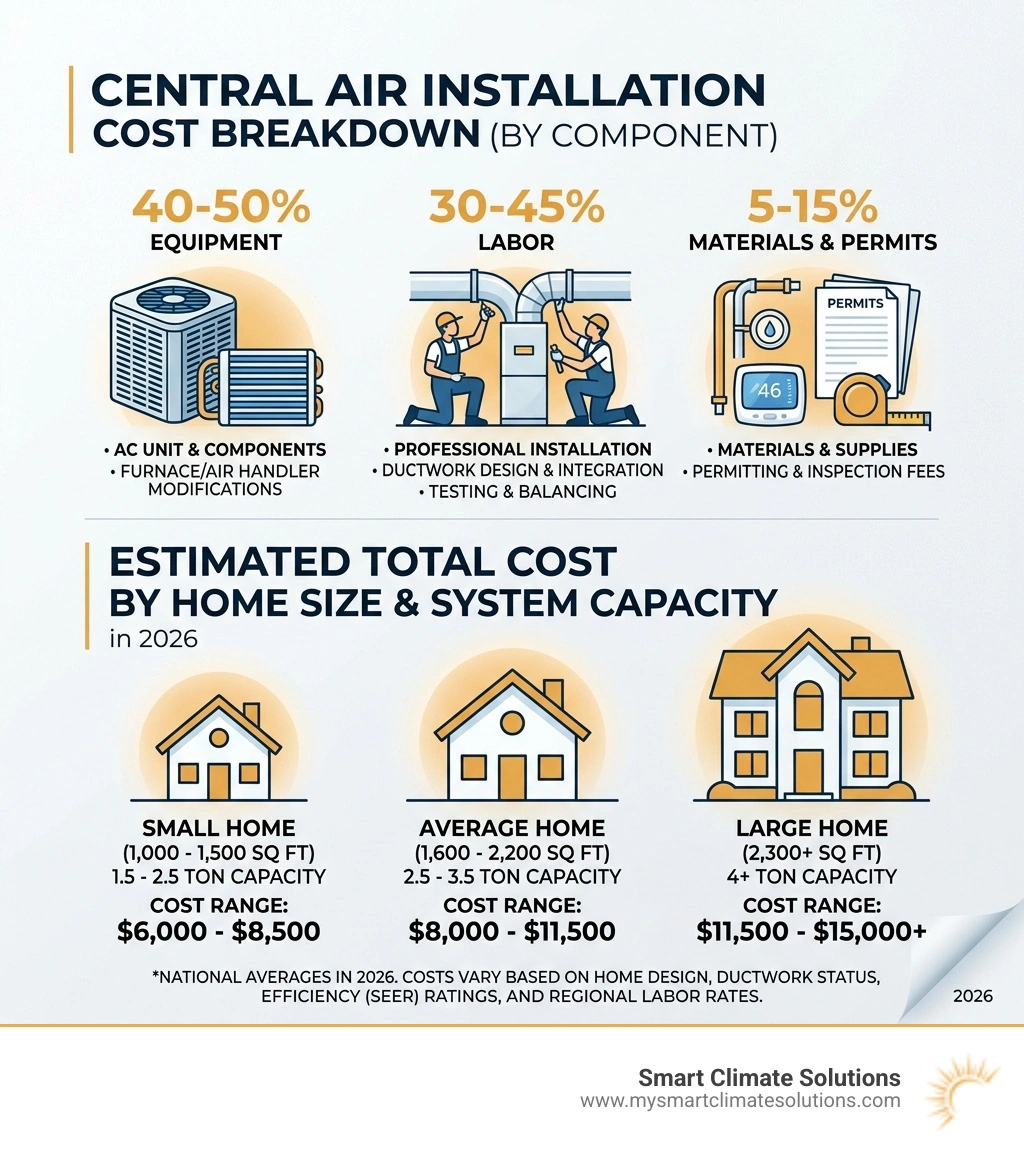
As we move through 2026, we are seeing a stabilization in equipment prices, though labor remains a significant portion of the total investment. Nationally, the average cost to install central air sits at approximately $5,958 for a standard mid-range replacement, but most comprehensive projects range from $6,000 to $11,500.
When you look at Central AC Unit Installation Costs, it is clear that the project is rarely just about the box sitting outside. Your total Central AC Installation Cost is typically split between the equipment (40-50%) and labor/materials (50-60%).
Equipment vs. Labor Split
The hardware itself—the condenser, evaporator coil, and refrigerant lines—usually costs between $2,500 and $4,500. However, the labor to install these systems safely and according to local Pittsburgh or Steubenville codes ranges from $500 to $2,500. If you are doing a "fresh" install in a home that has never had air conditioning, those labor costs can climb significantly higher because we have to navigate your home's structure to run lines and electrical.
Breaking Down the Cost to Install Central Air by Home Size
One of the most common questions we hear in Washington, PA and Weirton, WV is: "How much for a 2,000 square foot house?" Size is the primary driver of equipment capacity, measured in "tons." One ton of cooling equals 12,000 BTUs (British Thermal Units).
Generally, you need about 20 BTUs per square foot. Here is how that translates to your Residential HVAC Installation Cost:
| Home Size (Sq. Ft.) | Required Tonnage | Estimated Equipment Cost |
|---|---|---|
| 1,000 - 1,200 | 1.5 - 2.0 Tons | $2,500 - $5,100 |
| 1,500 - 1,800 | 2.5 - 3.0 Tons | $3,500 - $7,150 |
| 2,000 - 2,400 | 3.5 - 4.0 Tons | $4,500 - $8,650 |
| 2,500 - 3,000+ | 5.0 Tons | $5,250 - $9,700 |
For a 2,000 square foot home, a 3-ton unit is the standard benchmark, typically costing around $5,750 for the unit and basic installation labor. However, if your home has high ceilings or poor insulation, we might need to step up to a 3.5-ton unit to keep you comfortable during those humid Pennsylvania summers.
How Efficiency Ratings Impact the Cost to Install Central Air
In 2026, efficiency is measured by the SEER2 (Seasonal Energy Efficiency Ratio 2) rating. The higher the number, the less electricity the unit uses to cool your home.
- Standard Efficiency (14-15 SEER2): These units have the lowest upfront cost to install central air, but higher monthly operating costs.
- Mid-Efficiency (16-18 SEER2): This is the "sweet spot" for many of our customers in South Hills and St. Clairsville. You might spend $1,500 more upfront compared to a base model, but you can save roughly $13 for every $100 spent on cooling.
- High Efficiency (19+ SEER2): These units often feature variable-speed technology. While the Average HVAC Install Cost for these premium systems can exceed $10,000, they offer unmatched comfort and the lowest possible utility bills.
Critical Factors That Determine Your Final Quote
Every home is a unique puzzle. When we provide a quote, we don't just guess based on square footage. We perform what is called a Manual J load calculation. This looks at your home's orientation to the sun, the number of windows, insulation levels, and even how many people live there.

Beyond sizing, several "hidden" factors influence How Much Does It Cost to Install Central Air?:
- System Complexity: A "split system" (with an outdoor condenser and an indoor coil) is standard. However, a "packaged system" (where everything is in one outdoor cabinet) might be necessary for homes without crawlspaces or attics.
- Brand Tiers: Just like cars, HVAC brands have different price points. Premium brands often offer better warranties (10+ years) and quieter operation, which can add $1,000 to $3,000 to the equipment price.
- Installation Obstacles: If your indoor unit is tucked away in a tight attic or a cramped crawlspace in an older Burgettstown home, the labor hours will increase.
The Role of Ductwork in Installation Pricing
Your ductwork is the "veins and arteries" of your cooling system. If your ducts are leaky, undersized, or non-existent, your cost to install central air will jump.
- Existing Ductwork: If your ducts are in good shape, we simply connect the new system.
- Duct Repair/Sealing: Minor repairs or sealing can add $500 to $2,000 to your Ductwork Installation Cost.
- Full Duct Installation: For homes currently using baseboard heat or radiators, there is a Central Air Install Cost with No Existing Ductwork to consider. Installing brand-new ducts throughout a home typically costs between $2,000 and $7,500, though it can reach $10,000 for larger, multi-story houses.
Labor Rates and Regional Price Variations
Pricing in the Pittsburgh PA area and the Ohio Valley reflects our local economy. In the Northeast, labor rates are often 5% to 15% higher than the national average due to the complexity of our older housing stock and the specialized licensing required.
When searching for Central AC Installation Near Me, your quote should also include:
- Permit Fees: Usually $100 to $500, depending on your municipality.
- Electrical Upgrades: If your home's electrical panel is outdated, you may need a new 220V circuit, which can cost $500 to $1,500.
- Disposal Fees: Hauling away your old unit and responsibly reclaiming the old refrigerant usually costs around $50 to $250.
Strategies to Reduce Your Central Air Investment
We know that five-figure price tags can be intimidating. Fortunately, there are more ways to save in 2026 than ever before.
- Federal Tax Credits: Under the Inflation Reduction Act, you may qualify for a tax credit of up to 30% of the cost, capped at $600 for high-efficiency central AC units. If you opt for a heat pump (which also provides cooling), that credit can jump to $2,000.
- Utility Rebates: Many local utility companies in Pennsylvania and Ohio offer "instant" rebates for installing Energy Star-certified equipment.
- Timing Your Purchase: The Cost to Install Central Air in 2026: How to Save - NerdWallet guide notes that scheduling during the "shoulder seasons" (spring and fall) can sometimes lead to lower labor rates or faster installation times.
- Bundling Projects: If your furnace is over 15 years old, consider a Furnace and Heating System Installation at the same time. Bundling these saves you money on labor and ensures your indoor and outdoor units are perfectly matched for efficiency.
Comparing Central Air to Alternative Cooling Systems
Central air isn't the only way to stay cool. Depending on your home's layout, an alternative might be more cost-effective.
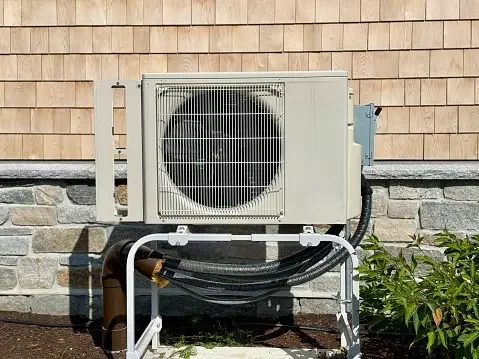
- Ductless Mini-Splits: Perfect for homes without ductwork. These systems use individual wall-mounted units. While a single-zone unit is cheap, a whole-home multi-zone system can cost $3,900 to $17,500.
- Heat Pumps: These look like AC units but can reverse the process to heat your home in the winter. They are incredibly efficient and qualify for the highest tax credits.
- Geothermal: The "gold standard" of efficiency. While the upfront cost is $12,000 to $45,000, the long-term savings are massive.
When Installing HVAC systems of any type, always weigh the upfront cost against the 15-to-20-year lifespan of the equipment.
Frequently Asked Questions about Central Air Costs
Is central air cheaper than ductless mini-splits?
If your home already has functional ductwork, central air is almost always cheaper. However, if you have no ducts, a mini-split system is often more affordable than the combined cost of a central AC unit plus $7,000 in new ductwork. Mini-splits also allow for "zoning," meaning you only cool the rooms you are using, which saves money monthly.
How long does a central air system last?
A well-maintained Central Air system typically lasts 15 to 20 years. In our region, where systems work hard during humid summers and sit idle in the winter, annual maintenance is crucial. Without it, efficiency can degrade by 5% every year, and the lifespan could drop to just 10-12 years.
Does central air increase home resale value?
Absolutely. In the Pittsburgh real estate market, central air is no longer considered a luxury—it is an expectation. Most appraisers suggest that adding central air can increase home value by 3% to 5%. In hot, humid regions like ours, it is often the deciding factor for buyers choosing between two similar homes.
Conclusion
Determining the cost to install central air is the first step toward a more comfortable, valuable home. Whether you are in the heart of Pittsburgh, the South Hills, or across the border in Steubenville or Weirton, the investment in a high-quality cooling system pays dividends in sleep quality and air health.
At Smart Climate Solutions, we bring over 20 years of experience to every job. Our certified technicians understand the specific needs of Southwestern Pennsylvania homes, from historic properties in Washington to modern builds in St. Clairsville. We pride ourselves on fast, reliable service and 24/7 emergency support to ensure you are never left sweltering in the July heat.
If you are ready for a precise, no-obligation quote tailored to your home's unique footprint, explore our HVAC Installation Services today. Let's get your home ready for whatever 2026's weather has in store!


.png)
