
Why Installing HVAC the Right Way Matters for Your Home
Installing HVAC systems correctly is critical for your home's comfort and efficiency. When your furnace fails during a Pittsburgh winter or your AC breaks on the hottest day of summer, you need a reliable solution. Your HVAC system is a major investment, impacting your comfort, air quality, and utility bills.
However, even the best equipment will underperform if installed incorrectly. Improper installation can slash performance by up to 30%, leading to higher bills and frequent breakdowns. This guide will walk you through the essentials of a successful HVAC installation.
Key Steps for Installing HVAC:
- Choose the right system type: Options include split systems, heat pumps, packaged units, and ductless mini-splits.
- Get proper sizing: A Manual J load calculation is essential to avoid issues with systems that are too large or small.
- Hire certified professionals: They handle permits, refrigerant, electrical work, and code compliance safely.
- Expect 1-3 days for installation: This includes removing the old system, setting up new equipment, and testing.
- Budget $7,000-$20,000: Costs vary based on system type, home size, and ductwork needs.
I'm Bill Scott, general manager of Smart Climate Solutions. With over 20 years of experience helping homeowners in Pittsburgh and Southwestern PA, my team has seen how a professional installation makes all the difference in achieving reliable, long-term comfort.
Before the Installation: Choosing the Right HVAC System
Before installation day, you'll need to make several key decisions to ensure you get the perfect system for your Pittsburgh-area home. Choosing the right HVAC system involves evaluating your home's needs, our local climate, and your budget.
Types of HVAC Systems: What Are Your Options?
When installing HVAC, the first step is understanding the available system types. The best choice depends on your home's layout and existing infrastructure.
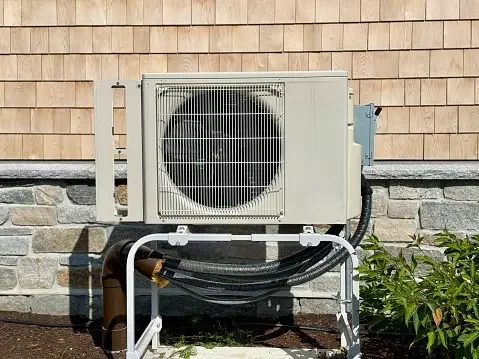
- Split Systems: The most common type, with an indoor unit (furnace and coil) and an outdoor unit (condenser). They provide powerful, quiet, whole-home heating and cooling. They require ductwork.
- Heat Pumps: A versatile all-in-one system that heats and cools by transferring heat. They are extremely energy-efficient, especially in Pennsylvania's moderate seasons. In very cold weather, they may need a supplemental heat source.
- Packaged Units: All components are housed in a single outdoor cabinet, ideal for homes with limited indoor space. They are often installed on a roof or a concrete slab.
- Dectless Mini-Splits: Perfect for homes without ductwork, for additions, or for creating zoned temperature control. An outdoor unit connects to one or more indoor units. Whole Home Ductless HVAC systems offer excellent flexibility and energy savings.
Sizing Matters: The Importance of a Manual J Load Calculation
When it comes to installing HVAC, one size does not fit all. An improperly sized system is a primary cause of inefficiency and discomfort.
- Oversized Units: These cycle on and off too quickly ("short cycling"), failing to dehumidify the air properly and causing unnecessary wear and tear. This leads to a clammy feeling, uneven temperatures, and higher energy bills.
- Undersized Units: These run constantly without reaching the desired temperature, leading to high energy use, excessive noise, and premature system failure.
To determine the right size, our certified technicians perform a professional load calculation using the Air Conditioning Contractors of America (ACCA) Manual J standard. This detailed analysis considers your home's square footage, insulation, window types, local climate, and more to ensure optimal performance. Avoid any contractor who sizes a system based on square footage alone.
Decoding Efficiency Ratings for Maximum Savings
Understanding efficiency ratings is key to long-term savings on your utility bills in Washington, PA, or Steubenville, OH.
- SEER2 (Seasonal Energy Efficiency Ratio 2): Measures cooling efficiency for ACs and heat pumps. A higher SEER2 means lower operating costs. Federal law sets minimum standards, but high-efficiency models with a greater SEER2 rating offer significant long-term savings.
- AFUE (Annual Fuel Utilization Efficiency): Measures how efficiently a furnace converts fuel into heat. A high AFUE rating (e.g., 90% or more) is crucial for reducing heating bills in our cold winters. We specialize in High Efficiency Furnace Install.
- HSPF2 (Heating Seasonal Performance Factor 2): Measures the heating efficiency of a heat pump. A higher HSPF2 rating means better performance and savings during the heating season.
Understanding the Cost of Installing HVAC
The cost of installing HVAC in areas like St. Clairsville, OH, or Weirton, WV, typically ranges from $7,000 to $20,000. Several factors influence the final price:
- System Type and Efficiency: High-efficiency systems and complex units like multi-zone ductless systems have a higher upfront cost but provide long-term savings.
- Home Size and Layout: Larger or more complex homes require more powerful systems and more labor.
- Ductwork: The need for new or modified ductwork is a major cost factor. Our guide to Ductwork Installation Cost provides more detail.
- Labor and Permits: The complexity of the job and local permit fees are included in the total cost.
- Additional Components: New thermostats, air purifiers, or zoning systems will also affect the price.
For a complete breakdown, refer to our guide on Residential HVAC Installation Cost. We provide transparent quotes so you know exactly what your investment covers.
The Professional HVAC Installation Process Explained

We pride ourselves on a seamless and efficient installation process, ensuring your new system operates perfectly from day one. Here is a step-by-step look at what to expect when our professionals handle your HVAC installation.
Preparing Your Home for a Smooth Installation
A little preparation helps ensure an efficient installation day.
- Clear the Work Area: Please provide a clear path (at least three feet wide) to the indoor and outdoor work areas. Move any furniture or boxes that might be in the way.
- Secure Pets and Children: For everyone's safety, keep pets and children away from the work zones.
- Be Available: An adult (18+) must be present at the start of the job to grant access. Being available for questions during the day is also helpful.
- Check for Hazards: If your home was built before 1980, any asbestos must be professionally removed before we begin. Similarly, old oil or propane tanks are the homeowner's responsibility to have removed.
Our crew will contact you the day before with an arrival time and will arrive in marked vehicles and uniforms.
Key Steps for a Quality HVAC Installation
Our comprehensive approach to installing HVAC ensures every system meets the highest standards. The process generally includes:
- Old System Removal: We safely disconnect and remove your old indoor and outdoor units.
- Safe Refrigerant Handling: As EPA-certified technicians, we properly recover and handle old refrigerant according to federal law.
- New Equipment Placement: We place the outdoor unit on a new, level pad for stability and proper airflow. The indoor unit is carefully positioned and secured.
- Line and Electrical Connection: We connect the refrigerant lines, using advanced techniques to prevent leaks. Our electricians wire the system to code for safe, reliable power.
- Ductwork Connection: We connect the new system to your ductwork, sealing all connections to prevent air leaks. If needed, we can perform HVAC Ductwork Installation Services to optimize airflow.
- Condensate Drain Setup: We install a drain line to safely remove moisture, including a safety switch to prevent water damage from clogs.
- Thermostat Installation: We install your new thermostat and show you how to use its features to maximize comfort and savings.
- System Commissioning: Before finishing, we run the system and perform a full series of tests to check refrigerant levels, airflow, and safety controls, ensuring it operates at peak performance.
Safety First: Critical Precautions During Installation
Safety is our top priority when installing HVAC systems. Our technicians are trained to follow strict protocols to protect you and your property.
- Electrical Safety: We always shut off power at the main breaker before starting electrical work and ensure all wiring meets National Electrical Code (NEC) standards.
- Gas Line Safety: We exercise extreme caution when working near gas lines to prevent dangerous leaks.
- Proper Lifting: We use proper techniques and equipment to move heavy components, preventing injury and property damage.
- Personal Protective Equipment (PPE): Our team wears safety glasses, gloves, and other appropriate PPE.
- Fire Safety: During brazing (welding), we use fire-resistant materials and keep an extinguisher on hand to prevent accidents.
We take our responsibility seriously, ensuring your installation is completed safely and professionally.
Why Professional HVAC Installation is Non-Negotiable
This section highlights the crucial differences between a DIY attempt and a professional job. While saving money is tempting, installing HVAC is a complex task where expertise is essential for safety, efficiency, and peace of mind.
The Risks of DIY vs. the Rewards of a Pro
Thinking of tackling an HVAC installation yourself? Here's why it's a job best left to certified professionals:
- Specialized Tools: Installation requires expensive tools like refrigerant gauges, vacuum pumps, and leak detectors that most homeowners don't own.
- Refrigerant Handling Laws: Only EPA-certified technicians can legally handle refrigerant. Improper disposal leads to heavy fines and environmental damage.
- Codes and Permits: HVAC work requires local permits and must pass inspections to ensure it's up to code. Professionals handle this process to keep your installation safe and legal.
- Voided Warranties: Most manufacturers will void the warranty on your new equipment if it's not installed by a licensed professional, leaving you on the hook for future repairs.
- Costly Mistakes: A small error can lead to reduced efficiency, frequent breakdowns requiring HVAC Service and Repair, and serious safety hazards like electrical fires or gas leaks.
Long-Term Benefits of a Flawless Installation
Investing in a professional for installing HVAC pays off for years to come.
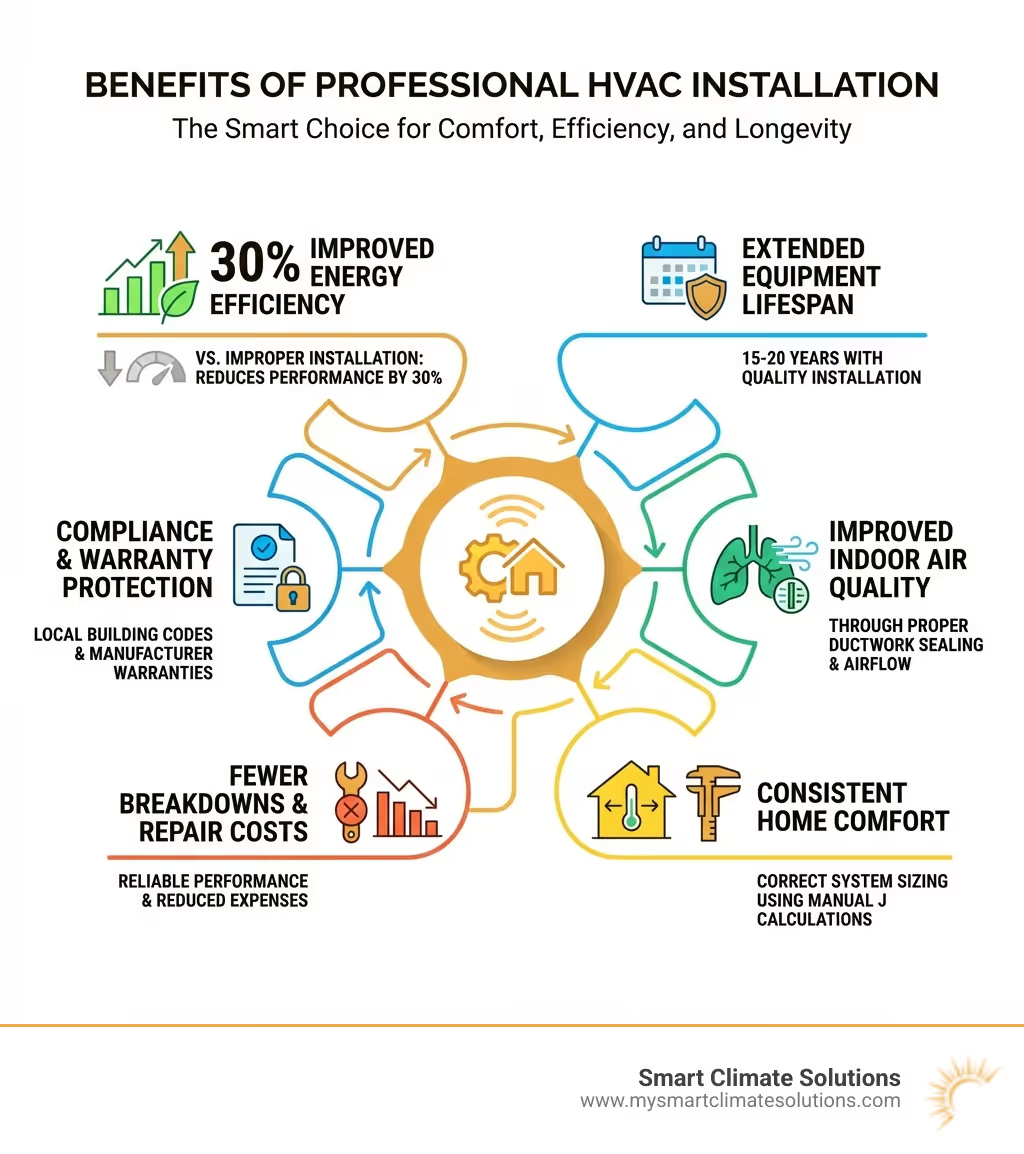
- Optimal Energy Efficiency: A properly installed system can be up to 30% more efficient than one installed incorrectly, saving you money on monthly utility bills.
- Maximum Lifespan: Correct installation reduces stress on components, helping your system last its full 15-20 year expected lifespan.
- Reliable Comfort: Say goodbye to hot and cold spots. A professionally installed system delivers consistent, even temperatures throughout your home.
- Improved Indoor Air Quality: Properly sealed ductwork prevents dust, allergens, and pollutants from circulating in your air and helps control humidity to reduce mold growth.
- Fewer Breakdowns: Quality installation minimizes the risk of malfunctions, saving you from the cost and inconvenience of unexpected repairs.
- Guaranteed Quality: We adhere to HVAC Quality Installation guidelines, ensuring your system is designed, installed, and tested for peak performance.
Common Issues from Improperly Installing HVAC and How to Avoid Them
Poor installation can cause numerous problems. Here's how a professional approach prevents them:
- Problem: Incorrect Sizing. Leads to inefficiency and discomfort.
- Solution: A professional Manual J load calculation ensures a perfect match for your home.
- Problem: Leaky or Poorly Designed Ductwork. Causes major energy loss and poor airflow.
- Solution: We inspect, seal, and insulate ductwork to maximize efficiency.
- Problem: Refrigerant Leaks. Reduces cooling power and harms the environment.
- Solution: Our certified technicians use precise techniques to create leak-free connections.
- Problem: Faulty Electrical Wiring. Creates a risk of system failure and fire.
- Solution: All electrical work is performed to code by qualified experts for guaranteed safety.
- Problem: Condensate Drainage Issues. Can lead to water damage and mold.
- Solution: We install properly sloped drain lines with safety switches to prevent overflows.
Frequently Asked Questions about Installing HVAC
How long does it take to install a new HVAC system?
Most standard HVAC installations are completed within one to three days. The exact timeline for installing HVAC depends on the complexity of the system and whether new ductwork is required. A simple replacement may take a day, while a more complex project with extensive ductwork could take longer. We will provide a clear timeline during your consultation.
Do I need a permit for HVAC installation in the Pittsburgh area?
Yes, most municipalities in the Pittsburgh area, including South Hills and Burgettstown, require a permit for installing HVAC systems. This ensures the work complies with local building and safety codes. When you partner with Smart Climate Solutions, we handle the entire permitting and inspection process for you, making it a hassle-free experience.
What are some common myths about HVAC systems?
Let's debunk a few common myths about HVAC systems:
- Myth: Bigger is always better.
- Truth: An oversized HVAC unit is inefficient. It will short-cycle, failing to properly dehumidify your home and causing extra wear on parts. Proper sizing via a Manual J load calculation is crucial.
- Myth: Closing vents in unused rooms saves energy.
- Truth: This can actually harm your system. Closing vents disrupts the designed airflow, increasing pressure and forcing your system to work harder. This can reduce efficiency and damage components. For room-specific control, a zoned system is a better solution.
- Myth: Installing HVAC is a simple DIY project.
- Truth: HVAC installation is a complex job requiring specialized tools, training, and certifications. Handling refrigerant without an EPA license is illegal, and mistakes can lead to safety hazards, voided warranties, and poor performance. Always trust a certified professional.
Conclusion: Your Next Step to a Comfortable Home
This guide has highlighted the importance of installing HVAC correctly. From choosing the right system and ensuring proper sizing to relying on a professional installation, every step is crucial for long-term savings, reliable comfort, and peace of mind.
At Smart Climate Solutions, we know that your home's comfort is essential. We proudly serve homeowners throughout the Pittsburgh, PA area, including South Hills, Burgettstown, Washington, Steubenville, OH, St. Clairsville, OH, and Weirton, WV. With over 20 years of experience, our certified technicians are ready to ensure your project is done right.
Don't settle for less when it comes to your home's comfort. Trust our expertise to ensure your new HVAC system operates safely, efficiently, and reliably for years to come.


.png)
