
Understanding the True Cost of HVAC Installation
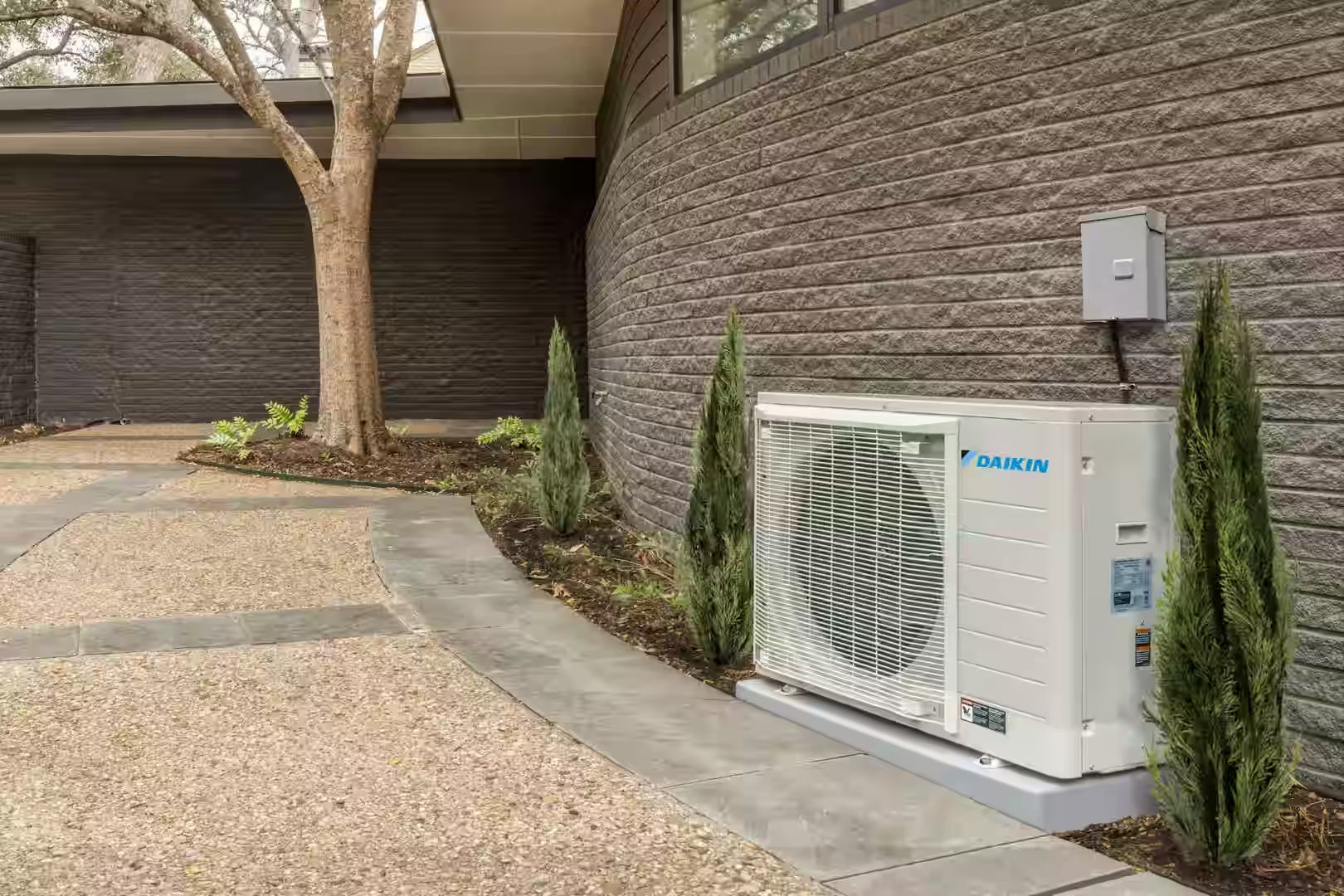
When it comes to home comfort, knowing the average hvac install cost helps you budget for one of your biggest home investments. Here's what most homeowners can expect to pay:
- Complete HVAC system (furnace + AC): $5,000 - $12,000
- Central air conditioner only: $3,500 - $7,600
- Furnace only: $2,800 - $6,000
- Heat pump system: $4,500 - $10,000
- Ductless mini-split: $3,000 - $9,000
Your actual costs depend on several factors: your home's size, the type of system you choose, whether you need new ductwork, and where you live. For most homes in the 2,000 to 2,500 square foot range, you're looking at around $13,000 for a combined air conditioning and gas furnace setup.
The good news? Understanding these costs upfront means no surprises when you're ready to upgrade. You'll know what questions to ask contractors, how to spot a fair quote, and where you might save money without cutting corners on quality.
Energy efficiency matters too. Newer high-efficiency systems cost more initially - typically 10 to 20 percent above standard models - but they can slash your monthly energy bills by 30 percent or more. That adds up to $500 to $1,200 in annual savings for many Pittsburgh-area homeowners.
I'm Bill Scott, general manager of Smart Climate Solutions, and I've helped thousands of Pittsburgh homeowners steer the average hvac install cost over the past 20 years in the HVAC industry. My goal is to give you the straight facts so you can make the best choice for your home and budget.
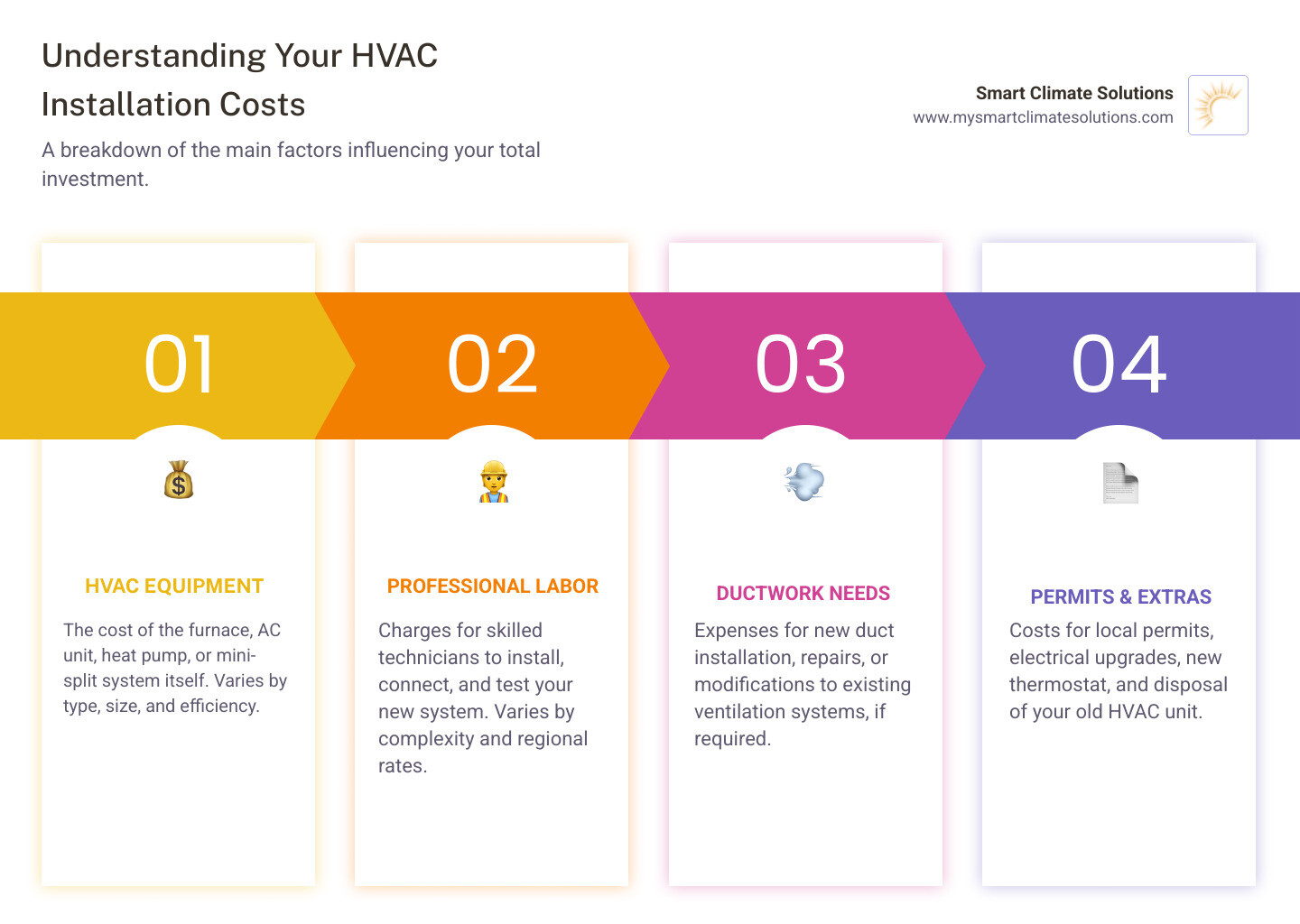
Breaking Down HVAC Installation Costs by System Type
Choosing the right HVAC system is a big decision, and it significantly impacts your overall installation cost. Your heating and cooling needs, home characteristics, and budget all play a role. Let's explore the average costs for different system types.
Central Air Conditioners & Furnaces
For many homes in Pittsburgh, South Hills, Steubenville, and Weirton, a traditional split system remains a popular choice. This typically includes a furnace for heating and a separate air conditioner for cooling, working together to keep your home comfortable year-round.
- Gas Furnace Cost: A new gas furnace installation generally ranges from $2,800 to $6,500. Gas furnaces are a common choice in our region, offering reliable and efficient heating. For more details on furnace installations, visit our guide on Furnace and Heating System Installation.
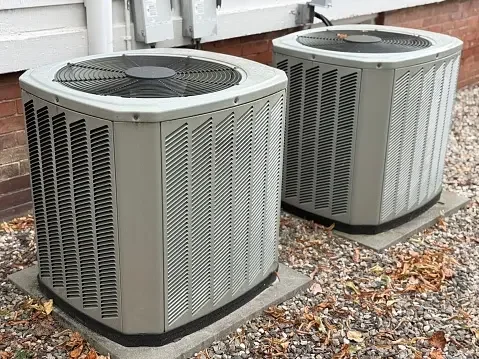
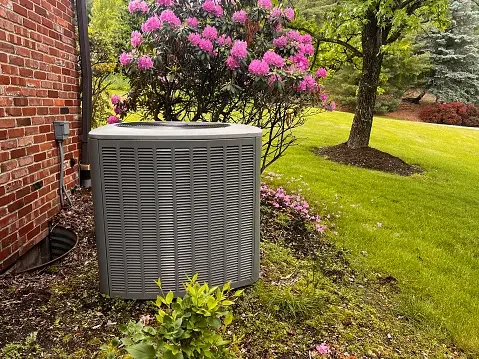
- Central AC Unit Cost: Installing a central air conditioning unit can cost anywhere from $3,500 to $7,600. This covers the outdoor condenser unit, indoor evaporator coil, and associated connections. You can learn more about these costs on our Central AC Installation Cost page.
- Combined System Cost: When replacing both your furnace and central AC at the same time, the average total cost for a complete HVAC system can range from $5,000 to $12,000. This combined approach often makes sense, especially if both units are aging, as it can be more cost-effective to install them simultaneously. For a 3-ton system, expect to pay about $10,500-$13,500 for a combined AC and furnace replacement.
Heat Pumps
Heat pumps are an increasingly popular all-in-one solution for both heating and cooling, especially given their energy efficiency. They work by transferring heat, rather than generating it, making them highly effective in many climates, including ours.
- Air-Source Heat Pumps: These are the most common type, extracting heat from the outdoor air in winter and expelling indoor heat outdoors in summer. The installation cost for ducted air-source heat pumps typically ranges from $4,500 to $10,000. To understand more about the components, check out our Heat Pump Fan Motor Replacement Guide.
- Geothermal Heat Pumps: While they have a significantly higher upfront cost, geothermal systems tap into the stable temperature of the earth for exceptional efficiency. Installation can range from $15,000 to $38,000. However, these systems can lead to substantial energy savings, potentially offsetting the initial investment in five to ten years. Geothermal heat pumps can decrease energy consumption by 50 to 75 percent.
- Hybrid Systems: Also known as dual-fuel systems, hybrid heat pumps combine an electric heat pump with a traditional gas furnace. This offers the best of both worlds: the efficiency of a heat pump in milder weather and the powerful heating of a furnace when temperatures drop significantly. Hybrid systems typically cost between $2,500 and $10,000. Adding a supplemental heat pump to an existing furnace may cost between $2,500 and $6,000.
Ductless Mini-Splits

Ductless mini-split systems are a fantastic option for homes without existing ductwork, for room additions, or for creating zoned heating and cooling in specific areas. They eliminate the need for extensive duct installation, making them versatile and efficient.
- Zoned Heating/Cooling: Mini-splits allow you to control the temperature in individual rooms or zones, reducing energy waste by not conditioning unoccupied areas.
- No Ductwork Needed: This is their defining feature. If your home in Burgettstown or Washington, PA, lacks ductwork, or if you're adding a sunroom, a mini-split can be a more straightforward and often more affordable installation than extending a ducted system.
- Single-Zone vs. Multi-Zone: A single-zone system heats and cools one specific area, while a multi-zone system can connect several indoor units to one outdoor compressor, providing independent control for multiple rooms.
- Installation Cost: The average installation cost for ductless mini-split systems typically ranges from $3,000 to $9,000. This can vary based on the number of indoor units and the complexity of the setup. Explore the benefits of these systems further in our guide to Whole Home Ductless HVAC.
Key Factors That Influence Your Final Installation Price
The sticker price of the HVAC unit is just one piece of the puzzle. When budgeting for a new system, it's crucial to look beyond the unit itself. Factors like your home's unique characteristics, the complexity of the installation, and even local regulations can significantly influence your final cost. Getting accurate quotes requires a thorough understanding of these variables.
Home Size and the Average HVAC Install Cost Per Square Foot
Your home's square footage is a primary determinant of the HVAC system's size and, consequently, its cost. A larger home requires a more powerful unit (measured in "tons" for cooling capacity) to effectively heat and cool the space.
- Tonnage Calculation: Proper sizing is critical. An HVAC system that's too small will struggle to maintain comfortable temperatures and run constantly, leading to higher energy bills and premature wear. Conversely, a system that's too large will cycle on and off too frequently, failing to properly dehumidify the air and wearing out components faster. We always perform a "Manual J" load calculation to determine the precise tonnage needed for your home, considering factors like insulation, windows, ceiling height, and local climate.
- Cost Per Square Foot: While it's a rough estimate, the average hvac install cost per square foot typically ranges from $5 to $10 for residential installations. Central AC systems often fall within $3 to $5 per square foot. This per-square-foot cost can help you get a ballpark figure, but specific home features will cause variations. For a detailed breakdown, check out our Residential HVAC Installation Cost guide.
Here's a general idea of estimated costs based on home size for a combined AC and furnace setup:
| Home Size (Square Feet) | Estimated HVAC System Cost (AC + Furnace/Heat Pump) | Estimated HVAC System Cost (With Ductwork) |
|---|---|---|
| 1,000 sq ft | $4,500 - $7,500 | $6,600 - $11,500 |
| 1,500 sq ft | $5,000 - $8,500 | $7,100 - $12,500 |
| 2,000 sq ft | About $13,430 | $15,500 - $17,400 |
| 2,500 sq ft | About $13,430 | $15,500 - $17,400 |
| 3,000 sq ft | $15,000 - $20,000+ | $17,100 - $23,000+ |
The Critical Role of Ductwork
The condition and presence of ductwork can be one of the most significant cost drivers in an HVAC installation.
- Existing Ductwork Condition: If your home already has ductwork, we'll assess its condition. Leaky, poorly insulated, or undersized ducts can severely undermine the efficiency of a new, high-efficiency HVAC system. We might recommend sealing, insulating, or even partially replacing sections to ensure optimal performance. Duct sealing and insulation can cost $1,000-$2,500.
- New Installation: If your home lacks ductwork (common in older homes or additions), installing a completely new system of ducts can add anywhere from $2,100 to $5,600 to your total project cost. This involves designing, fabricating, and installing all the necessary components to distribute conditioned air throughout your home. Learn more in our Ductwork Installation Cost article.
- Retrofitting Challenges: Retrofitting new ductwork into an existing home can be more complex and labor-intensive than installing it in new construction. We might need to work around existing structures, requiring more time and specialized techniques, which can increase costs. In some cases, a full Air Duct Replacement might be necessary, costing $3,000-$7,000. Adding new ducts for room additions can cost $500-$1,500 per room.
Labor, Location, and Hidden Costs
Beyond the major components, several other factors contribute to the final price tag of your HVAC installation.
- Labor Rates: Labor costs are a significant portion of any HVAC project. These rates can vary depending on the complexity of the job, the experience of the technicians, and the local cost of living. In the Pittsburgh, PA region (including South Hills, Burgettstown, Washington), Steubenville, OH, and Weirton, WV, our certified technicians ensure expert installation, which guarantees the longevity and efficiency of your system.
- Geographic Climate: Our local climate also plays a role in system selection. While we experience four distinct seasons, the demand for heating and cooling can fluctuate. This influences the size and type of system best suited for your home, impacting the overall cost. For instance, homes in areas with colder winters might invest more in a high-efficiency furnace, while those needing robust cooling in the summer will prioritize AC efficiency.
- Permits and Inspections: Don't overlook these! Most HVAC installations require permits from your local municipality to ensure the work meets safety and building codes. Permits typically cost between $50 and $200. These fees cover the necessary inspections that confirm your new system is installed correctly and safely.
- Electrical Upgrades: Modern, high-efficiency HVAC systems often require more robust electrical connections than older units. If your home has an older electrical panel (e.g., 100-amp service), you might need an upgrade to 200 amps to support the new system. This can add another $1,000 to $3,000 to your project cost.
- Thermostat Upgrades: While a basic programmable thermostat might cost $80-$150 installed, many homeowners opt for smart thermostats. These advanced units can cost $200-$400 installed and offer features like remote control, learning capabilities, and energy usage tracking, which can lead to long-term savings. Multi-zone controls can add $500-$1,500+.
- Old Unit Disposal: Removing and properly disposing of your old HVAC equipment is usually part of the installation process, and this cost is typically factored into your quote.
High-Efficiency Systems: Upfront Cost vs. Long-Term Savings
Investing in a high-efficiency HVAC system might mean a higher upfront cost, but it's a decision that pays dividends in the long run. These systems are designed to use less energy to provide the same level of comfort, translating directly into lower utility bills for you.
Energy efficiency is measured by several ratings:
- SEER2 (Seasonal Energy Efficiency Ratio 2): This rating measures the cooling efficiency of air conditioners and heat pumps. Higher SEER2 ratings indicate greater efficiency.
- AFUE (Annual Fuel Utilization Efficiency): This rating applies to furnaces and boilers, indicating how efficiently they convert fuel into usable heat. An AFUE of 95% means 95% of the fuel is converted to heat, with only 5% lost.
- HSPF (Heating Seasonal Performance Factor): This rating specifically measures the heating efficiency of heat pumps.
Choosing an energy-efficient model not only saves you money but also reduces your carbon footprint, making it a win-win for your wallet and the environment. Explore more about these benefits in our guide to Energy Efficient Air Conditioning Systems.
Calculating the Benefits of an Energy-Efficient HVAC

The argument for high-efficiency systems boils down to simple math:
- Reduced Energy Consumption: High-efficiency units can consume about 30 percent less energy compared to older, less efficient models. This is like getting a 30% discount on your heating and cooling every month!
- Annual Savings: For homeowners in our service areas, upgrading to a high-efficiency HVAC system can lead to annual savings of $500 to $1,200 on utility bills. Imagine what you could do with that extra cash.
- Improved Home Comfort: These systems often offer more consistent temperatures, better humidity control, and quieter operation, leading to a more comfortable living environment.
- Increased Property Value: An energy-efficient HVAC system is an attractive feature for potential buyers, potentially increasing your home's resale value.
Understanding these ratings is key to making an informed decision. You can Learn about SEER2 ratings and how they impact your energy consumption directly.
How to Save Money on Your New HVAC Installation
Even with the benefits of high-efficiency systems, the initial investment can be substantial. Fortunately, there are several ways to make your new HVAC installation more affordable:
- Rebates and Tax Credits: Keep an eye out for federal, state, and local utility rebates. High-efficiency models often qualify for incentives. For example, ENERGY STAR-certified furnaces with an AFUE of 97% or higher are eligible for a federal tax credit of 30% of the project cost, up to $600. You can find more information on Federal tax credits for furnaces. We can help you identify eligible programs in your area.
- Off-Season Installation: Scheduling your HVAC installation during the "shoulder seasons" - typically spring (March-May) or fall (September-November) - can often lead to savings. During these times, demand for HVAC services is lower than in the peak summer or winter months, and contractors may offer discounts (potentially 10-20% off).
- Financing Options: Many reputable HVAC companies, including Smart Climate Solutions, offer financing plans to help spread the cost over time. These can include low-interest or even 0% APR options for qualified buyers. We're happy to discuss the financing solutions available to our customers in Pittsburgh, Steubenville, and the surrounding areas.
- Getting Multiple Quotes: Always get at least three detailed quotes from different reputable HVAC contractors. This allows you to compare pricing, equipment, and services included. Be wary of unusually low bids, as they might indicate shortcuts or hidden costs down the line.
Repair or Replace? Making the Right Financial Decision
It's the age-old question for homeowners: Should I repair my struggling HVAC system or invest in a new one? This decision often boils down to a balance between immediate cost savings and long-term value.
- System Age: A general rule of thumb is that most HVAC systems have a lifespan of 10 to 15 years, with some lasting up to 20 years with proper maintenance. If your system is approaching or has exceeded this age, replacement often becomes more financially sensible than repeated repairs.
- Repair Frequency: If your system requires frequent repairs, especially for major components, the cumulative cost can quickly approach the price of a new unit. We've seen homeowners spend thousands on repairs over a few years, only to realize they could have put that money towards a reliable new system.
- The 50% Rule: A good guideline is the 50% rule: If the cost of a repair is 50% or more of the cost of a new replacement unit, it's usually time to replace. For example, if your furnace is 15 years old and needs a heat exchanger replacement (which can cost $2,000-$3,000), it might be better to invest in a new furnace rather than pouring money into an aging one. For more insights on repair costs, visit our guide on Cost to Fix Furnace.
- Outdated Technology (R-22 Refrigerant): Older AC units that still use R-22 refrigerant are becoming increasingly expensive to repair. R-22 has been phased out due to environmental concerns, making it scarce and costly. If your R-22 system needs a major refrigerant leak repair or compressor replacement, a new, R-410A (or newer) system is often the more economical choice.
We can help you evaluate your current system's condition and provide an honest assessment of whether repair or replacement is the best path forward for your home in the Pittsburgh area. Our comprehensive HVAC Service and Repair offerings mean we're equipped to handle either solution.
Frequently Asked Questions About the Average HVAC Install Cost
We understand that HVAC installation is a significant investment, and you likely have many questions. Here are some of the most common ones we hear from our customers in Southwestern Pennsylvania and the Ohio Valley.
What is typically included in an HVAC installation quote?
A comprehensive and transparent quote from a reputable contractor like Smart Climate Solutions should clearly outline all aspects of your new system. Here's what you can expect to be included:
- Equipment: The cost of the new furnace, air conditioner, heat pump, or mini-split units themselves. This should specify brand, model, and efficiency ratings.
- Labor: The cost for our certified technicians to remove your old system, install the new equipment, and ensure everything is functioning correctly.
- Ductwork Modifications: If any existing ductwork needs repair, sealing, or minor adjustments to fit the new system, this will be itemized. Significant new duct installation would be a separate line item.
- Thermostat: The cost of the new thermostat, whether it's a basic programmable model or a smart, Wi-Fi-enabled unit.
- Permits and Inspections: The fees associated with obtaining the necessary local permits and scheduling inspections to ensure compliance with building codes.
- Disposal of Old Unit: The cost for safely removing and disposing of your old HVAC equipment.
- Warranty Information: Details about the manufacturer's warranty on the equipment and any labor warranty offered by the installer.
Always ask for a detailed, itemized quote to understand exactly what you're paying for.
When is the best time of year to install a new HVAC system?
While we can install an HVAC system any time of year, scheduling during the "shoulder seasons" can offer several advantages:
- Shoulder Seasons: Spring (March-May) and Fall (September-November) are generally considered the best times. The weather is typically milder, meaning you won't be without heating or cooling during extreme temperatures.
- Lower Demand: HVAC contractors are usually less busy during these periods compared to the peak summer (AC breakdowns) or winter (furnace failures) months. This can lead to more flexible scheduling and potentially better pricing or special offers (up to 10-20% savings).
- Potential Discounts: With less urgent demand, some companies may offer incentives or discounts to keep their crews busy.
Planning ahead for your HVAC replacement can save you stress and money.
How long does a typical HVAC installation take?
The duration of an HVAC installation can vary significantly based on the complexity of the project:
- Simple Replacement: A straightforward replacement of an existing furnace and/or AC unit, where the ductwork is already in good condition and no major electrical upgrades are needed, can often be completed in one day.
- Complex Installation with Ductwork: If your project involves installing new ductwork, significant modifications to existing ducts, or substantial electrical upgrades, the installation could take anywhere from two to four days. Factors like working in crawl spaces, attics, or multiple stories can also extend the timeline.
- Permit Processing Time: The actual installation can only begin after permits are approved. Depending on your local municipality in the greater Pittsburgh area, this processing time can add anywhere from a few days to over a week to the overall project timeline. We'll always keep you informed about the permit status.
We strive to complete every installation efficiently and with minimal disruption to your home, ensuring your new system is up and running as quickly as possible.
Conclusion: Partnering with the Right HVAC Expert in Pittsburgh
Navigating the average hvac install cost can feel overwhelming, but with the right information and a trusted partner, it doesn't have to be. We hope this comprehensive guide has empowered you to make an informed decision for your home's comfort and efficiency.
Investing in a new HVAC system is a long-term commitment. It's not just about the upfront price, but also about the quality of the equipment, the expertise of the installation, and the ongoing support you receive. A properly sized and installed high-efficiency system will save you money on energy bills for years to come, improve your indoor air quality, and provide reliable comfort.
At Smart Climate Solutions, we pride ourselves on delivering quality installation with our certified technicians and over 20 years of experience serving Pittsburgh, PA, South Hills, Burgettstown, Washington, Steubenville, OH, St. Clairsville, OH, and Weirton, WV. We understand the unique needs of our local climate and homes, ensuring you get a system that's perfectly custom for your comfort.
Don't let the complexity of HVAC costs deter you from upgrading to a more efficient and comfortable home. We're here to help you every step of the way, from selecting the right system to a flawless installation.
Contact us for a personalized quote on your HVAC installation today, and let us bring smart climate solutions to your home.

.png)
