
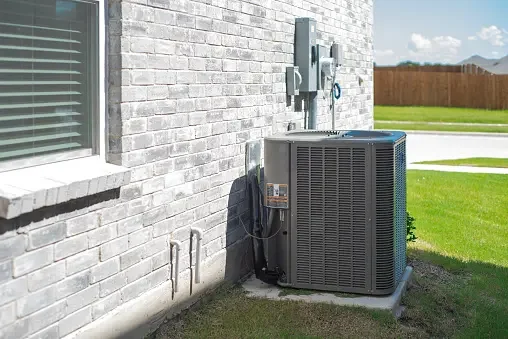
How Much to Install Central Air: Quick Cost Estimate
How much to install central air is one of the most common questions we hear from Pittsburgh homeowners -- and the short answer is: it depends on a few key factors, but here are the numbers you need to know right now.
Quick Cost Summary
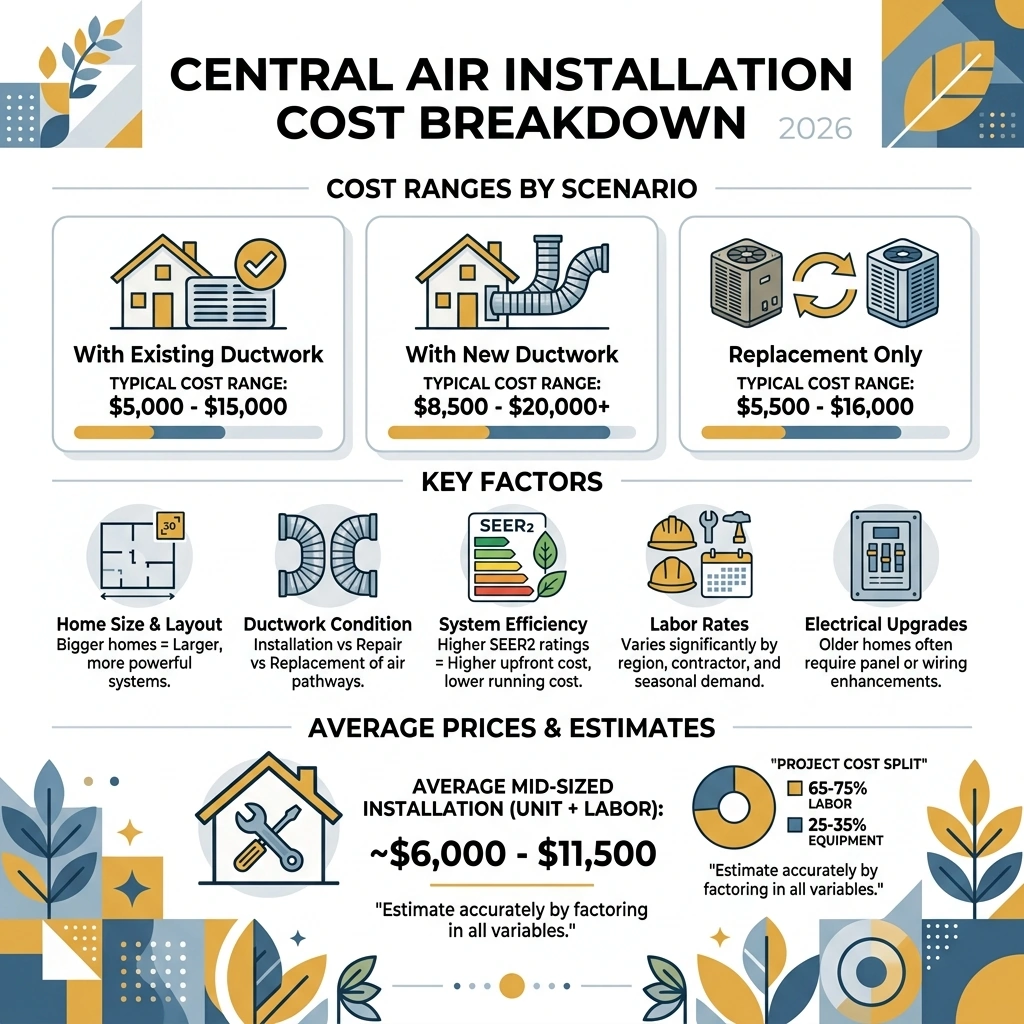
| Scenario | Typical Cost Range |
|---|---|
| With existing ductwork | $5,000 - $15,000 |
| With new ductwork | $8,500 - $20,000+ |
| Replacement only (existing system) | $5,500 - $16,000 |
| Average mid-sized install (unit + labor) | ~$6,000 - $11,500 |
A few things drive that wide range:
- Home size -- bigger homes need bigger (more expensive) systems
- Ductwork -- no ducts means higher costs
- Unit efficiency -- higher SEER2 ratings cost more upfront, less to run
- Labor rates -- vary by region and season
- Electrical upgrades -- older homes often need panel work
Most homeowners are surprised by how much labor factors in. In fact, labor alone can make up 65-75% of the total project cost.
Pittsburgh summers are no joke either. Humidity and heat together make a properly sized, well-installed central air system more than a luxury -- it's a real comfort and health decision.
I'm Bill Scott, General Manager of Smart Climate Solutions, and with over 20 years in the HVAC industry serving Pittsburgh and Southwestern PA, I've helped thousands of homeowners understand exactly how much to install central air and make confident, budget-smart decisions. Let's walk through everything you need to estimate your cost accurately.
Key Factors That Determine How Much to Install Central Air
When we sit down with a family in the South Hills or out in Steubenville, OH, we explain that every home is a unique puzzle. You cannot just pick a unit off a shelf and hope for the best. Several variables shift the needle on the final invoice.
First, your home's square footage is the primary driver. A cozy 1,200-square-foot ranch in Burgettstown requires much less cooling power than a 3,500-square-foot multi-story home in Pittsburgh. Beyond size, your home's "envelope" matters. This includes how well your attic is insulated, the age of your windows, and even which direction your house faces. A home that gets blasted by the afternoon sun will need a beefier system to keep up.
Labor rates also play a massive role. In our neck of the woods, labor typically accounts for $1,500 to $3,000 of the total bill for a standard install, but this can climb if the installation is complex, such as units located in tight crawlspaces or high attics. For a deeper look at these variables, check out our guide on residential HVAC installation cost.
Finally, regional regulations affect what we can install. For our neighbors in St. Clairsville and Weirton, AEP efficiency recommendations suggest a SEER2 rating of at least 13.4. Choosing a unit that meets or exceeds these local standards ensures you aren't just cool, but also compliant and eligible for local utility perks.
Understanding Unit Size and Tonnage
In the HVAC world, we measure cooling capacity in "tons." This does not refer to how much the unit weighs (thankfully!), but rather how much heat it can remove from your home in an hour. One ton equals 12,000 BTUs (British Thermal Units).
To get an accurate estimate of how much to install central air, we perform what is called a Manual J Load Calculation. We don't just guess based on square footage. We look at:
- Total square footage (roughly 1 ton per 500-600 square feet).
- Ceiling height.
- Number of occupants.
- Local climate data for the Pittsburgh and Ohio Valley area.
If you buy a unit that is too small, it will run constantly, never reaching your desired temperature and wearing itself out early. If it is too large, it will "short cycle," turning on and off so fast that it never has a chance to remove the humidity from the air. That leaves you feeling cold and clammy -- not exactly the comfort you're paying for!
The Impact of SEER2 Ratings on How Much to Install Central Air
SEER2 stands for Seasonal Energy Efficiency Ratio 2. Think of it like a car's MPG rating. The higher the number, the less electricity the unit uses to provide the same amount of cooling.
While a high-SEER2 unit (like 18 or 20+) costs more upfront, it can save you significant money on your monthly electric bills. In Pennsylvania and Ohio, where summer humidity makes AC a necessity for months at a time, those savings add up fast. According to the Energy Star Guide, upgrading from an old, inefficient unit to a modern high-efficiency model can slash your cooling costs by 20% to 40%.
Comparing Costs With and Without Existing Ductwork
The biggest "fork in the road" for your budget is whether or not your home already has a forced-air heating system with usable ducts.
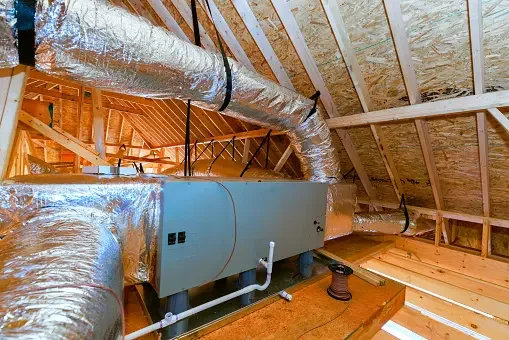
If you have a furnace and vents in every room, you're halfway there. We can often utilize that existing infrastructure, which keeps the cost of how much to install central air in the $5,000 to $15,000 range. We simply install the indoor evaporator coil on your furnace and the outdoor condenser unit nearby.
However, if you live in one of the many beautiful older homes in Washington, PA, or Pittsburgh that use radiators or baseboard heat, you likely have no ductwork. Installing a full central air system from scratch involves cutting into walls and ceilings to run new vents. This "retrofitting" process can add $2,000 to $10,000 or more to the total price.
For a detailed breakdown of these two very different projects, see our articles on Central Air Install Cost with No Existing Ductwork and Central Air Install Cost with Existing Ductwork.
Estimating Ductwork Modification and Repair
Even if you have ducts, they might not be ready for prime time. Central air requires more airflow than heating alone. If your ducts are too small, leaky, or uninsulated, your new AC unit will struggle.
We often find that older ductwork needs:
- Sealing: To prevent cool air from escaping into your attic or basement.
- Insulation: To keep the air cold as it travels to the second floor.
- Modifications: Adding a return vent or two to ensure the system can "breathe" properly.
Expect to invest an additional $500 to $2,000 if your existing ducts need professional attention to handle a modern high-efficiency system.
Challenges in Older Pittsburgh Homes
Pittsburgh is famous for its historic architecture, but those thick plaster walls and narrow floor joists can be a headache for HVAC installers. In many 19th-century homes, there simply isn't enough space for traditional 6-inch metal ducts.
In these cases, we might recommend a Small Duct High Velocity (SDHV) system. These use flexible, 2-inch tubes that can be snaked through walls like electrical wiring, causing minimal damage to your home's historic character. While these systems are more expensive to install than standard central air, they are often the only way to get whole-home cooling without a major remodel.
Average Price Ranges for Central AC Systems
To help you budget, we've broken down the typical equipment costs based on the type of technology inside the unit.
| System Type | Typical Installed Cost | Best For |
|---|---|---|
| Single-Stage | $5,500 - $8,800 | Budget-conscious homeowners; simple operation. |
| Two-Stage | $6,700 - $9,400 | Better humidity control and consistent temps. |
| Variable-Speed | $8,300 - $16,000+ | Maximum comfort and lowest monthly bills. |
Single-stage units are like a light switch -- they are either 100% on or 100% off. Variable-speed units are more like a dimmer switch; they can run at 30% or 50% capacity most of the day, which is much quieter and better at removing the "sticky" feeling from a humid Pittsburgh afternoon. You can find more details on these tiers in our post about How Much Does a Central Air Conditioner Unit Cost.
Labor and Additional Installation Expenses
When you see a "unit price" online, it doesn't include the "hidden" essentials required for a safe, legal installation.
- Electrical Upgrades: Modern AC units often require a dedicated 220V circuit. If your panel is full or outdated, an electrician might charge $500 to $2,000 for an upgrade.
- Permits and Fees: Depending on whether you're in Washington County or Allegheny County, permits can cost between $50 and $500.
- Line Sets: These are the copper pipes that carry refrigerant. If they need to be extra long or hidden, costs go up.
- Protection Systems: We highly recommend Airex protection systems for our installs. These professional-grade seals protect your home's exterior and keep your refrigerant lines from vibrating or leaking, ensuring a longer system life.
Popular Brand Price Tiers
Brand name matters, but perhaps not as much as the quality of the installation. Premium brands like Carrier or Trane often come with better warranties and slightly quieter operation, but they carry a higher price tag. Economy brands like Goodman or Amana offer reliable cooling at a lower entry point.
When choosing, look at the warranty. A 10-year parts warranty is the industry standard for most reputable brands. Just remember, a "cheap" unit installed poorly will always cost more in repairs than a premium unit installed by experts.
Smart Ways to Save on Your New AC System
We know that how much to install central air is a significant investment. The good news is that you don't always have to pay the "sticker price."
One of the best ways to save is to use the Energy Star rebate finder. Many local utility companies in PA, OH, and WV offer instant rebates for installing high-efficiency equipment. These can range from $200 to over $1,000 depending on the SEER2 rating.
Timing Your Purchase for How Much to Install Central Air Savings
If you wait until your old unit dies on a 95-degree day in July, you'll likely pay a premium. HVAC companies are busiest in mid-summer and mid-winter.
To save 10% to 20%, schedule your installation during the "shoulder seasons":
- Spring (March-April): Before the first heatwave hits.
- Fall (September-October): After the summer rush has cooled down.
During these times, we often have more flexibility in our schedules and can offer "off-season" discounts to keep our crews busy.
Utility Incentives and Federal Credits
The Inflation Reduction Act (IRA) has been a game-changer for homeowners. Currently, you can claim a federal tax credit of 30% of the project cost, up to $600, for high-efficiency central air conditioners. If you opt for an air-source heat pump (which provides both cooling and heating), that credit can jump up to $2,000.
Check with your tax professional to see how these credits apply to your specific situation in Pittsburgh or the surrounding areas.
Frequently Asked Questions About Central Air Costs
How long does a central air system typically last?
A well-maintained central air system should last between 15 and 20 years. In our region, units that are serviced annually tend to last much longer than those that are ignored. Factors like salt (if you're near treated winter roads) and heavy debris from trees can shorten that lifespan if the outdoor unit isn't kept clean.
Does central air add value to my home?
Absolutely. In the Pittsburgh real estate market, central air is often considered a "must-have" for buyers. Real estate experts suggest that adding central air can increase your home's resale value by up to 10%. It also makes your home much easier to sell, as many modern buyers won't even look at a house that relies on window units.
Can I install central air in an older home?
Yes, you can. Whether your home was built in 1920 or 2020, there is a cooling solution available. If traditional ductwork isn't feasible, we can look at ductless mini-splits or high-velocity systems. We always start with a structural assessment to ensure we choose the method that preserves your home's integrity while providing maximum comfort.
Conclusion
Estimating how much to install central air doesn't have to be a guessing game. By understanding your home's size, the importance of ductwork, and the value of efficiency, you can set a realistic budget for your family's comfort.
At Smart Climate Solutions, we pride ourselves on being the local experts for Pittsburgh, PA, and the entire Tri-State area. With over 20 years of experience and a commitment to 24/7 emergency support, we're here to ensure your installation is done right the first time.
Ready to get a precise quote for your home? Explore our HVAC Installation Services or give us a call today. We'll help you find the perfect balance of upfront cost and long-term savings so you can stay cool all summer long.


.png)
