

Why Your Heating System Check Can't Wait Until It's Too Late
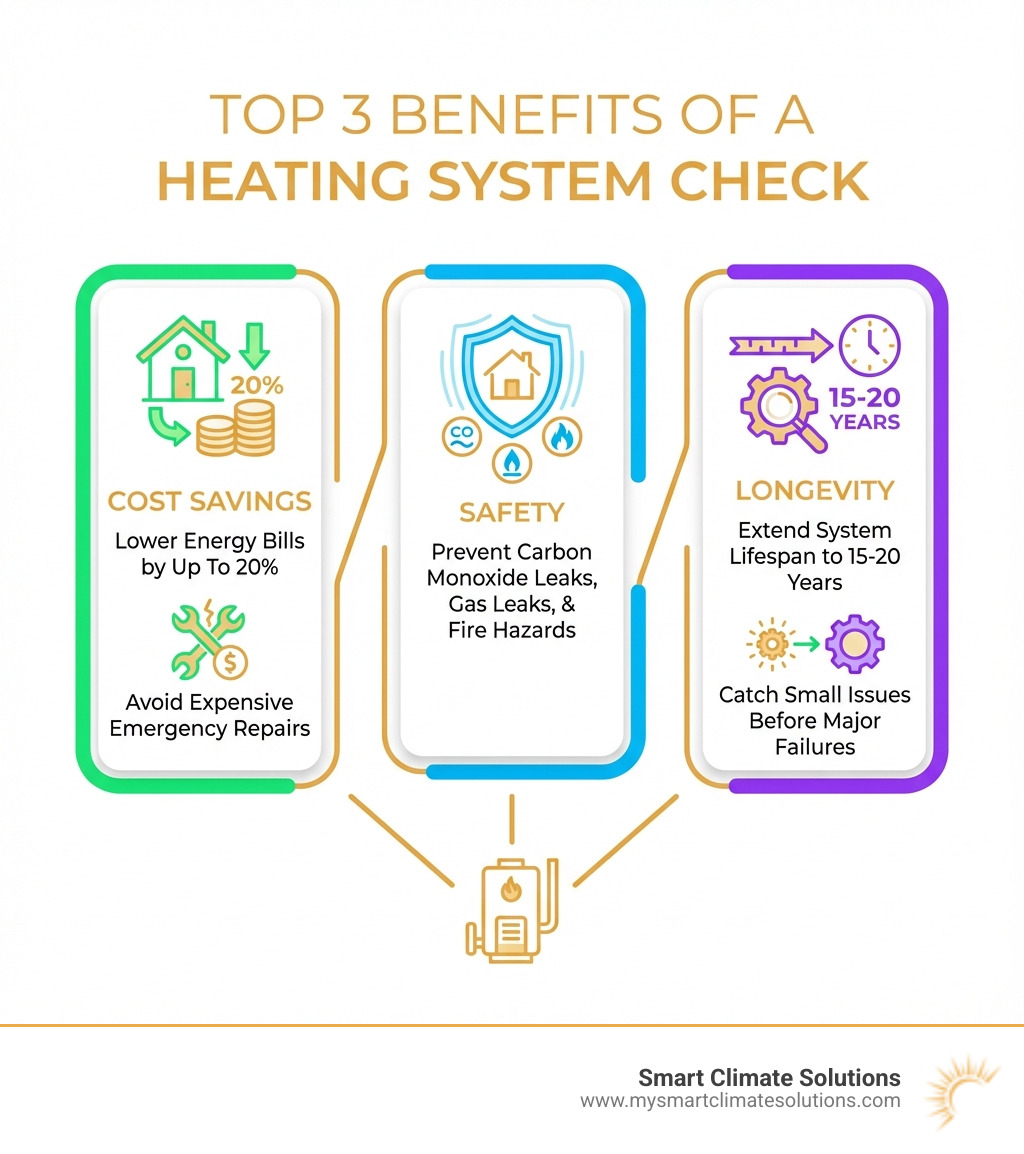
A heating system check is an annual inspection that ensures your furnace, boiler, or heat pump operates safely and efficiently before winter arrives. Key benefits include:
- Safety: Prevents carbon monoxide leaks, gas leaks, and fire hazards.
- Cost Savings: Reduces energy bills and prevents expensive emergency repairs.
- Longevity: Extends system lifespan to 15-20 years with proper maintenance.
- Efficiency: Maintains optimal performance and can reduce energy waste.
When the first cold snap hits Pittsburgh, the last thing you want is a broken furnace. Yet many homeowners face this reality because they skipped their annual heating system check.
A neglected system is a major problem, since nearly half of your home's energy use goes to heating and cooling. It wastes money, poses safety hazards like carbon monoxide exposure, and can fail when you need it most. Fortunately, most of these failures are preventable. An annual check catches small problems before they become expensive emergencies, keeps your family safe, and can cut your energy bill significantly.
I'm Bill Scott, general manager of Smart Climate Solutions. With over 20 years of experience helping Pittsburgh homeowners, I'll guide you through why annual checks matter, what to inspect yourself, and when to call a professional.
Similar topics to Heating system check:
Why Annual Maintenance is Non-Negotiable
In Pittsburgh, South Hills, and our surrounding communities, efficient heating is essential for battling chilly winters. Nearly half of your home's energy is for heating and cooling, so even small system inefficiencies cause noticeable spikes in utility bills. Regular, professional maintenance is a critical investment in your home's comfort, safety, and budget.
An annual heating system check ensures all components work correctly, preventing minor issues from becoming costly repairs. It also extends your equipment's lifespan, maximizes efficiency, and safeguards your family from hazards. For more tips, explore our guides on energy-saving-hvac-tips and high-efficiency-heating-and-air-conditioning.
Signs Your Heating System is Failing
Your heating system often gives clues when it's struggling. Ignoring these signs can lead to a breakdown on the coldest days. Watch for these indicators:
- Unusual Noises: Banging, grinding, or squealing sounds can indicate problems with the blower motor, fan belts, or other internal parts.
- Strange Smells: A brief dusty smell is normal at first, but persistent electrical, metallic, or chemical odors are a concern and could signal overheating parts or a gas leak.
- High Energy Bills: A sharp, unexplained increase in your energy bills points to system inefficiency. Your system is working harder and using more fuel.
- Uneven Heating: If some rooms are cold while others are hot, you may have issues with ductwork, a malfunctioning blower, or poor heat distribution.
- Constant Cycling (Short Cycling): A system that turns on and off frequently without completing a full cycle is inefficient and wears out components faster. This can be caused by a clogged filter or malfunctioning thermostat.
- Yellow or Flickering Pilot Light (for gas furnaces): A healthy pilot light is a steady blue flame. A yellow or flickering flame indicates incomplete combustion, a potential carbon monoxide hazard.
If you notice these signs, address them promptly. For more help, see our guides on heating-system-not-working and hvac-blowing-cool-air-not-heat.
The Dangers of a Neglected System
Beyond cost, a neglected heating system poses serious safety risks:
- Carbon Monoxide Exposure: This odorless, colorless gas results from incomplete combustion. A cracked heat exchanger or faulty vent can leak CO into your home, causing serious illness or death. Ensure you have working guide on carbon monoxide detectors and test them monthly.
- Gas Leaks: Faulty gas connections on furnaces and boilers are a serious fire hazard. A professional check includes inspecting these connections.
- Fire Hazards: Overheating electrical parts, frayed wiring, or dust buildup can all become fire risks in a poorly maintained system.
- Poor Indoor Air Quality: A dirty system with clogged filters circulates dust and allergens, worsening allergies and respiratory issues. Learn more in our indoor-air-quality blog.
These dangers show why annual maintenance is a necessity for homeowners in our service areas, including Pittsburgh and Weirton.
Efficiency, Cost, and Lifespan
Understanding your system's efficiency is key to managing energy costs.
- AFUE Rating Explained: Annual Fuel Utilization Efficiency (AFUE) measures how much fuel is converted into usable heat. An 80% AFUE means $0.80 of every dollar spent on fuel heats your home, while $0.20 is wasted.
- 80% vs. 90%+ Efficiency: Modern systems have an AFUE of 90% or higher. If your system's rating is lower, you are likely paying too much for heat.
- System Age: A heating system's average lifespan is 15-20 years. As systems age, efficiency declines and breakdowns become more common. If your system is in this range, consider a replacement to benefit from the cost savings of a new, efficient unit. Our furnace-replacement-cost guide can help.
- ENERGY STAR Equipment: Replacing old equipment with ENERGY STAR certified models can cut your annual energy bill by nearly $140. These systems are designed for high efficiency. Learn more in our energy-star-heating-cooling-systems-guide.
Your Essential DIY Heating System Check
Before calling a pro, you can perform several basic DIY tasks to maintain your heating system and improve its efficiency. These simple checks help catch obvious problems early.

Safety First: Precautions Before You Start
Safety is paramount. Before touching your heating system, always:
- Turn Off Power: Switch off the circuit breaker for your heating system and the dedicated power switch on or near the unit.
- Gas Supply Valve: For a gas furnace, turn the main gas supply valve to the "off" position.
- User Manual: Consult your system's manual for model-specific instructions and safety warnings.
- Carbon Monoxide Detectors: Ensure your CO detectors are functional and test them monthly. For more, see the Gas Furnace Inspection Checklist.
Step 1: Inspect and Change the Air Filter
This is the easiest and most impactful DIY task. A dirty air filter restricts airflow, forcing your system to work harder, which wastes energy and strains the blower motor. This can reduce efficiency by up to 15 percent.
- Monthly Inspection: Check your filter monthly, especially during Pittsburgh's winters. If you can't see light through it, it's time for a change.
- Replacement Schedule: Replace your filter every 1-3 months. Homes with pets or allergy sufferers may need more frequent changes.
Step 2: Check Thermostat and Vents
Your thermostat and vents are crucial for proper operation.
- Thermostat Settings and Batteries: Set your thermostat to "Heat" and the fan to "AUTO". If the display is blank, replace the batteries. Test it by raising the temperature a few degrees to ensure the system kicks on.
- Smart Thermostat Benefits: An ENERGY STAR certified smart thermostat can save around $100 a year by optimizing energy use based on your schedule and habits.
- Clear Vents and Registers: Ensure all supply and return air vents are open and not blocked by furniture, rugs, or curtains. Blocked vents cause uneven heating.
- Inspecting and Sealing Ductwork: Visually inspect exposed ductwork for gaps or tears. Sealing and insulating ducts can improve system efficiency by as much as 20 percent. Use HVAC foil tape or mastic sealant for small leaks. Our ductwork-installers-complete-guide has more details.
Step 3: Visually Inspect the Unit and Area
With the power and gas off, look at the heating unit itself.
- Clearance Around the Unit: Keep at least 3 feet of clear space around your furnace or heat pump to ensure proper airflow and service access.
- Blower Door Security: Check that the furnace blower door is securely closed. A loose door can cause the system to fail or run inefficiently.
- Condensate Drain Line: For high-efficiency furnaces and heat pumps, check the condensate drain line for clogs or leaks, which can cause water damage or a system shutdown.
- Soot, Rust, or Leaks: Look for excessive soot, rust, or cracks on the burners or heat exchanger, as these can be serious safety issues. Also check for water leaks around the unit.
- Unusual Noises or Smells: After restoring power, listen for grinding or squealing noises and check for strange smells. If something seems off, turn the system off and call a professional. These checks are a good first step if your furnace-stopped-working.
What a Professional Heating System Check Includes
While DIY checks are valuable, they don't replace a thorough inspection from a certified HVAC technician. A professional heating system check is a comprehensive tune-up that ensures safe, efficient operation. Many manufacturers also require proof of annual service to keep your warranty valid.
At Smart Climate Solutions, our certified technicians serve Pittsburgh, South Hills, and nearby areas, ensuring your system is ready for winter. Learn more about our furnace-tune-up and hvac-preventive-maintenance-plans.
The Professional Heating System Check Checklist
During a professional check, our technicians perform a multi-point inspection, which includes:
- Thermostat Calibration: Ensuring accurate temperature readings and system communication.
- Tightening Electrical Connections: Securing connections and measuring voltage to prevent failures and improve safety.
- Lubricating Moving Parts: Reducing friction in motors and bearings to lower energy use and prevent wear.
- Inspecting Condensate Drain: Clearing the drain to prevent clogs, water damage, and humidity issues.
- Verifying System Controls and Safety Devices: Checking the starting cycle, limit switch, and flame sensors for safe operation.
- Inspecting Gas/Oil Connections and Pressure: Inspecting fuel lines and connections for leaks and correct pressure to prevent fire hazards.
- Burner Combustion Analysis: Checking burner combustion for optimal efficiency and to prevent incomplete combustion.
- Heat Exchanger Inspection: Inspecting for cracks or corrosion that could lead to carbon monoxide leaks.
- Cleaning Internal Components: Cleaning the blower, ignitor, and other parts for optimal airflow and operation.
- Flue Pipe Inspection: Checking for blockages or corrosion to ensure safe removal of exhaust gases.
- Airflow Measurement (Delta T): Measuring the temperature difference between supply and return air to diagnose performance.
- Refrigerant Levels (for Heat Pumps): Checking and adjusting refrigerant to ensure efficiency and system longevity.
This comprehensive approach follows industry best practices, as outlined in the ENERGY STAR Maintenance Checklist.
When to Call a Professional Instead of DIY
Attempting complex repairs can be unsafe and void your warranty. Call a professional immediately for these critical situations:
- Gas Smell: Evacuate your home and call your gas company, then a professional. Do not use any electronics.
- Loud Grinding or Banging Noises: These often signal a serious mechanical failure that requires expert repair.
- Major Water Leaks: Significant water around your unit could indicate a major internal problem.
- No Heat at All: If basic checks don't solve the problem, you need a professional diagnosis.
- System Over 15 Years Old: Older systems are prone to complex failures and need expert assessment.
- Flickering or Yellow Pilot Light: This indicates a potential carbon monoxide hazard. Turn off the system and call for service.
- Any Safety Concerns: If you are ever unsure, trust your instincts and call a professional. Your safety is our priority.
Our 24/7 emergency support is available for these situations. Don't hesitate to reach out for our emergency-furnace-repair-complete-guide or 247-hvac-emergency-repair.
Maintenance for Different Systems: Furnaces, Boilers, and Heat Pumps
While many maintenance principles are universal, each heating system has unique needs. Understanding these differences ensures your heating system check is custom to your equipment. For a look at your options, see our guide to residential-heating-and-cooling-options.
Furnaces vs. Boilers
Furnaces heat air and distribute it via ducts, while boilers heat water for radiators or radiant flooring. This leads to different maintenance needs:
| Feature | Furnace | Boiler |
|---|---|---|
| Heating Medium | Air | Water |
| Distribution | Ductwork and vents | Radiators or radiant floor heating |
| Key Components | Blower, heat exchanger, burners, ignitor | Burner, heat exchanger, circulator pump, expansion tank |
| DIY Focus | Air filter changes, vent clearing, visual unit inspection | Bleeding radiators, checking pressure gauge, visual pipe inspection |
| Pro Focus | Combustion analysis, heat exchanger inspection, gas pressure, blower motor checks | Pressure relief valve, circulator pump, expansion tank, bleeding, water quality, gas/oil connections |
| Common Issues | Dirty filters, airflow problems, ignitor failure, short cycling | Air in lines, low pressure, leaks, sediment buildup, pump issues |
- Furnaces (Air): Furnace maintenance focuses on airflow, requiring clean filters, clear ducts, and a functional blower. Professional checks include combustion analysis and heat exchanger inspections.
- Boilers (Water): Boiler maintenance involves checking water levels and pressure, bleeding air from radiators, and inspecting for leaks. For more on boiler issues, see this boiler systems guide and our hvac-radiator-repair-pittsburgh-guide.
Heat Pump Specifics
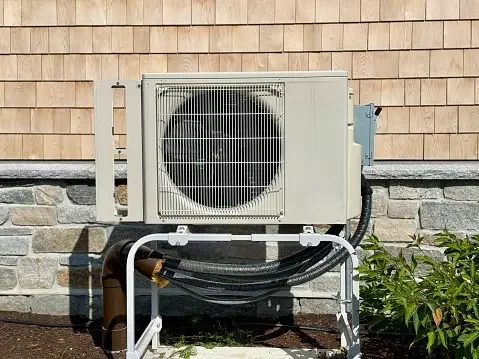
Heat pumps both heat and cool by transferring heat. In winter, they pull heat from the outside air and move it indoors.
- Outdoor Unit Inspection: The outdoor unit must be clear of debris, leaves, snow, and ice. Keep plants trimmed at least two feet away to ensure proper airflow.
- Auxiliary/Emergency Heat Test: A technician should test the auxiliary heat strips to ensure they engage correctly in very cold weather.
- Temperature Rise (Delta-T): A professional measures the temperature difference (Delta-T) between the supply and return air to confirm efficient operation. A properly working heat pump should produce air at the registers that is at least 25 degrees warmer than the indoor air temperature. Learn more in our heat-pump-fan-motor-replacement-guide.
Frequently Asked Questions about Heating System Checks
Here are answers to common questions we get from homeowners in the Pittsburgh area about heating system checks.
How often should I get my heating system checked?
The industry standard is a professional heating system check once a year. This annual inspection is crucial for efficiency, safety, and keeping your manufacturer's warranty valid.
The best time to schedule your check is in the fall (September or October) before cold weather arrives. This ensures your system is ready for peak demand and helps you avoid the winter rush for emergency service. For cost information, see our guide on annual-hvac-maintenance-cost.
Can regular maintenance really save me money?
Yes, absolutely. Regular maintenance is a smart investment that saves money in several ways:
- Lower Energy Bills: A well-tuned system uses less fuel, directly lowering your monthly bills. Upgrading to ENERGY STAR models can save nearly $140 annually.
- Fewer Costly Repairs: Annual checks catch small issues before they become major, expensive breakdowns.
- Longer Equipment Life: Proper care helps your system reach its full 15- to 20-year lifespan, delaying the cost of a full replacement.
- Warranty Validity: Many manufacturers require documented annual maintenance to keep your warranty active, saving you from paying for otherwise covered repairs.
In short, maintenance is a cost-saving strategy. Learn more about the benefits in our article: are-hvac-maintenance-plans-worth-it.
What's the difference between a heating and cooling check?
While both are part of comprehensive HVAC maintenance, they focus on different components.
- Heating Check Focus: A heating system check targets heat-generating parts. This includes inspecting the heat exchanger, checking gas lines, and performing combustion analysis.
- Cooling Check Focus: A cooling check, done in spring, focuses on refrigeration components. This involves checking refrigerant levels, cleaning coils, and inspecting the condensate drain.
- Overlap: Both checks include inspecting the thermostat, air filters, electrical connections, and the blower motor, as these parts affect both heating and cooling.
For more on cooling system maintenance, see our ac-maintenance guide.
Stay Warm and Safe This Winter
An annual heating system check is an essential part of homeownership in the Pittsburgh area. It's your best defense against unexpected breakdowns, high energy bills, and serious safety hazards like carbon monoxide leaks.
Prioritizing regular maintenance ensures your system runs efficiently, saves you money, and extends its lifespan, keeping your family safe and comfortable all winter. At Smart Climate Solutions, our certified technicians have over 20 years of experience providing fast, reliable service. We offer 24/7 emergency support because we know heating issues don't wait for business hours.
Don't wait for the cold to catch you off guard. Schedule your professional HVAC service and repair with us today and enjoy a warm, worry-free winter.


.png)
