
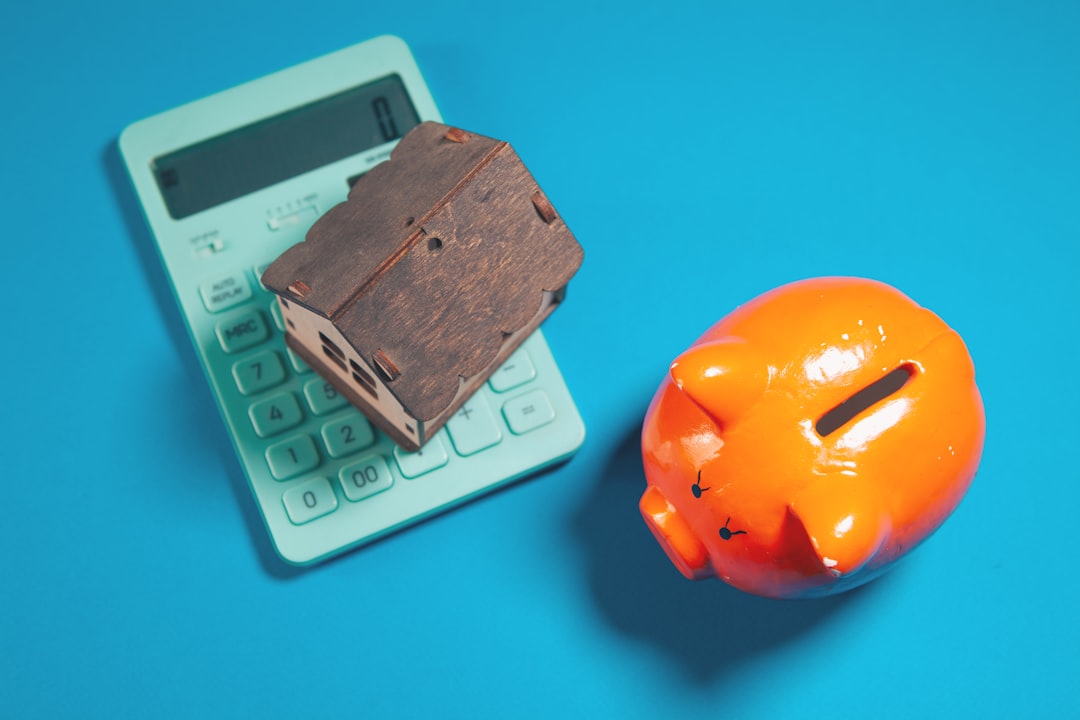
When Your Furnace Dies, the Bill Doesn't Wait
Furnace replacement financing lets you spread the cost of a new heating system over monthly payments instead of paying thousands of dollars all at once. Here is a quick look at how it works:
| Key Question | Quick Answer |
|---|---|
| What does a new furnace cost? | Typically $4,000 - $7,000+ installed |
| Common monthly payment | Around $149/mo for many homeowners |
| Credit score needed? | Varies by lender; fair credit often qualifies |
| Financing types available | Dealer plans, personal loans, home equity, lease-to-own |
| Promotional offers | 0% APR for up to 21 months with some lenders |
| Federal tax credit available? | Up to $2,000 for qualifying heat pump installs |
Most homeowners don't plan for a furnace breakdown. In fact, over half of Americans can't cover a $5,000 emergency expense out of pocket -- and the average HVAC ticket runs right around that number. When your heating system fails in the middle of a Pittsburgh winter, waiting isn't an option.
That is exactly why financing exists. It gives you access to a properly installed, energy-efficient system right now, without draining your savings or putting your family's comfort on hold.
I'm Bill Scott, General Manager of Smart Climate Solutions, and with over 20 years in the HVAC industry serving Pittsburgh and Southwestern PA, I've helped thousands of homeowners navigate furnace replacement financing to find a payment plan that fits their budget. In this guide, I'll walk you through every option clearly, so you can make a confident decision.

Simple guide to Furnace replacement financing:
Understanding Furnace Replacement Financing
When your heating system finally gives out, the financial shock can be overwhelming. Many homeowners assume their only option is to scrape together thousands of dollars in cash or max out a high-interest credit card. Fortunately, furnace replacement financing changes the game by breaking down a massive upfront expense into manageable monthly payments.
Financing does more than just rescue your bank account in an emergency. It significantly increases your purchasing power. When you pay with cash, you might feel forced to choose the cheapest, bare-minimum furnace available just to get the heat back on. With financing, you can opt for a high-efficiency model that lowers your monthly utility bills and provides superior comfort.
According to industry data, financing actually increases the average ticket price of an HVAC installation to $5,841, compared to $4,259 for cash payments and $4,519 for standard credit card payments. This happens because homeowners realize they can afford a much better, longer-lasting system when it is spaced out over time.
Investing in a modern furnace means you are investing in a system with a lifespan of 15 to 20 years. When you spread that cost over a flexible payment term, the system often helps pay for itself through improved energy efficiency. If you want to explore the baseline costs of a system upgrade before diving into loans, you can read our comprehensive breakdown on Furnace Replacement Cost.
How to Qualify for Furnace Replacement Financing
Qualifying for a heating loan is simpler than most people think, but lenders will still look at a few key pieces of your financial history. The primary factors include your credit score, your debt-to-income (DTI) ratio, and your employment status.
For homeowners worried about their credit history, many modern financing platforms offer a soft credit check. This is a massive advantage because a soft credit inquiry allows you to view your loan options and prequalify without hurting your credit score.
To start the prequalification process, you will generally need to provide:
- Your basic contact information and proof of homeownership.
- Your monthly income and employment details.
- Your estimated project cost, which you can calculate using a New Furnace Cost Estimate.
Once you submit this quick inquiry, lenders can give you a decision in as little as 60 seconds, showing you the exact interest rates and monthly payments you qualify for.
The Financial Benefits of Upgrading Early
Waiting until your furnace completely dies in the dead of winter is a recipe for high-stress decision-making. Upgrading your system early, especially when you can finance it comfortably, comes with major financial perks.
Older heating systems are notorious energy hogs. If you are replacing an old, inefficient system with a modern, high-efficiency setup, your energy bills will drop immediately. For example, upgrading an outdated system to a modern, high-efficiency unit can cut your heating and cooling costs by 35% to 40%.
Additionally, newer systems offer unmatched reliability. You will trade those expensive, late-night emergency repair bills for the peace of mind that comes with a manufacturer warranty. To learn more about how a high-efficiency system can save you money starting on day one, check out our guide on High Efficiency Furnace Install.
Comparing Your HVAC Loan and Payment Options

Every homeowner's financial situation is unique. What works perfectly for your neighbor in South Hills might not be the best fit for your home in Washington, PA. To find the right path, you need to compare the main types of financing available: personal loans, home equity loans, credit cards, and specialized dealer financing.
Comparing Your Furnace Replacement Financing Options
Let's break down how these different financing avenues stack up against one another.
- Dealer and Contractor Financing: These programs are designed specifically for home comfort upgrades. They are offered directly through HVAC companies partnering with major lenders. They often feature promotional APR offers, such as 0% interest for 12 to 21 months, or low-interest long-term options.
- Personal Loans: These are unsecured loans from banks, credit unions, or online third-party lenders. Because they are unsecured, you do not have to put your home up as collateral. They offer fixed interest rates and predictable monthly payments, but interest rates can range anywhere from 7% to 36% depending on your credit score.
- Home Equity Loans or HELOCs (Home Equity Lines of Credit): If you have significant equity in your home, you can use it to secure a low-interest loan. While these offer some of the lowest interest rates available, the application process takes longer, and your home serves as collateral. This means there is a risk of foreclosure if you default on the payments.
- Credit Cards: While convenient for immediate use, standard credit cards usually carry the highest interest rates, often exceeding 20% APR. Maxing out a credit card can also damage your credit utilization ratio, lowering your overall credit score.
To help you visualize these differences, here is a comparison table of your options for a typical New Heating System Cost:
| Financing Option | Average Interest Rate | Typical Loan Terms | Pros | Cons |
|---|---|---|---|---|
| Dealer Financing | 0% (Promo) to 9.99% | 12 to 120 months | Quick approval, zero down, promotional rates | Must use participating contractor |
| Personal Loan | 7.8% to 36% | 12 to 84 months | No home equity required, funds sent directly to you | Higher rates for lower credit scores |
| HELOC / Home Equity | 6% to 10% | 5 to 30 years | Lowest interest rates, tax-deductible interest | Long approval process, uses home as collateral |
| Credit Card | 18% to 29% | Revolving | Instant access, earn card rewards | High interest, can hurt credit score |
Contractor and Dealer Financing Programs
For most homeowners, contractor-sponsored financing programs offer the path of least resistance. Because we understand that a broken furnace is an emergency, we have partnered with top-tier lenders to offer flexible payment plans that get your heat back on fast.
These programs are built specifically for home improvement projects and offer several distinct advantages:
- Low Monthly Payments: You can find plans with payments starting as low as $59 to $149 per month, depending on the system you choose.
- Quick Approval: Most applications are processed online or over the phone, with approval decisions delivered in minutes.
- Zero Down Payment: You can often complete your entire installation with $0 down, keeping your cash in your bank account.
- Convenient Billing: Many plans offer paperless auto-pay options, allowing you to manage your account easily on your phone.
If you are looking for localized options in Washington, PA, you can work with a trusted local provider who understands the specific heating needs of Southwestern Pennsylvania homes and offers tailored financing plans to fit your budget.
Credit Requirements and Cost Factors
Your credit score plays a significant role in the interest rates and terms you will be offered. However, having less-than-perfect credit does not mean you are out of options. Understanding how credit tiers work can help you prepare your application and avoid paying unnecessary interest. If you want to see what is involved in the physical setup of your new system before you apply, read our Furnace Installation Guide 2026.
How Credit Scores Impact Your Monthly Payments
Lenders generally group applicants into credit tiers, which determine the interest rate and loan terms you receive:
- Excellent Credit (720+): Applicants in this tier qualify for the absolute best prime rates, including 0% APR promotional offers for up to 21 months and the lowest long-term fixed rates.
- Good Credit (660-719): You will easily qualify for most financing programs with highly competitive rates, usually ranging from 7% to 12%.
- Fair Credit (600-659): You can still secure financing, but your interest rates will be higher. You might want to consider applying with a co-signer who has excellent credit to help you secure a lower rate.
- Poor Credit (Under 600): Traditional loans may be harder to secure, but alternative subprime options, such as lease-to-own programs, are designed specifically to help you get a working system installed.
For a deep dive into local pricing and financing expectations tailored to our region, you can consult our Furnace Replacement Guide Pittsburgh 2026.
Maximizing Savings with Rebates and Tax Credits
Before you finalize any loan amount, you should always look for ways to knock the total cost down using rebates and incentives. This reduces the amount of money you actually need to borrow, which lowers your monthly payments.
Under the federal Inflation Reduction Act, homeowners can qualify for significant tax savings. For example, installing a qualifying energy-efficient heat pump can earn you a federal tax credit of up to $2,000.
Additionally, local utility companies throughout Pennsylvania and Ohio offer cash-back rebates for upgrading to high-efficiency heating systems. By combining manufacturer promotions, utility rebates, and federal tax credits, you can shave thousands of dollars off your project. To plan your upgrade budget with these incentives in mind, read our Heating Plan Pittsburgh PA Guide 2026.
If you live near the state borders, working with an experienced tri-state contractor ensures you can maximize all available regional rebates and utility incentives across the PA, OH, and WV areas.
Frequently Asked Questions About Heating Loans
Navigating the financial side of home maintenance can raise a lot of questions. Here are the clear, straightforward answers you need to make an informed decision.
What credit score is typically needed to finance a furnace?
While there is no single universal minimum credit score, most prime financing programs prefer a score of 640 or higher to qualify for promotional offers like 0% APR. However, many lenders offer secondary programs for fair credit scores down to 580. If your score is lower, you can still qualify by using a co-signer or opting for alternative financing routes.
How long does the financing approval process take?
The initial prequalification process is almost instant, often taking less than two minutes online. Once you select a loan offer and submit your formal application, formal approval usually happens within 24 hours. For standard residential furnace installations, funding is typically completed within 1 to 3 business days, allowing us to install your system without delay.
What happens if I cannot qualify for traditional financing?
If you cannot qualify for a standard personal loan or dealer financing due to credit challenges, you still have options. Many homeowners utilize lease-to-own programs, which focus on your history of utility payments and homeownership rather than just your credit score.
Additionally, you can look into local community action programs or state-sponsored energy loans that offer relaxed credit requirements for essential home heating. If you are located in the Ohio Valley, you can find specific regional advice on local pricing and alternative options in our guide on Furnace Replacement Steubenville OH. You can also research regional average costs, such as the Furnace Replacement Cost in Weirton, WV, to understand what your local budget should look like.
Conclusion
Replacing your furnace does not have to be a source of financial stress. With the right financing plan, you can protect your savings, lower your monthly energy bills, and keep your home warm and safe through the coldest winter months.
At Smart Climate Solutions, we are dedicated to making home comfort affordable for every family in Pittsburgh, South Hills, Burgettstown, Washington, Steubenville, St. Clairsville, and Weirton. Our team of certified technicians brings over 20 years of experience to every job, offering fast, reliable service and 24/7 emergency support when you need us most.
We will help you navigate the entire process -- from selecting the perfect high-efficiency system to finding a flexible, low-monthly-payment plan that fits your budget. Ready to restore your home's comfort without the financial headache? Schedule your professional HVAC installation today.

.png)
