

Why Knowing When to Replace Your Commercial Air Handler Can Save Your Building Thousands
Commercial air handler replacement is one of the biggest mechanical decisions a building owner or facility manager will face - and getting the timing wrong in either direction is costly.
Quick answer: Should you repair or replace your commercial air handler?
| Situation | Recommended Action |
|---|---|
| Unit is under 10 years old, single issue | Repair |
| Unit is 10-15 years old, recurring problems | Evaluate with a lifecycle cost analysis |
| Unit is 15+ years old, repair cost exceeds 50% of replacement cost | Replace |
| Refrigerant is obsolete, IAQ is declining | Replace |
| Energy bills are rising despite repairs | Replace |
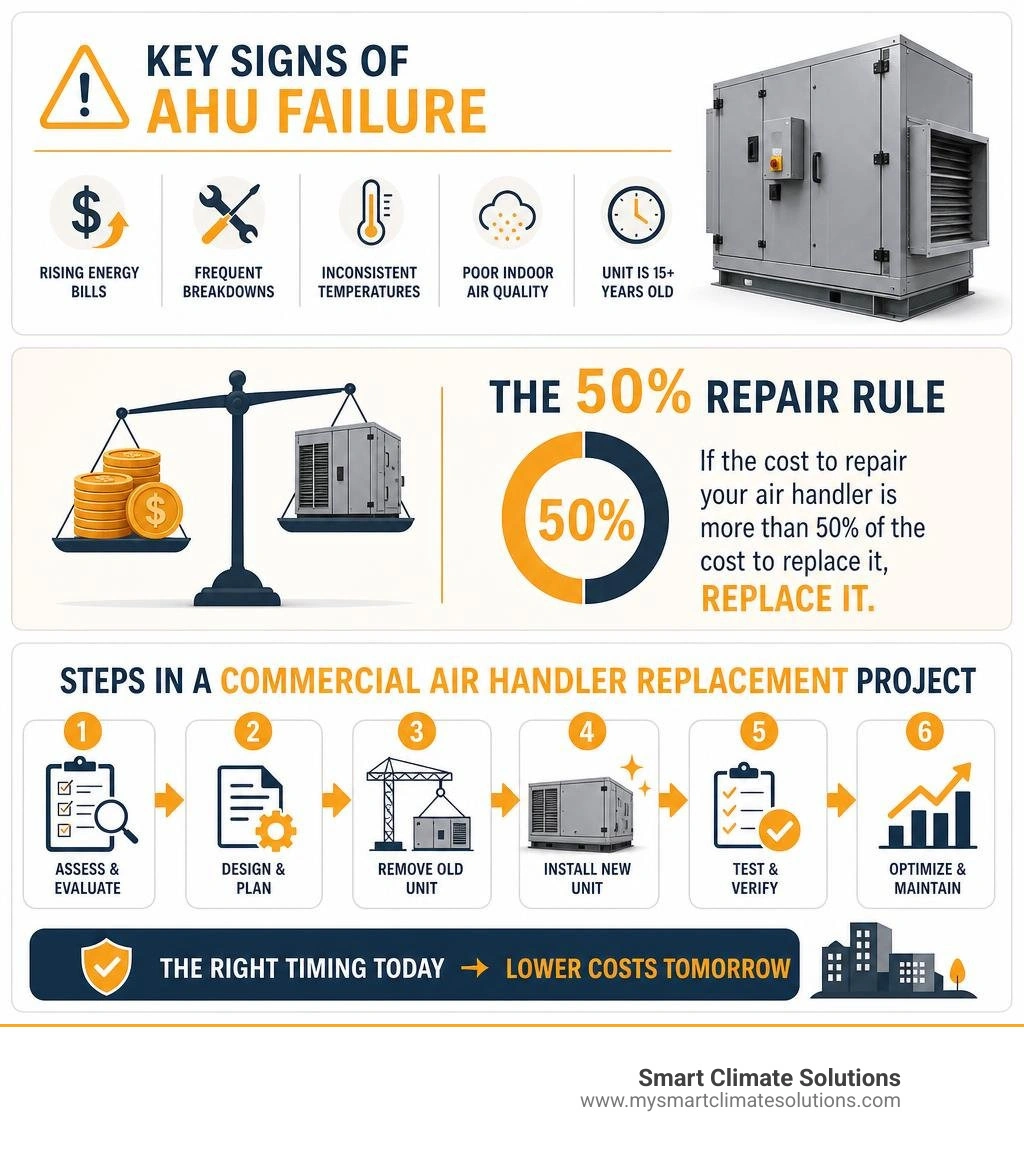
Most commercial air handlers last between 15 and 20 years with proper maintenance. But age is just one factor. Rising energy bills, frequent breakdowns, inconsistent temperatures, and poor indoor air quality are all signs that your unit may be costing you more than a replacement would.
Older systems can also waste up to 30% of conditioned air through leaky ductwork, and a new high-efficiency unit can cut heating and cooling energy use by as much as 50% compared to equipment installed a few decades ago. Those numbers add up fast.
This guide walks you through every step - from spotting the warning signs to selecting the right unit, managing the project, and staying compliant with Western Pennsylvania building codes.
I'm Bill Scott, General Manager of Smart Climate Solutions, with over 20 years in the HVAC industry and hands-on experience managing commercial air handler replacement projects across Pittsburgh and Southwestern PA. In that time, I've helped hundreds of building owners navigate the repair-versus-replace decision and come out ahead financially.
Relevant articles related to commercial air handler replacement:
- emergency hvac service pittsburgh
- hvac retrofit projects pittsburgh
- large scale mechanical contracting
Key Signs Your Building Needs a Commercial Air Handler Replacement
Recognizing when your air handling unit (AHU) is on its last legs can save you from a catastrophic, mid-season breakdown. In our decades of servicing commercial facilities, we have identified several universal warning signs that point toward replacement rather than another quick fix.
First and foremost is equipment age. Because most commercial air handlers are engineered to last between 15 and 20 years, any unit pushing past its 15th year of service deserves close scrutiny. While routine maintenance can stretch this timeline, internal components like fan shafts, bearings, and structural casings naturally degrade over time.
Rising utility costs are another major indicator. If your energy bills are steadily climbing but your building's occupancy patterns and local weather remain consistent, your AHU is likely running inefficiently. Over time, motor winding insulation degrades, coils collect deep-seated grime that cannot be cleaned, and internal dampers lose their calibration.
Frequent, compounding repairs are a clear sign of system fatigue. If you are calling for emergency service multiple times a year to replace blower motors, mend cracked drain pans, or patch leaking coils, you are essentially rebuilding an obsolete machine piece by piece at a premium rate.
Poor indoor air quality (IAQ) and inconsistent temperatures across your zones also point to a failing system. An air handler with a failing blower motor or outdated pneumatic controls cannot deliver the design airflow required to balance the building. This results in stagnant air, high humidity levels, and uncomfortable occupants.
Finally, the regulatory landscape is shifting. Many older systems still rely on obsolete or phased-out refrigerants. Upgrading to a modern system ensures compliance with environmental regulations and eliminates the high cost of sourcing legacy refrigerants. For a deep dive into maintaining and evaluating your current commercial setup, read our HVAC Service Pittsburgh Complete Guide.
Repair vs. Replace: Evaluating the Financial and Operational Trade-offs
When an air handler malfunctions, building owners face a classic dilemma: do you pay for a repair, invest in a refurbishment, or commit to a complete replacement? Each option has distinct financial and operational implications.
| Metric | Repair | Refurbishment | Replacement |
|---|---|---|---|
| Upfront Cost | Low (hundreds to thousands) | Moderate (30% to 50% of new) | High (full capital expenditure) |
| Expected Lifespan | Temporary (months to 2 years) | Extended (5 to 10 years) | Maximum (15 to 20 years) |
| Energy Efficiency | No change (remains baseline) | Minor improvement (up to 10%) | Major improvement (20% to 50%) |
| Downtime Required | Minimal (hours) | Moderate (days to weeks) | High (days; highly planned) |
| Warranty Coverage | Component only (typically 1 year) | Rebuilt components only | Comprehensive factory warranty |
To make the right choice, you must look at the big picture. A simple repair is often the best choice for a relatively young unit with an isolated component failure. However, if the unit has been neglected or is nearing the end of its useful life, continuing to repair it is a poor financial strategy. To keep your current equipment running reliably as long as possible, establishing a structured Commercial HVAC PM program is essential.
The 50 Percent Rule for Commercial Air Handler Replacement
In the commercial mechanical industry, we use a simple rule of thumb to help clients evaluate their options: if the cost of a single repair exceeds 50% of the cost of a new commercial air handler, it is time to replace the system.
This rule is built on practical economics. When you factor in the 15-to-20-year lifespan of an AHU, spending thousands of dollars to patch an old unit is rarely a good investment. Furthermore, you must consider cumulative maintenance costs. If you spend 20% of the replacement cost on repairs every year for three years, you have spent 60% of the cost of a new system while still operating an inefficient, unreliable machine.
Refurbishment vs. Full Replacement
For massive, built-in air handlers - especially those located in deep basements or tight mechanical rooms - a full replacement can require major structural demolition. In these specific cases, refurbishment is a viable alternative. Refurbishing an AHU involves stripping the unit down to its structural frame and replacing the internal components.
During a refurbishment, technicians can:
- Install brand-new heating and cooling coils
- Upgrade to high-efficiency blower motors or direct-drive fan arrays
- Apply specialized epoxy floor coatings to seal rusted drain pans and structural floors
- Replace worn control dampers and actuators
While refurbishment can save on rigging costs and minimize structural disruption, it does not provide the same long-term energy savings or comprehensive warranty as a brand-new, factory-engineered unit. If you are weighing these choices for an older property in Western Pennsylvania, exploring HVAC Retrofit Projects Pittsburgh can help you understand how other local facilities have approached this challenge.
Selecting and Sizing Your New Air Handling Unit
Choosing a new air handler is not as simple as reading the nameplate on your old unit and ordering the same capacity. Building usage patterns change, insulation materials degrade or get upgraded, and modern engineering standards have evolved.

Modern air handling units must be designed to meet strict ASHRAE standards for ventilation and indoor air quality while operating at peak energy efficiency. Selecting system-matched components ensures that your air handler works in perfect harmony with your existing chillers, boilers, or heat pumps. Additionally, modern manufacturers subject their equipment to rigorous acoustic testing, ensuring that your new system will operate far more quietly than the loud, vibrating unit you are replacing. For premium equipment options, we often look to trusted systems like American Standard Commercial Air Conditioners to deliver quiet, dependable performance.
Load Calculations and System Sizing
An accurate load calculation is the foundation of any successful commercial air handler replacement project. We never rely on outdated rules of thumb like "one ton of cooling per 400 square feet." Instead, our engineers perform formal load calculations that analyze:
- Exact building square footage and spatial volume
- Local climate data for the Greater Pittsburgh and Ohio Valley regions
- Current insulation values in walls and roofs
- Window glazing types and surface areas
- Real-time occupancy patterns and internal heat gains from lights and electronics
Sizing the equipment with a tight safety margin (typically no more than 10%) prevents the common issues associated with oversized equipment. An oversized air handler will short-cycle, leading to poor humidity control, uneven temperatures, and premature motor failure.
Choosing the Right AHU Type for Your Facility
Different buildings require different air handling configurations. Selecting the right type depends on your structural layout, zoning needs, and energy goals.
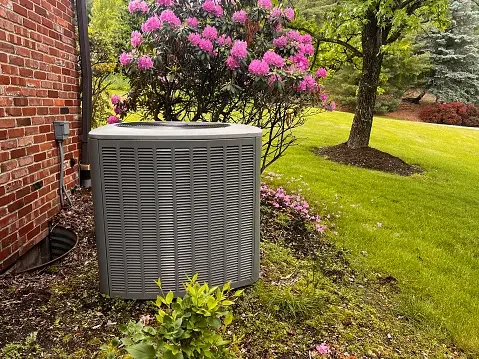
- Packaged Rooftop Units (RTUs): Ideal for single-story retail spaces, offices, and schools. They combine all heating, cooling, and air handling components into a single outdoor cabinet, saving valuable indoor floor space.
- Indoor Air Handling Units: Commonly installed in dedicated mechanical rooms or interstitial spaces. They connect to external chilled water and hot water plants to distribute conditioned air throughout larger, multi-story buildings.
- Variable Air Volume (VAV) Systems: These systems adjust the volume of air delivered to different zones based on localized thermostat demands. They are highly efficient and perfect for multi-tenant office buildings.
- Chilled Beams: A compact option that uses chilled water coils integrated directly into the ceiling of individual rooms, reducing the need for massive ductwork.
- Dedicated Outdoor Air Systems (DOAS): These units focus entirely on bringing in, filtering, and conditioning fresh outdoor air, working alongside a separate system that handles internal heating and cooling.
Matching the AHU type to your building's hydronic infrastructure is critical, especially when integrating with a central Commercial Heating System.
The Logistics of a Commercial Air Handler Replacement Project
Replacing a commercial air handler is a major logistical undertaking. Because these units are often located on roofs, in tight penthouses, or deep inside mechanical basements, the physical removal and installation require careful planning.
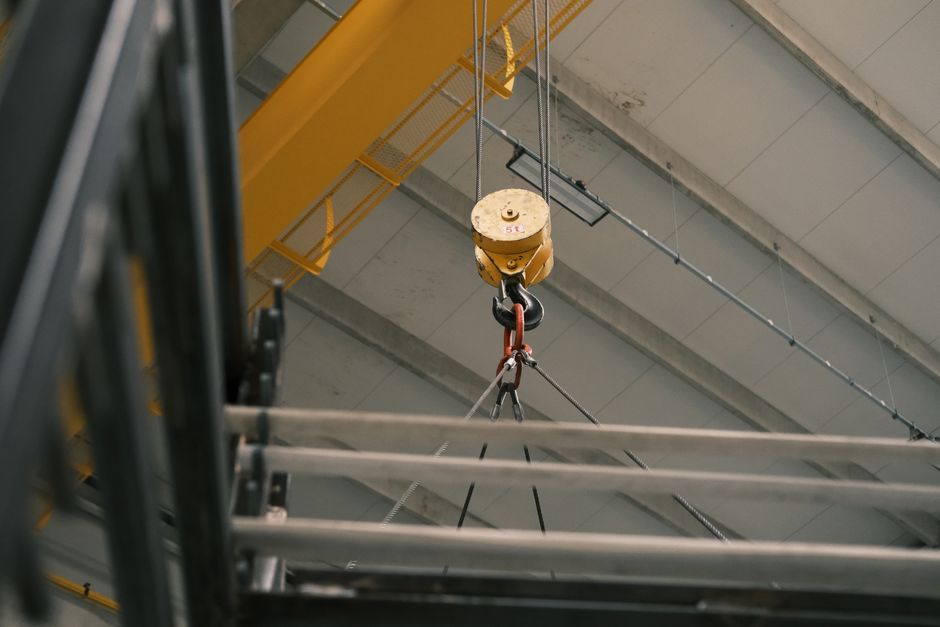
Every successful replacement project starts with rigorous project management. Our team coordinates with structural engineers, rigging crews, and piping specialists to map out every step of the process. If a unit is located on a roof, we coordinate crane logistics and secure the necessary street closure permits. If the unit is located indoors, we may utilize our Piping Fabrication Shop Pittsburgh to pre-assemble custom piping configurations, reducing the amount of hot work and welding required on-site.
Minimizing Downtime in Occupied Buildings
For occupied office buildings, retail centers, and healthcare facilities, extended downtime is not an option. We use several strategies to keep your building comfortable and operational during the swap:
- Off-Hours Scheduling: Performing the heavy rigging, demolition, and crane lifts during nights and weekends when the building is unoccupied.
- Phased Installation: For buildings with multiple air handlers, we replace the units in stages so that neighboring systems can help maintain comfortable temperatures.
- Temporary Cooling and Heating: Deploying mobile chillers, boilers, or temporary duct air handlers to keep critical spaces conditioned while the main unit is offline.
- Clear Tenant Communication: Providing building occupants with detailed schedules and updates to minimize disruption and manage expectations.
Managing these complex logistics is a core part of our approach to Large Scale Mechanical Contracting.
Permitting, Codes, and Commissioning in Western Pennsylvania
A commercial air handler replacement is subject to strict local building codes and mechanical regulations. Whether your property is in Pittsburgh, PA, Washington, PA, or Steubenville, OH, you must secure the proper mechanical and electrical permits before work begins.
Once the new unit is physically installed, the critical phase of commissioning begins. Commissioning is a structured testing process that verifies the system operates exactly as designed. This includes:
- Performing functional testing of all start-stop sequences and safety limits
- Conducting air balancing to ensure the correct volume of air reaches every zone
- Verifying that control dampers, valves, and sensors communicate properly with the building automation system
- Ensuring compliance with local energy codes and ventilation requirements
Modern AHU Upgrades: Efficiency, Controls, and Indoor Air Quality
Upgrading to a modern air handler is not just about restoring reliability - it is an opportunity to significantly reduce your building's operating costs and improve the indoor environment. Modern systems feature advanced technologies that were simply unavailable a couple of decades ago.
When planning your replacement, it is also the perfect time to evaluate your ductwork. Older duct systems can leak up to 30% of conditioned air before it ever reaches your occupied spaces. Addressing these leaks during your project through a professional Commercial Ductwork Installation ensures you get the full efficiency benefit of your new air handler.
Energy Savings and VFD Integration
One of the most impactful upgrades in a modern air handler is the integration of Variable Frequency Drives (VFDs) or brushless Electronically Commutated (EC) fans. Legacy systems often ran constant-speed fans that operated at 100% capacity regardless of actual demand.
By adding a VFD and setting your controls to track static pressure or carbon dioxide levels, you can reduce fan energy consumption by up to 40%. Direct Digital Controls (DDC) allow the air handler to communicate seamlessly with your broader Building Automation System (BAS), optimizing start times, setback temperatures, and outdoor air intake based on real-time occupancy.
Improving Indoor Air Quality and Ventilation
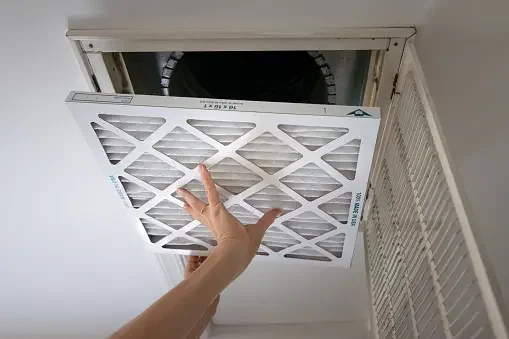
Modern air handlers play a critical role in creating healthier indoor environments. Older filter racks often allowed air to bypass the filters or could not handle the pressure drop of high-efficiency media. Modern AHUs feature tightly sealed, factory-engineered filter racks designed to accommodate MERV-13 or higher filtration without restricting airflow.
Additionally, integrating Energy Recovery Ventilators (ERVs) allows you to bring in fresh outdoor air while recovering up to 70% of the heating or cooling energy from the exhaust air. This significantly improves ventilation rates without overloading your heating and cooling equipment. To protect your investment and maintain these high standards of indoor air quality, we recommend pairing your new system with a structured Commercial HVAC Maintenance Plan.
Frequently Asked Questions About Commercial Air Handler Replacement
How long does a typical commercial air handler replacement take?
The physical swap of a standard commercial air handler typically takes between 1 and 3 days, depending on accessibility and the complexity of the piping and duct connections. However, the entire project timeline - including engineering, equipment lead times, permitting, and pre-planning - usually spans several weeks. Highly coordinated "single-day swaps" are possible with extensive pre-planning, where a crane removes the old unit and sets the new one in a single shift.
What is the average cost of a commercial air handler replacement?
The cost of a commercial air handler replacement varies widely based on unit capacity, location, and installation complexity. A standard commercial split system or small rooftop unit replacement can range from $8,000 to $30,000. For large, custom indoor air handlers or multi-zone systems in major commercial facilities, projects can range from $50,000 to upwards of $150,000. Key cost drivers include crane rentals, structural modifications, ductwork adaptations, and control system integration.
Can you replace an air handler without replacing the chiller or boiler?
Yes. In hydronic heating and cooling systems, the air handler is physically separate from the central chiller or boiler plant. You can replace a worn-out air handler while keeping your existing central plants, provided the new coils are engineered to match the water temperatures and flow rates of your existing system. Our team ensures that the new coils, valves, and controls integrate seamlessly with your existing hydronic infrastructure.
Conclusion
Investing in a commercial air handler replacement is a significant decision, but waiting until your current system suffers a catastrophic failure always costs more in emergency repairs, tenant disruption, and lost productivity. By recognizing the warning signs early, evaluating the financial trade-offs, and planning a seamless installation, you can transform a mechanical challenge into a long-term win for your facility's bottom line.
At Smart Climate Solutions, we bring over 20 years of hands-on mechanical experience to every project. We proudly serve business owners and facility managers throughout:
- Pittsburgh, PA and the South Hills
- Burgettstown, PA and Washington, PA
- Steubenville, OH and St. Clairsville, OH
- Weirton, WV
Whether you need a comprehensive facility assessment, a detailed engineering load calculation, or a rapid, professional installation, our certified technicians are ready to help.
Ready to evaluate your building's air handling system? Contact our team today at Smart Climate Solutions Commercial HVAC Services to schedule a professional consultation and keep your building running efficiently for years to come.

.png)
