
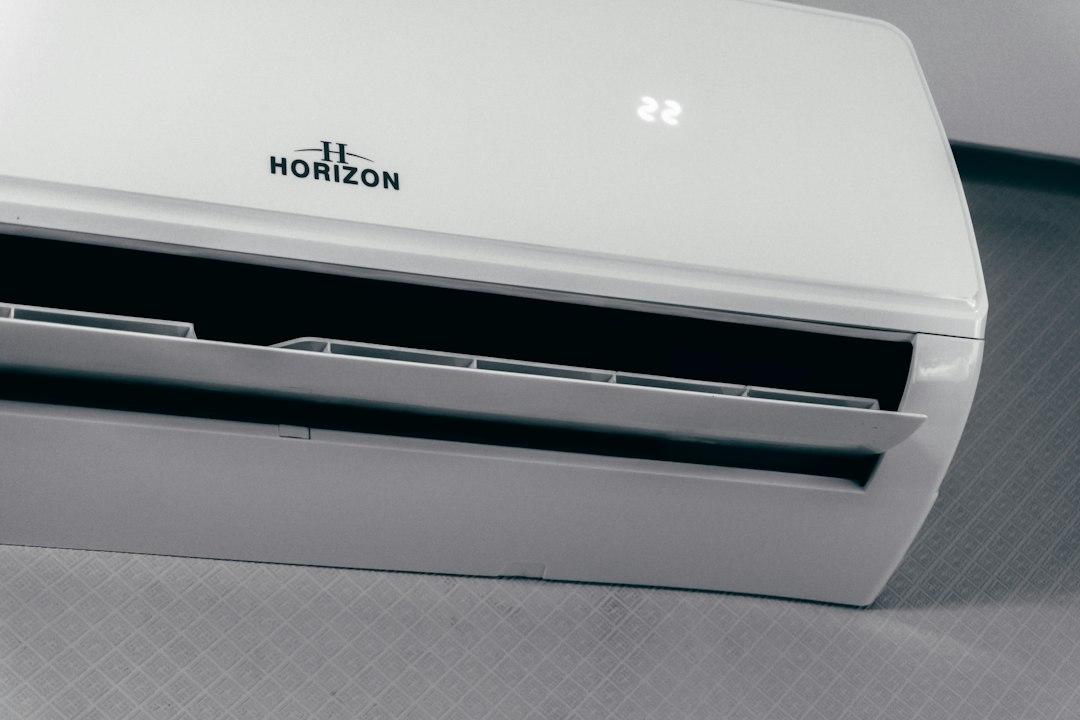
Common Causes of an AC Unit Not Blowing Cold Air
To fix an ac unit not blowing cold air, start by verifying your thermostat is set to COOL with the fan on AUTO, replacing a clogged air filter, resetting any tripped circuit breakers, and clearing debris around the outdoor condenser. If these initial steps do not resolve the issue, the problem typically stems from restricted airflow, a frozen evaporator coil, a clogged condensate drain line, or an electrical component failure.
When an air conditioner runs continuously without dropping the indoor temperature, it is usually struggling with an airflow blockage, an electrical fault, or a failure in the heat transfer cycle. Air conditioners do not create cold air out of nothing. Instead, they absorb heat from your indoor air and reject it outdoors. When any single part of this closed loop breaks down, the indoor fan will simply blow room-temperature or lukewarm air through your supply registers.
One of the most frequent culprits is an incorrect thermostat configuration. If the fan switch is set to ON instead of AUTO, the indoor blower will run 24/7, even during periods when the outdoor condenser and compressor are resting. This results in standard room-temperature air blowing through your registers between active cooling cycles. Another common scenario involves discovering your HVAC blowing warm air on cool due to miscalibrated sensors, dead thermostat batteries, or a blown low-voltage fuse on the indoor control board.
Airflow restrictions also account for a vast percentage of no-cool service calls. When return air is choked off by a clogged filter, closed supply registers, or obstructed return grilles, the system cannot pull enough heat across the indoor coil. Furthermore, modern air handlers feature condensate overflow float switches. When algae or sludge clogs the drain line, the float switch trips to prevent water damage, cutting power to the outdoor condensing unit while leaving the indoor fan running.
Finally, split electrical systems rely on separate high-voltage breakers. If the outdoor condenser trips its dedicated 240-volt circuit breaker during a summer heatwave, the indoor air handler will continue operating normally, circulating unchilled air throughout your home.
Frozen Evaporator Coils and Blocked Condensers
A frozen indoor coil is one of the most paradoxical problems in home comfort: your air conditioner develops a solid block of ice, yet your home gets hotter by the hour.

Under normal operating conditions, the indoor evaporator coil maintains a temperature slightly above freezing to absorb heat from warm indoor air passing across its aluminum fins. When airflow drops drastically due to a neglected filter or crushed return duct, heat exchange stops. The refrigerant inside the coil cannot absorb ambient heat, causing the coil surface temperature to drop below 32 degrees Fahrenheit. Moisture condensing out of the air freezes instantly onto the metal fins, forming a layer of frost that rapidly builds into a thick block of ice.
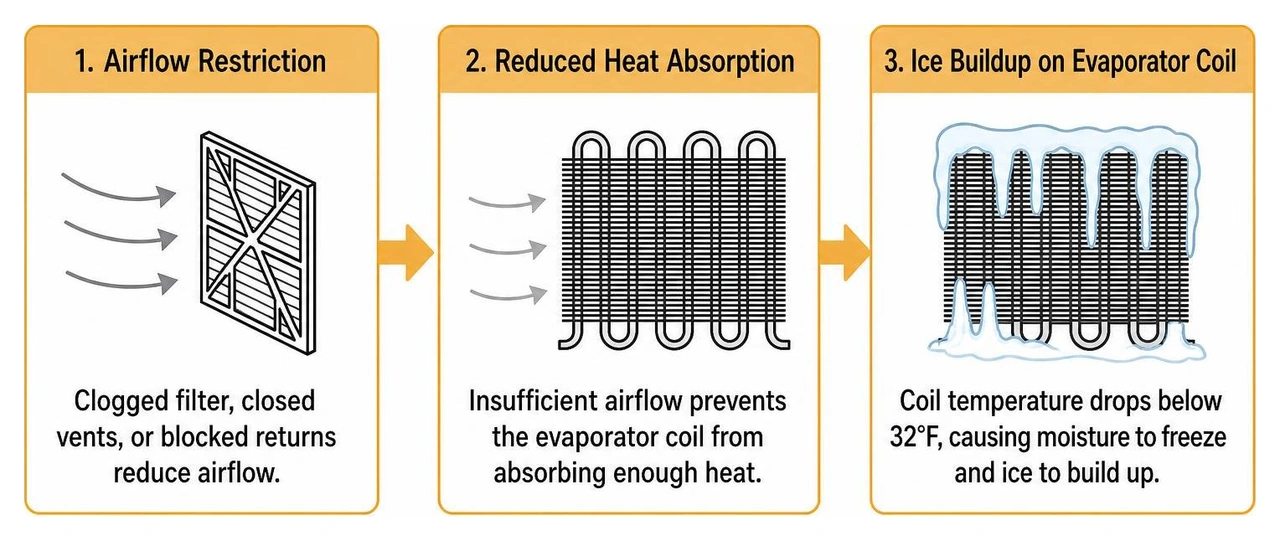
This ice barrier completely chokes off airflow. To understand the underlying mechanics, reviewing an AC not blowing cold air diagnostic guide helps illustrate how restricted airflow starves the system of heat.
The outdoor condenser faces a similar heat rejection challenge. Situated outside, the condenser coil is exposed to lawn clippings, airborne dirt, cottonwood seeds, and fallen leaves. When these foreign particles coat the condenser fins, the outdoor unit cannot reject the heat it gathered from inside your home. The refrigerant remains hot and pressurized, dramatically reducing the system cooling capacity and forcing the compressor to run under extreme thermal stress.
Refrigerant Leaks and Electrical Component Failures
Air conditioning systems operate on a permanently sealed refrigerant loop. Refrigerant is not a fuel that gets consumed or topped off over time; if your system is low on refrigerant, it means there is a physical hole or crack in the copper tubing, service valves, or coil joints.
A low refrigerant charge drops the internal operating pressure, causing the remaining refrigerant to expand at sub-freezing temperatures. This frequently triggers coil icing while simultaneously diminishing the system's ability to cool your home. Under Section 608 of the Clean Air Act enforced by the EPA, handling, recovering, and recharging refrigerants requires specialized certification. Attempting a DIY refrigerant recharge is illegal, dangerous, and likely to cause catastrophic system contamination.
Electrical component failures are equally common culprits. Your outdoor condensing unit relies on dual run capacitors to deliver the electrical torque necessary to start and run the compressor and condenser fan motor. Extreme summer temperatures around Pittsburgh can cause these capacitors to bulge, leak electrolyte, or lose their microfarad capacitance entirely. When a run capacitor fails, you may hear a humming noise from the outdoor unit accompanied by an AC compressor not starting, leaving the indoor fan to circulate unconditioned air.
Similarly, pitted or burned electrical contactor points can prevent 240-volt power from reaching the outdoor motor windings. If these electrical and mechanical components are not functioning in harmony, you will experience an AC not cooling properly, requiring professional electrical diagnosis with a digital multimeter.
Step-by-Step DIY Troubleshooting and Quick Fixes
Before scheduling an emergency service call, you can perform several safe, practical troubleshooting steps to eliminate minor mechanical and electrical oversights.
Begin at your digital thermostat. Verify that the system mode switch is firmly set to COOL and not accidentally set to HEAT or OFF. Set the target temperature at least 3 to 5 degrees below the current room temperature reading to force a cooling call. Next, inspect the fan switch setting. Ensure it is set to AUTO rather than ON. In AUTO mode, the fan runs strictly when the cooling components are engaged.
If the outdoor unit is completely silent and unresponsive, head to your main electrical panel. Locate the double-pole circuit breaker labeled for your air conditioner or heat pump. A tripped breaker will often sit in a middle position between ON and OFF. Firmly push the switch all the way to the OFF position until it clicks, and then flip it back to ON. Also inspect the outdoor disconnect switch mounted on the wall adjacent to your condenser to ensure the pull-out handle or breaker switch is firmly seated.
For visual guidance on identifying simple airflow restrictions and switch errors, watch this video walkthrough on airflow problems to better understand how your indoor and outdoor systems interact.
Troubleshooting an AC Unit Not Blowing Cold Air at Home
Follow these step-by-step physical checks on your indoor and outdoor equipment:
- Inspect and Replace the Air Filter: Locate the air filter in your return air drop or indoor air handler cabinet. Slide the filter out and hold it up to a light source. If you cannot see light through the media, replace it immediately with a fresh filter of the correct dimensions. The U.S. Department of Energy recommends cleaning or replacing filters every one to two months during high-use cooling periods.
- Clear Supply and Return Vents: Walk through every room in your home. Ensure return grilles are not covered by area rugs, heavy drapes, or large furniture like sofas and entertainment centers. Make sure individual supply louvers are turned to the fully open position to maintain balanced static duct pressure.
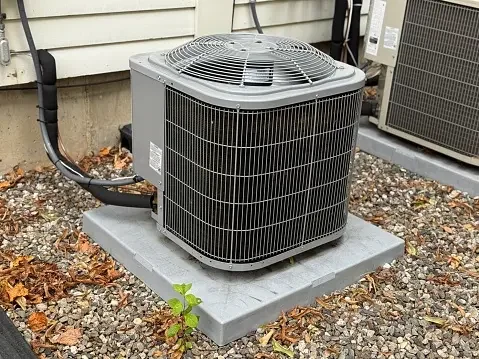
- Clean the Outdoor Condenser Exterior: Switch off the power to the outdoor unit at the disconnect box. Remove tall weeds, vines, leaves, and twigs within a minimum two-foot radius around the cabinet. If grass clippings or dry dirt coat the aluminum fins, use a garden hose on a gentle spray setting to rinse the coil from the top down. Never use a high-pressure washer, as the intense stream will bend the delicate aluminum fins and permanently block airflow.
- Check the Condensate Drain: Look at the PVC drain pipe coming out of your indoor evaporator coil. If your system is equipped with a clear trap or float switch, verify that water is draining freely and not backing up into the safety switch.
- Thaw a Frozen Evaporator Coil: If you notice frost or ice along the copper refrigerant lines or indoor coil casing, do not chip at the ice with sharp tools. Turn the thermostat cooling setting to OFF and switch the fan setting to ON. This circulates warm room air across the coil to melt the ice safely over a few hours.
If the indoor blower stops pushing air through the vents altogether after these steps, refer to our troubleshooting steps for an HVAC running but not blowing air to diagnose blower motor and belt issues.
Professional Repairs and Estimated Costs
When basic homeowner troubleshooting fails to restore cold air, internal electrical, mechanical, or refrigerant issues require specialized diagnostic tools. The table below outlines typical professional repairs, standard symptoms, and estimated industry costs:
| Problem / Component | Typical Symptoms | Estimated Repair Cost Range |
|---|---|---|
| Diagnostic Service Call | System blowing warm air, outdoor unit silent | $75 - $200 (often applied to repair) |
| Run / Start Capacitor | Outdoor fan/compressor humming but not spinning | $80 - $400 installed (part: $15 - $80) |
| Contactor Replacement | Outdoor unit unresponsive; electrical clicking | $120 - $350 |
| Clogged Condensate Line | Water pooling in pan; float switch tripped | $75 - $250 |
| Refrigerant Leak Repair & Recharge | Frozen indoor coil; hissing sounds; poor cooling | $200 - $1,500 (depends on leak location) |
| Hard Start Kit Installation | Compressor struggles to start under high head pressure | $150 - $450 |
| Condenser Fan Motor | Outdoor fan stationary; compressor shuts down on thermal overload | $300 - $750 |
| Compressor Replacement | Tripping breaker immediately; seized motor windings | $1,500 - $3,000+ |
Professional Repairs for an AC Unit Not Blowing Cold Air
When an EPA-certified technician arrives at your home, they perform a comprehensive system analysis rather than simply swapping parts.
For electrical faults, technicians use calibrated digital multimeters to test incoming voltage, check contactor point resistance, and measure capacitor microfarad ratings against manufacturer specifications. If refrigerant loss is suspected, technicians avoid guessing. They employ electronic halogen sniffers, ultrasonic leak detectors, or introduce an inert nitrogen charge to pressurize the system and pinpoint micro-fissures in coil joints without venting chemical compounds into the atmosphere.
Once leaks are repaired with precision brazing, the system is evacuated down to a deep vacuum of less than 500 microns to remove non-condensable gases and moisture before being weighed in with fresh refrigerant. Our certified specialists deliver complete HVAC service and repair to keep your cooling equipment running at peak efficiency all summer long.
If your system is more than 12 to 15 years old and faces a major failure like a burned-out compressor or corroded coil, replacement is generally far more cost-effective than sinking thousands of dollars into obsolete equipment.
Frequently Asked Questions About Cooling Failures
Should I turn off my AC if it is not cooling?
Yes, you should turn the air conditioning system off at the thermostat if it is blowing warm air or if you notice ice forming on the refrigerant lines. Continuing to run a malfunctioning AC forces the compressor to operate under severe thermal strain and inadequate lubrication return, which can permanently ruin the motor windings. Turning the unit off prevents severe mechanical burnout and stops wasted electrical consumption while you troubleshoot or wait for a technician.
How do I reset my air conditioner when it stops cooling?
To perform a safe system reset:
- Turn your thermostat mode switch to OFF.
- Go to your electrical breaker panel and switch the dedicated AC circuit breaker to the OFF position.
- Wait at least five full minutes. This allows the internal refrigerant pressures to equalize and resets any locked-out digital control boards.
- Flip the circuit breaker back to the ON position.
- Return to your thermostat, switch the setting back to COOL, and lower the target temperature at least 3 degrees below room temperature. Listen for the outdoor unit to engage after its internal 5-minute time-delay relay expires.
Can a dirty air filter cause an AC to blow warm air?
Yes, a dirty or clogged air filter is one of the leading causes of warm air blowing through home vents. Severe dust buildup restricts return airflow, preventing the evaporator coil from absorbing heat. This drop in heat exchange causes the coil to freeze into a solid block of ice, choking off air passage entirely. Furthermore, modern air handlers may shut off the outdoor condenser on a high-temperature limit safety switch while keeping the indoor fan running, which circulates warm, unconditioned air throughout the home.
Conclusion
A cooling failure can turn a comfortable home into an unbearable environment within hours. Fortunately, many cooling issues stem from simple, easily corrected issues like dirty filters, incorrect thermostat modes, or tripped circuit breakers. By keeping up with routine filter swaps and maintaining clear space around your outdoor condenser, you can prevent many common cooling breakdowns before they begin.
If you have completed the basic troubleshooting steps and your air conditioner still refuses to blow cold air, do not risk damaging critical components like your compressor. Smart Climate Solutions has proudly served homeowners across the greater Pittsburgh region, South Hills, Burgettstown, and Washington, PA, as well as Steubenville and St. Clairsville, OH, and Weirton, WV, for over 20 years. Our EPA-certified technicians provide prompt, dependable diagnostic and repair services 24/7 to restore your indoor comfort. If your cooling system is aging or beyond repair, learn what to consider when evaluating a new air conditioner not cooling to find the right high-efficiency replacement for your home. Contact us today to schedule your service.

.png)
