What Does HVAC Maintenance Cost?
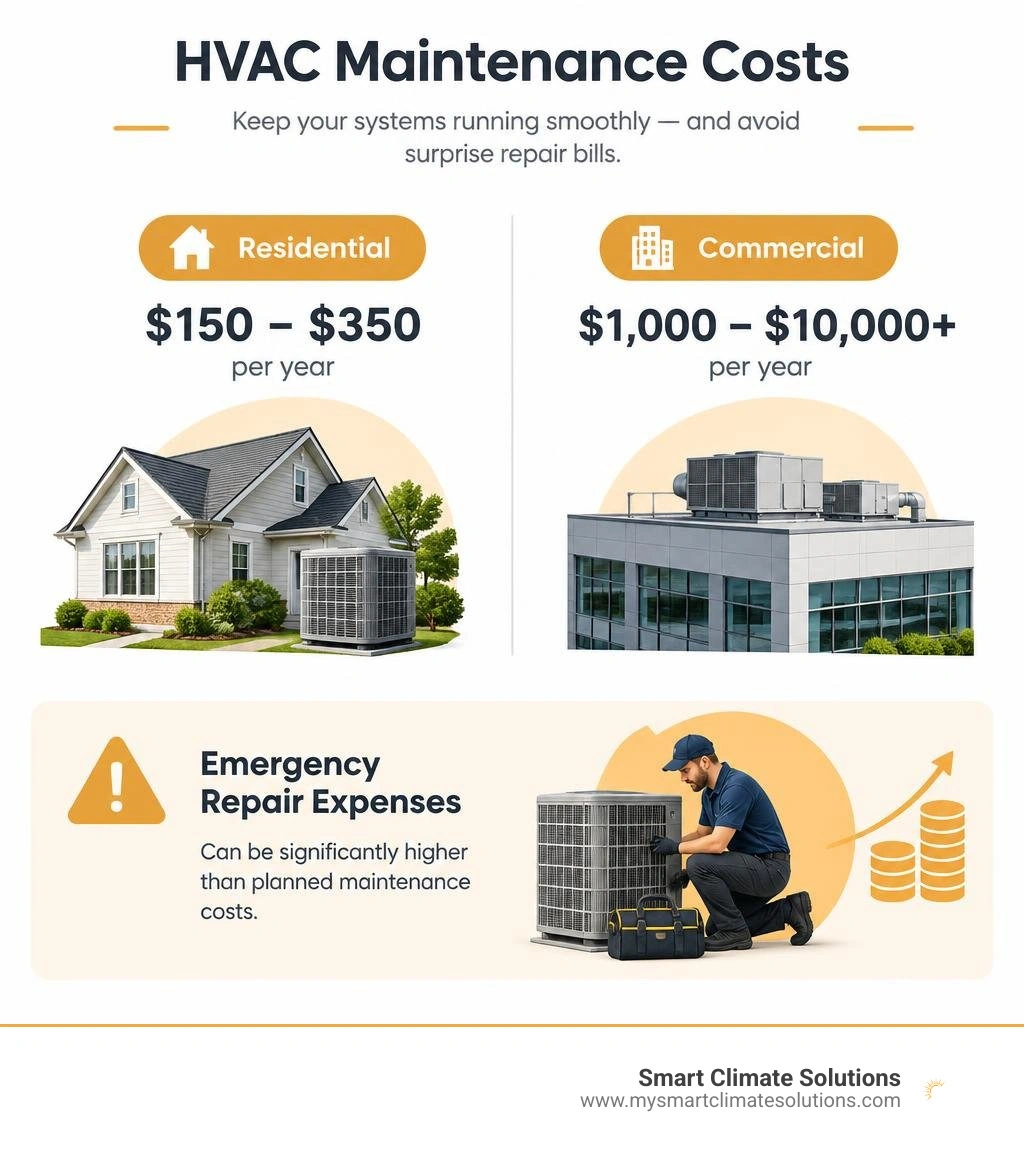
HVAC maintenance cost is typically $150 to $350 per year for a residential plan and $1,000 to $10,000 or more per year for a commercial contract. The price depends on the number and type of systems, how often they need service, and what the plan includes. A planned visit can also catch problems before they become costly emergency repairs.
For homeowners in the Pittsburgh area, the best comparison is not just the annual price. Check how many heating and cooling visits are included, which tasks the technician will perform, and whether repairs cost extra.
I'm Bill Scott, general manager of Smart Climate Solutions. After more than 20 years in HVAC, I've helped Pittsburgh-area customers weigh HVAC maintenance cost against the risk of unexpected repairs.
Residential vs Commercial HVAC Maintenance Cost Breakdown
Understanding how maintenance pricing is structured helps property owners make smart, proactive decisions rather than reactive gambles. The pricing spectrum reflects major differences in heating and cooling capacity, physical footprint, equipment configuration, and labor intensity.
Residential systems are designed to regulate comfort across individual living spaces, usually requiring standard single-phase electrical checks and straightforward airflow adjustments. Commercial systems, on the other hand, handle complex three-phase power, multi-zone zoning dampers, high-tonnage package units, and heavy daily occupancy loads.
| Feature / Detail | Residential Maintenance Plans | Commercial Service Contracts |
|---|---|---|
| Typical Annual Cost | $150 to $350 per system | $1,000 to $10,000+ per building |
| Standard Service Frequency | 2 visits per year (Spring & Fall) | Quarterly (4 visits) to Monthly |
| System Equipment Types | Split AC, Gas Furnaces, Heat Pumps | Rooftop Units (RTUs), Chillers, Boilers, VRF |
| Key Service Tasks | Filter swaps, safety tests, coil cleaning | Belt tensioning, economizer checks, BMS sync |
| Emergency Repair Priority | Priority queue, diagnostic discounts | 24/7 dedicated response, SLA guarantees |
Typical Residential HVAC Maintenance Cost Ranges
For single-family homes across Pittsburgh, Bethel Park, and Canonsburg, single-visit tune-ups generally run between $75 and $200 per piece of equipment. However, signing up for an ongoing plan provides much better value. Homeowners researching HVAC maintenance plan costs often find annual service agreements falling between $150 and $350.
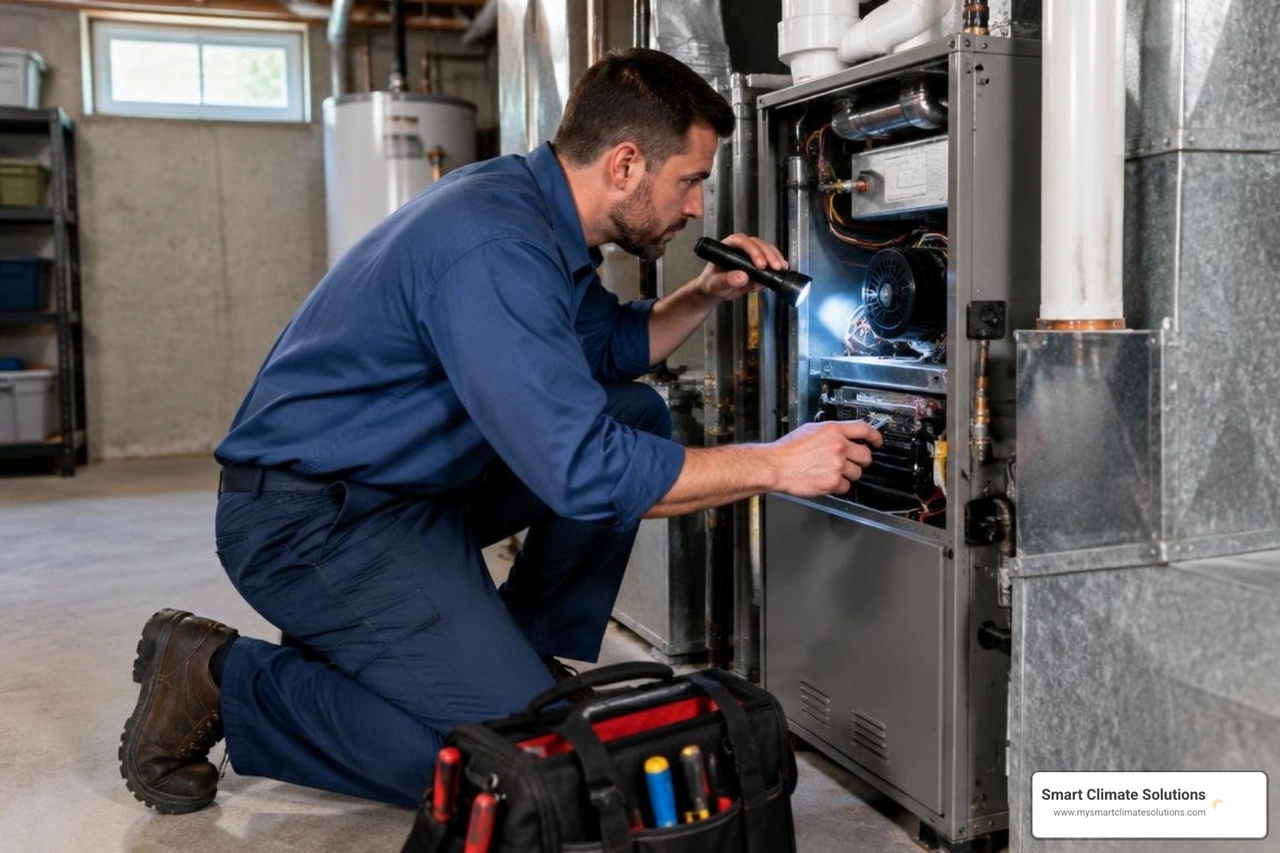
A standard residential HVAC maintenance plan typically covers two comprehensive tune-ups per year: one cooling visit in early spring and one heating visit before winter arrives. These visits bundle essential filter checks, deep electrical testing, condensate line flushes, and critical safety inspections for gas lines and burner assemblies.
Commercial Facility HVAC Maintenance Cost Variables
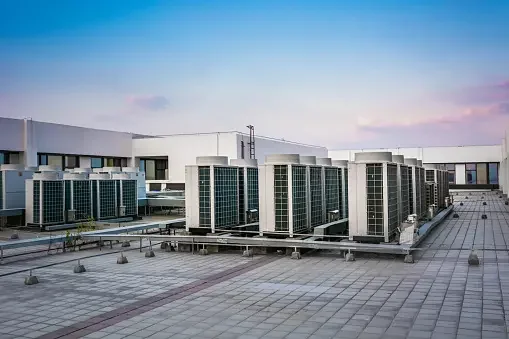
Commercial HVAC expenses vary widely based on facility size, system tonnage, and operational demands. A small retail storefront in Carnegie with a single rooftop unit will have substantially lower maintenance needs than a multi-story office building in Pittsburgh or a healthcare facility in Washington, PA.
A dedicated commercial HVAC maintenance plan covers quarterly visits to ensure economizers function properly, heavy belts are adjusted, blower motors are lubricated, and computerized building automation systems stay calibrated. Investing in tailored commercial climate control contracts safeguards commercial inventory, protects employee productivity, and prevents catastrophic disruptions during extreme winter freezes or humid summer heat waves.
Preventative Maintenance vs Reactive Repairs Financial Analysis
Waiting for heating or cooling equipment to break down before calling a technician is the most expensive way to manage property climate systems. Emergency service calls often carry higher after-hours dispatch fees, premium labor rates, and costly expedited part deliveries.
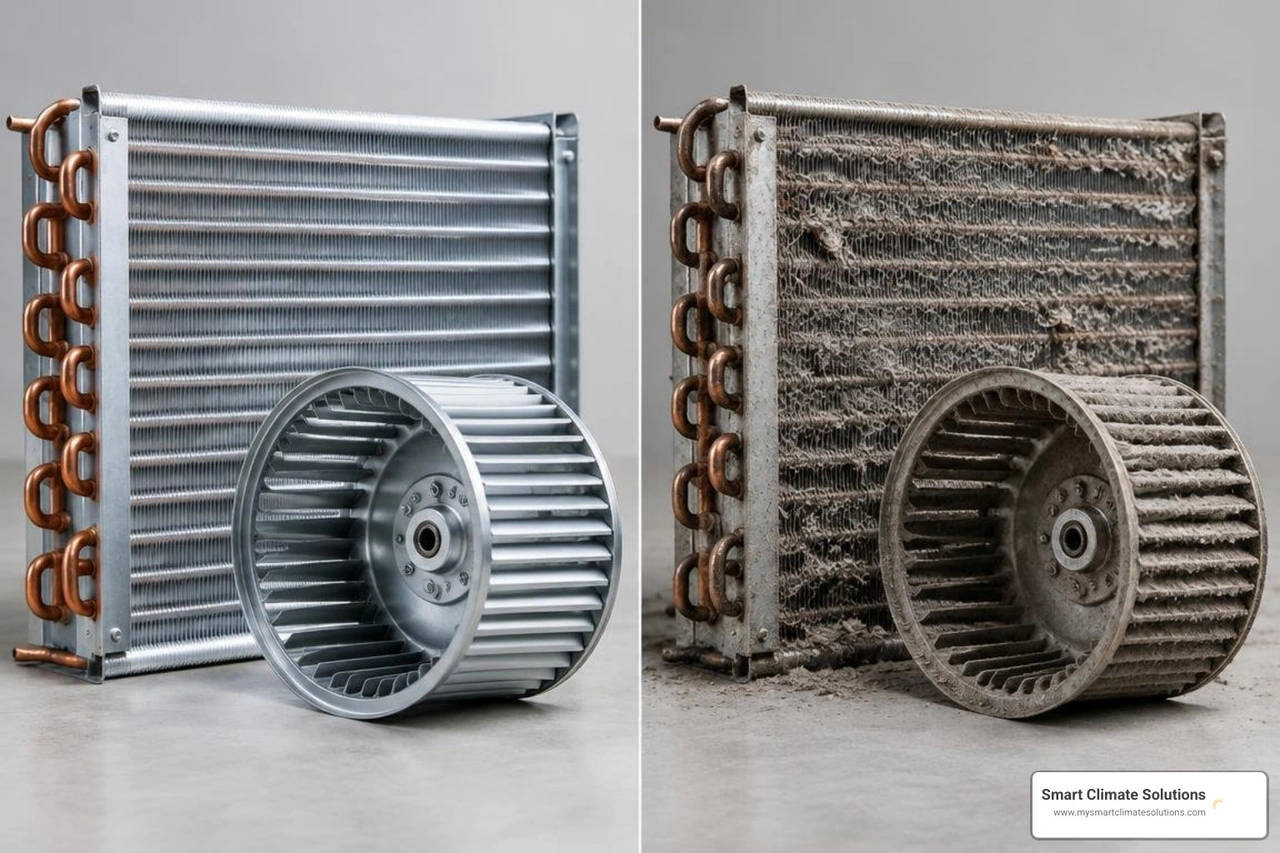
When an unmaintained system fails during a severe cold snap or an intense July heat wave, facility operations stop and living spaces quickly become uninhabitable.
| Maintenance Approach | Annual Upfront Investment | Typical 5-Year Repair & Operating Impact | Equipment Lifespan Outcome |
|---|---|---|---|
| Preventive Maintenance | $150 - $350 (Res) / $1,000 - $6,000 (Comm) | Up to 95% fewer breakdowns, 20-35% lower utility bills | Lasts 15 to 20+ years in peak condition |
| Reactive Maintenance | $0 upfront (until disaster strikes) | 3 to 5 times higher repair costs, $8,000+ replacements | Fails prematurely in 8 to 10 years |
The 545 Percent ROI and Energy Savings Breakdown
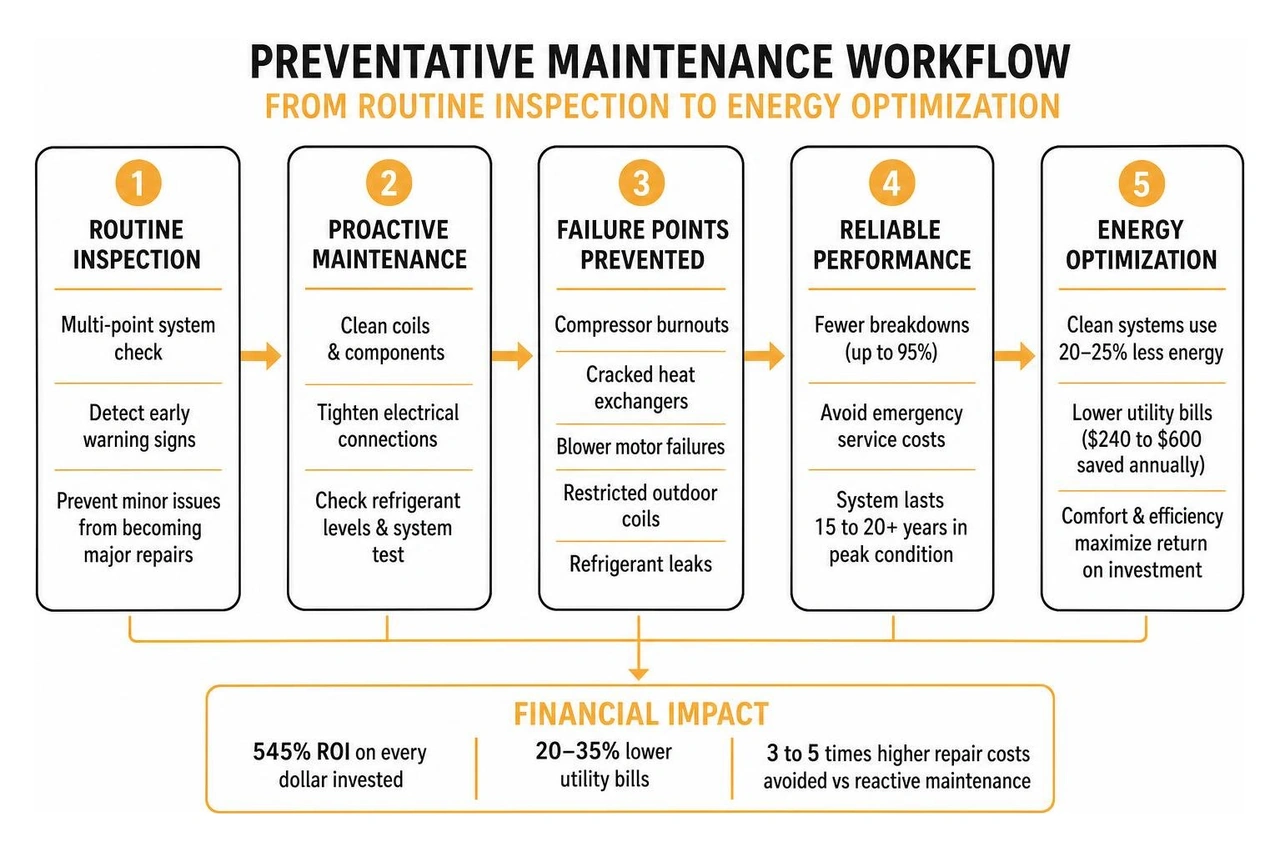
Independent building operations data shows that preventive maintenance delivers a documented 545% return on every dollar invested. This return comes from three direct sources: avoided emergency labor, reduced operational strain, and lower utility bills.
A neglected HVAC system consumes up to 20% to 25% more electricity and gas just to achieve the same indoor temperature as a clean unit. For heat pump owners, neglected components can easily add $240 to $600 in extra utility charges every year. Applying proven energy saving HVAC tips, such as keeping coils clear and electrical connections tight, cuts unnecessary power draw and keeps utility bills manageable. Proactive care also protects the system so it reaches its full 15 to 20 year operational lifespan instead of dying at year eight.
Costly Failure Points Prevented by Regular Tune-Ups
Most major HVAC catastrophic failures start out as minor, unnoticed component wear. During a routine service visit, certified technicians catch these early warning signs before they trigger widespread damage:
- Compressor Burnouts: Dirty coils cause excessive head pressure and overheating, turning a simple cleaning into an expensive major repair.
- Cracked Heat Exchangers: Blocked airflow overheats gas furnace heat exchangers, leading to dangerous cracks and carbon monoxide safety hazards.
- Blower Motor Failures: Dust accumulation causes motor bearings to overheat; timely blower motor cleaning keeps the motor spinning freely and pulls down amp draw.
- Restricted Outdoor Coils: Routine condenser coil cleaning removes grime, cottonwood seeds, and road debris, preventing high-pressure switch lockouts.
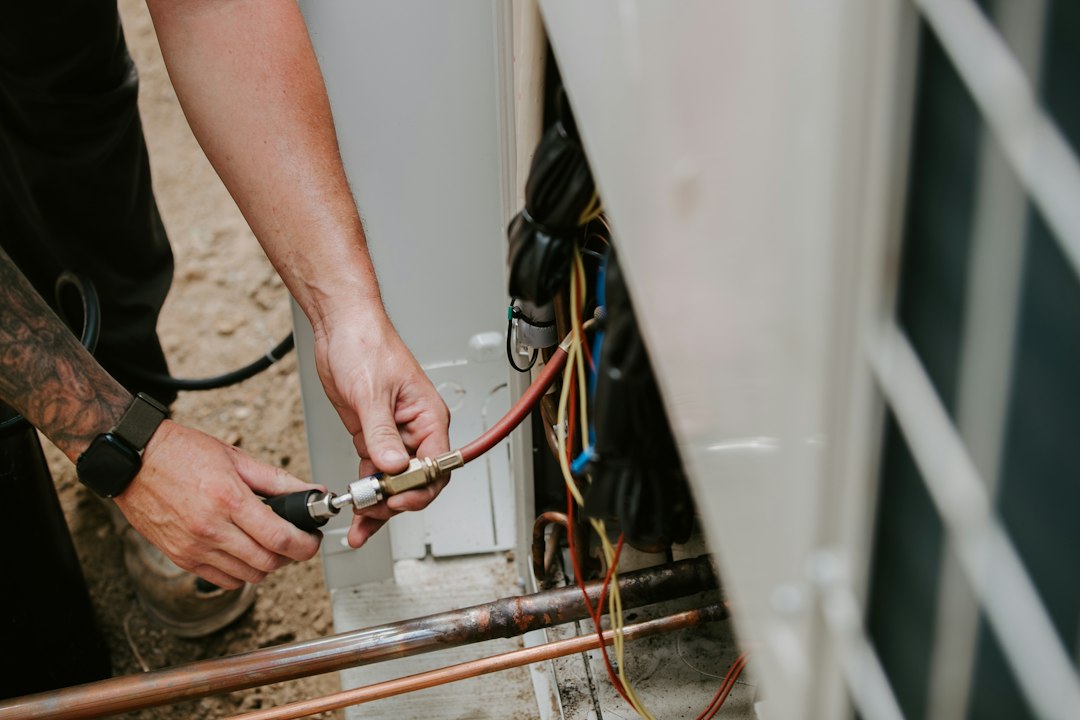
- Refrigerant Leaks: Detecting micro-vibrations and oil spots allows technicians to patch small pinhole leaks before entire coils lose charge.
Key Factors Influencing Service Contract Pricing
No two properties have identical heating and cooling configurations. When technicians evaluate an HVAC service contract, several operational and environmental variables dictate the final maintenance cost.
Equipment Age, System Type, and Service Frequency
The mechanical setup directly impacts the labor required for a proper tune-up:
- Standard Split Systems and Furnaces: Straightforward access and common parts keep these systems at standard entry-level service rates.
- Heat Pumps and Dual-Fuel Systems: Dual-fuel setups switch between electric heat pump operation and gas burner heating, requiring multi-stage control diagnostics and reversing valve checks.
- Ductless Mini-Splits: Multi-zone mini-splits require delicate indoor head wheel cleaning, deep drainage checks, and individualized filter care.
- Aging Equipment: Units over 10 years old require deeper component testing, closer refrigerant circuit monitoring, and thorough contactor inspections.
- Inspection Frequency: Residential units thrive on semi-annual tune-ups, while busy commercial facilities require quarterly or bi-monthly inspections.
Scope of Included Checkpoints and Seasonal Tasks
The overall value of a maintenance agreement depends on its checklist depth. A comprehensive service visit goes well beyond changing an air filter.
A professional cooling tune-up requires a comprehensive AC tune up covering subcooling/superheat refrigerant testing, condensate trap flushes, blower assembly cleaning, and contactor pitting evaluations. In the fall, an annual furnace tune up demands flue draft checks, gas pressure calibration, flame sensor polishing, and high-limit switch safety tests.
Recommended Maintenance Schedules and Early Warning Signs
Following a structured seasonal maintenance cadence keeps equipment prepared for harsh Western Pennsylvania winters and hot, muggy summers.
Seasonal Service Timelines for Heating and Cooling
- Early Spring (March to May): Clean outdoor condenser coils, clear winter debris, clear condensate drain lines, check refrigerant levels, and test cooling cycle start-up before high humidity hits.
- Early Autumn (September to November): Inspect gas burners, test ignition switches, verify carbon monoxide sensors, check electrical heat strips, and lubricate moving parts before freezing nights arrive.
- Mid-Season Checks: Commercial properties should inspect filters, belt alignments, and outdoor fresh air dampers between seasonal swings.
Warning Signs Requiring Immediate Maintenance
If a system displays any of the following operational symptoms, professional attention is needed right away:
- Sharp Increases in Electric or Gas Bills: A sudden jump in energy costs without a change in weather indicates severe mechanical drag or failing components.
- Unusual Noises: Grinding, squealing, buzzing, or metallic banging signals failing bearings, loose fan blades, or damaged blower wheels.
- Weak or Uneven Airflow: Restricted ductwork, failing fan capacitors, or clogged evaporator coils starve rooms of conditioned air.
- Frequent Short Cycling: When a furnace or AC turns on and off rapidly in short bursts, safety limit switches or oversized controls are malfunctioning.
- Visible Frost or Ice Formations: Ice forming on copper refrigerant lines or indoor evaporator coils indicates low refrigerant or choked airflow.
- Musty or Burning Odors: Persistent sour odors point to biological growth in drain pans, while sharp electrical burning smells warn of overheated wiring.
Frequently Asked Questions About HVAC Maintenance
How much does an average annual HVAC maintenance plan cost?
For homeowners, an annual HVAC maintenance agreement generally ranges from $150 to $350 per year, covering two seasonal visits. Commercial service contracts vary from $1,000 to $10,000 or more per year based on system tonnage, rooftop accessibility, and service frequency.
How often should HVAC systems be professionally serviced?
Residential systems should receive professional maintenance twice a year: cooling service in the spring and heating service in the fall. Commercial facilities require at least quarterly visits to handle continuous operation, heavy occupancy loads, and code-mandated ventilation requirements.
Can regular HVAC maintenance lower my energy bills?
Yes. Keeping coils clean, blowers clear, and moving parts properly lubricated can reduce your monthly energy consumption by up to 20% to 35%. A clean system transfers heat efficiently and moves air without unnecessary electrical resistance.
Conclusion
Preventative HVAC maintenance is not an optional luxury. It is an essential investment that protects your property, optimizes daily indoor comfort, and eliminates sudden multi-thousand-dollar emergency replacements. Neglected systems work harder, waste substantial energy, and break down when extreme weather hits.
At Smart Climate Solutions, our certified technicians bring more than 20 years of hands-on experience and 24/7 emergency support to homeowners and commercial property managers throughout Pittsburgh, Bethel Park, Canonsburg, Washington, Carnegie, and nearby communities. Review our clear annual HVAC maintenance cost options to select the right proactive plan for your property and secure reliable comfort year-round.