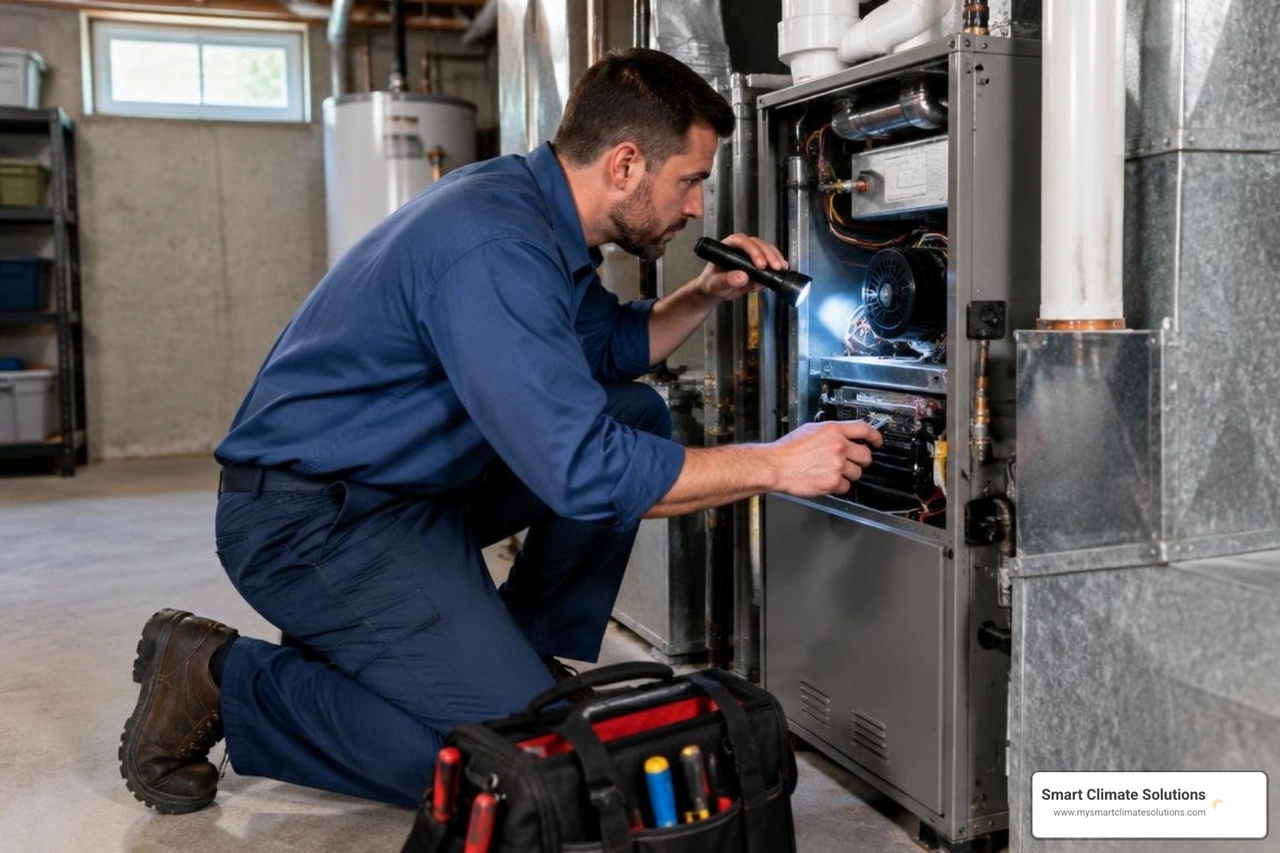
Understanding the Backbone of Your Home's Comfort System
Ductwork installation is the process of designing and installing the network of tubes that distributes heated or cooled air from your HVAC system throughout your home. Here's what you need to know:
Key Aspects of Ductwork Installation:
- Professional Design - Proper sizing using Manual D calculations ensures each room gets the right amount of airflow.
- Material Selection - Choose from flexible ducts, rigid sheet metal, or fiberglass duct board based on your home's needs.
- Proper Sealing - All joints must be sealed with mastic or approved tape to prevent 20-30% air loss (per ENERGY STAR).
- Cost Range - Expect to pay between $3,000-$12,000 for a complete installation, depending on home size and complexity.
- Lifespan - Quality ductwork lasts 15-25 years when properly installed and maintained.
Most homeowners don't think about the ducts hidden in their walls and attics. But like arteries in the body, your home needs properly installed ductwork to deliver comfort. Without it, even the most expensive HVAC unit will struggle.
The reality is that many homes have flawed ductwork that wastes energy, drives up utility bills, and forces the HVAC system to work overtime. At Smart Climate Solutions, we've seen on thousands of projects in Pittsburgh and Southwestern PA that proper ductwork installation is just as important as the HVAC unit itself. This guide will walk you through everything you need to know.
Understanding Your Ductwork: The Basics

Think of your ductwork as the highway system for your home's air. In Pittsburgh, where we deal with steamy summers and bitter winters, this network is your first line of defense for year-round comfort.
The Primary Functions of HVAC Ductwork
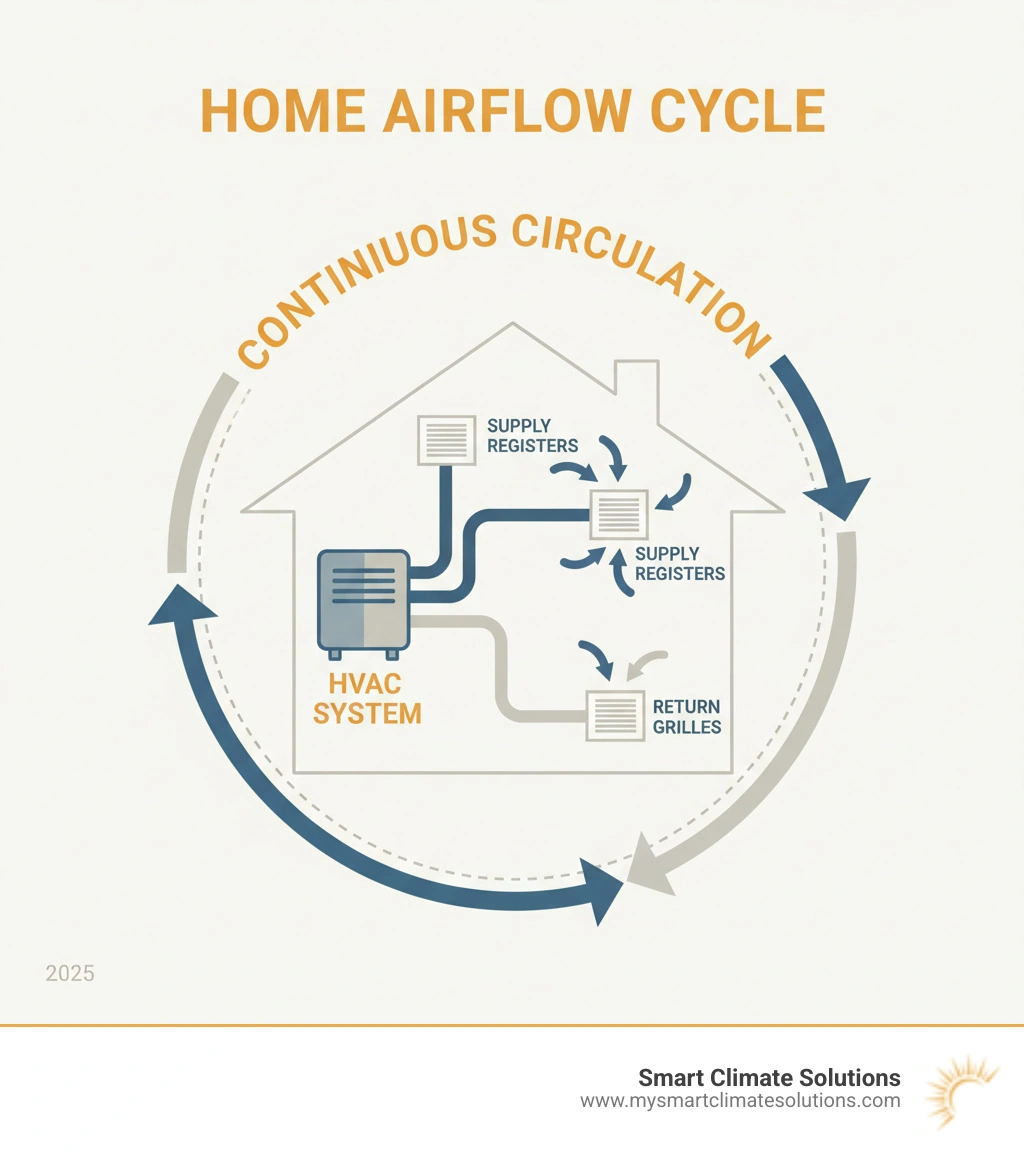
Your ductwork's main job is to move air in a continuous loop. Supply ducts carry freshly heated or cooled air from your HVAC unit to every room, while return ducts pull stale air back to the unit for reconditioning. This constant circulation does more than just control temperature; it also maintains balanced air pressure and improves your indoor air quality by passing air through filters that capture dust, pollen, and other particles. When your ductwork is working right, you don't think about it. When it's not, you feel it in every room.
Common Types of Ductwork Materials
When it comes time for ductwork installation, you'll encounter three main material options. Choosing the right one depends on your home's layout, budget, and specific needs.
Flexible ductwork is a wire coil covered in plastic and insulation. It's affordable and easy to install in tight spaces, but it can be crushed or bent, restricting airflow. Its insulation can also degrade over time, especially in humid Pittsburgh summers.
Rigid sheet metal ducts are the gold standard for airflow and durability. Made from galvanized steel or aluminum, these ducts can last for decades. They are fire-resistant and maintain their shape for consistent airflow, but material and installation costs are higher.
Fiberglass duct board is a middle-ground option made from compressed fiberglass panels. It provides built-in insulation and sound dampening. However, if it gets wet or develops mold, the EPA advises it cannot be cleaned and must be replaced, a key concern in damp crawlspaces.
The Lifespan of Your Ducts
Your ductwork should last between 10 and 25 years, but its actual lifespan depends on a few key factors:
- Material quality: Rigid metal ducts naturally outlast flexible options due to their durability.
- Installation quality: Poorly sealed, inadequately supported, or improperly sized ducts will fail prematurely, regardless of the material. This is why professional ductwork installation is critical.
- Maintenance: Regular inspections can catch small leaks or damage before they become major problems, adding years to your system's life.
- Pittsburgh climate: Humidity and temperature swings in unconditioned spaces like attics can cause material breakdown if ducts are not properly insulated and sealed.
When to Call for Ductwork Repair or Replacement
Your ductwork is hidden away, but when something goes wrong, the signs are hard to ignore. Knowing when to call a professional can save you money, improve comfort, and protect your home's air quality.
Telltale Signs of Ductwork Failure
Your home will tell you when your ductwork has a problem. Look for these common clues:
- Uneven temperatures: Some rooms are too hot while others are too cold, indicating an airflow problem from leaky or poorly designed ducts.
- High energy bills: A sudden spike in your utility costs suggests your HVAC system is working overtime to compensate for air escaping through leaks.
- Excessive dust: If you're constantly dusting, your ducts might be pulling in dirty air from attics or crawlspaces.
- Noisy operation: Rattling, whistling, or banging sounds from your vents often mean something is loose, disconnected, or blocking airflow.
- Musty odors: A moldy or stale smell when your HVAC kicks on can signal moisture buildup in the ducts, a common issue in humid Pittsburgh summers.
- Visible damage: Tears, kinks, disconnected sections, or rust on exposed ductwork are clear signs you need a professional inspection. For comprehensive HVAC repair Pittsburgh services, Smart Climate Solutions can assess your entire system.
Repair vs. Full Replacement: Making the Right Call
Not every duct problem requires a full replacement. Here's how to decide:
- Assess the damage: A few isolated leaks can be sealed. Widespread leaks, crushed sections, or significant damage often make replacement the smarter investment.
- Consider the age: If your ductwork is over 15 years old and failing, repairs may only be a temporary fix. A new system offers better efficiency and decades of reliability.
- Look for mold: According to EPA guidance on moldy insulation, if insulation inside your ducts gets wet or moldy, it must be replaced. This is non-negotiable for your family's health.
- Upgrading your HVAC: Old, leaky ductwork will sabotage the performance of a new, high-efficiency furnace or air conditioner. It's best to evaluate your ducts when upgrading your main unit.
The Dangers of Leaking Ductwork
Leaking ductwork is a bigger problem than most homeowners realize. ENERGY STAR reports that 20 to 30 percent of conditioned air is lost through leaky ducts in a typical house. This means nearly a third of the air you pay to heat or cool escapes into your attic, walls, or crawlspace.
This leads to:
- Wasted energy and money: Your HVAC system runs longer to compensate, driving up utility bills.
- Poor indoor air quality: Leaks pull in dust, insulation fibers, and damp crawlspace air, which then circulates through your home.
- System strain: Overworking your furnace or AC shortens its lifespan, leading to premature and costly breakdowns. Proper ductwork installation and sealing protects your entire HVAC investment.
The Importance of Proper Ductwork Design and Sizing
You could have the best HVAC unit money can buy, but if your ductwork isn't properly designed, you're still going to have comfort problems and high energy bills. The design of your duct system is just as important as the equipment it's connected to.
How Duct Design Impacts Efficiency and Comfort
The layout and size of your ducts create "static pressure," or resistance to airflow. When ducts are too small, too long, or have too many sharp turns, your HVAC system has to work harder to move air. This leads to higher energy bills and rooms that never feel comfortable.
Trunk lines are the main highways of your duct system, feeding air to smaller branch ducts. If these are undersized, the entire system is starved for air. Every bend and turn also adds friction, so professional designers use gradual curves and minimize direction changes. Poor duct design is a silent budget drain, costing homeowners hundreds a year in wasted energy. Proper design is one of the most effective energy saving HVAC tips you can implement.
The Science of Sizing: What is a Manual D Calculation?
Professional ductwork installation relies on science, not guesswork. That's where Manual D calculations come in. Manual D is the industry standard developed by the Air Conditioning Contractors of America (ACCA) for designing residential duct systems.
The process starts with a Manual J load calculation, which determines how much heating and cooling each room needs based on factors like window types, insulation, and orientation. This is especially important for Pittsburgh's varied climate.
With this data, Manual D calculates the precise room-by-room airflow needed, measured in Cubic Feet per Minute (CFM). This ensures every space gets the right amount of conditioned air. The Sheet Metal & Air Conditioning Contractors' National Association (SMACNA) provides construction standards to ensure the ducts are built to perform as designed. Following these standards is what separates professional work from the approach that creates so many comfort problems.
The Critical Role of Return Air Ducts
If supply ducts are the arteries, return air ducts are the veins. They are essential for your home to "breathe" correctly, yet they are often undersized or poorly designed.
Return air ducts complete the air circuit by pulling air from your living spaces back to the HVAC unit. This creates a balanced system where air flows in and out at the correct rate. When you're removing untreated air, you're also pulling out indoor pollutants and excess humidity.
Inadequate return air creates negative pressure, which can cause drafts, stuffy rooms, and doors that are hard to close. It can even pull unconditioned, dirty air from your attic or crawlspace into your living area. Proper return airflow improves comfort, equalizes temperatures, and reduces system strain, helping your HVAC system run more efficiently and last longer. A well-designed return system is just as important as the supply side.
The Ductwork Installation Process and Cost Factors
Investing in new ductwork installation is a major improvement for your home's comfort and efficiency. Understanding the professional process and cost factors can help you feel confident about this important investment in your Pittsburgh home.
Professional Ductwork Installation: What to Expect
A professional installation follows a comprehensive process to ensure your new system performs as designed:
- Initial Assessment: A technician evaluates your current system, inspects your home's structure, and discusses your comfort concerns.
- System Design and Sizing: Using Manual J and Manual D calculations, a custom plan is engineered to deliver the right amount of air to each room.
- Removal of Old Ductwork: The old, inefficient system is carefully removed and disposed of, with safe handling of any contaminants.
- Installation of New Ducts: New trunk lines and branch ducts are installed according to the custom design, ensuring proper support and positioning to optimize airflow.
- Sealing All Joints and Seams: This is a critical step. Every joint is sealed with mastic or UL-listed foil tape to prevent the 20-30% air loss that ENERGY STAR warns about.
- System Testing and Balancing: After installation, the technician tests airflow and static pressure, adjusting dampers to ensure every room receives the correct amount of conditioned air.
Key Factors Influencing Ductwork Installation Cost
Ductwork installation costs vary, with most complete projects in the Pittsburgh area falling between $3,000 and $12,000. Simpler jobs may be less, while complex systems can be more.
- Home Size and Layout: Larger homes or those with more rooms require more materials and labor.
- New Construction vs. Retrofit: Installing ducts in an existing home is more complex and costly than in a new build with open walls.
- Material Type: Rigid metal ducts cost more than flexible ducts but offer superior durability and airflow.
- Project Complexity: Zoned systems, cathedral ceilings, or difficult access points increase labor and material costs.
- Labor Rates: Costs reflect the expertise of certified, experienced technicians. For more details, see our guide on Ductwork Installation Cost.
Why DIY Ductwork Installation is Risky
While the savings of a DIY project can seem attractive, ductwork installation is a job best left to professionals. The risks far outweigh the potential benefits:
- Improper Sizing: Without Manual D calculations, you'll likely end up with unbalanced airflow and uncomfortable rooms.
- Air Leaks: Professional sealing techniques are needed to prevent massive energy waste, which negates any upfront savings.
- Code Violations: DIY work may not meet local building codes, leading to costly rework or issues when selling your home.
- Safety Hazards: Working in attics and crawlspaces with sharp sheet metal is dangerous without proper training and equipment.
- Voiding Warranties: Most HVAC manufacturers require professional installation to maintain warranty coverage on your equipment.
- Lack of Specialized Tools: The cost of buying or renting professional tools for a one-time job can quickly erase any perceived savings.
Finding a Qualified Ductwork Contractor in Pittsburgh
Choosing the right contractor for your home's ductwork installation is critical. In the Pittsburgh area, a contractor with local climate expertise can mean the difference between a system that works and one that excels. A poor installation can lead to decades of high energy bills and discomfort.
What to Look for in an HVAC Professional
When evaluating contractors, prioritize these qualities:
- Licensed and Insured: This is non-negotiable. Verify they hold proper Pennsylvania licensing and insurance to protect you from liability.
- Positive Customer Reviews: Look for strong track records in Pittsburgh and surrounding communities. Real homeowner experiences provide valuable insight.
- Experience with Duct Design: The company should emphasize proper engineering with Manual D and Manual J, not just hanging ducts. Ask about their design process.
- Written Estimates: Insist on a detailed, written estimate that outlines the scope of work, materials, costs, and warranties. Verbal promises are not enough.
- Section 608 Certified Technicians: This EPA certification shows a commitment to industry standards and environmental responsibility. At Smart Climate Solutions, our entire team is certified.
Questions to Ask Before You Hire
Arm yourself with the right questions to ensure you and your contractor are on the same page:
- "Do you perform Manual D calculations for every ductwork design?" If the answer is no, or they seem unsure, keep looking. This is the industry standard for a reason.
- "What ductwork materials do you recommend for my home, and why?" A good contractor will explain the pros and cons of each material for your specific situation.
- "How do you seal the ducts?" The correct answer involves mastic sealant and UL-listed foil tape on every single joint and seam. Standard "duct tape" is a red flag.
- "Is your estimate all-inclusive?" Confirm the quote covers all materials, labor, permits, testing, and cleanup to avoid surprise costs.
- "What warranties do you offer on the ductwork installation?" A reputable company will stand behind its work with solid warranties on both parts and labor.
When you work with Smart Climate Solutions, we are upfront about our process, pricing, and commitment to quality. With over 20 years of experience serving Southwestern PA, we've built our reputation on doing ductwork installation the right way, every time.
Conclusion
Your home's ductwork installation is the foundation of your family's comfort, health, and energy efficiency. When designed and installed correctly, your HVAC system can operate at peak performance, keeping your home comfortable without breaking the bank. A poor installation, however, wastes money and leads to endless frustration with hot and cold spots and poor air quality.
After more than two decades serving homeowners throughout Pittsburgh and Southwestern PA, we've seen how the right ductwork transforms a house. It's the difference between fighting over the thermostat and enjoying consistent comfort you can count on.
At Smart Climate Solutions, we know that no two homes in Pittsburgh, Steubenville, or Weirton are alike. Our certified technicians perform detailed Manual D calculations to design a system built for your home's unique needs. We don't guess, we don't cut corners, and we ensure your system is properly sealed, tested, and balanced.
Whether you're building a new home, replacing failing ducts, or finally addressing long-standing comfort issues, professional ductwork installation is an investment that pays dividends for decades. Your family deserves to be comfortable, and your wallet deserves a break from high energy bills.
Ready to experience what properly designed ductwork can do for your home? Our team is here to help.