
Why Energy Efficient Home Air Conditioners Matter Now More Than Ever
Energy efficient home air conditioner systems are the smart choice for homeowners facing rising utility bills and extreme summer heat. Here's what you need to know:
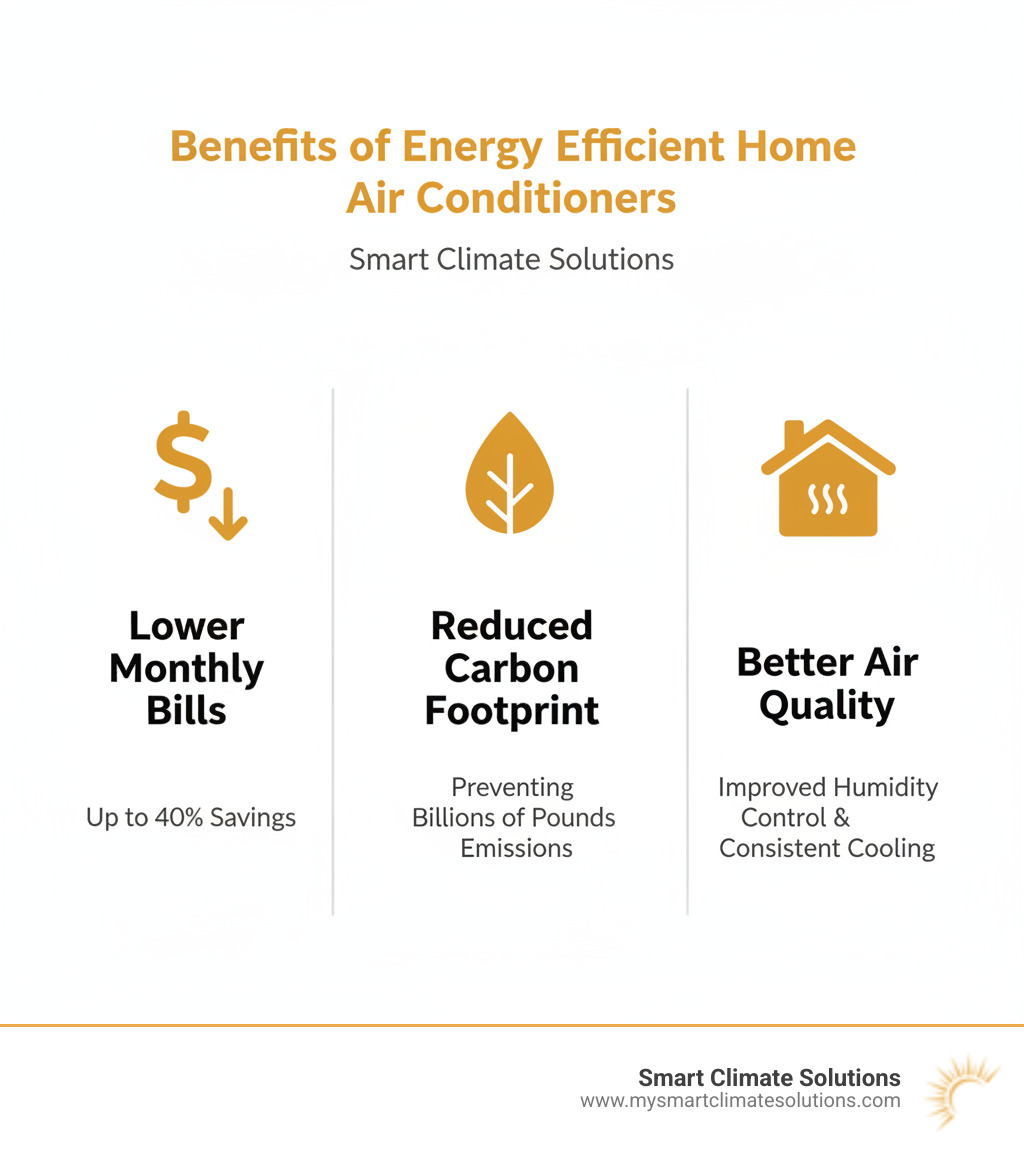
- Lower Energy Bills: ENERGY STAR certified models use approximately 23 percent less energy than standard units, saving you about $70 per year in operating costs
- Better Home Comfort: Advanced technology maintains consistent temperatures and removes humidity more effectively
- Environmental Impact: If all room air conditioners sold in the U.S. were ENERGY STAR certified, we'd prevent 12.5 billion pounds of greenhouse gas emissions annually
- Long-Term Savings: Upgrading to a 15 SEER system can reduce cooling costs by up to 40 percent
As energy costs and Pittsburgh's summer heat rise, your AC can account for over 40 percent of your home's energy use - a huge part of your monthly bill.
The good news? Modern air conditioners are dramatically more efficient than models from a decade ago. Systems with SEER ratings of 20 or higher are now common, compared to older units that might rate below 10. The difference isn't just a few dollars - we're talking about hundreds saved every cooling season.
Beyond money, you gain comfort and peace of mind. Efficient systems use less electricity, cool more consistently, manage humidity better, run quieter, and are more reliable. For busy Pittsburgh homeowners, this means fewer emergency repairs and dependable comfort when you need it most.
This guide will walk you through everything you need to know about choosing and maintaining an energy efficient home air conditioner. We'll decode those confusing efficiency ratings, help you pick the right system for your home, and show you how to maximize performance from whatever system you have.
I'm Bill Scott, the general manager of Smart Climate Solutions, and I've spent over 15 years helping Pittsburgh homeowners select and maintain energy efficient home air conditioner systems that keep their families comfortable without breaking the bank. Let me share what I've learned.
Energy efficient home air conditioner definitions:
Decoding AC Energy Efficiency: Understanding the Ratings
When we talk about an energy efficient home air conditioner, we're referring to how effectively a unit converts electrical energy into cooling power. The more efficient a system is, the less electricity it needs to keep your home comfortable, which directly translates to lower monthly utility bills. Think of it like a car's miles per gallon (MPG) - the higher the MPG, the more efficient the car, and the less you spend on gas.
Several key ratings help us measure this efficiency:
SEER2 (Seasonal Energy Efficiency Ratio 2): This rating measures the efficiency of an HVAC system over an entire cooling season, taking into account varying outdoor temperatures. A higher SEER2 number indicates greater efficiency. For example, a system with a 28 SEER rating is incredibly energy efficient and could cool a home at a very low cost. If your current AC unit has a SEER rating lower than 14.5, it's advisable to upgrade to ensure long-term cost savings.
EER2 (Energy Efficiency Ratio 2): While SEER2 considers seasonal variations, EER2 measures an AC system's efficiency at a specific outdoor temperature (typically 95 degrees F). This rating is important in climates with consistently hot conditions, where peak efficiency is critical. Systems ranked at 13 EER2 or more are considered highly efficient.
ENERGY STAR Certification: This is a seal of approval from the U.S. Environmental Protection Agency (EPA) for products that meet strict energy efficiency guidelines. ENERGY STAR certified central air conditioners have higher SEER and EER ratings than standard models. They use approximately 23 percent less energy, which can save homeowners a significant amount on their annual cooling costs. The minimum SEER rating to meet ENERGY STAR specifications is 14.5.
You don't need to be an HVAC engineer to make an informed decision. Manufacturers provide the EnergyGuide label, a helpful tool required for all air conditioners. This bright yellow label packs key information into a small space, helping you understand a model's efficiency.
The EnergyGuide label typically shows:
- The type, make, model, and size of the AC unit.
- The estimated yearly cost of running the air conditioner.
- A range of costs for similar air conditioners, so you can compare where a model falls.
- The EER (or EER2) rating.
- Whether the unit is ENERGY STAR certified.
- The cooling capacity, measured in BTUs (British Thermal Units). According to Energy.gov, one "ton" of cooling is equivalent to 12,000 BTU per hour, and sizes generally range from 1- to 5-ton units.
By understanding these metrics, you can confidently choose an energy efficient home air conditioner that saves you money and keeps your Pittsburgh home comfortable.
Choosing the Best Energy-Efficient Home Air Conditioner for Your Pittsburgh Home
If you've ever spent a July afternoon in Pittsburgh, you know what I'm talking about. The heat isn't the only problem - it's that thick, sticky humidity that makes your home feel like a sauna. That's why choosing the right energy efficient home air conditioner for our area isn't just about cooling power. You need a system that can handle both the heat and the moisture.
Pittsburgh summers demand systems with high SEER2 ratings, but honestly, that's only part of the equation. Your AC needs to be a workhorse at humidity control too. Otherwise, you'll end up with a house that's cool but clammy - and nobody wants that.
Factors to Consider Before You Buy
Let me save you from a mistake I've seen countless homeowners make. They walk into a showroom, see a great price on a high-efficiency unit, and pull the trigger without considering whether it's actually right for their home. Here's what you really need to think about first.
Your home's size and layout matter more than almost anything else. I can't stress this enough: bigger is not better when it comes to air conditioners. An oversized unit will blast cold air, shut off too soon, and leave your home feeling like a cold, damp cave. It'll cycle on and off constantly, never running long enough to pull moisture out of the air. On the flip side, an undersized unit will run itself ragged trying to cool your home, racking up energy bills while you're still sweating.
This is where a professional load calculation comes in. We use industry standards like ACCA Manual J to figure out exactly what size you need. It's not just about square footage - we look at your insulation, your windows, which direction your house faces, even the shade from trees. The ENERGY STAR equipment sizing guidelines spell out why this matters so much. Getting this right is the foundation of everything else.
Your budget deserves some real talk. Yes, an energy efficient home air conditioner typically costs more upfront than a basic model. But here's the thing - that initial price tag isn't the whole story. Over the system's lifetime (we're talking 15-20 years if you maintain it properly), the energy savings can be substantial. Sometimes we're talking about hundreds of dollars every single cooling season.
Plus, you're not entirely on your own with that upfront cost. Federal tax credits and local utility rebates can take a meaningful chunk out of the initial investment. When you factor in those incentives plus the monthly savings, that higher-efficiency system often pays for itself faster than you'd think. Our guide on Central AC Installation Cost breaks down the numbers in more detail.
Your existing ductwork - or lack of it - will steer you toward certain options. If you've got ducts already in place and they're in decent shape, a traditional central air system is usually your most straightforward path to whole-home comfort. But here's where Pittsburgh's older homes get interesting. Many beautiful homes in our area were built before central air was common. If you're in one of those homes, or if you're adding a new space, ductless systems might actually be your best friend.
Types of Energy-Efficient Air Conditioners
The good news is you've got options. The better news is each type has gotten dramatically more efficient over the past decade.
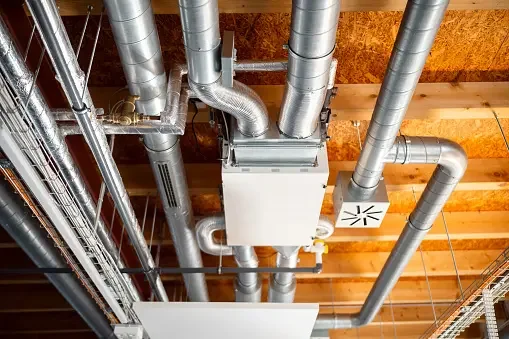
Central Air Conditioners are still the go-to choice for most Pittsburgh homeowners, and for good reason. These systems use your home's ductwork to deliver cooled air to every room. Most people choose split systems, which have the compressor and condenser outside and the evaporator coil and air handler inside. They're incredibly effective at maintaining consistent temperatures throughout your entire home. We've installed hundreds of these as part of our Residential HVAC Solutions, and when properly sized and installed, they just work.
Ductless Mini-Splits are the secret weapon for homes without existing ductwork. Instead of running ducts through your walls, these systems use a small conduit to connect an outdoor unit to one or more indoor units. Each indoor unit controls its own zone independently. This is brilliant for a couple of reasons. First, you're not losing energy through leaky ductwork (which can waste 20-30% of your cooling). Second, you only cool the rooms you're actually using. If the guest bedroom sits empty most of the time, why pay to cool it? These systems rank among the most efficient options available.
Heat Pumps are the multitaskers of the HVAC world. They cool your home in summer and heat it in winter, all in one system. Instead of generating heat or cold, they move it around - which takes far less energy. Modern heat pumps typically hit SEER ratings of 20-25, making them exceptional energy savers. They're especially smart for Pittsburgh's climate, where we need both reliable heating and cooling. You can learn more about heat pump systems and why they've become so popular.
Here's how these systems stack up for Pittsburgh homes:
| System Type | Initial Cost | Operating Cost | Best Use Case for Pittsburgh Homes |
|---|---|---|---|
| Central Air | Moderate-High | Moderate-Low | Whole-home cooling for houses with existing ductwork or new construction. |
| Ductless Mini-Splits | Moderate-High | Low | Zoned cooling, homes without ducts, additions, or specific room comfort needs. Highly efficient for targeted cooling. |
| Heat Pumps | High | Low | Year-round heating and cooling for maximum efficiency and environmental benefits. |
Key features of an energy efficient home air conditioner
Once you've picked your system type, certain features can take your efficiency from good to exceptional.
Inverter technology is probably the single biggest advancement in air conditioning efficiency over the past 20 years. Traditional air conditioners are basically on/off switches - they blast at full power until the temperature hits your setpoint, then shut off completely. This constant cycling wastes enormous amounts of energy and creates temperature swings. Inverter technology changes the game by using a variable-speed compressor that adjusts precisely to match your cooling needs. The system runs continuously at varying speeds, maintaining perfect temperatures while using far less electricity. As a bonus, it's much quieter too. Some systems with inverter technology can cut your electricity bills by 30-50% compared to older single-speed models.
Two-stage cooling offers a middle ground that's particularly effective in our Pittsburgh climate. These systems can run at a lower speed on mild days and kick into high gear when it's really sweltering. That lower speed is the secret - the unit runs longer cycles, which means better humidity removal and more consistent temperatures. Instead of the blast-and-coast approach of single-stage systems, you get steady, comfortable cooling.
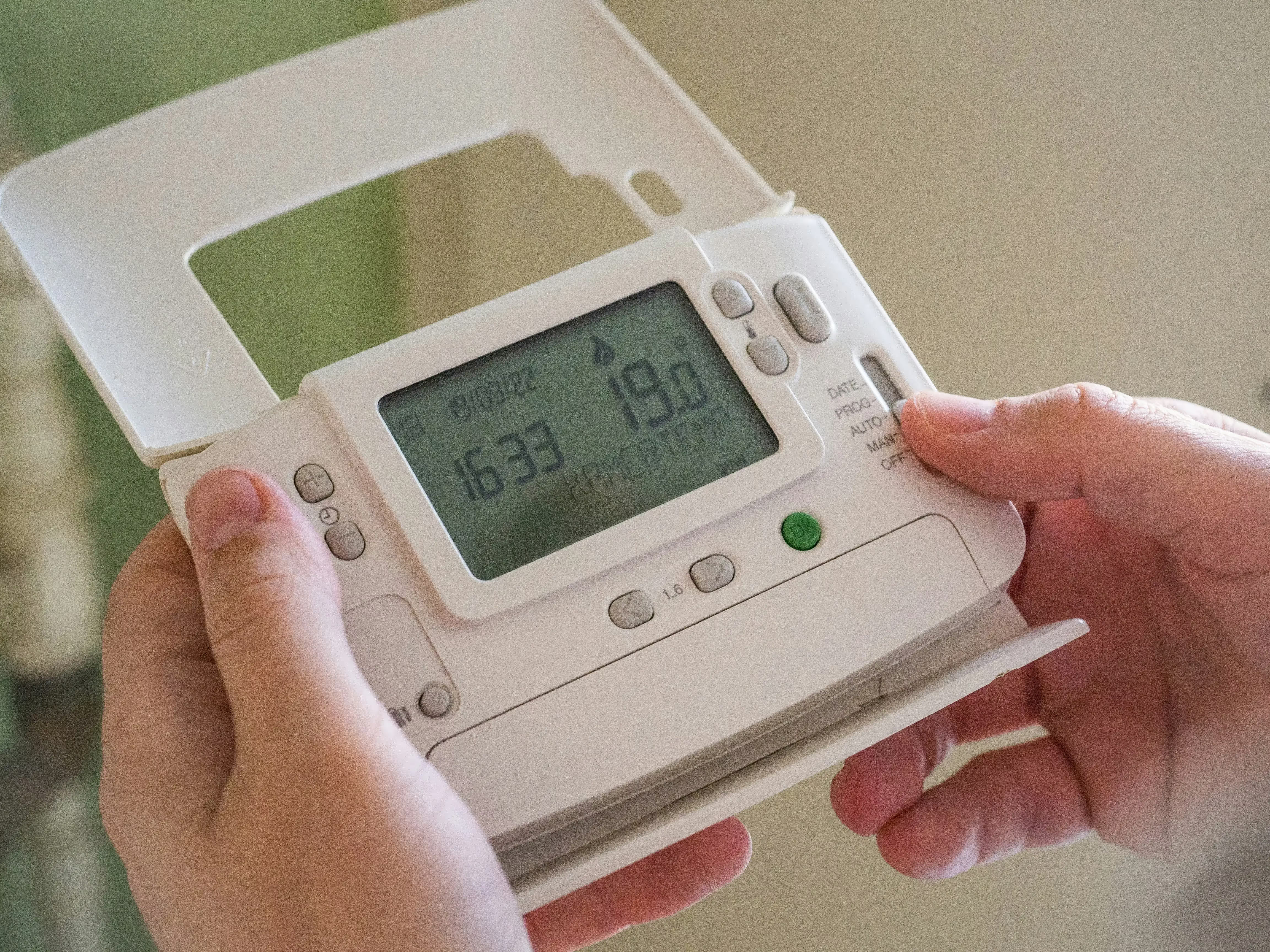
Smart thermostat compatibility brings your energy efficient home air conditioner into the 21st century. These devices learn your schedule and preferences, automatically adjusting temperatures to save energy when you're away and ensuring comfort when you're home. Forgot to turn up the temperature before leaving for vacation? No problem - adjust it from your phone. Smart thermostats also provide detailed energy reports, showing you exactly where your money goes and helping you find opportunities to save even more. If you've already got smart home devices, a Wi-Fi-enabled system integrates seamlessly.
The right combination of system type and features will keep your Pittsburgh home comfortable all summer long without the sticker shock when your electric bill arrives. That's what we call a win-win.
How to Boost Your Current AC's Efficiency
Not ready to replace your air conditioner just yet? That's perfectly fine. You can make your current system perform like a much more efficient model with some straightforward maintenance and smart habits. I've seen Pittsburgh homeowners cut their cooling costs by 20-30 percent just by following these practices consistently.
Simple DIY Tips for Better Performance
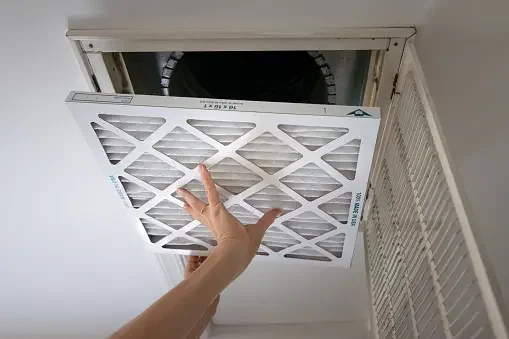
The easiest way to improve efficiency starts with something you can do in about five minutes: changing your air filter. A clogged filter is like trying to breathe through a straw - your AC has to work much harder to push air through. Check your filter monthly and swap it out every 1-3 months. If you have pets or someone in your home has allergies, you'll want to change it even more frequently.
Your outdoor unit needs attention too. Walk outside and take a look at your condenser unit. Is it surrounded by leaves, grass clippings, or weeds? Clearing debris from your outdoor unit is crucial for proper airflow. Give it at least two feet of clearance on all sides. While you're out there, gently spray down the fins with a garden hose to remove built-up dirt. Just don't use a pressure washer - that can bend the delicate fins.
Inside your home, sealing air leaks around windows and doors keeps your hard-earned cool air from escaping. Run your hand around window frames and doorways on a hot day. Feel any warm air sneaking in? Grab some weatherstripping and caulk from your local hardware store. It's an inexpensive fix that makes a real difference.
Here's a trick that surprises many homeowners: using ceiling fans alongside your AC lets you raise your thermostat by 4 degrees without feeling any warmer. The fan creates a breeze that makes your skin feel cooler, even though the actual air temperature hasn't changed. Just make sure your fans are spinning counter-clockwise in summer to push air downward.
During the hottest part of the afternoon, close your blinds and curtains on south and west-facing windows. The sun streaming through those windows is like having a space heater running in your home. Block that solar heat gain and your AC won't have to work nearly as hard.
For more detailed guidance on keeping your system in top shape, check out our comprehensive Air Conditioner Maintenance guide.
The Role of Smart Thermostats and Professional Tune-Ups
Two investments will transform how your energy efficient home air conditioner performs: a smart thermostat and regular professional maintenance.
Smart thermostats are like having a personal assistant for your cooling system. They learn when you're typically home or away and adjust temperatures automatically. Heading home early from work? Pull out your phone and cool things down before you arrive. Forgot to adjust the temperature before leaving for vacation? No problem - do it from the beach. These devices provide detailed energy reports that show exactly when and how you're using energy, helping you spot opportunities to save.
The real magic happens with their learning capabilities. Over time, a smart thermostat figures out how long your home takes to cool down, when you prefer different temperatures, and even factors in the weather forecast. This precise control means your system runs exactly when and how it needs to, wasting nothing.
But even the smartest thermostat can't fix a system that's struggling mechanically. That's where professional tune-ups become essential. Think of it like getting an oil change for your car - regular maintenance prevents expensive breakdowns and keeps everything running efficiently.
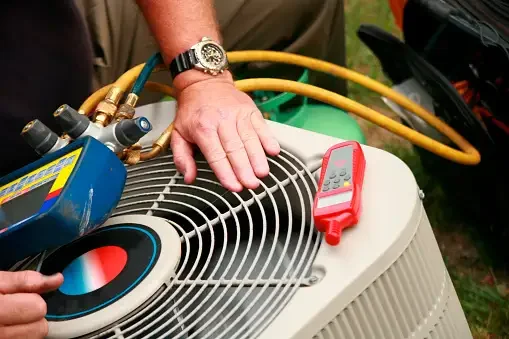
During a professional tune-up, our certified technicians check refrigerant levels (low refrigerant forces your system to work harder), clean components you can't safely reach yourself, tighten electrical connections, and catch small problems before they become big, expensive ones. We've seen countless situations where a simple tune-up restored 10-15 percent of lost efficiency.
Pittsburgh's humid summers are particularly tough on AC systems. That combination of heat and moisture puts extra strain on your equipment. Annual tune-ups ensure your system handles our climate efficiently, keeping you comfortable without surprise breakdowns on the hottest day of summer.
Schedule your AC Tune Up with us before the cooling season hits. Better yet, consider one of our HVAC Preventive Maintenance Plans for year-round protection and priority service. With over 20 years serving Pittsburgh homeowners, we know exactly what it takes to keep your system running at peak efficiency through our demanding summers.
Financial Incentives for Your Energy-Efficient Upgrade
Let's talk about money - specifically, how to save it when upgrading to an energy efficient home air conditioner. The good news is that you're not alone in this investment. Federal, state, and local programs exist to help offset the cost of making your home more energy efficient.
Finding Rebates and Tax Credits
Think of these incentives as a thank-you for doing something good for the environment and the electrical grid. When you choose an energy efficient home air conditioner, you're reducing strain on power systems during peak summer months, which benefits everyone.
Federal tax credits can make a real difference in your bottom line. These aren't deductions - they're actual credits that reduce the tax you owe, dollar for dollar. The federal government regularly offers these credits for homeowners who install qualifying ENERGY STAR certified equipment. Before you make your purchase, it's worth taking a few minutes to check for homeowner tax credits to see what's currently available.
Here in the Pittsburgh area - including the South Hills, Burgettstown, Washington PA, Steubenville OH, St. Clairsville OH, and Weirton WV - local utility companies often sweeten the deal even further. Many offer cash rebates when you install ENERGY STAR certified air conditioners or heat pumps. These programs change from time to time and vary by location, so it pays to check what's available where you live. The ENERGY STAR Rebate Finder makes this easy - just plug in your zip code and see what incentives are waiting for you.
When you combine these incentives with the long-term savings on your monthly energy bills, the return on investment becomes compelling. Yes, an energy efficient home air conditioner typically costs more upfront than a basic model. But when you factor in tax credits, utility rebates, and years of lower electric bills, many homeowners find their payback period is surprisingly short - often just a few years. Plus, energy-efficient upgrades typically increase your home's resale value, which is an added bonus if you ever decide to sell.
Upgrading to an energy efficient home air conditioner
Sometimes the best financial decision isn't trying to squeeze another year out of an aging system. Here's when replacement makes more sense than repair:
Age matters. If your air conditioner is over 10-15 years old, it's living on borrowed time. Even if it's still running, older units simply can't match the efficiency of modern technology. A new ENERGY STAR certified system can use 23 percent less energy than standard models, which translates directly to lower bills every single month.
Repair costs add up fast. We've seen it countless times - a homeowner spends $400 on a repair in May, then another $500 in July, and suddenly they've invested nearly a thousand dollars into a system that still isn't reliable. When repair bills become frequent and expensive, that money would be better spent toward a new, dependable system with a warranty.
High energy bills are a red flag. If your cooling costs seem unreasonably high even though you're not running the AC more than usual, your system is probably struggling. It might be working overtime to compensate for worn parts, refrigerant leaks, or declining efficiency. A new energy efficient home air conditioner could cut those costs by 30-40 percent or more.
SEER ratings tell the story. If your current unit has a SEER rating below 14.5, you're essentially throwing money away every time it runs. Upgrading from a 10 SEER unit to a 15 SEER system can reduce your AC costs by up to 40 percent. That's real money back in your pocket, month after month, year after year.
Comfort issues signal bigger problems. Poor air quality, excessive humidity, hot spots in certain rooms, or constant temperature fluctuations mean your system isn't doing its job anymore. You shouldn't have to live with discomfort in your own home.
If you're seeing these warning signs, it's time to have an honest conversation about replacement. Our team can help you understand your options and calculate exactly how much you'll save. We've put together a detailed guide on Central AC Replacement Cost that walks through the numbers, so you can make an informed decision that's right for your family and your budget.
Conclusion: Your Partner for a Cooler, More Efficient Home
Making the switch to an energy efficient home air conditioner isn't just about staying cool during those sweltering Pittsburgh summers. It's about making a smart investment that pays you back every single month through lower utility bills, better comfort, and the peace of mind that comes from knowing your system won't quit on the hottest day of the year.
We've covered a lot of ground together. You now understand how SEER2 and EER2 ratings work, why that yellow EnergyGuide label matters, and how to choose between central air, ductless mini-splits, and heat pumps for your specific home. You've learned which features make the biggest difference - like inverter technology and smart thermostat compatibility - and you know how to keep your current system running at its best through simple maintenance tasks and professional tune-ups.
Don't forget those financial incentives, either. Between federal tax credits and local utility rebates, the upfront cost of upgrading to an energy efficient home air conditioner becomes much more manageable. And when you factor in the long-term savings and increased home value, the decision practically makes itself.
Here's what I've learned after 15 years in this business: the best air conditioning system in the world won't perform efficiently if it isn't installed correctly. That's where professional expertise becomes absolutely crucial. Proper sizing, careful installation, and ongoing maintenance are what transform a good system into a great one.
At Smart Climate Solutions, we've been serving homeowners throughout Pittsburgh, South Hills, Burgettstown, Washington PA, Steubenville OH, St. Clairsville OH, and Weirton WV for over two decades. Our certified technicians don't just install equipment - we partner with you to find the right solution for your home, your budget, and your comfort needs. We're available 24/7 for emergencies because we know AC problems don't wait for business hours.
Whether you're ready to upgrade to a new energy efficient home air conditioner or you need help maintaining your current system, we're here to help. Our team will guide you through every decision, answer all your questions, and ensure your system operates at peak efficiency from day one.
Summer heat is predictable. Your comfort doesn't have to be expensive. Schedule your HVAC service today and let's work together to keep your home cool, comfortable, and efficient all season long.

.png)
