Schedule a Heating System Inspection Before Pittsburgh's Cold Weather
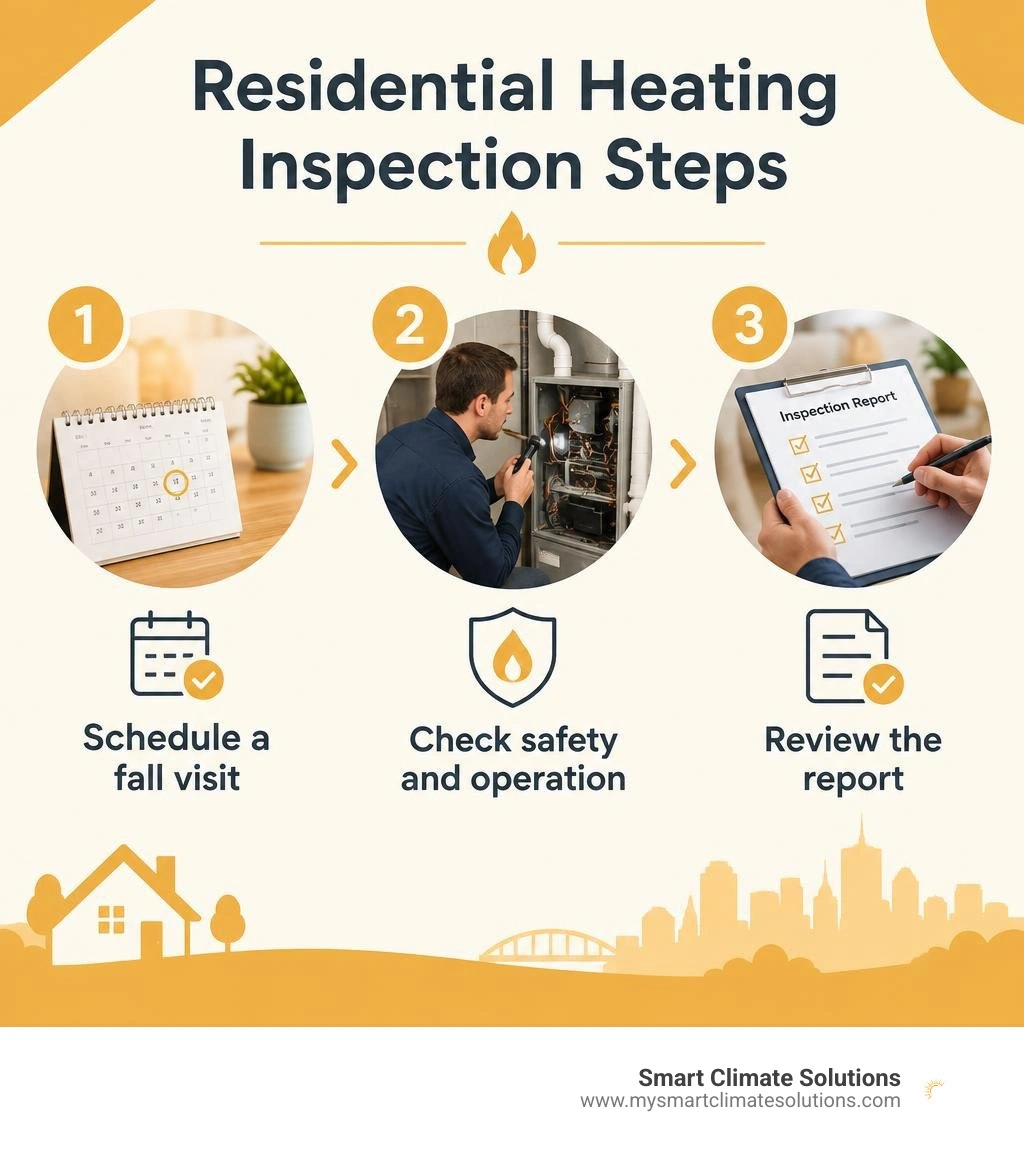
Schedule a professional heating system inspection each fall, before you rely on your heat every day. Ask the technician to test safety controls and the thermostat, check airflow and electrical parts, and inspect any fuel lines, burners, heat exchangers, and vents your system has. Request a written report that lists any safety concerns and recommended repairs.
I am Bill Scott, general manager of Smart Climate Solutions. With over 20 years in HVAC, I help Pittsburgh-area homeowners understand what a heating system inspection should cover and how to prepare for winter.
Quick look at heating system inspection:
Why Heating System Inspection Is Vital for Pittsburgh Homes
Pittsburgh winters bring intense freeze cycles that put heating equipment under prolonged stress. From the South Hills to Bethel Park and Canonsburg, furnaces and boilers work continuously to maintain comfortable indoor temperatures. When equipment runs under heavy load without a proper checkup, hidden mechanical wear or combustion faults can quickly lead to sudden failures, property damage, or severe safety hazards.
Catastrophic risks like fires and carbon monoxide (CO) exposure make professional evaluation essential. Heating equipment failure is a major contributor to residential structural fires and life-threatening carbon monoxide emergencies. According to the Consumer Product Safety Commission, more than 200 people die each year in the United States from unintentional, non-fire-related carbon monoxide poisoning linked to consumer appliances. The safety guidelines on Home Heating Equipment safety recommendations emphasize that all fuel-burning appliances require yearly evaluations to prevent poisonous exhaust leaks.
Beyond household safety, routine inspections deliver clear economic benefits:
- Lower Utility Bills: Clean, properly adjusted burners and blowers operate at peak thermal efficiency. Regular preventative maintenance can reduce annual heating expenses by up to 10 percent.
- Extended Equipment Lifespan: Catching minor component friction, weak capacitors, or slight draft problems prevents cascading stress on expensive parts like compressors and heat exchangers.
- Reduced Emergency Breakdowns: Detailed diagnostics identify worn parts before sub-zero temperatures force a mid-winter breakdown. If your unit experiences mechanical trouble during severe weather, consulting our heating repair guide helps you navigate timely repair options.
What to Expect During a Professional Heating System Inspection

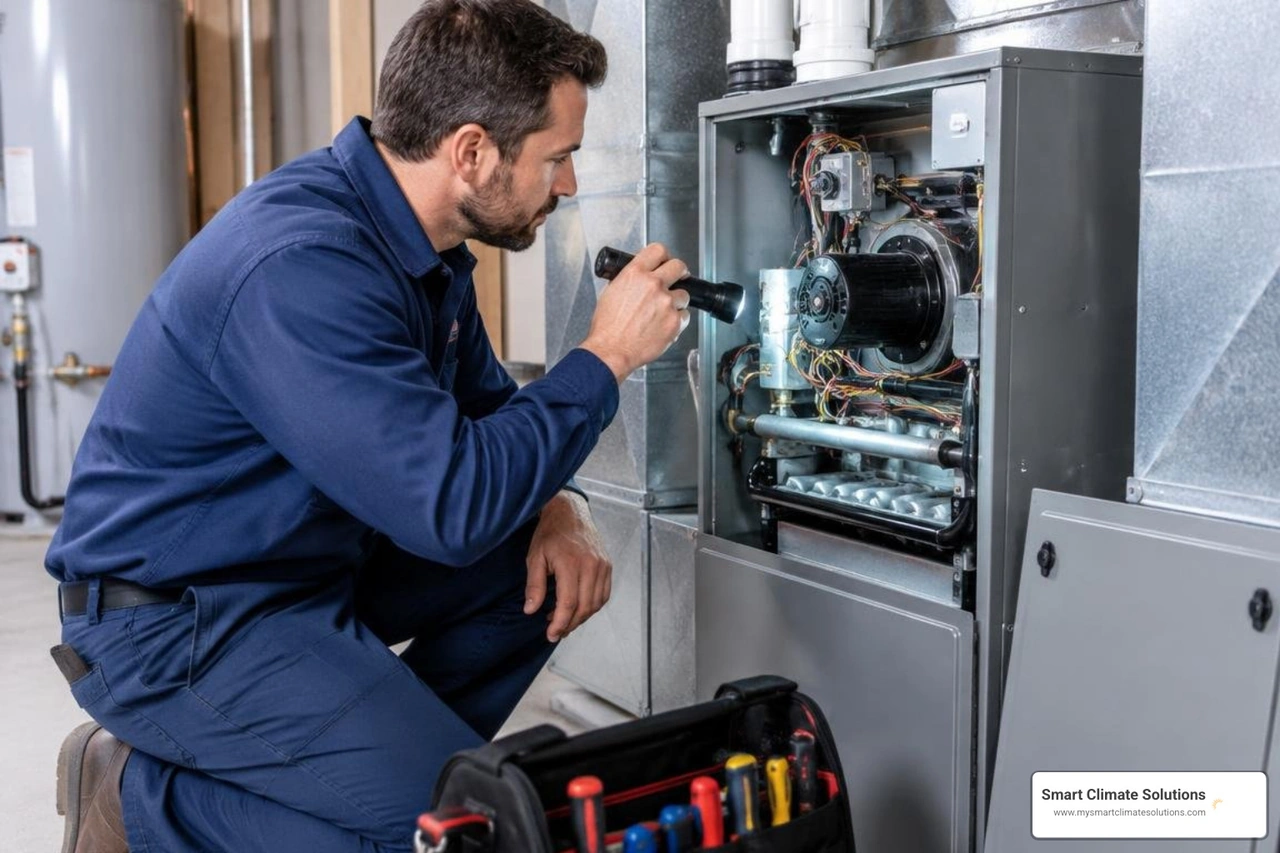
A comprehensive inspection evaluates the physical condition, operational safety, and airflow characteristics of your equipment. A certified technician systematically checks components according to established industry criteria, such as the ENERGY STAR heating maintenance checklist standards. Conducting a thorough heating system check before freezing weather sets in ensures every subsystem works reliably.
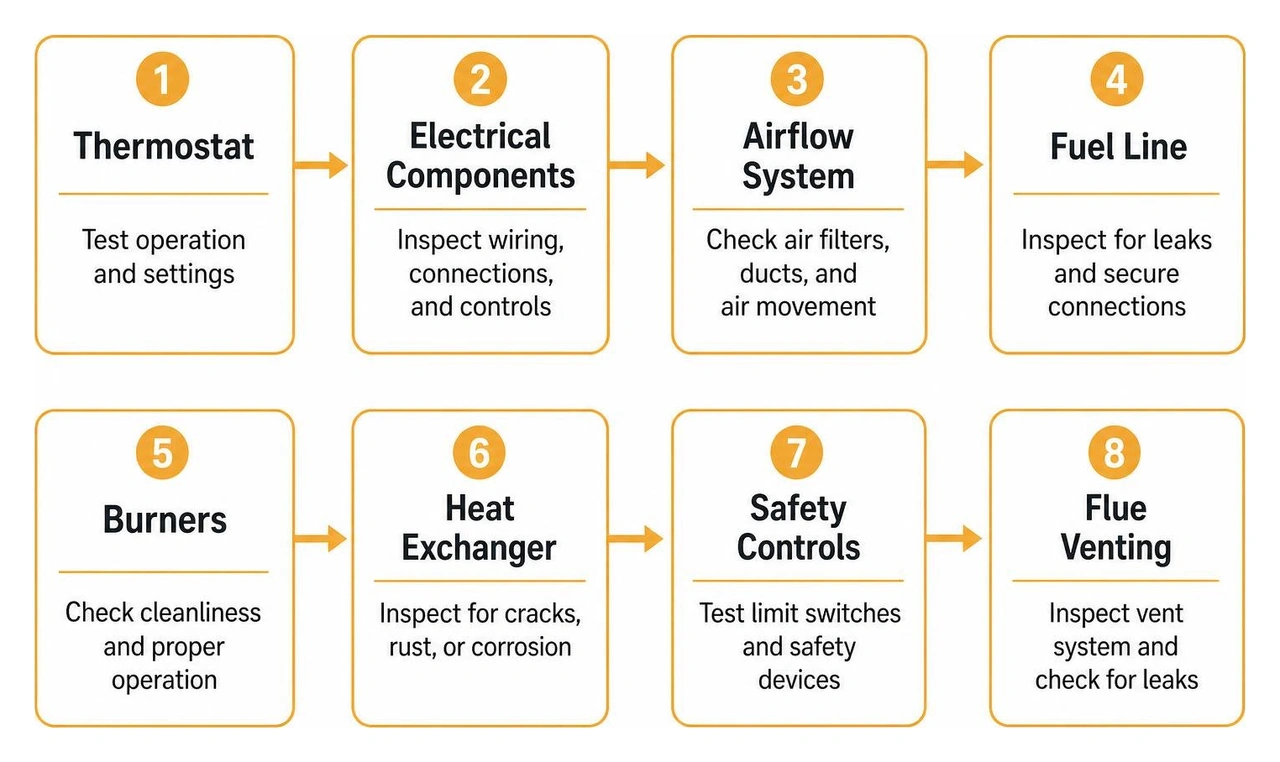
During an inspection, your technician completes several technical evaluations:
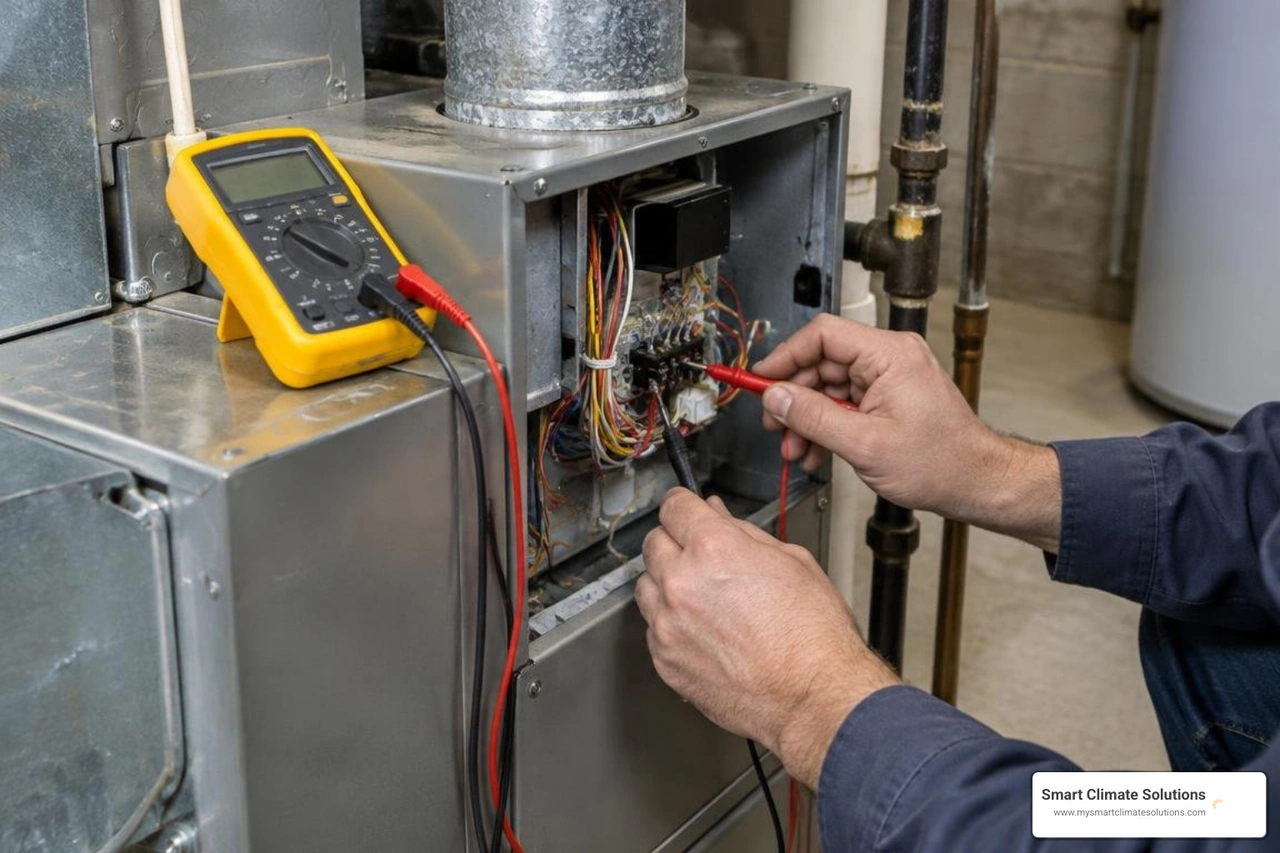
- Electrical Diagnostics: Measuring motor voltage and current draw, tightening wire terminals, and inspecting safety shut-off switches to eliminate electrical fire risks.
- Heat Exchanger Evaluation: Inspecting metal heat exchanger walls for hairline cracks, rust spots, or corrosion that could allow toxic flue gases to mix with circulating indoor air.
- Airflow and Temperature Rise (Delta T): Measuring the temperature difference between the return air and the supply air plenums. A Delta T that is too high signals restricted airflow across the heat exchanger, which causes overheating and premature component failure.
- Thermostat Calibration: Testing the communication link between your thermostat controls and heating equipment to verify accurate cycling.
Gas Furnace Heating System Inspection Steps
Gas-fired central furnaces require specialized combustion and exhaust checks. Our technicians align with established protocols like the InterNACHI gas furnace inspection guidelines to verify code compliance and safe operation. If critical faults are detected during the visit, referring to our complete heater repair guide provides insights into restoring your furnace safely.
Key gas furnace inspection points include:
- Burner Flame Appearance: Observing flame characteristics during ignition. A crisp, stable blue flame indicates complete, balanced combustion. A ragged yellow or orange flame indicates improper fuel-to-air mixing and elevated carbon monoxide generation.
- Venting Slope and Clearance: Ensuring metal Type B vents maintain at least a 1-inch clearance to combustibles and plastic Category IV exhaust pipes maintain an upward slope of at least 1/4 inch per foot back toward the furnace to drain corrosive condensate properly.
- Gas Line and Sediment Trap: Checking the shutoff valve, pipe unions, and verifying that a sediment trap (drip leg) is installed close to the gas valve inlet to capture pipe debris before it enters the manifold.
- Safety Switch Operation: Testing the flame rollout switches, high-limit temperature controls, draft inducer pressure switches, and the blower door interlock switch.
Boiler Heating System Inspection Protocols
Hydronic and steam heating systems common in older Pittsburgh homes require specialized pressure and fluid checks. Low water is the leading cause of boiler mechanical failure; running a boiler with insufficient water causes damage similar to running a car engine without motor oil. Enrolling in structured heating maintenance plans guarantees that these complex systems receive regular seasonal testing.
Essential boiler inspection tasks include:
- Low Water Cut-Off (LWCO): Testing the automatic low-water shutoff control to confirm that the burner shuts down immediately if water levels drop below safe thresholds.
- Temperature and Pressure (T&P) Relief Valve: Verifying that the safety relief valve operates smoothly and shows no signs of mineral encrustation or continuous weeping.
- Boiler Water Quality: Testing hydronic fluid chemistry. Low-pressure steel boilers require chemical inhibitors to prevent internal pitting, while cast-iron boilers rely on clean water in a sealed system to avoid scale buildup and cracked heat sections.
- Zone Controls and Circulator Pumps: Inspecting motorized zone valves, flow switches, and circulator pumps to ensure balanced hot water distribution across every radiator and baseboard fin tube in the home.
Fuel-Burning vs Electric Heating System Inspections
Inspecting a fuel-burning heating system involves testing combustion chemistry and flue exhaust, while inspecting an electric heating system centers on high-voltage electrical circuits and airflow safety. Both system categories must satisfy strict heating reliability criteria, such as the HUD NSPIRE heating inspection standards, which require maintaining adequate room temperatures measured 3 feet above the floor and 2 feet from exterior walls. Understanding how your home heating system functions ensures appropriate maintenance procedures are applied.
| Inspection Checkpoint | Fuel-Burning Systems (Gas/Oil) | Electric Systems (Heat Pumps/Furnaces) |
|---|---|---|
| Combustion & Venting | Flue draft testing, chimney integrity, and burner flame analysis | Not applicable; no chimney, venting, or fuel lines present |
| Fuel Delivery & Piping | Gas pressure checks, sediment traps, shutoff valves, and oil lines | Not applicable |
| Heat Generation Components | Heat exchanger integrity, ignitors, flame sensors, and oil nozzles | Electric resistive heat strips and staging sequencers |
| Safety Controls | Flame rollout switches, pressure switches, and spill switches | High-temperature limit switches and fusible links |
| Carbon Monoxide Risks | Monitored directly at draft hood and ambient living spaces | No combustion gases produced during standard operation |
| Electrical Checks | Inducer motor, blower motor, control board, and ignition module | High-amperage contactors, heating element draw, and capacitors |
Seasonal Inspection Schedules and Regulatory Requirements

The ideal time to schedule a heating inspection is early autumn, before cold weather creates peak service demand across Washington, PA, Burgettstown, and surrounding communities. Early scheduling ensures ample lead time to order specialized manufacturer parts if any defects are discovered.
For rental property owners and landlords, annual heating inspections are frequently required to comply with local housing habitability ordinances and maintain valid occupancy permits. Municipal codes demand that certified heating contractors verify safe flue draft, ensure no unvented fuel appliances reside in sleeping areas, and confirm functional carbon monoxide alarms are present outside all sleeping suites.
To prepare for a smooth inspection visit:
- Clear Workspace: Maintain at least a 30-by-30-inch level, unobstructed workspace in front of the heating unit.
- Remove Combustibles: Store paints, solvents, boxes, and combustible materials well away from furnace cabinets and water heaters.
- Note Irregularities: Keep a written log of any unusual clicking sounds, delayed ignition, or sulfur odors to share with your technician.
If an unexpected freeze causes your unit to stop working before your scheduled tune-up, local technicians offering emergency heating and cooling repair can quickly resolve heating outages. You can also review our Pittsburgh heating plan guide for comprehensive regional seasonal maintenance guidance.
Frequently Asked Questions About Heating Inspections
How much does a professional heating inspection cost in 2026?
A standard standalone heating inspection in 2026 typically costs between $70 and $300, with an industry average hovering around $150 to $300. Pricing varies based on the size of the home, accessibility of equipment in tight attics or crawlspaces, and whether the system runs on hydronic boilers, fuel combustion, or electric heat. While an inspection requires an initial investment, identifying minor component wear early helps homeowners avoid higher average heating repair costs resulting from catastrophic part failures later in winter.
What are the main signs that a heating system needs an immediate inspection?
Homeowners should arrange an immediate inspection if they notice:
- Discolored Flames: Burner flames showing yellow, orange, or flickering patterns instead of a steady blue cone.
- Persistent Short-Cycling: The heating unit starts and stops rapidly without reaching the set thermostat temperature.
- Strange Odors: Persistent burning smells, metallic odors, or sulfur-like rotten egg scents that suggest gas leaks or overheating wire insulation.
- Carbon Monoxide Alerts: Any chirping or alarms triggered by residential CO detectors.
- Unusual Operating Sounds: Loud banging, squealing blower belts, or rumbling during burner ignition. When troubleshooting sudden system shutdowns, review our guide on handling a heating system not working properly for quick diagnostics.
What is the difference between a heating inspection and a tune-up?
A heating inspection is primarily a diagnostic assessment where a technician systematically tests safety switches, inspects physical components for structural cracks, evaluates electrical draws, and confirms code compliance. A tune-up includes these diagnostic checks along with hands-on maintenance, such as deep-cleaning burner assemblies, lubricating motor bearings, clearing condensate drain lines, adjusting air-fuel ratios, and calibrating operating controls. Combining inspections with active tune-ups preserves system longevity as detailed in our efficient heating and cooling systems guide.
Conclusion
Protecting your household against unexpected winter breakdowns and hazardous combustion leaks begins with a professional heating system checkup. At Smart Climate Solutions, our certified technicians bring more than 20 years of HVAC experience, providing thorough diagnostics, safety verifications, and 24/7 emergency support throughout Pittsburgh, Carnegie, Bethel Park, and nearby communities. To ensure your home stays warm, safe, and efficient throughout the freezing winter months, schedule professional HVAC installation and maintenance with our local team today.