

Why Professional Furnace Installation Matters for Your Home
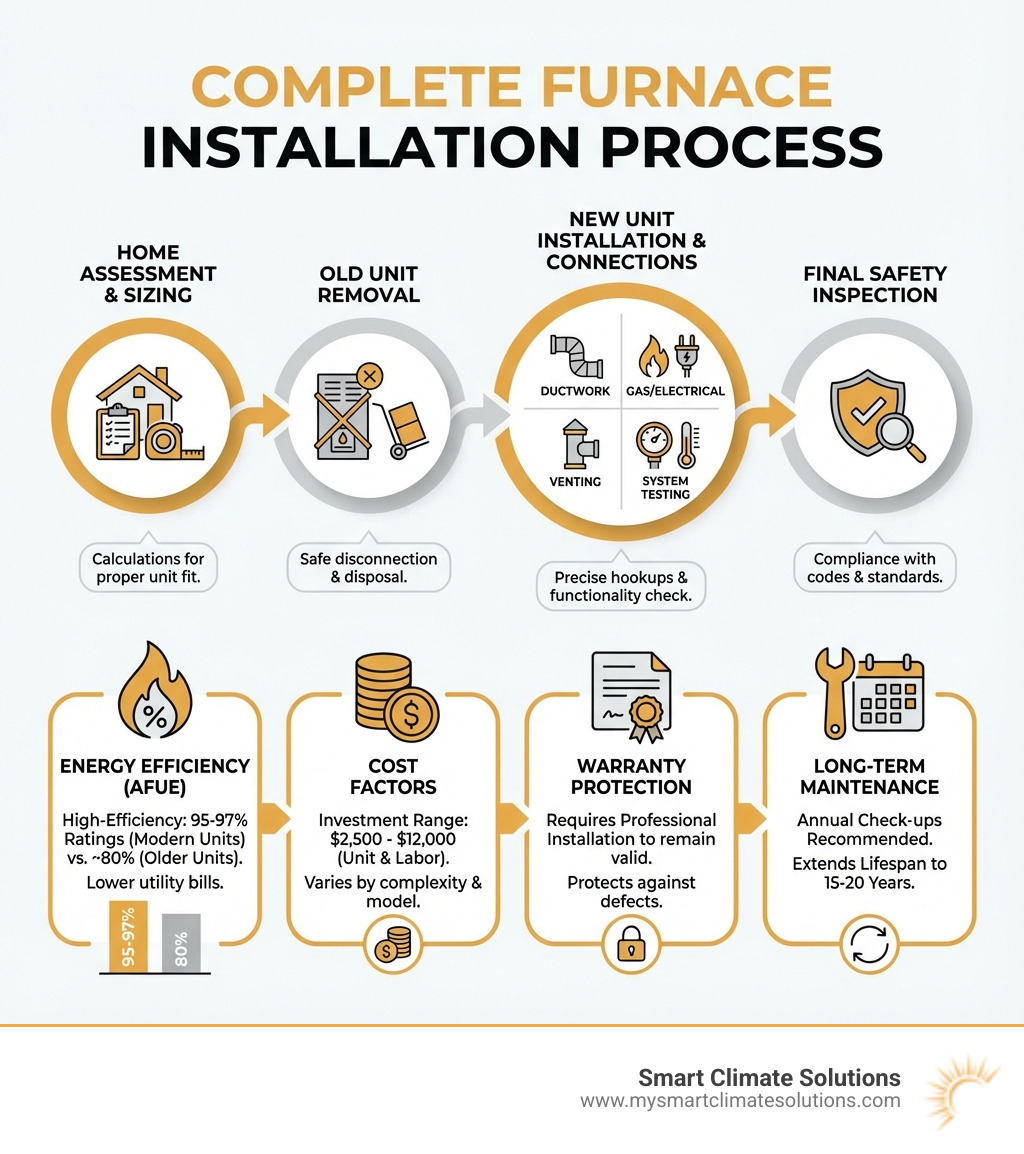
Install HVAC furnace work requires specialized knowledge, proper tools, and strict adherence to safety codes. Here's what you need to know:
- Professional installation is strongly recommended - Gas lines, electrical connections, and ventilation systems require licensed expertise
- Typical installation takes 4-10 hours depending on complexity
- Costs range from $2,500 to $12,000 including unit and labor
- New furnaces last 15-20 years with proper maintenance
- High-efficiency models offer 95-97% AFUE ratings compared to 80% for older units
When Pittsburgh winters arrive, your furnace becomes the backbone of your home's comfort. A properly installed heating system doesn't just keep you warm - it protects your family's safety, reduces energy bills, and provides reliable performance for years to come.
Many homeowners face a critical decision when their old furnace fails or struggles to keep up. Rising energy costs, frequent repairs, and uneven heating are clear signs it's time for a replacement. But choosing the right furnace and ensuring proper installation can feel overwhelming.
The truth is simple: furnace installation is not a DIY project. Working with gas lines carries serious risks including carbon monoxide exposure and fire hazards. Improper electrical connections can damage your new equipment. And mistakes in sizing or ductwork design will cost you money every month in wasted energy.
Professional installation ensures your system operates safely, efficiently, and in full compliance with local building codes. It also protects your manufacturer's warranty, which typically requires licensed installation to remain valid.
I'm Bill Scott, general manager at Smart Climate Solutions, and I've overseen thousands of successful projects to install HVAC furnace systems throughout the Pittsburgh area over the past 20 years. Our team responds to service calls in an average of 30 minutes, and we specialize in helping homeowners make informed decisions about their heating needs.
Is It Time for a New Furnace?
The chill of winter in Pittsburgh, South Hills, or Weirton, WV, can be unforgiving. If your home isn't staying warm, or your utility bills are skyrocketing, you might be asking yourself if it's time to replace your furnace. It's a common dilemma: should you repair your existing unit or invest in a brand new one?
Most HVAC equipment, when properly maintained, can be expected to last 15 to 20 years. However, if your HVAC system is more than 10 years old, it's likely no longer under warranty. This means you'll be responsible for all repair costs. At a certain point, it becomes more cost-effective to consider HVAC replacement rather than continuing to pour money into an aging system. Even a high-efficiency HVAC unit from a decade ago can't compete head-to-head with similar systems offered today in terms of energy savings and advanced features.
Choosing to replace an old furnace often saves you money, time, and hassle in the long run. We believe in helping our customers make the best decision for their homes and budgets. For more details on replacement costs, visit our guide on Furnace Replacement Cost.

Signs Your Current Furnace Needs Replacement
How do you know if your furnace is past its prime? Here are some clear indicators that your current furnace needs replacement:
- Age Over 15 Years: Furnaces tend to last about 15 years on average. While some can continue working for as long as 20 years with regular maintenance, many will need replacement at 10 years, especially if they haven't been consistently serviced.
- Soot or Rust: Visible soot around the furnace, or rust on the unit itself, can indicate serious problems, including potential carbon monoxide leaks.
- Yellow Burner Flame: A healthy gas furnace flame should be blue. A yellow or flickering flame can signal incomplete combustion, which is a safety concern. Aging gas furnaces can develop small cracks in the heat exchanger or flue pipes, which can allow carbon monoxide to leak into your home, posing a serious safety risk.
- Increased Utility Costs: If your energy bills are steadily climbing without a significant change in usage, your furnace is likely losing efficiency and working harder to heat your home.
- Costly or Frequent Repairs: If your furnace requires frequent repairs, or if a single repair is nearly half the cost of a new unit, it's a strong sign that replacement is the more economical choice. Repairs make the most sense for a furnace that is relatively new, still under warranty, and otherwise functioning well.
If you're experiencing any of these issues, it's time to consider a professional assessment. We offer expert Furnace Repair Assistance to help you determine the best course of action.
The Impact of a New Furnace on Energy Efficiency
Upgrading to a new furnace offers significant benefits beyond just consistent warmth. Modern HVAC systems incorporate advancements like variable-speed blower motors and smart home compatibility, vastly improving energy efficiency and overall home comfort.
A new, high-efficiency furnace can lead to:
- Lower Utility Bills: Newer HVAC systems offer significantly improved energy efficiency compared to older models. Upgrading can lead to substantial savings on energy bills. For instance, high-efficiency gas furnaces often have AFUE ratings over 90 percent, meaning 90 percent or more of the gas the furnace burns is converted into usable heat. This means a high-efficiency gas furnace uses less gas to generate the same amount of heat.
- Improved Home Comfort: You'll experience more consistent temperatures throughout your home, eliminating cold spots and drafts. Proper installation ensures optimal performance, as the quality of furnace installation significantly impacts its actual performance, potentially wasting up to 10% of its rated efficiency.
- Consistent Temperatures: Modern furnaces with multi-stage or variable-speed operation can maintain a more even temperature, preventing wide fluctuations.
- Quieter Operation: New furnaces are designed to operate much more quietly than older, less efficient models.
- Increased Home Value: An updated, energy-efficient HVAC system is an attractive feature for potential homebuyers, adding value to your property.
We specialize in High Efficiency Heating and Air Conditioning solutions for homes across the Pittsburgh area, helping you achieve optimal comfort and savings.
Choosing the Right Furnace for Your Home
Selecting the right furnace for your home in Pittsburgh, Steubenville, OH, or St. Clairsville, OH, involves several critical factors. It's not a one-size-fits-all decision. We help you steer furnace types, fuel sources, proper sizing, and efficiency ratings to ensure you get the best system for your specific needs and the local climate. Our goal is to provide you with an Efficient Heating and Cooling Systems Guide custom to your home.
Understanding Furnace Types: Gas, Electric, and Oil
The primary types of furnaces available are gas, electric, and oil. Each has its own set of advantages and disadvantages:
- Gas Furnaces:
- Pros: Generally more energy efficient and better suited to colder climates like ours. They are normally the best to buy because of their low operating cost. A gas furnace can use less gas than a less-efficient comparable furnace to generate the same amount of heat.
- Cons: Require a gas line connection, which adds to installation complexity and cost if not already present. They also require proper ventilation for safe exhaust of combustion gases and will not turn on if the home has lost electricity, as their systems require electricity to operate.
- Electric Furnaces:
- Pros: Cheaper and easier to install than gas furnaces. They do not emit carbon monoxide because they do not burn fuel and do not require any ventilation, making them an eco-friendly alternative to gas, producing zero carbon emissions. They are typically less costly to purchase than a gas furnace. With regular maintenance, an electric furnace can last as long as 15-20 years.
- Cons: Generally more expensive and less efficient to operate, especially in colder climate regions, due to the relatively higher cost of electricity. They may be less energy-efficient during colder months of the year.
- Oil Furnaces:
- Pros: A viable option for homes without access to natural gas lines.
- Cons: Typically more expensive and messier to operate than gas furnaces. They require a storage tank for fuel oil and regular deliveries.
Here's a quick comparison:
| Feature | Gas Furnaces | Electric Furnaces |
|---|---|---|
| Installation Cost | Moderate to High | Lower |
| Operating Cost | Lower, especially in cold climates | Higher, due to electricity costs |
| Efficiency | Good (AFUE 80-98.5%) | Excellent (AFUE 95-100%) - but costly to operate |
| Suitability | Best for colder climates, low operating cost | Eco-friendly, but less efficient/costly in cold climates |
| Ventilation | Required | Not required |
| Carbon Monoxide | Potential risk if not maintained/installed | No carbon monoxide emissions |
Sizing and Efficiency: AFUE Explained
Beyond the fuel type, two crucial factors for your new furnace are its size and efficiency rating, known as AFUE.
- AFUE (Annual Fuel Utilization Efficiency): This rating tells you how efficiently a furnace converts fuel into usable heat. The Federal Trade Commission requires all new furnaces to display AFUE ratings so consumers can compare their efficiency. An AFUE of 90% means that 90% of the energy heats the home and the other 10% escapes, typically through the flue. The AFUE rating for an electric furnace is typically 95%-100%. However, AFUE does not include heat lost through the duct system. Higher efficiency units with AFUE 90% or more are best for our colder climates here in Pennsylvania and Ohio. For a deeper dive, check out What is AFUE?.
- BTU Capacity: Furnace capacity is measured in Btuh (British thermal units per hour). An improperly sized furnace can lead to discomfort, inefficiency, and a reduced lifespan. A furnace that's too small won't keep your home warm enough, while one that's too large will cycle on and off too frequently, wasting energy and wearing out components faster. A qualified HVAC professional will assess your home's square footage, ceiling height, number of windows, insulation levels, and other factors to determine the correct capacity. This is often done using a Manual J calculation, a detailed load calculation method. We also recommend looking for ENERGY STAR certified furnaces for the best efficiency and savings.
The Professional Guide to Install an HVAC Furnace
When it comes to installing an HVAC furnace, professional expertise is not just a recommendation; it's a necessity. Furnace installation involves intricate wiring, venting, and gas connections that demand specialized knowledge and adherence to strict safety protocols. An incorrectly sized or improperly installed furnace can lead to inefficiencies, increased energy consumption, and even dangerous safety hazards.
Professional installation ensures proper sizing of the furnace for optimal performance and energy efficiency. It also guarantees compliance with local codes and safety standards, which is critical for reducing risks and protecting your home. Our team of certified technicians provides comprehensive HVAC Installation Services across our service areas.

Key Steps in the Professional Installation Process
While the exact steps can vary slightly depending on your home and the type of furnace, a professional install HVAC furnace process generally follows these key stages:
- Initial Consultation and Home Assessment: We begin with a thorough evaluation of your home's heating needs, existing ductwork, insulation, and overall layout. This helps us determine the right furnace type and size (BTU capacity) for optimal performance and energy efficiency.
- Removing the Old Furnace: Safely disconnecting and removing your old unit is a critical step. This involves shutting off gas and power supplies, carefully detaching fuel lines, electrical wiring, ductwork, and exhaust venting. The old unit is then responsibly disposed of.
- Site Preparation: The installation area is cleared of obstacles, and the ground is leveled to ensure the new furnace sits correctly. This is particularly important for high-efficiency condensing furnaces that require proper condensate drainage.
- Installing the New Furnace: The new unit is carefully positioned, leveled, and secured. All connections to the ductwork are made, ensuring they are sealed properly to prevent air leaks and maximize efficiency.
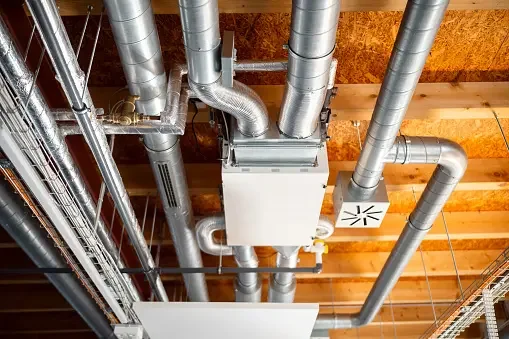
- Ductwork and Venting: We inspect existing ductwork for leaks, airflow restrictions, or damage and make any necessary modifications. The exhaust venting system is installed according to code to safely direct combustion gases outside. For high-efficiency furnaces, this often involves two PVC pipes for intake and exhaust.
- Electrical and Gas Connections: This is a crucial safety step. For gas furnaces, a new gas line (if needed) is installed or connected, with thorough leak checks performed. Electrical wiring is connected according to manufacturer specifications and local codes, ensuring proper grounding and circuit protection.
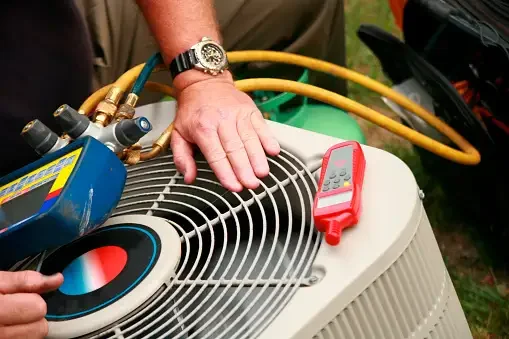
- System Testing and Calibration: Once all connections are made, we rigorously test the furnace. This includes verifying airflow, igniting burners, checking for gas leaks, calibrating the thermostat and safety controls, and ensuring the system operates safely and efficiently. We walk you through the new system's operation and answer any questions.
Why Professional Help is Crucial to install an HVAC furnace
Attempting a DIY furnace installation may seem like a way to save money upfront, but the risks and long-term consequences often outweigh the benefits. Professional installation is crucial for your safety, efficiency, and peace of mind:
- Safety Hazards: Improper installation can create serious safety hazards, including gas leaks, carbon monoxide exposure, and fire risks. Gas lines and electrical systems are dangerous to work with without proper training and certification. We prioritize Carbon monoxide safety and adhere to strict protocols.
- Electrical Risks: Incorrect electrical connections can damage your new equipment, create fire hazards, or lead to system malfunctions.
- Code Compliance: Furnace installations must comply with local building codes, such as NFPA 54 (National Fuel Gas Code). Professionals ensure your installation meets all requirements, which is essential for permits, inspections, and home resale value.
- Maximizing Efficiency: Precise installation is key to achieving the advertised energy efficiency of your furnace. Poor duct connections, incorrect airflow, or misaligned components can significantly reduce efficiency and increase energy bills.
- Protecting Warranties: Most manufacturer warranties require professional installation by a licensed technician to remain valid. DIY installations can void your warranty, leaving you responsible for costly repairs.
Our technicians are NATE-certified, ensuring they are up-to-date with industry advancements and best practices. We also employ Section 608 Certified Technicians for handling refrigerants in HVAC systems, demonstrating our commitment to expertise and environmental responsibility.
After the Installation: Costs, Warranties, and Maintenance
Once your new furnace is expertly installed, you'll immediately start to enjoy improved home comfort and lower energy bills. But the journey doesn't end there. Understanding the costs involved, the warranties that protect your investment, and the essential maintenance required will ensure long-term value and peace of mind.
Understanding the Cost to install an HVAC furnace
The total cost to install HVAC furnace can vary widely based on several factors. It's important to understand these influences when budgeting for your new system. For more information, please refer to our guide on Residential HVAC Installation Cost.
- Unit Price: The cost of the furnace itself ranges from $2,150 to $5,900 for the unit alone. High-efficiency models with advanced features will naturally cost more.
- Type of Furnace: Gas furnaces typically range from $3,800 to $12,000 or more for installation, while oil furnaces can range from $2,500 to $10,000. Electric furnaces are generally less costly to purchase.
- Labor Costs: Typical labor costs for a licensed technician can range from $50 to $100 per hour. The complexity of the installation directly impacts the labor hours needed.
- Ductwork Modifications: If your existing ductwork is old, damaged, or improperly sized for your new furnace, modifications or replacement will add to the cost.
- Venting Requirements: High-efficiency furnaces often require new PVC venting, which can add to the installation complexity and material costs.
- Home Location and Layout: The accessibility of your furnace location, the size of your home, and the climate in areas like Washington, PA or Burgettstown, PA, can all influence the overall cost.
- Additional Components: Upgrades like smart thermostats, humidifiers, or air purifiers will add to the total investment.
- Permits and Inspections: Local regulations in our service areas often require permits and inspections for furnace installations, which incur fees.
Overall, total installation costs, including the unit, can range from $2,000 to $14,200 or more. While this is a significant investment, the long-term energy savings and improved comfort often make it worthwhile.
Government Rebates and Incentives: Are there any government rebates or incentives available for furnace upgrades? Absolutely! Many federal, state, and local programs offer incentives for installing high-efficiency heating systems. These programs can significantly reduce your upfront costs. We recommend checking the ENERGY STAR website for available rebates in your area, or speaking with our team, as we stay informed about local incentives for homeowners in Pittsburgh, Steubenville, and other nearby communities.
Warranties and Essential Furnace Maintenance
Protecting your investment is key. New furnaces typically come with several warranties, and regular maintenance is crucial for their longevity and performance.
- Manufacturer Warranty: Most new furnaces come with a 10-year limited parts warranty. The heat exchanger, a core component, often has a longer warranty, sometimes even a lifetime warranty, depending on the brand and model.
- Labor Warranty: We provide a labor warranty on our installations, giving you peace of mind that our work is guaranteed. We even register all warranties for you, so you don't have to worry about the paperwork.
- Annual Tune-ups: Furnace installers and HVAC professionals strongly recommend annual maintenance for your furnace and related HVAC equipment. Regular maintenance helps to identify any problems with your furnace before they get worse, ensuring it runs safely, cleanly, and properly.
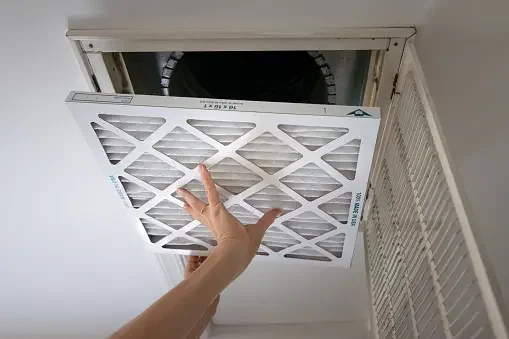
- Filter Changes: Regularly replacing your furnace filter is the simplest yet most effective maintenance task you can do. Standard 1-inch filters typically require monthly replacement, while 4-inch media filters may last three months.
We offer comprehensive HVAC Maintenance Plans designed to keep your new furnace running at peak efficiency, extend its lifespan, and ensure your home remains comfortable year-round.
Frequently Asked Questions about Furnace Installation
We often hear similar questions from homeowners considering a new furnace installation. Here are some of the most common ones, answered by our experts.
How long does it take to install a furnace?
The duration to install HVAC furnace varies depending on the complexity of the job. A simple furnace replacement, where the new unit is a direct swap for the old one, can often be completed in as little as 4 hours. However, more complicated installations, such as those requiring ductwork modifications, gas line upgrades, or extensive venting work, may take up to 10 to 15 hours. Generally, most residential furnace installations can be completed within a single day.
How long does a new furnace last?
A new furnace from a leading manufacturer can reasonably be expected to last 15 years or longer. With routine cleaning and maintenance, some furnaces might last up to 20 years, and occasionally even up to 30 years. Factors that influence longevity include the quality of the unit, the quality of the installation, how often it's used, and the consistency of its maintenance. Regular professional tune-ups and timely filter changes are key to maximizing your furnace's lifespan.
Can I install a furnace myself?
We strongly advise against attempting to install a furnace yourself. Installing a furnace requires specialized knowledge of gas lines, electrical systems, and ventilation. Improper installation can be extremely dangerous, leading to gas leaks, carbon monoxide exposure, fire hazards, or electrical shocks. Furthermore, a DIY installation will almost certainly void your manufacturer's warranty, leaving you responsible for any future repairs or replacements. It's also likely to result in code violations, which can cause issues with home inspections and insurance. For these reasons, it's always best to hire a licensed and certified HVAC professional for proper and safe installation.
Conclusion
Making the decision to install HVAC furnace is a significant investment in your home's comfort, safety, and energy efficiency. As we've explored, a new, high-efficiency furnace offers numerous benefits, from lower utility bills and consistent warmth to improved indoor air quality. Understanding the different types of furnaces, the importance of proper sizing and efficiency ratings like AFUE, and the meticulous steps involved in professional installation will empower you to make an informed choice.
Crucially, the expertise of a qualified contractor cannot be overstated. Professional installation ensures your system operates safely, efficiently, and in full compliance with all local codes, protecting your family and your investment. For homeowners in the Pittsburgh, South Hills, Burgettstown, Washington, Steubenville OH, St. Clairsville OH, and Weirton WV areas, our team at Smart Climate Solutions brings over 20 years of experience, certified technicians, and a commitment to fast, reliable service.
Don't let another cold season catch you off guard. Take the proactive step towards a warmer, safer, and more energy-efficient home.
Schedule your professional HVAC installation today with Smart Climate Solutions, your trusted local experts.

.png)
