
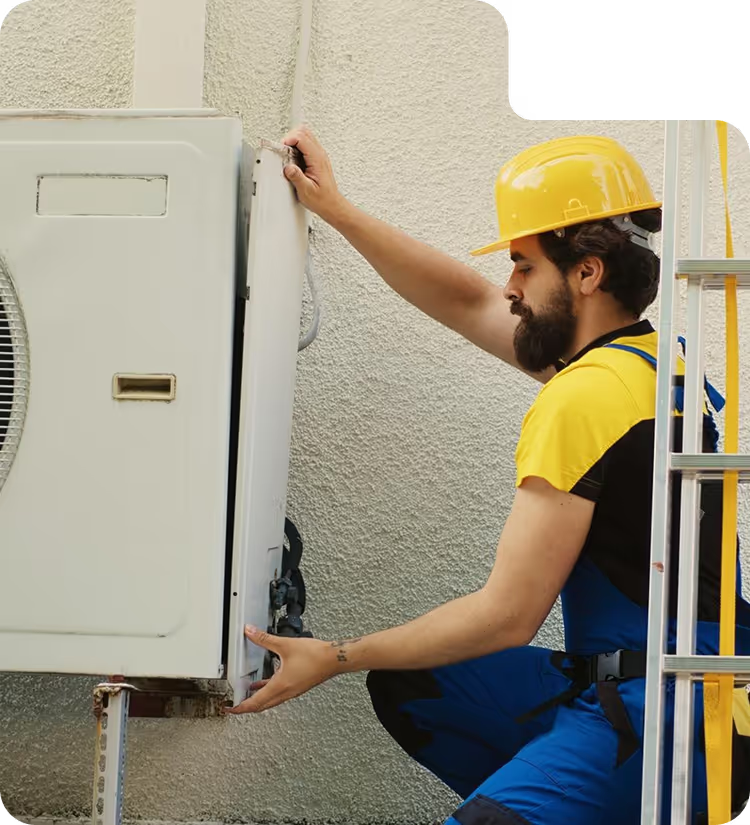
Why Winter HVAC Service Can't Wait
Winter HVAC service is essential maintenance performed before or during the cold season to ensure your heating system operates safely, efficiently, and reliably when you need it most. Here is what you need to know:
Key Steps for Winter HVAC Preparation:
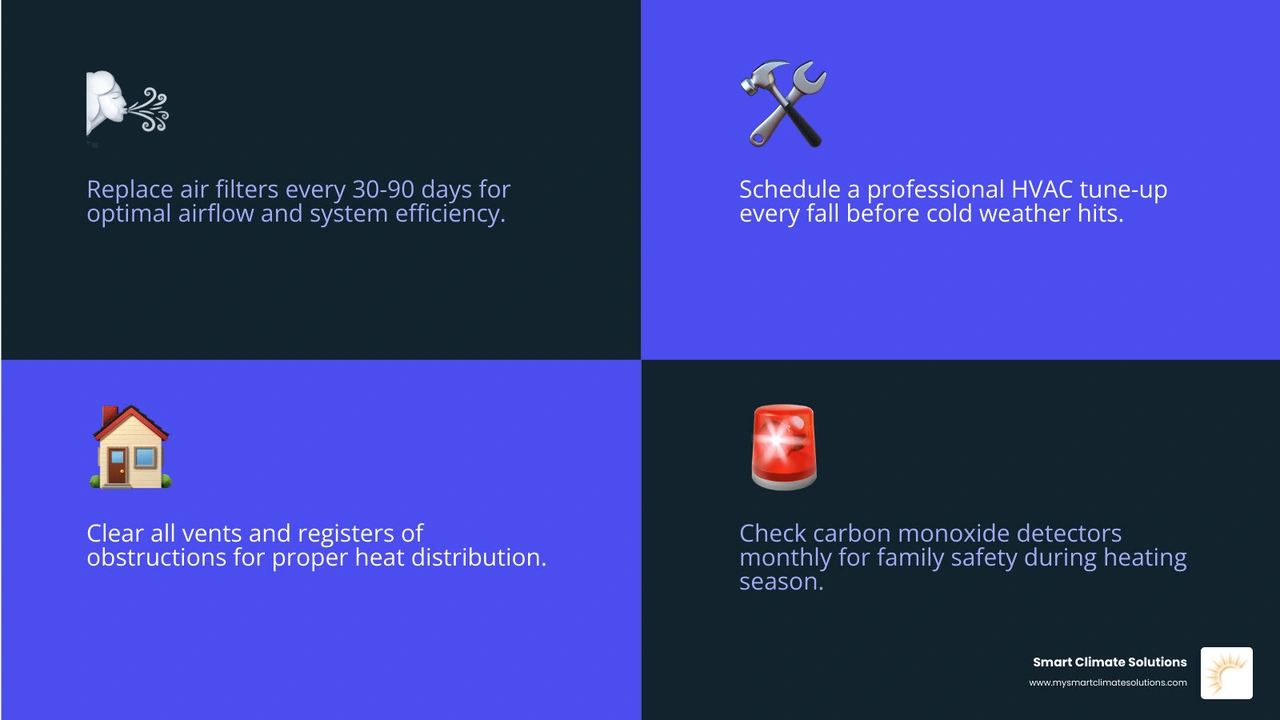
- Replace air filters every 30-90 days to maintain airflow and efficiency
- Schedule a professional tune-up in September or October before cold weather hits
- Clear all vents and registers of obstructions for proper heat distribution
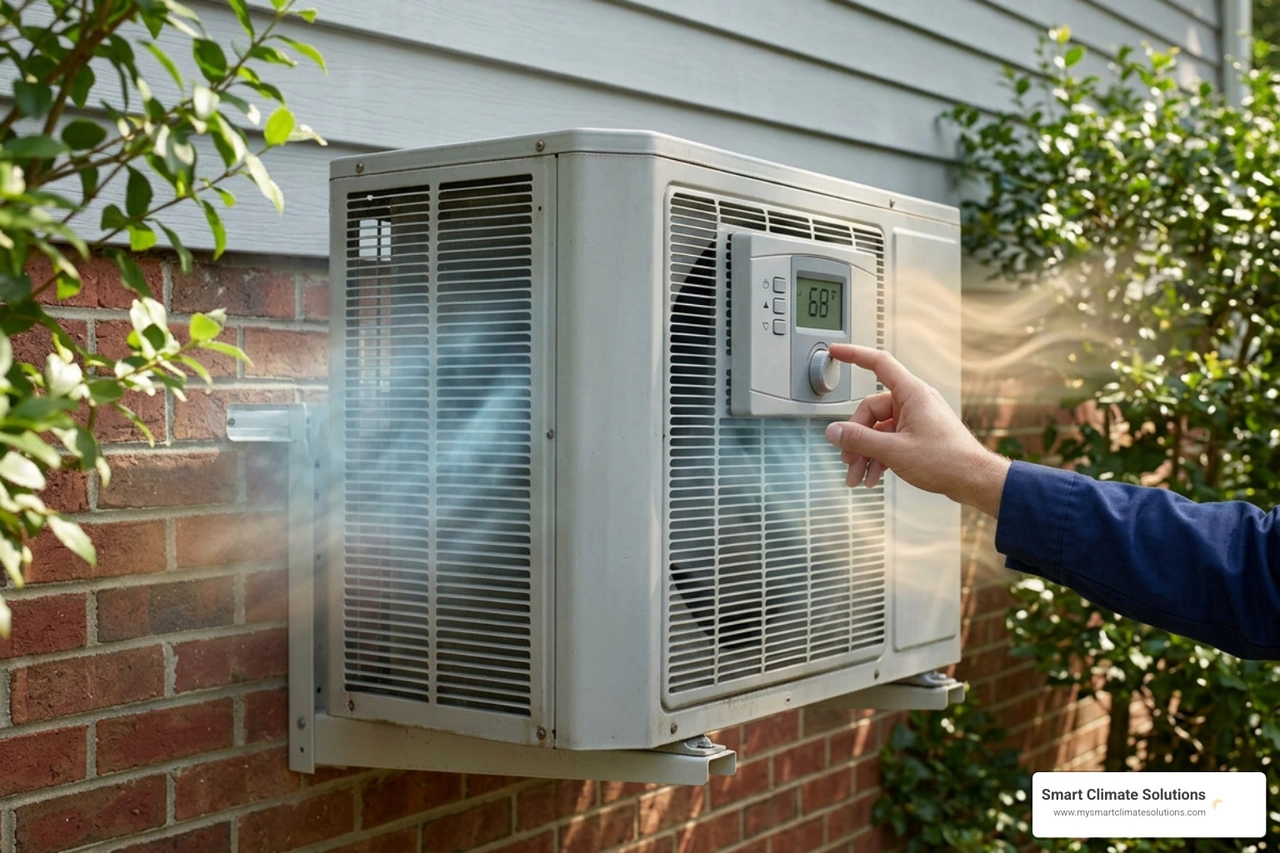
- Test your thermostat and set it to 68 F for optimal energy efficiency
- Inspect ductwork for leaks that can waste up to 15% of your heating energy
- Check carbon monoxide detectors monthly during heating season
No homeowner wants to wake up to a freezing house at 2 a.m. during a Pittsburgh cold snap. Yet more home fires happen during winter than any other season due to heating equipment issues, and the average emergency repair costs far more than preventative maintenance. The difference between a comfortable winter and a costly nightmare often comes down to one thing: proactive service.
Proper maintenance can cut your heating costs by 5 to 40 percent while extending your system's lifespan. More importantly, it protects your family from dangerous carbon monoxide leaks and helps prevent that dreaded middle-of-the-night furnace failure.
Pittsburgh winters are unforgiving. When temperatures drop below freezing for weeks at a time, your heating system becomes one of the most critical pieces of equipment in your home. A well-maintained furnace does not just keep you warm; it keeps your family safe, your energy bills manageable, and your stress levels low.
I am Bill Scott, general manager of Smart Climate Solutions, and I have spent over 16 years helping Pittsburgh homeowners prepare their heating systems for winter. Winter HVAC service is not just about preventing breakdowns; it is about ensuring your family's comfort and safety when it matters most.
Common winter HVAC service vocab:
Why Pre-Winter HVAC Maintenance Matters
The first cold snap is not the time to find your furnace is failing. Proactive maintenance is an investment in your comfort, safety, and wallet. With Pittsburgh winters being notoriously harsh, ensuring your system is at peak performance is essential.

When we talk about winter HVAC service, we are not just discussing a luxury; it is a necessity, especially in the Pittsburgh area. Here is why regular HVAC maintenance is crucial before the winter season hits Pittsburgh, South Hills, Burgettstown, Washington PA, Steubenville OH, St. Clairsville OH, and Weirton WV:
- System Longevity: Think of your HVAC system like your car. Regular oil changes and tune-ups keep it running longer. The same applies to your furnace. According to Building Efficiency Initiative research, proper maintenance can prolong your system's life and cut heating costs by 5 to 40 percent. This means fewer costly replacements and more years of reliable warmth.
- Increased Efficiency: An efficiently running system uses less energy to produce the same amount of heat. This directly translates to lower utility bills. A well-maintained furnace does not have to work as hard, saving you money all winter long.
- Safety Risks: This is perhaps the most critical reason. Heating equipment is a leading cause of home fires. During winter, furnaces that have not been properly inspected can pose significant risks.
- Home Fire Prevention: A professional can identify and address potential fire hazards, helping to ensure your heating system operates safely.
- Carbon Monoxide: A cracked heat exchanger or a poor gas connection can lead to dangerous carbon monoxide leaks. This odorless, colorless gas is a serious hazard. Regular inspections can detect these issues before they become life threatening.
- Cost Savings: Avoiding emergency repairs is a major benefit. A sudden breakdown in the middle of winter can leave you scrambling for a technician, often at premium emergency rates. Proactive maintenance catches small problems before they escalate into expensive emergencies. For more on handling sudden heating issues, see our Emergency Furnace Repair Complete Guide.
- Peace of Mind: Knowing your heating system is ready for whatever winter brings to Western Pennsylvania and the Ohio Valley allows you to relax and enjoy the season without worrying about breakdowns.
Your DIY Winter HVAC Preparation Checklist
Before the deep freeze sets in, there are several simple yet effective tasks you can perform to prepare your system. These steps can improve performance, lower energy costs, and help you spot potential issues early.

While professional winter HVAC service is essential, there are several DIY tasks you can tackle to keep your system running smoothly. These simple checks can make a big difference in comfort and efficiency, especially during a Pittsburgh winter.
The Critical Role of Clean Air Filters
A dirty air filter is one of the most common causes of heating problems. It restricts airflow, forcing your system to work harder, which increases energy bills and can lead to overheating and system failure.
- Airflow Restriction: A clogged filter acts like a dam, blocking the path of air into your furnace. This means your system has to exert more effort to pull air through, reducing efficiency.
- System Strain: When your furnace struggles for air, its components, especially the blower motor, are under increased stress. This can lead to premature wear and tear, and even overheating.
- Energy Consumption: Reduced airflow can decrease your system's efficiency by up to 15 percent, according to Energy Star. This means higher energy bills for you.
- How to Change Filter: Most filters slide out easily from a slot near the furnace or air handler. Make sure to note the size and arrow indicating airflow direction for your replacement.
- Replacement Frequency: It is best to check your air filter monthly and replace it every 1 to 3 months, especially during peak heating season. If you have pets or allergies, you might need to change it more frequently (every 30-90 days is a good rule of thumb). A clean filter helps ensure better air quality and system performance.
- DIY Tip: Before the heating season begins, give your furnace's blower compartment a quick visual check for excessive dust and debris.
Thermostat Calibration and Settings
Your thermostat is the brain of your heating system. An inaccurate or poorly programmed thermostat can lead to discomfort and wasted energy.
- Check Accuracy: If you suspect your thermostat is not reading correctly, you can compare its reading to an independent thermometer in the same room. A professional can calibrate it for precision.
- Programmable Thermostats: These allow you to set different temperatures for different times of the day, ensuring you are only heating your home when you need to.
- Smart Thermostats: These can learn your habits, be controlled remotely via your phone, and provide detailed energy usage reports. They can improve energy efficiency, saving between 10% and 12% on home heating costs.
- Recommended Winter Temperature: For optimal energy efficiency when you are home, the most efficient winter setting for your thermostat is 68 degrees Fahrenheit.
- Away Settings: When you are away or sleeping, manually lowering the temperature to 60-65 degrees Fahrenheit can save you money without sacrificing comfort.
Ensuring Proper Airflow from Vents
Even the most efficient furnace is useless if the warm air cannot circulate. Blocked vents can create cold spots and put unnecessary strain on your HVAC system.
- Clear Obstructions: Walk through your home and ensure all supply and return air vents are free from furniture, rugs, curtains, or anything else that might block airflow.
- Furniture Placement: Be mindful of how you arrange your furniture. Blocking even a few vents can significantly impact your system's performance.
- Open All Vents: It might seem logical to close vents in unused rooms to save energy, but this can create pressure imbalances and strain your system. It is usually better to keep all vents open for proper air circulation. If you have a zoning system, close off zones you are not using. Energy Star advises against closing more than 20% of your home's vents.
- Check Registers: Gently clean the registers and grilles to remove any accumulated dust or debris. This helps maintain good indoor air quality and prevents dust from being blown into your home when the heat turns on.
Professional Winter HVAC Service: When To Call The Experts
While DIY tasks are important, they cannot replace a comprehensive inspection by a certified technician. A professional tune-up addresses the complex components of your system, ensuring it runs safely and efficiently.
For homeowners in Pittsburgh, South Hills, Burgettstown, Washington PA, Steubenville OH, St. Clairsville OH, and Weirton WV, scheduling a professional winter HVAC service is a key step to prepare for the harsh winter. Our certified technicians have the expertise and tools to go beyond surface level checks.
Key Components of a Professional Winter HVAC Service
A professional tune-up is a thorough health check for your heating system. Technicians have the tools and expertise to inspect, clean, and adjust critical parts that are often inaccessible or unsafe for homeowners to handle.
During a professional furnace tune-up, our Smart Climate Solutions technicians will perform a detailed inspection, which typically includes:
- Inspect Heat Exchanger: We carefully check for any cracks or corrosion. A cracked heat exchanger is extremely dangerous as it can leak carbon monoxide into your home.
- Check Burner and Flame Sensor: We ensure the burners are clean and operating correctly, and that the flame sensor is detecting the flame properly to help prevent gas leaks.
- Test Safety Controls: All safety mechanisms are tested to ensure they are functioning as intended, protecting your home from overheating or other malfunctions.
- Clean Blower Components: A clean blower motor and fan are essential for efficient air circulation.
- Lubricate Moving Parts: Proper lubrication reduces friction, wear and tear, and energy consumption.
- Check Electrical Connections: We tighten electrical connections and measure voltage and current on motors to reduce fire risk and support reliable operation.
- Inspect Flue System: The flue pipes safely vent combustion byproducts outside. We check for damage, cracks, or blockages that could cause carbon monoxide to leak indoors.
- Check Gas or Oil Connections and Pressure: For gas furnaces, we inspect connections for leaks and verify correct gas pressure for efficient and safe combustion.
- Test Thermostat Controls: We ensure your thermostat is communicating effectively with your furnace and accurately controlling temperatures.
- Inspect Condensate Drain: We check for clogs in the condensate drain and pan to help prevent potential water damage and mold growth.
This comprehensive inspection helps ensure your system is ready to heat your home safely and efficiently.
Warning Signs That Demand a Professional
Some symptoms indicate a serious problem that requires immediate attention. Ignoring these signs can lead to a complete system breakdown or a dangerous situation like a carbon monoxide leak. If you notice any of these, it is time to call for service.
- Unusual Noises: Banging, grinding, rattling, screeching, or scraping sounds coming from your furnace are red flags. These often indicate loose components, a failing motor, or other mechanical issues.
- Strange Smells:
- Burning Smell: Could be dust burning off the heat exchanger at the start of the season, or something more serious like overheating electrical components.
- Musty Smell: Often points to mold or mildew in the ductwork or condensate pan.
- Gas Smell: If you smell gas, immediately turn off your furnace, open windows, and call for help. This is an emergency.
- HVAC Blowing Cool Air Not Heat: If your furnace is running but only cold or lukewarm air is coming out, there could be an issue with the ignitor, pilot light, or even a problem with the gas supply.
- Frequent Cycling: Your furnace turning on and off too frequently (short cycling) is inefficient and can indicate an underlying problem, such as a clogged filter, an improperly sized system, or a thermostat issue.
- Yellow Pilot Light: A healthy pilot light should be a strong, steady blue flame. A yellow or flickering pilot light suggests incomplete combustion, which can produce carbon monoxide.
- Heating System Not Working: If your furnace will not turn on or stops working altogether, it is time for a professional diagnosis.
Maximizing Home Efficiency This Winter
A well serviced HVAC system is only part of the equation. To get the most comfort and the lowest bills, you need to look at your home as a whole system.
Beyond just your furnace, other elements of your home play a crucial role in how well your heating system performs. Addressing these can lead to significant savings and improved comfort across Pittsburgh, South Hills, Burgettstown, Washington PA, Steubenville OH, St. Clairsville OH, and Weirton WV.
The Impact of Ductwork and Insulation
Your ducts deliver warm air, and your insulation keeps it inside. Leaks in either can lead to significant energy loss, forcing your furnace to run constantly.
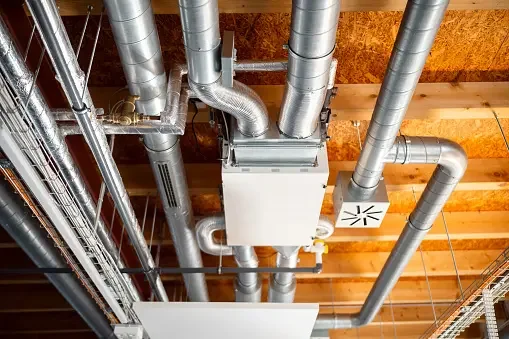
- Ductwork Inspection: Visually inspect your ductwork in accessible areas (like basements, attics, and crawl spaces) for tears, loose connections, or gaps. These leaks can waste a surprising amount of heated air.
- Sealing Leaks: Even small gaps can lead to substantial heat loss. The EPA notes that sealing small gaps in windows and doors can save about 15% on heating and cooling costs. The same idea applies to ductwork. Use mastic sealant or specialized foil tape (not standard duct tape, which degrades over time) to seal any leaks you find.
- Attic Insulation: Adequate attic insulation is a game changer. It helps prevent warm air from escaping your home and cold air from seeping in, which reduces energy costs and the strain on your HVAC system.
- Preventing Heat Loss: Proper insulation and sealed ductwork create a thermal envelope around your home, keeping warm air where it belongs. This allows your furnace to work less, saving you money and helping extend its lifespan.
Improving Your Home's Indoor Air Quality
Winter often means spending more time indoors with the windows closed. This can trap allergens and lead to uncomfortably dry air.
- Dry Air Issues: During winter, cold outside air holds less moisture, and when it enters your home and is heated, it becomes even drier. This dry air contributes to a dry, scratchy nose and throat and can even increase your risk of getting sick.
- Humidifiers: To combat dry winter air, consider using portable humidifiers in individual rooms or investing in a whole home humidifier integrated with your HVAC system. Maintaining optimal humidity levels (typically 30-50%) can make your home feel warmer and more comfortable.
- Carbon Monoxide Detectors: This is a crucial safety measure, especially in winter when furnaces are running constantly. Ensure you have working carbon monoxide detectors on every level of your home, and test them monthly.
- Dust and Allergens: With windows closed, indoor air quality can suffer. Dust, pet dander, and other allergens become trapped, affecting many people with sensitivities. Regularly dusting, vacuuming with a HEPA filter, and changing your air filter frequently can help.
Frequently Asked Questions About Winter Heating
Here are answers to some of the most common questions we hear from homeowners in and around Pittsburgh about preparing for the cold season.
How often should my HVAC system be serviced?
For optimal performance and longevity, your entire HVAC system should be professionally serviced twice a year. We recommend scheduling a heating system tune-up in the fall (ideally September or October) and an air conditioning tune-up in the spring. This proactive approach helps catch issues before they become major problems, supports efficient operation year round, and ensures your system is ready for those intense Pittsburgh winters and humid summers.
What are the most common winter HVAC problems?
Common issues we encounter during winter include a furnace that will not turn on, a system blowing cool air instead of heat, and frequent cycling (turning on and off too often). These problems are often caused by relatively simple issues like a dirty air filter, a malfunctioning thermostat, or a problem with the ignitor or pilot light. However, they can also point to more serious underlying issues. If basic troubleshooting does not resolve the problem, it is time to call a professional.
Is an HVAC maintenance plan worth the cost?
In most cases, yes. An HVAC maintenance plan typically costs significantly less than a single emergency repair visit. It provides peace of mind, knowing that your system is regularly inspected and optimized. Regular maintenance helps your system run efficiently, which directly saves you money on utility bills. It also supports longer equipment life by preventing minor issues from becoming major, costly repairs. Many plans also include priority service, so you get faster response times if an issue arises.
Stay Warm And Worry Free This Winter
Preparing your heating system for a Pittsburgh winter is one of the smartest things you can do as a homeowner. A combination of simple DIY tasks and a professional tune-up helps ensure your family's comfort, protects your budget from unexpected costs, and supports a safe home environment. Do not wait for the first snowfall to think about your furnace.
The benefits of proactive winter HVAC service are clear: improved safety for your family, better energy efficiency leading to lower utility bills, and consistent comfort throughout the coldest months. Our expert team at Smart Climate Solutions is dedicated to providing fast, reliable service with certified technicians, 24/7 emergency support, and over 20 years of experience keeping customers comfortable across Pittsburgh, South Hills, Burgettstown, Washington PA, Steubenville OH, St. Clairsville OH, and Weirton WV.
Make this winter a season of warmth and peace of mind. For expert HVAC service and repair in the Pittsburgh area, contact us today. We are here to help you stay comfortable all winter long.

.png)
