
What You Need to Know About AC Unit HVAC Systems
An ac unit hvac system is one of the most important and expensive pieces of equipment in your home. Here is a quick breakdown of what these terms mean and what matters most:
| Term | What It Means |
|---|---|
| HVAC | The full system -- heating, ventilation, and air conditioning combined |
| AC unit | The cooling-only part of that system |
| SEER2 | The efficiency rating (higher = lower energy bills) |
| Tonnage | The cooling capacity (sized to your home's square footage) |
| Refrigerant | The fluid that makes cooling possible (new rules took effect in 2025) |
Most homeowners do not think about their cooling system until something goes wrong -- a breakdown on the hottest day of the year, a sky-high electric bill, or a system that just never seems to keep the house comfortable. Sound familiar?
The good news: understanding a few key concepts puts you in control. You will know what to ask a contractor, what to look for in a new system, and how to avoid paying more than you should.
I am Bill Scott, general manager of Smart Climate Solutions and an HVAC professional with over 20 years of experience installing and servicing ac unit hvac systems across Pittsburgh, PA and Southwestern Pennsylvania. In this guide, I will walk you through everything you need to make a smart, confident decision about your home's cooling.
Relevant articles related to ac unit hvac:
What is the Difference Between an HVAC System and an AC Unit?
One of the most common areas of confusion for homeowners is the difference between their HVAC system and their air conditioning unit. In fact, many builders and technicians use these terms interchangeably, which only adds to the confusion.
Let us clear the air. HVAC stands for Heating, Ventilation, and Air Conditioning. It is the complete, overarching climate control infrastructure of your home. An HVAC system is designed to manage heating in the winter, cooling in the summer, and the continuous movement and filtration of fresh air year-round. It is a team effort made up of several key players: a heating source (like a gas furnace or heat pump), a cooling component, ventilation fans, air filters, and the network of ductwork running through your walls and ceilings.
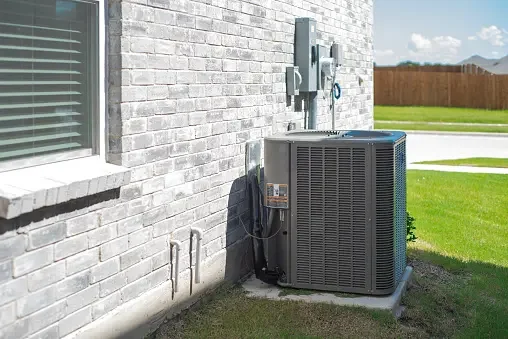
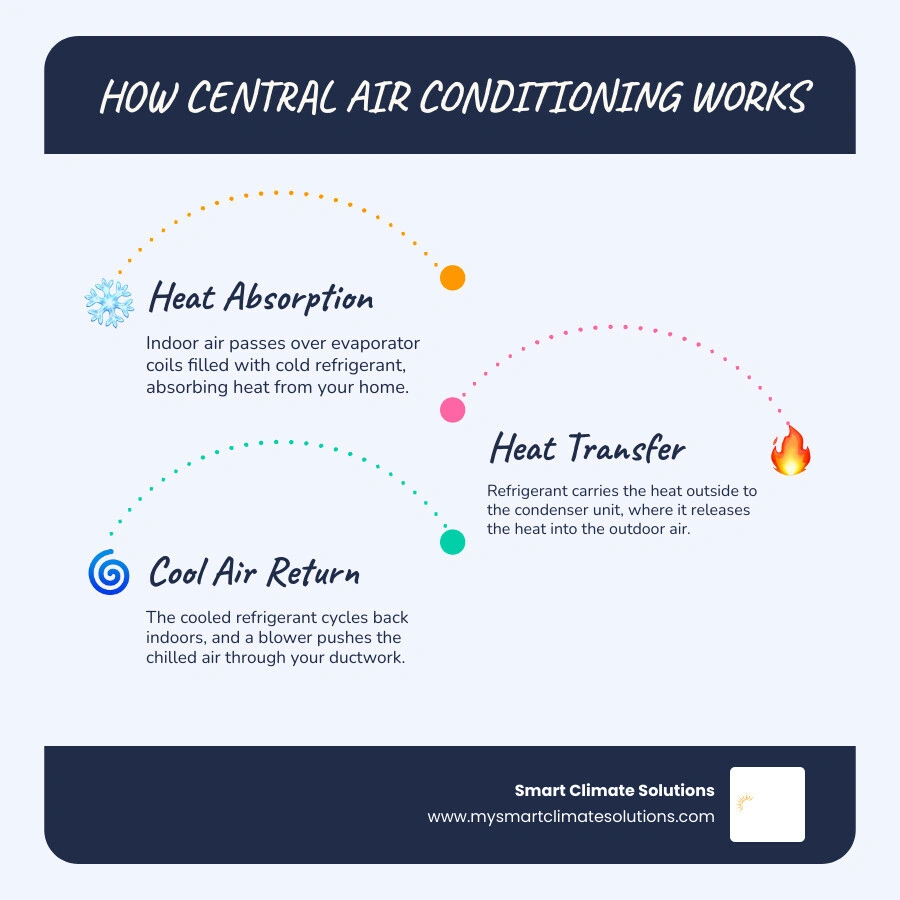
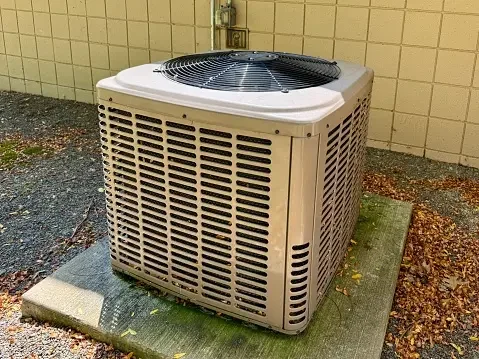
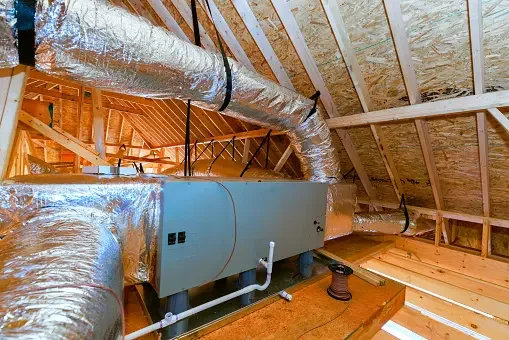
An AC unit, on the other hand, is just one single player on that team. Its sole job is to cool your indoor space and remove humidity. When you look at a standard split-system central air conditioner, the AC unit is typically represented by the large metal box sitting outside on a concrete pad (the condenser) paired with an evaporator coil resting inside on top of your furnace.
While all complete HVAC systems include air conditioning (if configured for cooling), not all air conditioning units are complete HVAC systems. For a closer look at how these systems are structured, you can read our comprehensive Air Conditioning Systems Guide 2025.
To make this even simpler, here is a quick comparison:
| Feature | HVAC System | Standalone AC Unit |
|---|---|---|
| Primary Scope | Heats, cools, filters, and circulates air | Cools indoor air and lowers humidity levels |
| Components Included | Furnace, AC condenser, evaporator coil, ducts, vents, thermostat | Compressor, condenser coil, evaporator coil, refrigerant lines |
| Year-Round Utility | Active in all seasons (heating in winter, cooling in summer) | Active only during warm weather months |
| Air Quality Control | Manages ventilation, filtration, and whole-home humidity | Indirectly reduces humidity during active cooling cycles |
Key Factors to Consider When Choosing an AC Unit HVAC System
Replacing or upgrading your cooling system is a major financial decision. If you want to get it right, you cannot just buy the first unit you see online or accept a generic quote without understanding what you are paying for. To find out more about what goes into these investments, check out our breakdown on How Much Does a Central Air Conditioner Unit Cost.
When shopping for a new ac unit hvac setup, you must balance four critical factors: sizing, efficiency, noise, and long-term reliability. Let us break down how to look at each one through the lens of manufacturer technical specifications and equipment manuals.
Sizing Your AC Unit HVAC System Correctly
When it comes to air conditioning, bigger is definitely not better. An oversized air conditioner will cool your home too quickly and shut off. This is called short-cycling. Because it runs in short, intense bursts, it never stays on long enough to pull moisture out of the air, leaving you with a home that feels cold and clammy. On the flip side, an undersized unit will run constantly, struggling to reach your target temperature, which wears out the compressor prematurely and sends your electric bills through the roof.
Cooling capacity is measured in British Thermal Units (BTUs) or tons. One ton of cooling capacity equals 12,000 BTUs per hour.
To determine the exact size your home needs, a professional contractor must perform a load calculation using the Air Conditioning Contractors of America (ACCA) Manual J standard. This calculation takes into account:
- The total square footage of your home
- Local climate conditions in areas like Pittsburgh, PA or Steubenville, OH
- The direction your home faces and the number of windows you have
- Insulation levels in your walls and attic
- The tightness of your home's construction
Additionally, your ductwork must be evaluated using ACCA Manual D. Did you know that undersized or poorly sealed ductwork can waste 20 to 30 percent of the energy used to run your system? If your ducts cannot handle the volume of air your new AC unit puts out, the system will choke, reducing airflow and potentially freezing up the indoor coil.
Understanding Efficiency and Noise Ratings
Once you know the right size, you need to choose an efficiency level. Air conditioner efficiency is measured by the Seasonal Energy Efficiency Ratio 2 (SEER2). This rating represents the cooling output of the system divided by the total electric energy input during a typical cooling season.
The minimum SEER2 allowed for a new split-system central air conditioner in our region today is 14. This is at least 20 percent more efficient than the minimum-efficiency models built just 10 years ago. High-efficiency models can reach ratings of 26 SEER2 or higher, which can save you hundreds of dollars in utility costs over the lifespan of the system.
Noise is another major factor, especially if the outdoor unit is located near a bedroom window, patio, or deck. Sound levels are measured in decibels (dBA). A standard, budget-friendly AC unit might run at around 73 to 78 dBA, which sounds like a loud vacuum cleaner. Premium units featuring advanced sound-blanketing technology and variable-speed fans, such as the Lennox SL25KCV, operate at an incredibly quiet 58 dBA. That is quieter than a normal indoor conversation!
Modern Technologies in an AC Unit HVAC Setup
The days of the simple, single-stage air conditioner that operates like a light switch (either 100 percent on or 100 percent off) are quickly coming to an end. Modern engineering has introduced smart technologies that keep your home at an incredibly consistent temperature while slashing your energy usage.
Inverter Technology and Two-Stage Compressors
At the heart of any air conditioner is the compressor. Traditional single-stage compressors run at full blast whenever they are on. If your home only needs a tiny bit of cooling on a mild 75-degree day, a single-stage system still uses 100 percent of its power, cycling on and off repeatedly.
Modern high-efficiency systems solve this problem in two ways:
- Two-Stage Compressors: These units can operate at two different speeds. They typically run at a low, energy-saving capacity (around 67 percent of full load) for about 80 percent of the time. When the outdoor temperature spikes, the system automatically ramps up to 100 percent capacity. This staging happens on the fly without shutting the motor off, as detailed in the 16ACX product specifications.
- Variable-Speed Inverter Technology: This is the gold standard of comfort. Inverter systems convert incoming AC power to DC, allowing the compressor to continuously adjust its speed in tiny increments. If your home only needs 35 percent cooling capacity to maintain its temperature, an inverter system will run continuously at exactly 35 percent. This eliminates short-cycling entirely, keeps your indoor temperature within a fraction of a degree of your thermostat setting, and provides unmatched dehumidification.
For example, high-performance inverter systems like the ML17KC2 model deliver exceptional cooling precision and efficiency by adjusting to real-time demands.
Smart Thermostats and System Integration
An advanced ac unit hvac system is only as smart as the control system running it. Upgrading to a smart thermostat (like an ecobee or iComfort model) allows your cooling system to adapt dynamically to your daily habits and local weather conditions.
Setting your smart or programmable thermostat to adjust the temperature when you are away from home can reduce your cooling costs by about 10 percent. As a general rule of thumb, you save roughly 3 percent on your utility bill for every single degree you raise the thermostat setting during the summer.
By integrating remote room sensors, smart thermostats can detect which rooms are occupied and adjust system output to eliminate hot and cold spots, rather than relying on a single temperature reading from a hallway.
Ducted Central Air vs. Ductless Mini-Split Systems
When planning a cooling upgrade for your home in the Pittsburgh or South Hills area, you will eventually face a choice: do you stick with a traditional ducted central air system, or do you transition to a ductless mini-split setup?
A traditional ducted system uses a single, central air handler to push cooled air through a network of sheet metal or flexible ducts. This is the most common setup for homes that already have a central furnace. It is discrete, hides all the mechanical components in the basement or attic, and cools the entire house uniformly.
However, if your home has an older addition, a finished attic, or relies on a boiler for hot water heat, installing ductwork can be incredibly expensive and disruptive. That is where ductless mini-splits shine.
Ductless systems use small, individual indoor air handlers mounted on the wall or ceiling, connected to an outdoor compressor by a thin conduit containing refrigerant and electrical lines. This design offers several advantages:
- Zoning: You can control the temperature of each room individually. If you are not using the guest bedroom, you can turn off the cooling in that zone to save money.
- Easy Installation: There are no ducts to run, meaning no drywall to tear out.
- High Efficiency: Because there are no ducts to leak air, you avoid the 20 to 30 percent energy loss common in traditional ducted systems.
For homes requiring versatile, high-efficiency options, modern multi-positional split systems provide a fantastic middle ground. Units like the ACIQ 2.5 Ton 17 SEER2 Split System or the slightly smaller ACIQ 2 Ton 17 SEER2 Split System offer the flexibility of a traditional central system combined with advanced inverter technology.
The 2025 Refrigerant Transition: What Homeowners Need to Know
If you are planning to buy a new ac unit hvac system, you need to know about the major environmental regulations that took effect in 2025.
For decades, residential air conditioners relied on a refrigerant called R-410A (often known by the brand name Puron). While R-410A does not harm the ozone layer, it is a potent greenhouse gas with a high Global Warming Potential (GWP). To combat climate change, the Environmental Protection Agency (EPA) mandated a phase-out of R-410A, requiring manufacturers to transition to next-generation, low-GWP alternatives like R-454B and R-32.
Here is what this means for you as a homeowner:
- Safety and Flammability: The new refrigerants are classified as A2L, meaning they have very low toxicity and are mildly flammable. To comply with safety standards, new indoor units are equipped with a Refrigerant Detection System (RDS). If a leak is ever detected, the RDS automatically shuts down the compressor and runs the indoor blower to safely disperse the gas.
- No Direct Retrofits: You cannot put the new refrigerants into an old R-410A system. If you need to replace your outdoor unit, you will likely need to replace the indoor evaporator coil as well to ensure compatibility.
- Future-Proofing: Buying a system designed for the new refrigerants ensures that servicing and parts will be readily available and affordable for the next 15 to 20 years.
If you are looking for a system that is fully compliant with these new standards, options like the ACIQ 1.5 Ton 18.5 SEER2 Split System or the larger ACIQ 3 Ton 17 SEER2 Split System are built from the ground up to utilize eco-friendly R-454B refrigerant.
Installation and Maintenance: Keeping Your System Running Strong
Even the most expensive, high-tech air conditioner will perform poorly if it is installed incorrectly. In fact, studies show that about 19 percent of central AC systems purchased between 2009 and 2024 encountered at least one major problem, and 24 percent of those units stopped working altogether or failed to cool properly. The primary culprit? Poor installation and lack of regular maintenance.
To protect your investment, always hire a licensed, insured, and certified HVAC professional. When evaluating installation quotes, look for contractors who perform a full Manual J load calculation, pull necessary local permits, and offer a clear labor warranty. For example, high-quality systems like the ACiQ 2.5-ton split system offer a 12-year compressor warranty and a 7-year parts warranty, but these extended coverages require online registration within 60 days of installation.
Once your system is up and running, simple DIY maintenance and professional checkups will keep it running at peak efficiency:
- Clean the Filters: Check your return air filters monthly and replace them every 30 to 90 days. A clogged filter restricts airflow, which forces your system to work harder and can cause the indoor coil to freeze.
- Maintain Clearance: Keep the outdoor condenser clear of leaves, weeds, grass clippings, and debris. Maintain at least 2 to 3 feet of clear space around the sides of the unit and 5 feet of clearance above it.
- Schedule Annual Service: Sign up for a professional AC Maintenance Plan to have a technician clean the coils, flush the condensate drain line, check refrigerant pressures, and inspect electrical components before the summer heat hits.
If you are in our service area and run into trouble, you can easily schedule professional AC Repair Pittsburgh or find trusted Central AC Installation Near Me to get your home back to a comfortable temperature. If your system is running but not blowing cold air, consult our AC Not Cooling Properly Complete Guide for quick troubleshooting steps.
Frequently Asked Questions About AC Unit HVAC Systems
What is the average lifespan of a modern AC unit HVAC system?
With proper installation and regular maintenance, a modern central air conditioning system typically lasts between 15 and 20 years. Units located in harsh climates or those that are neglected may need replacement closer to the 10-year mark. To maximize your system's lifespan, make sure to register your product with the manufacturer within 60 days of installation to secure the maximum parts and compressor warranty coverage.
How much can I save by upgrading to a high-efficiency system?
Upgrading from an old, inefficient 10 SEER system to a modern 16 or 17 SEER2 system can reduce your cooling energy usage by 30 to 50 percent. This can translate to hundreds of dollars in savings on your electric bills each summer. Additionally, high-efficiency systems often qualify for federal energy tax credits (under the Inflation Reduction Act) and local utility rebates, which helps offset the initial purchase price.
Why is my AC unit HVAC system not cooling my home evenly?
Uneven cooling is usually caused by restricted airflow, leaky or unbalanced ductwork, or poor system sizing. If your upstairs rooms are much warmer than your downstairs living spaces, it could be due to heat rising naturally, but it is often exacerbated by undersized return ducts or unbalanced supply dampers. Using a smart thermostat with remote sensors or upgrading to a zoned ductless system can resolve these temperature imbalances.
Conclusion
Navigating home cooling does not have to be an overwhelming chore filled with confusing technical jargon. By understanding the basics of system sizing, efficiency ratings, and the latest eco-friendly technologies, you can make an informed decision that keeps your family comfortable and saves you money for years to come.
Whether you need a quick repair, a seasonal tune-up, or a complete system replacement, we are here to help. At Smart Climate Solutions, we have over 20 years of experience delivering fast, reliable, and expert HVAC services to homeowners throughout:
- Pittsburgh, PA
- South Hills, PA
- Burgettstown, PA
- Washington, PA
- Steubenville, OH
- St. Clairsville, OH
- Weirton, WV
Ready to experience true home comfort? Contact us today to explore our full range of certified Smart Climate Solutions Services and schedule your consultation!


.png)
