
Why Homeowners Are Turning to Dual-Fuel Heating Solutions

A wood oil combo furnace is a dual-fuel heating system that burns both wood and oil, allowing you to switch between fuel sources automatically or manually. Here's what you need to know:
- How it works: Wood serves as the primary heat source, while oil (or electric) automatically kicks in when the wood fire burns down or you're away from home.
- Key benefit: Significant savings on heating oil costs by using wood when you're available to tend the fire.
- Main consideration: Requires substantial space (3-6 feet clearance), daily maintenance, and a higher upfront investment ($3,000-$8,000+ for the unit).
- Best for: Homeowners with access to affordable firewood, time for daily loading and cleaning, and a desire for energy independence.
With rising heating oil prices and harsh Pittsburgh winters, more homeowners are exploring alternatives to single-fuel furnaces. Wood oil combo furnaces offer an appealing solution: burn wood when you're home to save money, then let the system automatically switch to oil to keep your family comfortable while you're at work or away.
These dual-fuel systems aren't new technology, but they have evolved significantly. Modern combination furnaces feature separate combustion chambers for wood and oil, advanced efficiency ratings up to 88.6%, and emissions as low as 3.4 grams per hour. They can heat homes ranging from 1,400 to 3,000 square feet depending on the model and your home's insulation quality.
The appeal is clear: flexibility, cost savings, and reduced dependence on fossil fuels. However, these systems demand more from homeowners than a standard furnace. You need space for the larger unit, storage for both fuels, and a commitment to daily maintenance like ash removal and fire tending.
For Pittsburgh-area homeowners looking to upgrade or reduce heating bills, understanding these systems is the first step. Whether a wood oil combo furnace makes sense for your home depends on your lifestyle, available space, fuel access, and willingness to manage a more hands-on heating system.
I'm Bill Scott, general manager of Smart Climate Solutions, and over my 20 years in the HVAC industry, I've helped hundreds of Pittsburgh homeowners evaluate whether a wood oil combo furnace fits their heating needs and lifestyle. Let me walk you through what you need to know to make an informed decision.
How a Wood-Oil Combination Furnace Works
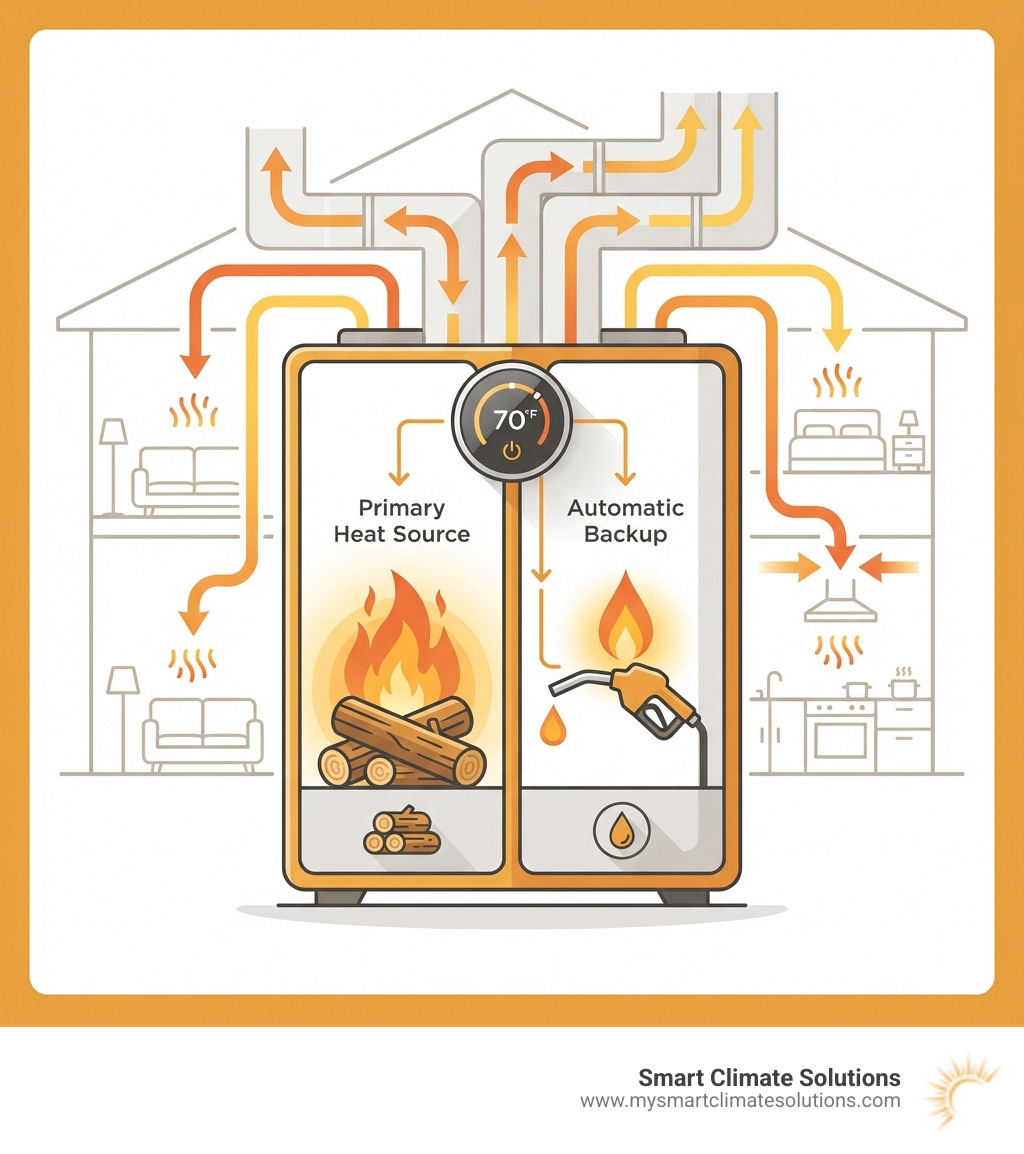
A wood oil combo furnace is essentially two heating systems in one, designed to work in tandem to provide consistent warmth. Its core principle is dual-fuel capability, offering flexibility to choose your primary heat source while ensuring a reliable backup.

At its heart, a combination furnace operates with separate combustion chambers for wood and oil. This design allows each fuel to burn optimally without compromising the efficiency of the other. When you choose to burn wood, logs are loaded into the dedicated wood firebox. As the wood burns, it heats air or water, which is then distributed through your existing ductwork or hydronic system. Many modern units feature separate oil and wood firebox chambers, ensuring efficient burning for both.
The clever part is the automatic switching. You set your desired temperature on a thermostat. While the wood fire is burning, it provides heat. However, if the wood burns down or the heat output drops below the set temperature, the furnace's controls detect this. The oil burner automatically kicks in to maintain your home's comfort. This ensures continuous warmth even if you're not there to tend the fire.
Forced-air distribution is common, where a powerful fan pushes the heated air through a network of ducts to warm every room. This is similar to how a traditional oil furnace operates. Additionally, many combination furnaces offer gravity heat during power outages. When installed correctly, the wood-burning component of some models can provide heat without electricity through natural convection, a crucial benefit during severe Pittsburgh winter storms.
Types of Combination Furnaces
The market offers a variety of wood oil combo furnace configurations to suit different needs:
- Packaged Units: These single, integrated units house both wood and oil components in one casing for seamless operation and a more compact footprint.
- Add-on Units: If you have a good oil furnace, an add-on wood furnace can connect to your existing system, letting you use wood as a primary heat source with your oil furnace as backup.
- Indoor Furnaces: Most combo furnaces are designed for indoor installation in a basement or utility room, offering high efficiency and convenience.
- Outdoor Wood Boilers: For those with outdoor space, these boilers keep the mess outside. They pipe hot water into your home to heat it.
- Gasification Technology: Advanced boilers use this two-stage combustion process for a cleaner, more efficient burn with less residue and maintenance, extracting more energy from wood.
- Triple-Fuel and Multi-Fuel Options: Some furnaces offer even more flexibility, burning wood, oil, and electric, or even coal. This versatility is appealing for homeowners in our Pittsburgh service areas with access to diverse fuels.
Choosing the right type depends on your home's layout, existing HVAC system, and your specific heating requirements. We can help you explore More info about residential heating and cooling options to find the perfect fit.
The Pros and Cons of a Dual-Fuel System
Deciding if a wood oil combo furnace is right for your Pittsburgh-area home means weighing its unique pros and cons. Homeowners often consider these systems when upgrading older units or seeking more control over heating costs.

For homes with older heating methods like a floor furnace, a combo unit is a substantial upgrade in performance and versatility. Evaluating its suitability means looking at your lifestyle, property, and commitment to a hands-on heating approach.
Key Benefits of a Combination Furnace
The appeal of a wood oil combo furnace comes from several key benefits:
- Fuel Flexibility: This is the biggest advantage. You can choose your fuel based on availability, price, or convenience. Burn wood when prices are low, and switch to oil when you're busy or away.
- Cost Savings on Heating Oil: Using wood as your primary heat source significantly reduces your consumption of expensive heating oil. Some high-capacity units can replace up to 1,500 gallons of fuel oil per month.
- Reduced Reliance on Fossil Fuels and Energy Independence: Burning wood, a renewable resource, lessens your dependence on fluctuating fossil fuel markets. This provides energy independence, which is appealing in our region with its unpredictable fuel prices.
- Comfort of Wood Heat: Many homeowners appreciate the radiant, consistent warmth of wood heat, often described as a "deeper" heat.
- Continuous Operation: Modern combination furnaces automatically switch to oil if the wood fire dies down. This ensures your home stays warm without interruption, even if you're away.
- Emergency Heating During Power Outages: The wood-burning component of many units can provide gravity heat during power failures. This is a priceless benefit during winter outages in Pittsburgh, keeping your family safe and warm when the power grid fails.
A wood oil combo furnace can be one of the most efficient residential heating systems when managed correctly. Find more options and insights in our guide to Learn about the most efficient residential heating system.
Potential Drawbacks and Challenges
While the benefits are compelling, it's crucial to acknowledge the practical challenges:
- Higher Upfront Cost: These systems have a higher initial investment than single-fuel furnaces. The unit can cost $3,000 to over $8,000, with installation adding another $1,200 to $2,000+.
- Significant Space Requirements: Unlike compact oil furnaces, wood-burning components need considerable clearance. Installation requires 3 to 6 feet of clearance, a challenge in smaller basements common in older Pittsburgh homes.
- Intensive Maintenance Needs: This is the biggest lifestyle adjustment. The wood-burning side requires daily attention, including ash removal. Creosote buildup in the chimney needs regular monitoring and cleaning to prevent fires.
- Creosote Buildup: While some advanced systems minimize creosote, it remains a concern with any wood-burning appliance. Regular chimney sweeping is essential.
- Fuel Storage for Wood and Oil: You need dedicated, dry storage for firewood, which takes up significant space. This is in addition to the required oil tank.
- Complexity of Installation: Installing a dual-fuel system is complex. It involves integrating two combustion systems, potentially separate flues, and adhering to strict safety codes. Professional installation is essential.
Understanding the full scope of furnace replacement costs, including potential complexities for dual-fuel systems, is vital. For more information, please see our article on Understanding furnace replacement cost.
Key Features and Purchasing Considerations for a Wood Oil Combo Furnace
Choosing the right wood oil combo furnace for your Pittsburgh home requires considering its technical specs and safety certifications. We want to ensure you make an informed decision that matches your needs, budget, and lifestyle.
When selecting a furnace, we always consider local building codes and regulations specific to the Pittsburgh area to ensure compliance and safe operation.
Key Features of a Modern Wood Oil Combo Furnace
Modern combo furnaces have features designed to improve efficiency, convenience, and safety:
- Efficiency Ratings: For the oil component, look for the Annual Fuel Utilization Efficiency (AFUE) rating, with many units offering up to 85.1%. For the wood side, some furnaces boast efficiency ratings as high as 88.6%. Higher efficiency means more heat from less fuel.
- BTU Capacity: This measures heating power. Wood outputs typically range from 100,000 to 150,000+ BTUs, and oil outputs from 86,000 to 175,000 BTUs. Larger or less-insulated homes will require higher BTU capacity.
- Construction Materials: Durability is key. Look for robust materials like Grade 409 stainless steel for components in contact with fire or water. Some designs eliminate the need for firebrick, enhancing longevity.
- Combustion Technology: Advanced systems may include secondary burn cycles and gasification for a cleaner, more efficient burn with less residue.
- Blower Motor Specs (CFM): The Cubic Feet per Minute (CFM) rating indicates how much air the blower moves. A robust blower ensures efficient heat distribution. Ratings often range from 1300 to 1680 CFM.
- Firebox Size: A larger firebox means longer burn times between loadings. Sizes vary significantly, from 20-inch diameters to over 4.5 cubic feet.
- Domestic Hot Water Coils: Some units can integrate coils to provide domestic hot water, adding efficiency and cost savings.
- Burner Options: Many manufacturers offer a choice of high-efficiency oil burners known for reliability.
Safety Certifications and What They Mean
Safety is paramount with dual-fuel appliances. We ensure any furnace we install meets stringent safety standards. These certifications indicate the furnace was tested and complies with safety and performance requirements.
Here are common certifications and what they mean:
- UL 391: Ensures the safety of solid-fuel burning furnaces.
- UL 726: Covers safety requirements for oil-fired central furnaces.
- CSA B140.4 & B140.7.1: Certifications for oil-burning appliances covering construction, performance, and safe operation.
- CAN/CSA B366.1: Applies to solid-fuel central heating systems, ensuring they meet safety and performance criteria.
- CSA B212 (EEV): Focuses on the energy efficiency of oil-fired equipment.
- CSA B415.1-10: Ensures solid-fuel appliances meet emission standards.
These certifications confirm the appliance has been independently tested for safety and performance. We recommend choosing models with these marks and ensuring installation adheres to all guidelines and local codes in your area, like Burgettstown or Weirton.
Installation and Maintenance Essentials
A wood oil combo furnace is a significant investment. Its long-term performance, efficiency, and safety depend on professional installation and diligent maintenance. We emphasize that expert installation is a necessity for these complex systems.
Installation Requirements
Installing a dual-fuel furnace is more involved than a single-fuel unit. Our certified technicians understand the requirements to ensure safe, efficient operation:
- Chimney and Flue Needs: Burning two different fuels often requires dedicated flues. The wood-burning side requires a Type HT factory-built chimney, designed for high temperatures and creosote from wood combustion. You can find more detailed information on wood burning furnace requirements from industry resources, but professional guidance is key.
- Clearance to Combustibles: This is critical for safety. The wood-burning component needs ample space, typically 3 to 6 feet of clearance from combustible materials. This is a crucial consideration for placement.
- Foundation Requirements: Larger units, especially outdoor wood boilers, may require a reinforced concrete slab foundation. Proper leveling and support are always necessary.
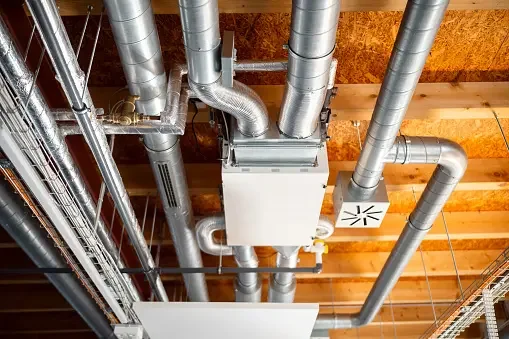
- Ductwork Integration: The furnace must be seamlessly integrated with your home's ductwork for efficient heat distribution.
- Electrical and Fuel Line Connections: The oil burner and controls require electrical power, and the burner needs a secure fuel line to your oil tank. These connections must be done by qualified professionals.
Due to the complexity and safety implications, we strongly advise against DIY installation. Our team provides Professional furnace and heating system installation services, ensuring all local and national codes are met.
Essential Maintenance for Your Wood Oil Combo Furnace
Maintaining a combo furnace is more hands-on than a conventional one but is crucial for its longevity, efficiency, and safety. Here's what you need to know:
- Daily Ash Removal: The wood firebox accumulates ash that must be removed daily for proper airflow and efficiency.
- Weekly Creosote Checks: Creosote, a byproduct of wood combustion, can build up in the flue and pose a fire hazard. We recommend weekly checks during the heating season and cleaning as needed.
- Annual Oil Burner Service: The oil-burning component requires annual professional servicing to ensure it operates at peak efficiency and reliability.
- Chimney Sweeping: A professional should sweep your chimney at least once a year, or more if you burn wood heavily, to remove creosote and prevent fires.
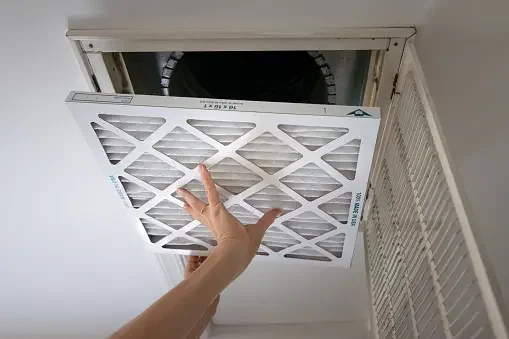
- Blower Motor and Filter Cleaning: The blower motor and air filters need regular cleaning or replacement to ensure good airflow and prevent strain on the system.
- Safety Checks: Regularly inspect all components for wear or damage. If you notice unusual smells, sounds, or performance issues, contact us immediately.
Proactive maintenance is the best way to avoid costly repairs and ensure your furnace is ready for winter. We offer comprehensive heating maintenance plans to keep your dual-fuel system running smoothly.
Understanding Costs and Long-Term Savings
A wood oil combo furnace has a higher initial cost than a standard oil furnace, but the long-term savings can be substantial, especially with fluctuating fuel prices in the Pittsburgh region. Let's break down the financial considerations.
Upfront and Ongoing Expenses
- Average Furnace Cost: The unit itself can range from $3,000 to over $8,000, depending on BTU capacity, features, and brand.
- Installation Costs: Professional installation adds $1,200 to $2,000+ to the cost, depending on complexity, ductwork, chimney needs, and local labor rates.
- Fuel Costs (Wood vs. Oil): This is where long-term savings appear. Using wood as your primary fuel significantly offsets oil consumption. Firewood costs vary but are often much less per BTU than heating oil, especially if you have an affordable local source.
- Potential Repair Costs: Like any complex appliance, a combo furnace may need repairs. Reputable brands offer robust warranties, such as Lifetime Heat Exchanger Limited Warranties. Regular maintenance helps mitigate unexpected repair costs.
To illustrate the potential for savings, consider this estimated annual heating cost comparison for a typical Pittsburgh home:
| Heating System Type | Annual Fuel Cost Estimate (Oil) | Annual Fuel Cost Estimate (Wood) | Total Estimated Annual Cost |
|---|---|---|---|
| Oil-Only Furnace | $3,000 - $4,500 | N/A | $3,000 - $4,500 |
| Wood-Oil Combo Furnace | $500 - $1,500 (backup only) | $500 - $1,000 (primary) | $1,000 - $2,500 |
Note: Estimates depend on fuel prices, home insulation, and usage. Wood costs can be much lower if sourced affordably.
The operational savings can lead to a quicker return on investment, making it a financially attractive option for many homeowners. If you ever face issues, our Guide to furnace repair in Pittsburgh can help.
Conclusion
A wood oil combo furnace offers a compelling solution for Pittsburgh-area homeowners seeking fuel flexibility, cost savings, and energy independence. Using affordable wood as a primary heat source, with the reliability of an automatic oil backup, provides comfort and peace of mind during our cold winters.
However, these systems are not a "set it and forget it" solution. They demand a higher upfront investment, significant space, and a commitment to diligent maintenance. A wood oil combo furnace is a powerful but demanding system that requires daily ash removal, creosote checks, and professional servicing.
With over 20 years of experience serving Western Pennsylvania and the tri-state area, we understand the unique heating challenges our communities face. Our certified technicians provide fast, reliable service and can help you weigh the pros and cons of a dual-fuel system.
Before deciding, consider your lifestyle, access to firewood, available space, and willingness to perform the necessary maintenance. If you're ready to explore if a wood oil combo furnace is right for your home, or if you need expert advice on your heating options, we're here to help.
Contact us for expert HVAC installation services to discuss your needs and get a personalized recommendation from our team.

.png)
