
Why Your Ducted AC Needs Regular TLC
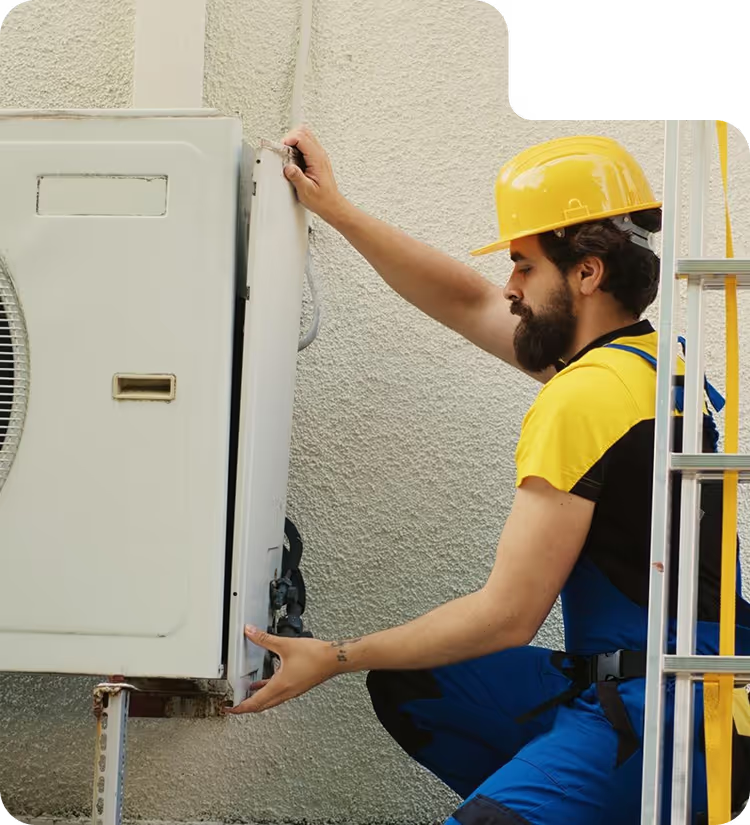
Ducted air conditioning maintenance is essential for keeping your system running efficiently and your home comfortable. Here's what you need to know:
- Clean or replace filters every 1-3 months (monthly if used daily)
- Schedule professional service annually (twice yearly for heavy use or coastal areas)
- Clear outdoor unit of debris and maintain 1 meter clearance
- Check vents regularly for dust buildup and obstructions
- Watch for warning signs like weak airflow, strange noises, or unusual smells
Think about your car for a moment. You wouldn't skip oil changes and expect it to run smoothly for years, right? Your ducted air conditioning system works the same way. Regular maintenance isn't just a nice-to-have - it's the biggest factor in whether your system lasts 10 years or 20+ years.
The good news? Much of ducted air conditioning maintenance is straightforward. You can handle basic tasks yourself, like cleaning filters and keeping vents clear. But you'll also need professional help for the technical stuff - checking refrigerant levels, inspecting electrical components, and deep-cleaning your ductwork.
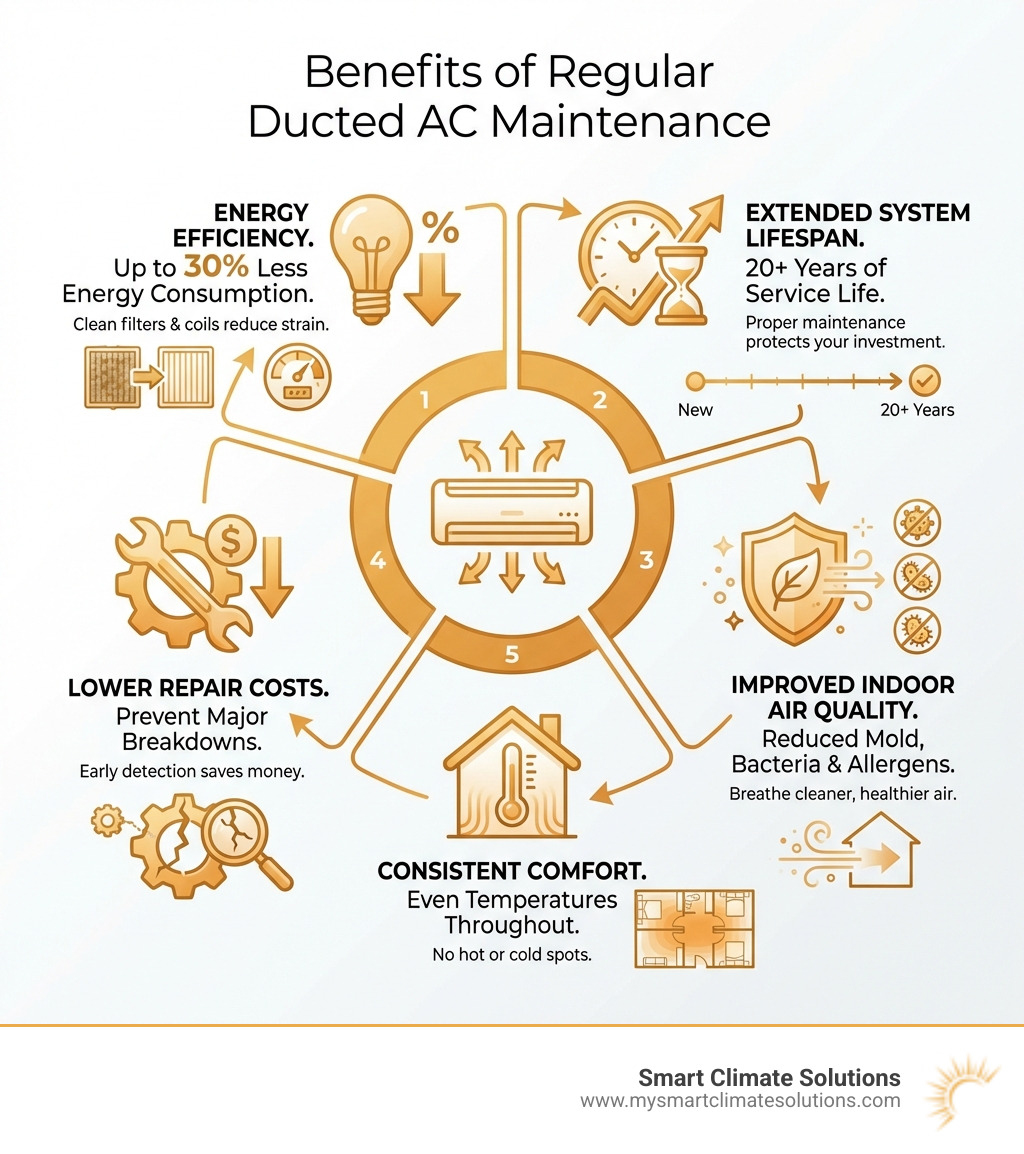
Regular upkeep delivers real benefits:
- Lower energy bills - Clean systems don't work as hard
- Better air quality - Less dust, mold, and allergens circulating
- Fewer breakdowns - Catch small issues before they become expensive repairs
- Longer system life - Protect your investment for decades
I'm Bill Scott, general manager at Smart Climate Solutions, and I've spent over 15 years helping Pittsburgh homeowners keep their HVAC systems running smoothly, including comprehensive ducted air conditioning maintenance programs. Let me walk you through exactly what you need to do and when to call in the experts.
A Homeowner's Guide to Ducted Air Conditioning Maintenance
Taking care of your ducted air conditioning system doesn't have to be daunting. Many essential maintenance tasks can be handled by homeowners, saving you money and giving you peace of mind. However, before you start any work, always prioritize safety.
Safety First: Always turn off the power to your ducted AC system at the thermostat and the main breaker before performing any maintenance. This prevents accidental startup and potential injury.
Basic Tool List: For most DIY tasks, you'll need a few simple items:
- Vacuum cleaner with attachments
- Soft brush
- Garden hose (for outdoor unit)
- Warm, soapy water
- Clean cloths or sponges
- New filters (if replacing)
- Screwdriver (for some vent covers)
Essential DIY Ducted Air Conditioning Maintenance Tasks
The heart of DIY ducted air conditioning maintenance lies in keeping things clean and clear.
Filter Cleaning and Replacement: Your air filters are your system's first line of defense against dust, allergens, and other airborne particles. A clogged filter is one of the most common causes of poor system performance, forcing your unit to work harder and increasing your energy bills.
- How often? If you use your air conditioner daily, your filter should be cleaned at least once a month. For less frequent use, every three months should suffice. We recommend checking your filters every 1 to 3 months, especially during peak cooling seasons in Pittsburgh, South Hills, or Weirton. People with allergies or pets may need to clean their filters more often.
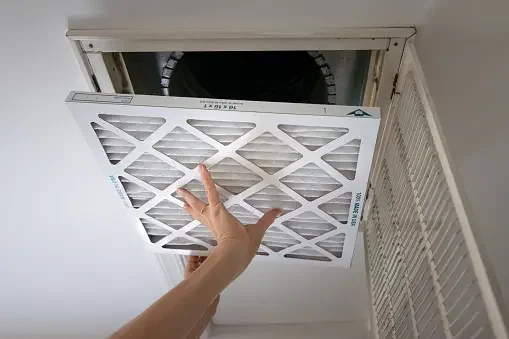
- How to clean: Most ducted systems have a large return air grille, often located in a central hallway or ceiling. Unscrew the cover, carefully remove the filter, and vacuum off any loose dust. Then, wash the filter with warm, soapy water. Ensure it's completely dry before you put it back. If your filter is cracked or degraded, it's time for a replacement.
- Why it matters: Clean filters mean better airflow, cleaner indoor air, and less strain on your system, which helps reduce energy costs.
Cleaning Vents: Over time, dust can accumulate on your supply air diffusers and return air grilles. This isn't just unsightly; it can also hinder airflow.
- Action: Simply vacuum dust from the vents and wipe them down with a damp cloth. For ducting outlet covers that might have mold, remove, wash, and sanitize them.
- Important note on closing vents: While it might seem logical to close vents in unused rooms, avoid closing too many at once. This can create pressure build-ups within your ductwork, reducing efficiency and potentially causing performance issues for your system. If you want to control temperatures in different areas, consider a zoned ducted system. Learn more about your system's infrastructure here: More info about HVAC Duct Installation.
Checking for Obstructions: Ensure that nothing is blocking your return air grilles or supply vents inside your home. Furniture, curtains, or even children's toys can restrict airflow, making your system less efficient.
Best Practices for Cleaning the Outdoor Unit
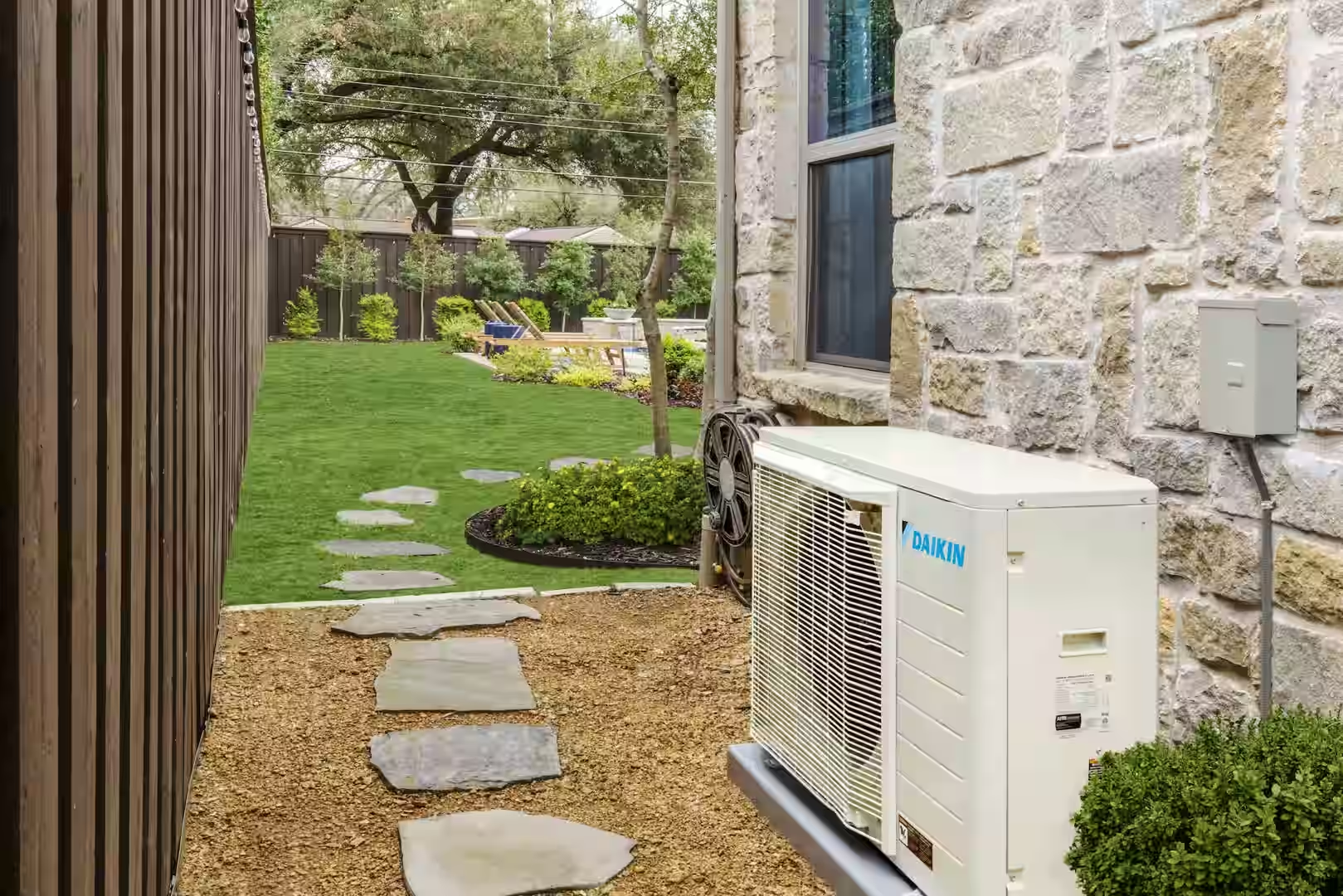
Your outdoor unit, or condenser, is a vital part of your ducted AC system. It's where heat is released from your home into the outside air. Keeping it clean and clear is crucial for efficient operation.
- Clearing Debris: The outdoor unit can quickly accumulate leaves, grass clippings, dirt, and other debris. Obstructions around the outdoor unit can cause the compressor to work harder, reducing efficiency.
- Action: Regularly sweep or wipe down the unit to remove any visible debris. Make sure the fins are clear of any blockages.
- Maintaining Clearance: Your outdoor unit needs space to breathe!
- Action: Ensure there's at least one meter (about three feet) of clear space around the unit in all directions. This allows for proper airflow and heat dissipation. Trim back any shrubs, bushes, or tall grass that might be encroaching on the unit.
- Rinsing Coils: The condenser coils can get dirty with dust and grime, especially in environments like those found in Burgettstown, Washington PA, or Steubenville OH, where construction dust or agricultural debris might be common.
- Action: After turning off the power, gently spray the coils with a garden hose from the inside out with low pressure. This helps dislodge accumulated dirt without damaging the delicate fins. For more stubborn grime, specialized coil cleaners are available, but always follow manufacturer instructions.
- Checking for Damage: While you're outside, take a moment to visually inspect the unit.
- Action: Look for any obvious cracks, holes, or signs of animal nesting. If you spot anything unusual, it's a good idea to have a professional take a look.
Regular cleaning of the outdoor unit helps maintain its efficient operation, prolong its lifespan, and prevent breakdowns. For a deeper dive into this, check out our guide on Condenser Coil Cleaning.
Telltale Signs Your Ducted System Needs Attention
Even with regular DIY ducted air conditioning maintenance, your system might send out distress signals. Being proactive and recognizing these signs early can prevent minor issues from escalating into major, costly repairs. Think of your AC system communicating with you - it's telling you it needs help!
Performance Red Flags
These are the signs that directly impact your comfort and your wallet.
- Weak Airflow: If you notice that the air coming from your vents isn't as strong as it used to be, or some rooms feel much cooler than others, it's a red flag. Reduced airflow can be due to blocked filters, leaky ductwork, or issues with your blower motor.
- Inconsistent Temperatures: A properly functioning ducted AC system should maintain consistent temperatures within 2-3 degrees across all zones in your home. If some rooms are hot while others are cold, it indicates a problem. This could be due to damaged ductwork, blocked vents, or faulty zone controls.
- Short Cycling: This is when your AC unit turns on and off frequently, running for only short periods. Erratic cycling can be caused by malfunctioning thermostats, electrical issues, or an oversized unit. This behavior not only increases energy consumption but also puts undue stress on your system's components, shortening its lifespan.
- Increased Energy Bills: Have your electricity bills suddenly spiked without a corresponding increase in usage? An inefficient AC system is often the culprit. Dirty filters, clogged coils, low refrigerant levels, or other mechanical issues can force your system to work harder, consuming more energy. We often see energy bills that are 20-30% higher than previous months during similar weather conditions as a strong indicator of inefficiency.
If your HVAC system isn't cooling properly, our HVAC Not Cooling Guide can provide further insights.
Sensory Warnings: Sights, Sounds, and Smells
Sometimes, your AC system speaks to you through your senses. Don't ignore these warnings!
- Grinding Noises or Squealing Sounds: Loud, unusual noises are almost always a sign of trouble. Grinding could indicate a problem with the motor bearings, while squealing might point to a worn belt.
- Musty or Burning Smells: A musty odor often signals mold or mildew growth within your ducts or evaporator coil. A burning smell could indicate an electrical issue, such as an overheating motor or wiring problem. Both require immediate attention.
- Water Leaks: Puddles or drips around your indoor unit or near your outdoor unit are never a good sign. This can indicate a clogged condensate drain line, a cracked drain pan, or even a refrigerant leak.
- Icing on the Unit: Seeing ice buildup on your outdoor unit's refrigerant lines or the indoor evaporator coil is a serious warning. This typically indicates low refrigerant levels (often due to a leak) or severely restricted airflow. If you notice ice, turn off your system immediately to prevent further damage, as attempting to chip away ice or continuing to run your system can cause permanent damage to vital components.
If you're experiencing any of these issues in Pittsburgh, South Hills, or the surrounding areas, it's time to call in the experts. Our team at Smart Climate Solutions is ready to provide prompt and reliable AC Repair Pittsburgh services.
When to Call a Professional: The Expert Touch
While many DIY tasks are beneficial, there are certain aspects of ducted air conditioning maintenance that are best left to professionals. These involve complex components, specialized tools, and safety considerations that go beyond what a homeowner can or should handle. Tampering with units under warranty can even void your coverage.
What to Expect During a Professional Ducted Air Conditioning Maintenance Service
When our certified technicians visit your home in Washington PA, St. Clairsville OH, or any of our service areas, they perform a comprehensive check-up that goes far beyond basic cleaning. Here's a list of what you can expect:
- Electrical Component Inspection: We'll check all electrical connections, voltage, and current on motors. Loose connections or faulty wiring can pose fire hazards and lead to system failure.
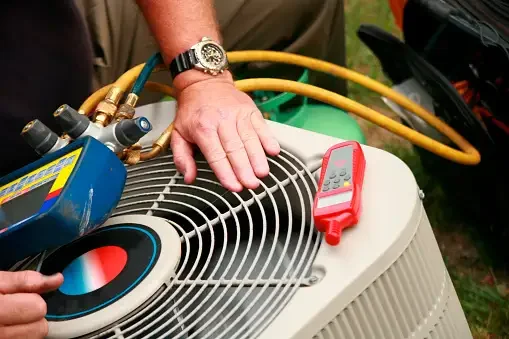
- Refrigerant Level Check: Refrigerant is crucial for absorbing heat from your indoor air and releasing it outside. Low refrigerant levels often indicate a leak, which not only reduces cooling efficiency but can also damage other components like the compressor. Our technicians are Section 608 Certified and use specialized tools to accurately measure and safely handle refrigerants. We'll look for signs of leaks (like oil stains) and address them promptly.
- Blower Motor Cleaning and Inspection: The blower motor is responsible for circulating air throughout your home. We'll clean the motor and fan blades, inspect its operation, and lubricate moving parts to ensure smooth and quiet airflow.
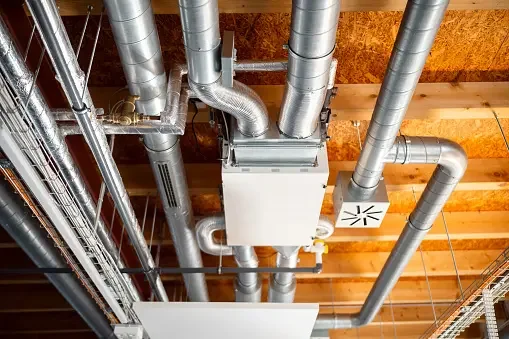
- Ductwork Inspection: Beyond what's visible, we'll inspect your ductwork for leaks, disconnections, or damage that can lead to energy loss and poor indoor air quality. We'll also check for proper sealing and insulation.
- Condensate Drain Cleaning: The condensate drain line removes moisture from your indoor unit. It can become clogged with algae, mold, and debris, leading to water backup, leaks, and potential water damage. We'll flush the drain line to ensure it flows freely.
- Coil Cleaning: We clean both the indoor evaporator coil and the outdoor condenser coil. Dirty coils significantly reduce your system's ability to absorb and release heat, leading to inefficient cooling and higher energy bills. We use professional-grade cleaners to ensure optimal heat transfer.
- Thermostat Calibration: We'll check the accuracy of your thermostat and calibrate it if necessary to ensure it's reading temperatures correctly and maintaining your desired comfort levels.
- Overall System Performance Test: Finally, we'll run your system through a complete cycle to ensure all components are working together efficiently and effectively.
A professional inspection is crucial to identify potential issues before they turn into major repairs. For a detailed breakdown of what our maintenance plans include, visit our What Does HVAC Maintenance Plan Includes page.
The Value of Professional Duct Cleaning
While you can clean visible vents, the internal ductwork of your ducted system requires specialized attention.
- Surface vs. Deep Cleaning: DIY cleaning focuses on surface dust. Professional duct cleaning, however, involves accessing the entire duct system to remove embedded dust, debris, allergens, and even mold.
- Specialized Equipment: Our technicians use powerful vacuum systems and specialized brushes designed to dislodge contaminants from within the ducts without causing damage. When exhausting indoors, HEPA filtration is required to ensure no particles are released back into your home. This is especially important for severe microbial growth.
- Mold Remediation: If mold is present, professional cleaning is essential. Mold can build up on the inside of ducting outlet covers and within the ducts themselves. We can wash and sanitize these covers and use anti-fungal or mold fogging into outlets and up into return air ducting while the unit is operating to sanitize the actual ducting. Porous materials with actual fungal growth should ideally be removed and replaced.
- Improved Air Quality: Professional duct cleaning significantly improves your indoor air quality by removing accumulated pollutants that recirculate through your home. This is a major benefit for anyone in Pittsburgh with allergies or respiratory sensitivities.
Frequently Asked Questions About Ducted AC Care
We often hear similar questions from homeowners in Pittsburgh, South Hills, and the surrounding areas about their ducted air conditioning systems. Here are some of the most common ones.
How often should a ducted air conditioner be serviced?
For most ducted air conditioning systems, a professional service once a year is sufficient. This annual check-up, ideally scheduled before the summer cooling season or winter heating season, ensures optimal functionality and helps catch minor issues early.
However, if your system is used heavily - say, blasting cool air every day through scorching summers in Steubenville OH, or if you have a large family and pets that put extra strain on the system - you might want to bump that up to twice a year. Commercial settings, like daycares, offices, gyms, or medical centers, typically require cleaning and sanitizing every 3 to 6 months due to constant operation and higher occupancy.
This frequency applies to professional servicing. For homeowner tasks:
- Filter cleaning: If you use your air conditioner daily, your filter should be cleaned at least once a month. If you use it less often, every three months should be sufficient. The cleaner the filter, the better the performance.
How does regular maintenance affect my system's lifespan?
Regular ducted air conditioning maintenance is the biggest factor in the lifespan of your system. With consistent professional servicing and diligent homeowner care, ducted air conditioning systems can last up to 20 years or more. Neglecting maintenance, on the other hand, can drastically shorten this lifespan, sometimes to less than a decade for even high-quality systems.
Here's how it helps:
- Extends Life: Just like a car, regular tune-ups prevent excessive wear and tear on components, allowing them to last longer.
- Improves Efficiency: Clean filters and coils mean your system doesn't have to work as hard to cool your home. This reduces strain on the compressor and other vital parts, which are often the most expensive to replace.
- Reduces Energy Use: An efficient system consumes less electricity, leading to lower energy bills. Dirty components can cause your system to operate at 20-30% higher energy consumption.
- Prevents Costly Breakdowns: Routine checks allow technicians to identify and address small problems (like a low refrigerant level or a worn belt) before they cause a complete system breakdown and require emergency repairs.
Investing in regular maintenance is an investment in your system's longevity and your long-term savings. For more tips on maximizing your system's efficiency, check out our Energy Efficient Home AC Guide.
What are the health risks of neglecting AC maintenance?
Neglecting ducted air conditioning maintenance can have significant impacts on your health and the health of your family. Your AC system circulates the air you breathe, and if it's dirty, so is your air.
- Mold Growth: The evaporator coil and condensate drain line can become breeding grounds for mold and mildew due especially to the moisture they handle. If not cleaned, these spores can be distributed throughout your home via the ductwork, leading to musty odors and respiratory issues.
- Bacteria Circulation: Dust, dirt, and moisture within your system can also harbor bacteria, which can then be circulated into your living spaces.
- Allergens and Dust: Clogged filters allow dust mites, pet dander, pollen, and other allergens to bypass filtration and circulate freely in your home. This leads to increased dust accumulation on surfaces and can trigger allergy symptoms or asthma attacks.
- Respiratory Irritation: Poor indoor air quality, laden with mold spores, dust, and other particulates, can cause or exacerbate respiratory irritation, leading to symptoms like coughing, sneezing, dry eyes, and headaches.
- High Humidity: If your AC isn't properly maintained, it might not effectively remove humidity from your home. High indoor humidity levels (above 50%) create an ideal environment for mold and dust mites to thrive, further worsening indoor air quality and potentially damaging furniture.
Maintaining your ducted AC system isn't just about comfort; it's about protecting your family's health. Learn more about the importance of clean air in our Indoor Air Quality guide.
Conclusion: Protect Your Investment and Comfort in Pittsburgh
Your ducted air conditioning system is a significant investment in your home's comfort and value, especially in the variable climate of Pittsburgh, South Hills, Burgettstown, Washington PA, Steubenville OH, St. Clairsville OH, and Weirton WV. From the warm, humid summers to the chilly winters, your HVAC system works hard to keep your indoor environment just right.
As we've explored, a combination of simple DIY tasks and professional tune-ups is the recipe for a long-lasting, efficient, and healthy system. You can easily handle cleaning filters, clearing debris from the outdoor unit, and keeping vents free of obstructions. However, for the intricate checks, refrigerant handling, deep coil cleaning, and thorough ductwork inspections, professional expertise is indispensable.
At Smart Climate Solutions, we understand the unique needs of homes in our service areas. Our certified technicians have over 15 years of experience providing fast, reliable service, and we offer 24/7 emergency support because we know that AC issues don't always happen during business hours. Investing in regular ducted air conditioning maintenance with us means protecting your comfort, your health, and your wallet for years to come.
Don't wait for a breakdown to think about your AC. Take proactive steps today to ensure your system continues to provide reliable, efficient cooling. Whether you need an annual tune-up, a detailed inspection, or are considering a new system, we're here to help.
Contact us today for all your HVAC needs, including expert HVAC Installation. We're committed to ensuring your comfort and satisfaction.

.png)
