Understanding Your Furnace Electric Igniter
The furnace electric igniter is a modern replacement for the old-fashioned standing pilot light. Instead of a tiny flame burning 24/7 (which wastes gas and can blow out), your furnace uses an electronic component to light the burners only when the thermostat calls for heat.
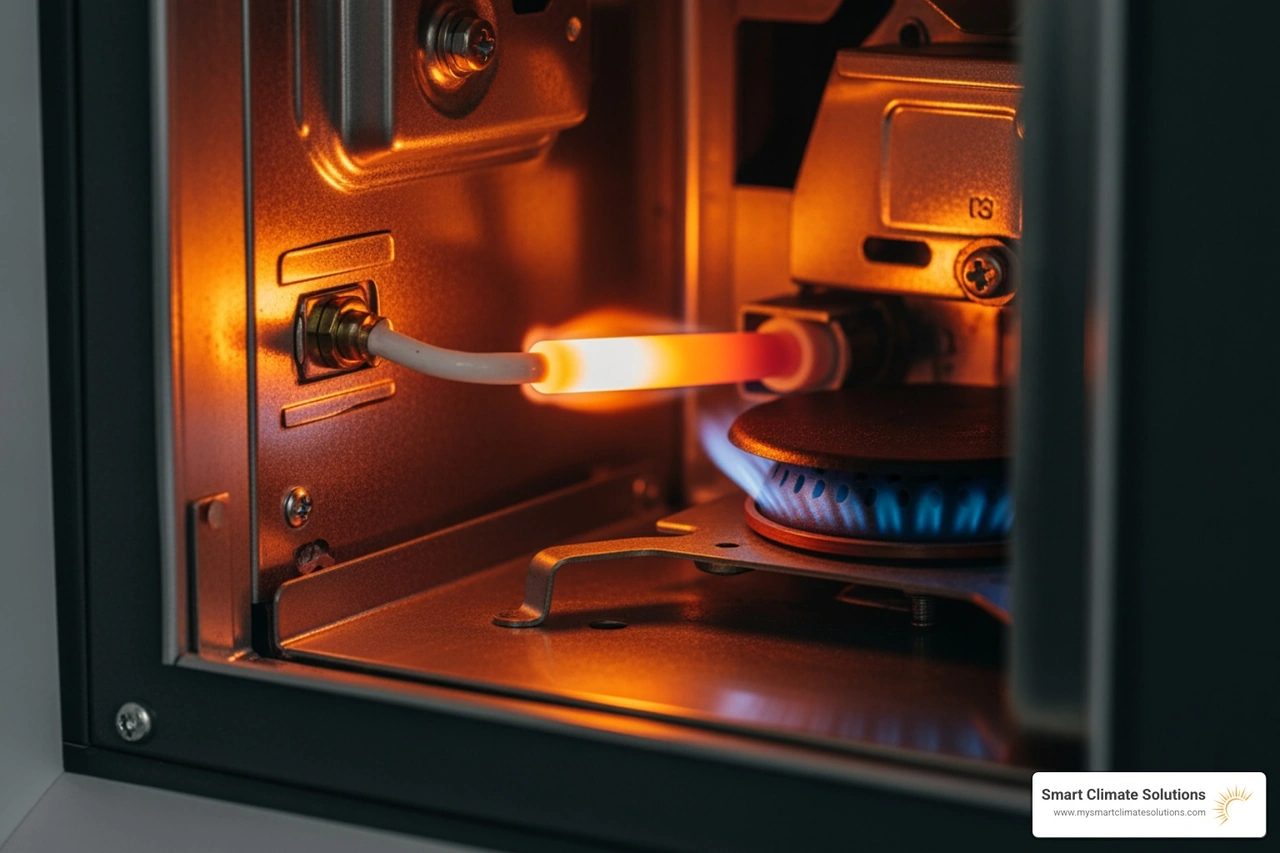
In the HVAC industry, we primarily deal with two types of electronic ignition systems. The most common is the Hot Surface Igniter (HSI). This works similarly to the filament in a lightbulb or the heating element in a toaster. When the furnace starts its cycle, electricity flows through the igniter, causing it to glow white-hot. Once it reaches the correct temperature, the gas valve opens, and the gas ignites upon contact with the glowing surface.
The second type is the intermittent pilot or direct spark ignition. Instead of a glowing element, these systems use high-voltage electricity to create a spark (much like a spark plug in a car) to light either a temporary pilot flame or the main burners directly. You can find a wide variety of these components at HVAC Ignitors and Ignition Assembly Replacement Parts if you are looking for specific brand matches like Carrier, York, or Goodman.
How a Furnace Electric Igniter Works
The ignition process is a carefully timed dance controlled by the furnace control board. Here is how it typically unfolds:
- The Call for Heat: Your thermostat detects the temperature has dropped and sends a signal to the furnace.
- The Inducer Motor Starts: A small fan turns on to clear the combustion chamber of any leftover gases and ensure a safe draft.
- The Glow Period: The control board sends 120 volts to the furnace electric igniter. It begins to glow bright orange.
- Gas Valve Activation: After a few seconds of warming up, the gas valve opens.
- Ignition: The gas hits the igniter (which is now over 2,000 degrees Fahrenheit) and bursts into flame.
- Flame Verification: A safety sensor called a flame sensor detects the heat. If it sees a flame, it tells the igniter to turn off and keeps the gas flowing. If no flame is detected, the system shuts down for safety.
Comparing Igniter Materials
Not all igniters are created equal. In the Pittsburgh area, where our furnaces work overtime from October through April, the material of your igniter makes a big difference in how often you will be calling us for repairs.
| Feature | Silicon Carbide | Silicon Nitride |
|---|---|---|
| Common Lifespan | 3 to 5 years | 5 to 10+ years |
| Durability | Very fragile; breaks easily | Rugged and resistant to vibration |
| Thermal Stress | High; prone to cracking | Low; handles rapid heat cycles well |
| Technology | Older standard | Modern upgrade |
Silicon carbide igniters are the traditional choice. They are effective but extremely brittle. If you even tap them against a metal bracket, they can snap. Silicon nitride, on the other hand, is the "premium" version. It is much more durable and is often used in newer, high-efficiency systems because it can withstand the constant thermal stress of our Western PA winters.
Signs Your Igniter is Failing
Identifying a failing furnace electric igniter early can save you from a middle-of-the-night emergency. Often, the igniter does not just "die" instantly; it may struggle for a few days before total failure.
One of the most common signs is that your furnace blower is running, but the air coming out of your vents is cold. This happens because the furnace is trying to run its cycle, but since the gas never lit, the burners stayed cold. You might also hear your furnace clicking repeatedly. This is the sound of the relays on the control board trying to engage the ignition sequence.
If you suspect your system is having trouble with the initial light-up, you should also read our guide on what to do when your Furnace Pilot Light Out symptoms appear, as many modern symptoms mimic the old pilot light issues.
Visual and Audible Symptoms
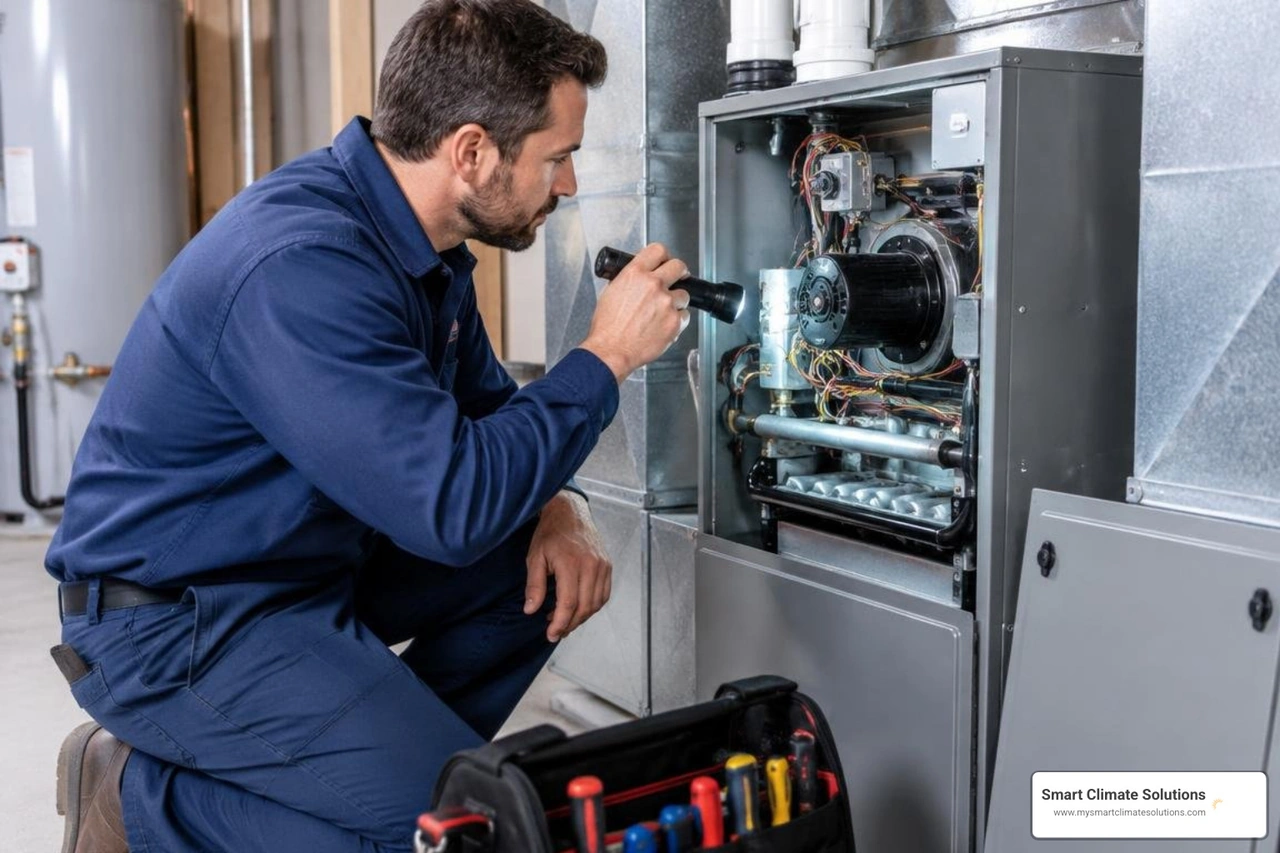
If you are comfortable removing the front panel of your furnace (and the power is still on), you can actually watch the ignition sequence. A healthy igniter will glow a bright, vibrant orange. If you see a duller glow, or if only a small portion of the element is lighting up, it is on its way out.
Look for these physical red flags:
- Visible Cracks: Even a hair-thin crack in the ceramic or the element will break the electrical circuit.
- White Spots: These "chalky" areas indicate where the material has oxidized and is becoming brittle.
- Soot Buildup: If the burners are dirty, soot can collect on the igniter, causing it to overheat and burn out prematurely.
Diagnostic Error Codes
Most modern furnaces in Pittsburgh homes have a small plastic window on the lower door. Behind that window is an LED light on the control board. When the furnace electric igniter fails, the light will flash in a specific pattern (e.g., three red flashes).
You can find the "legend" for these codes printed on the inside of the furnace door. A "Low Flame Signal" or "Ignition Failure Lockout" code is a definitive sign that the igniter is the culprit. After a few failed attempts to light, the furnace will enter "Lockout Mode" for safety, meaning it won't try to start again for several hours unless you reset the power.
How to Diagnose and Replace a Faulty Igniter
If you are a handy DIYer, you can diagnose a failed igniter using a multimeter. This tool measures "ohms," which is electrical resistance. To do this, you must first turn off the power and gas to the furnace. Disconnect the igniter from the wiring harness and touch your multimeter leads to the two wires on the igniter plug.
A healthy furnace electric igniter usually reads between 40 and 90 ohms. If your multimeter shows "OL" (Open Line) or an infinite reading, the internal filament is broken, and you need a replacement. For a more detailed walkthrough on this process, check out this Step-by-Step Guide to Replacing Ignitors and Capacitors.
Safety Steps for Your Furnace Electric Igniter
Safety is our number one priority at Smart Climate Solutions. Before you even touch a screwdriver, you must ensure the furnace breaker is OFF and the gas valve is turned to the OFF position.
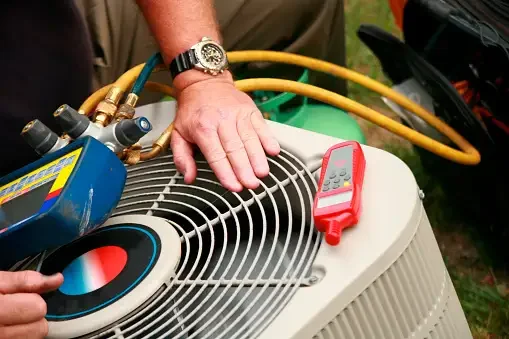
One of the most important rules of igniter replacement is: Never touch the black element with your bare hands. Your skin contains natural oils. When the igniter heats up to 2,000 degrees, those oils create a "hot spot" on the ceramic. This causes the material to expand unevenly, and the igniter will likely shatter or burn out within a few weeks. Always handle the part by its plastic or ceramic base, or wear clean gloves.
Step-by-Step Replacement Instructions
- Access the Burner Box: Remove the furnace's upper and lower panels.
- Locate the Igniter: It is usually tucked near the first burner on the left or right side.
- Unplug the Harness: Gently squeeze the plastic clip to disconnect the igniter from the furnace's wiring.
- Remove the Mounting Screw: Use a nut driver or screwdriver to remove the single screw holding the bracket in place.
- Remove the Old Part: Carefully slide the old igniter out. Note its orientation!
- Install the New Igniter: Slide the new part into place, ensuring the element is not touching any metal. Replace the screw.
- Reconnect and Test: Plug the wiring back in, replace the doors, and turn the power and gas back on. Set your thermostat to "Heat" and watch for that beautiful orange glow.
Costs and Professional Service in Pittsburgh
As of May 2026, the cost of a furnace electric igniter part typically ranges from $20 to $100, depending on whether you need a universal model or a brand-specific silicon nitride version. If you choose to have a certified technician handle the job, you can expect to pay between $150 and $300 total. This covers the diagnostic fee, the part, and the labor.
You can find more detailed breakdowns on our Certified Furnace Igniter Replacement Cost page. While DIY is cheaper, many Pittsburgh homeowners prefer the peace of mind that comes with a professional installation, especially during a January cold snap.
When to Call a Professional
While replacing an igniter is one of the simpler furnace repairs, there are times when you should definitely call us at Smart Climate Solutions:
- Warranty Concerns: If your furnace is less than 10 years old, it is likely under a parts warranty. DIY repairs often void these warranties.
- Gas Smells: If you smell "rotten eggs," shut off your gas immediately and call us. This could indicate a cracked heat exchanger or a faulty gas valve, not just an igniter issue.
- Frequent Failures: If you are replacing your igniter every year, there is an underlying electrical or airflow problem that needs a pro's eye.
- Electrical Complexity: If your control board looks scorched or the wiring is brittle, you're dealing with more than just a simple part swap.
Lifespan Expectations
In the Pittsburgh climate, we ask a lot of our heating systems. Because our winters are damp and cold, furnaces cycle frequently. On average, a standard silicon carbide igniter will last about 3 to 5 years. If you upgrade to a silicon nitride model, you might get 7 to 10 years out of it.
Factors that shorten this lifespan include:
- Power Surges: Frequent Pittsburgh thunderstorms can send surges through your home's electrical lines, weakening the igniter filament.
- Short Cycling: If your furnace turns on and off too frequently (often due to a bad thermostat or oversized unit), the igniter has to work twice as hard.
- Dirty Air: Dust and pet hair in the burner cabinet act like sandpaper on the glowing element.
Maintenance Tips for Longevity
You can't make a furnace electric igniter last forever, but you can certainly prevent it from dying early. The secret is maintaining proper airflow. When airflow is restricted, the internal temperature of the furnace rises, causing the igniter to stay hotter for longer periods.
The best thing you can do is change your air filters regularly. We recommend high-quality pleated filters with a MERV rating between 8 and 13. These provide excellent filtration without putting undue strain on your blower motor or ignition system. For more local tips, see our Furnace Repair Pittsburgh Guide.
Preventing Premature Burnout
To keep your igniter healthy, keep the area around your furnace clean. If you have a workshop in your basement or a laundry area nearby, sawdust and lint can be sucked into the burner box. This debris coats the igniter and causes it to overheat.
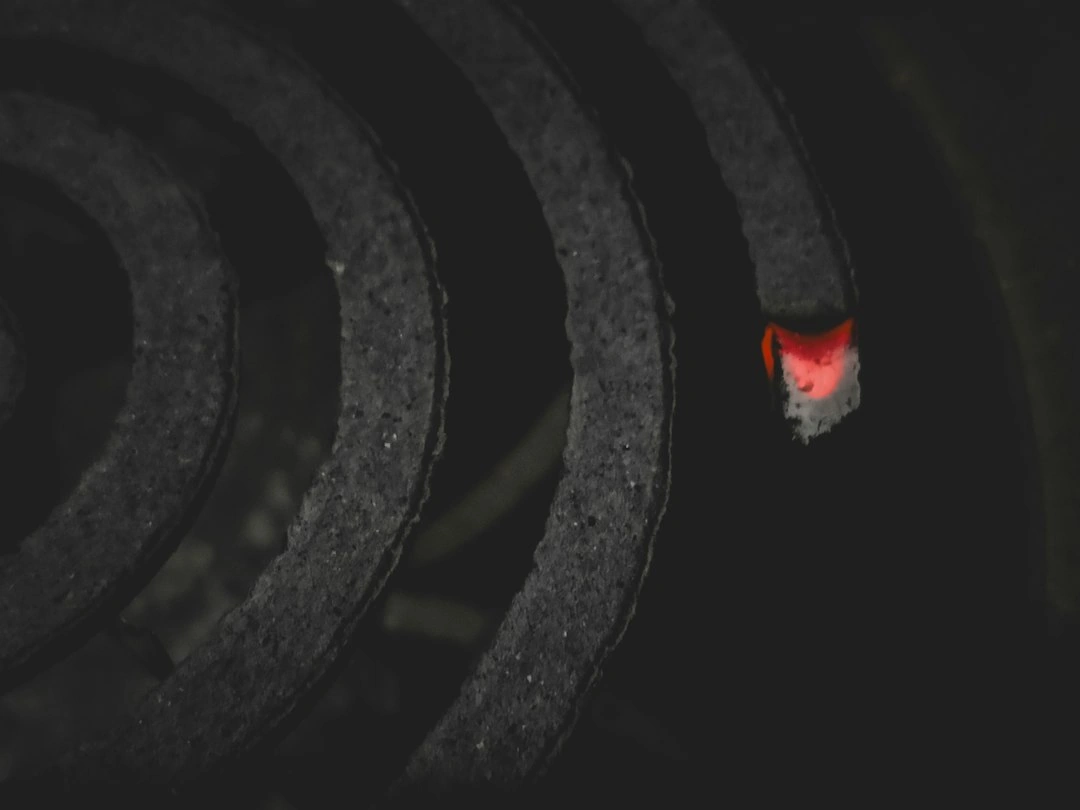
Also, ensure your thermostat is placed away from drafts or heat sources. If your thermostat is near a drafty window, it might "think" the house is colder than it is, leading to frequent cycling that wears out the igniter.
Seasonal Inspections
We always recommend a professional fall tune-up before the first frost hits Steubenville or Washington, PA. During these inspections, our technicians do more than just look at the igniter. We clean the flame sensor (which often fails alongside the igniter), check the gas pressure, and vacuum out the burner assembly.
As of May 2026, many of the newer furnaces we install in the South Hills area feature self-diagnostic tools that can even alert us via Wi-Fi if an igniter is starting to show signs of high resistance. Staying ahead of the curve with technology and regular maintenance is the best way to ensure your family stays warm.
Frequently Asked Questions about Furnace Igniters
Can I clean a furnace igniter to make it work again?
No. Unlike a flame sensor, which can be cleaned with a bit of steel wool, a furnace electric igniter is a ceramic heating element. If it has failed, it is because the internal circuit is broken. Cleaning it will not fix a break in the filament, and the pressure of cleaning it will likely cause it to snap.
Why does my new igniter keep burning out?
If you just replaced your igniter and it failed again within weeks, the most likely culprit is that you touched the element with your bare hands during installation. If you didn't touch it, you may have a faulty control board that is sending too much voltage, or a severely clogged air filter that is causing the unit to overheat.
Is it safe to stay in a house with a broken igniter?
It is safe in the sense that your furnace has safety switches (like the flame sensor) that prevent gas from leaking into your home if the igniter fails. However, in the middle of a Pittsburgh winter, your pipes can freeze quickly without heat. If your igniter is out, you should have it repaired as soon as possible to prevent secondary damage to your plumbing.
Conclusion
The furnace electric igniter is a small part with a big job. While it is designed to be durable, the extreme temperatures and frequent cycling of our local climate mean it will eventually need replacement. Whether you decide to tackle the job yourself or call in the experts at Smart Climate Solutions, understanding how this component works is the first step toward a comfortable home.
If you are currently staring at a cold furnace in Pittsburgh, Burgettstown, or Weirton, don't stay in the cold. Our certified technicians have over 20 years of experience and are available 24/7 for emergency repairs. We carry a wide stock of universal and OEM igniters to get your heat back on in a single visit.
Ready to restore your home's comfort? Contact us today for expert HVAC Service and Repair and let us handle your furnace needs with the speed and reliability you deserve.