
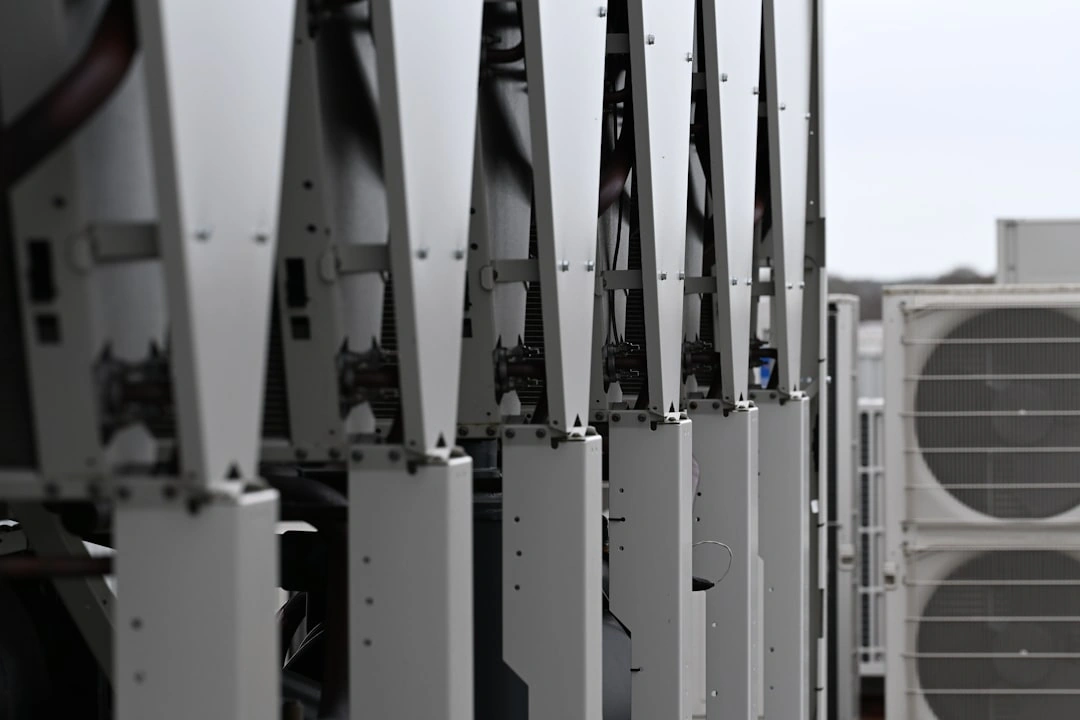
Commercial HVAC Services for Reliable Building Comfort
Commercial HVAC is the heating, cooling, ventilation, and humidity-control equipment that keeps a business, school, retail space, or other commercial property safe and comfortable. It is built for larger spaces, heavier daily use, more occupants, and stricter code requirements than a typical home system.
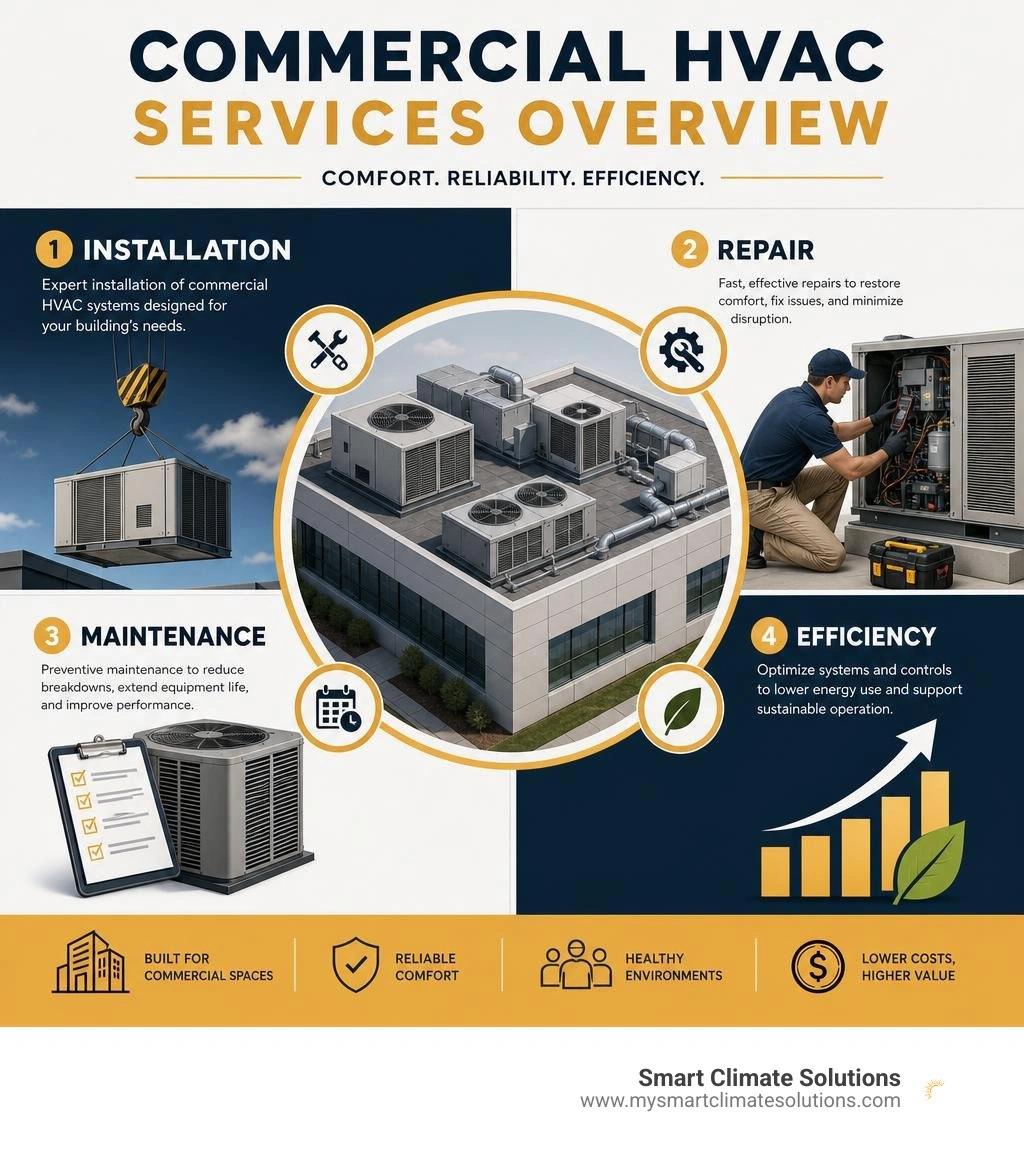
For Pittsburgh-area property owners and managers, commercial HVAC service can include:
- Installation and replacement of rooftop units, split systems, heat pumps, and ventilation equipment
- Preventive maintenance to reduce breakdowns, energy waste, and business disruption
- Repairs for uneven temperatures, weak airflow, leaks, humidity issues, and poor indoor air quality
- System assessments that match equipment to the building's size, layout, use, and local climate
Commercial equipment is not one-size-fits-all. An office, restaurant, warehouse, and medical facility can all need very different approaches to heating, cooling, ventilation, and controls. The right system and service plan help protect comfort, control operating costs, and keep critical equipment running when Pittsburgh weather shifts.
I am Bill Scott, general manager of Smart Climate Solutions, with more than 20 years of experience helping customers understand heating and cooling systems and make practical service decisions. In this Commercial HVAC guide, I will cover the basics that help building owners and managers choose, maintain, and get more value from their equipment.
Understanding Commercial HVAC Systems and How They Differ From Residential Units
Commercial HVAC systems handle much larger thermal loads than residential equipment. A home unit generally serves a small household with predictable occupancy and minor internal heat gains. In contrast, commercial facilities accommodate dozens or hundreds of people, continuous lighting, computer servers, commercial kitchen appliances, and heavy machinery.
Building size, occupant density, and physical footprint dictate how commercial systems are designed. While residential units rely on basic single-phase electricity and simple duct networks, commercial setups often run on three-phase electrical power (such as 208V, 230V, or 460V) to operate heavy-duty equipment efficiently. Furthermore, commercial installations must strictly comply with local building codes, ASHRAE standards, and ventilation requirements to guarantee fresh air circulation and emergency smoke control.
Key Components of Commercial HVAC
A complete commercial climate network includes three main functions: heating, ventilation, and air conditioning. Each component plays a vital role in keeping large spaces balanced and safe.
- Heating Equipment: Commercial buildings use furnaces, gas-fired duct heaters, condensing boilers, or electric heat packs. Choosing an efficient commercial heating system ensures consistent warmth across large open areas and multi-story layouts during freezing winters in Pittsburgh and the surrounding regions.
- Cooling Equipment & Chillers: Commercial cooling relies on packaged rooftop units, split condensing units, or large chilled-water systems. Water chillers circulate cooled water to air handlers across massive facilities.
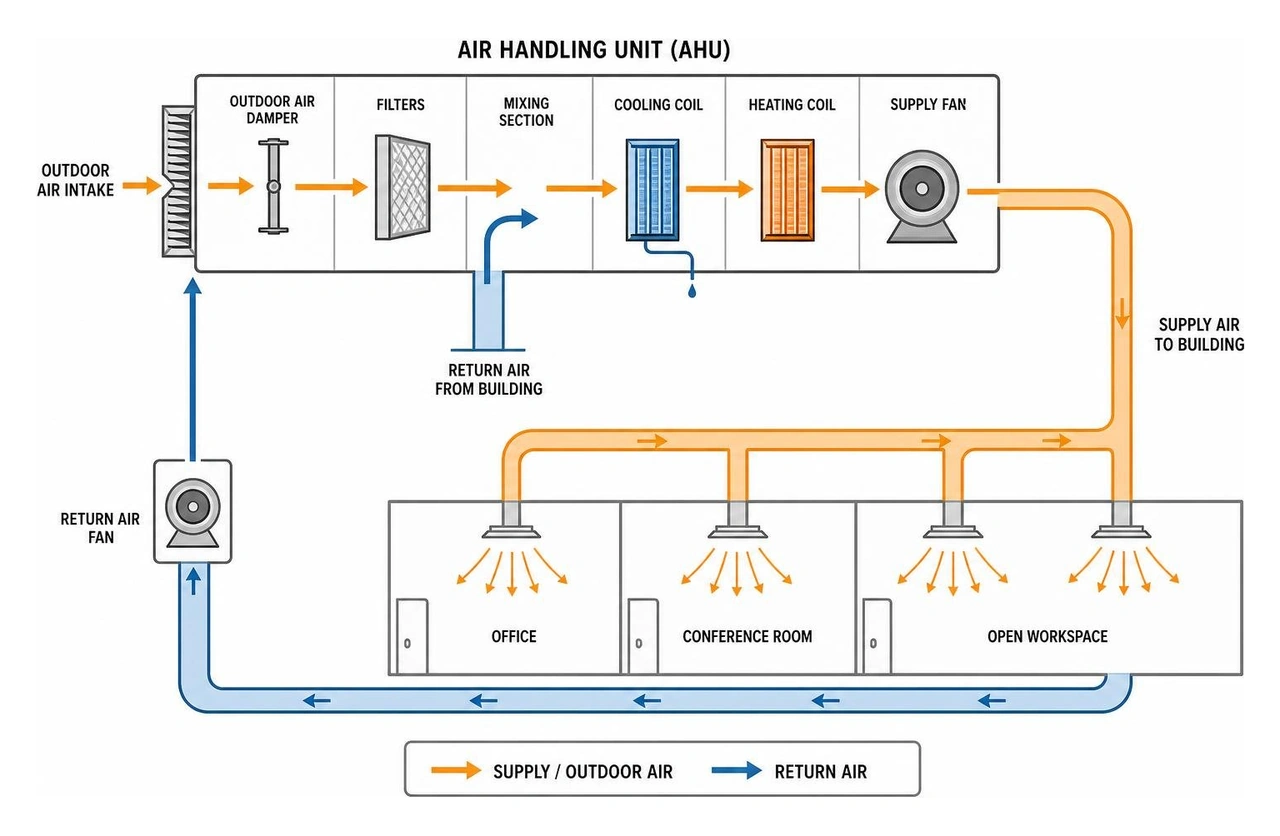
- Air Handling Units (AHUs): AHUs contain blowers, heating and cooling coils, and high-efficiency air filters. They mix outdoor fresh air with return air and push it through the building.
- Ventilation and Ductwork: Heavy-duty sheet metal ducts and variable air volume (VAV) boxes regulate airflow and maintain proper room pressurization.
Commercial Building Layout and Climate Sizing
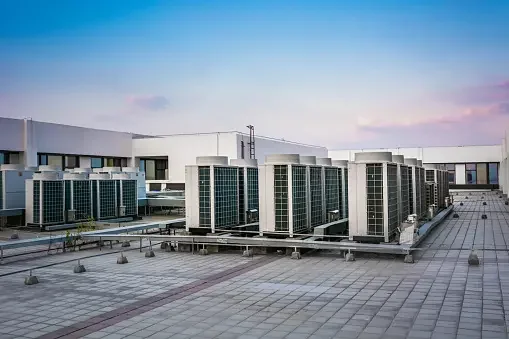
Selecting commercial HVAC equipment requires analyzing physical site constraints and building architecture. A multi-story high-rise in downtown Pittsburgh faces space restrictions, making roof-mounted units or chilled-water plants ideal. Conversely, a sprawling suburban commercial park in South Hills or Washington, PA may utilize distributed packaged units placed at multiple roof locations.
Accurate load calculations are essential. HVAC engineers evaluate peak thermal loads using specialized Manual J and Commercial Load protocols. These calculations factor in solar heat gain, building envelope insulation, window placement, total occupant capacity, and internal machinery output. Incorrect load sizing causes major problems: an undersized system fails to keep up during heatwaves, while an oversized system cycles on and off rapidly, spiking energy bills and causing severe humidity problems.
System Types, Efficiency Standards, and Equipment Selection
Commercial real estate demands flexible HVAC configurations to match varied physical designs and operational needs.
Equipment Configurations and Applications
Different commercial applications require specific mechanical configurations:
- Packaged Rooftop Units (RTUs): These self-contained cabinets house the compressor, condenser, evaporator, and heating components inside a single outdoor housing. RTUs save indoor floor space and are standard for retail stores, restaurants, and single-story offices.
- Split Heat Pump Systems: Split systems separate the outdoor condensing unit from the indoor air handler. Modern multi-stage units, such as a 4 Ton 15 SEER2 Trane Commercial Split Heat Pump System, deliver high-efficiency heating and cooling using three-phase power.
- Variable Refrigerant Flow (VRF) Systems: VRF technology controls the exact volume of refrigerant flowing to individual zone fan coils. This allows simultaneous heating in one room and cooling in another, making it popular for hotels, office complexes, and schools.
- Heavy-Duty Packaged Heat Pumps: Large-capacity units, like a 12.5 Ton Trane Commercial Packaged Heat Pump, provide all-electric climate control for large buildings aiming to eliminate natural gas dependencies.
Proper planning during a commercial climate system installation guarantees long-term performance and seamless integration with existing building infrastructure.
Technological Innovations in Commercial HVAC
Commercial climate technology continues to advance, driven by stricter environmental rules and higher efficiency demands:
- Low-GWP Refrigerant Transition: Eco-friendly refrigerants like R-454B (GWP of 466) and R-32 (GWP of 675) have replaced legacy R-410A (GWP of 2,088) to meet EPA mandates. Modern equipment, including options like the Daikin 3 Ton 14 SEER2 Commercial Gas Package AC, utilizes these advanced refrigerants for lower environmental impact.
- Variable Frequency Drives (VFDs): VFDs adjust motor and compressor speeds dynamically based on real-time load demands rather than running at full blast, cutting electric consumption dramatically.
- Microchannel Coils: All-aluminum microchannel coils increase heat transfer performance while using significantly less refrigerant charge than older copper-tube designs.
- Direct Digital Controls (DDC) & Smart Automation: Integrated smart controls connect to Energy Management Systems (EMS) using protocols like BACnet or Modbus, allowing facility managers to monitor systems remotely.
Detailed engineering specs and manufacturer advancements can be found in reference guides such as the commercial equipment efficiency standards manual.
Regulatory Standards and Efficiency Ratings
Commercial HVAC equipment must comply with strict energy metrics governed by the Department of Energy (DOE), ASHRAE 90.1, and regional building codes.
| Efficiency Metric | Full Name | Primary Application | How It Is Measured |
|---|---|---|---|
| SEER2 | Seasonal Energy Efficiency Ratio 2 | Light commercial & split systems | Evaluates seasonal cooling performance under standardized duct static pressures. |
| IEER | Integrated Energy Efficiency Ratio | Commercial packaged units & RTUs | Measures part-load cooling efficiency across varying outdoor temperatures and capacities. |
| EER2 | Energy Efficiency Ratio 2 | Commercial heat pumps & AC units | Calculates cooling efficiency at a constant outdoor peak temperature (95 degrees F). |
| HSPF2 | Heating Seasonal Performance Factor 2 | Commercial split heat pumps | Measures total heating output over a typical heating season relative to electrical input. |
Proactive Maintenance and Operational Cost Reduction
Commercial systems run constantly under high demands. Waiting for a system failure leads to expensive emergency repairs, structural comfort issues, and potential business downtime.
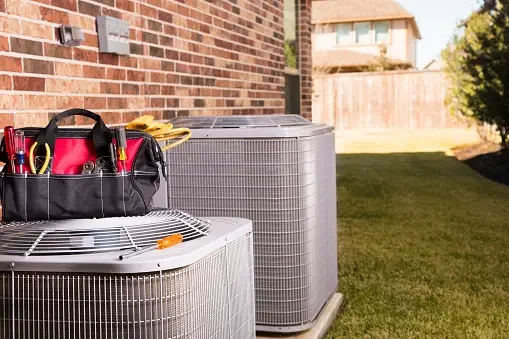
Benefits of Preventative Maintenance Contracts
Enrolling in a structured commercial hvac maintenance plan provides clear operational advantages for facility managers across Pittsburgh, Steubenville, OH, and Weirton, WV:
- Lower Utility Bills: Clean coils, aligned blower belts, and calibrated controls allow units to operate at peak design efficiency, cutting annual energy expenditure by over 30%.
- Fewer Emergency Service Calls: Routine checks catch worn electrical contractors, loose fan belts, and minor refrigerant leaks before they trigger major compressor breakdowns.
- Extended Asset Lifespan: Regular maintenance extends the working life of heavy rooftop assets by years, delaying capital replacement costs.
- Predictable Budgeting: Maintenance contracts establish fixed annual costs, avoiding unexpected emergency financial spikes.
Resolving Common Commercial Building Climate Issues
Facility managers frequently face specific building climate challenges that require expert attention:
- Hot and Cold Spots: Imbalanced airflow across multi-tenant offices is corrected by re-balancing duct dampers, adjusting VAV terminal boxes, or updating zone thermostats.
- Elevated Indoor Humidity: High humidity causes mold concerns and occupant discomfort. Integrating VFD-driven dehumidification technology optimizes moisture removal during low-cooling demand periods.
- Condensate Leaks and Standing Water: Clogged drain lines can cause expensive ceiling and structural damage. Regular drain pan clearing and automatic safety float switches prevent water overflow.
- Restricted Airflow: Dirty filters and fouled evaporator coils force blowers to work harder, reducing comfort and straining motors. Following an updated rtu preventative maintenance guide 2026 keeps equipment running smoothly.
System upgrades in sectors like Commercial Real Estate demonstrate how preventative care protects long-term property value.
Selecting a Qualified Commercial Service Provider
Partnering with the right mechanical contractor guarantees that your facility equipment stays compliant, efficient, and reliable.
Technician Training and Certifications
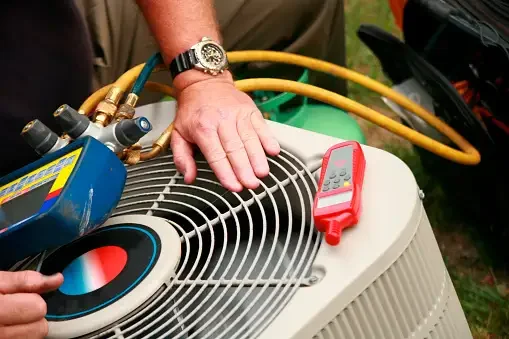
Commercial HVAC systems are complex mechanical installations that require specialized technical expertise. When vetting a service provider, verify that their team holds industry-standard credentials:
- NATE Certification: Ensures technicians have proven expertise in commercial refrigeration, airflow dynamics, and complex electrical diagnostics.
- EPA Section 608 Universal Certification: Mandatory for handling low-GWP refrigerants like R-454B and R-32 safely.
- Rigorous Technical Apprenticeships: Top technicians complete formal Pipefitters union or accredited trade programs, mastering electrical controls, motor diagnostics, and hydronic piping.
- OSHA Safety Compliance: Maintenance crews should adhere to strict safety protocols, including Lockout/Tagout procedures and fall protection for rooftop work.
For a deeper look into seasonal system upkeep, review our comprehensive commercial heating guide 2026.
Evaluating Service Agreements and Scope of Work
A strong commercial service agreement should clearly outline response times, preventive checklists, and emergency callout terms. Key items to look for include:
- Guaranteed 24/7 emergency response support for critical failures.
- Detailed preventive maintenance checklists covering filter changes, coil washing, belt replacements, and electrical tightening.
- Advanced diagnostic tools, such as vibration analysis and eddy-current testing for chillers.
- Transparent reporting on equipment condition, refrigerant tracking, and energy optimization recommendations.
Frequently Asked Questions About Building Climate Control
How do commercial heat pumps compare to gas packaged units?
Commercial heat pumps run entirely on electricity, absorbing ambient heat from outdoor air to warm the building interior. Modern multi-stage heat pumps are highly efficient down to low outdoor temperatures and eliminate natural gas lines and combustion venting. Gas packaged units combine electric cooling with a natural gas burner for heating, providing rapid heat recovery in extreme cold weather. Dual-fuel systems combine both technologies, running electric heat pumps during mild weather and switching to natural gas during extreme freeze events.
What causes poor indoor air quality in commercial facilities?
Poor indoor air quality (IAQ) usually stems from inadequate outdoor fresh air ventilation, dirty or incorrectly rated air filters, clogged condensate pans, and neglected ductwork. Inaccurate commercial load calculations can also lead to improper room pressurization and humidity imbalances. Resolving IAQ issues involves installing higher-MERV filters, upgrading air handler ventilation controls, performing regular coil cleaning, and maintaining proper building air exchange rates.
How often should commercial HVAC systems undergo preventative service?
Commercial HVAC systems should receive professional preventive maintenance at least four times a year (quarterly). Quarterly visits focus on filter replacements, belt inspections, and airflow checks. Comprehensive seasonal tune-ups should occur in spring (for cooling equipment) and fall (for heating equipment). High-demand facilities, such as restaurants, data centers, or manufacturing plants in Burgettstown or St. Clairsville, OH, may require monthly inspections to keep critical components operating cleanly and reliably.
Conclusion
Managing commercial HVAC assets requires a smart strategy that balances equipment selection, proactive care, energy efficiency, and modern technology. Whether managing an office park in South Hills, PA, a retail footprint in Weirton, WV, or an industrial facility in Steubenville, OH, maintaining continuous control over temperature, humidity, and airflow protects occupants, preserves inventory, and keeps utility expenditures under control.
At Smart Climate Solutions, our certified technicians bring over 20 years of hands-on mechanical experience, reliable 24/7 emergency support, and tailored preventive service plans to property owners across the region. Explore expert commercial HVAC services to schedule your facility assessment and optimize your commercial building climate systems today.

.png)
