
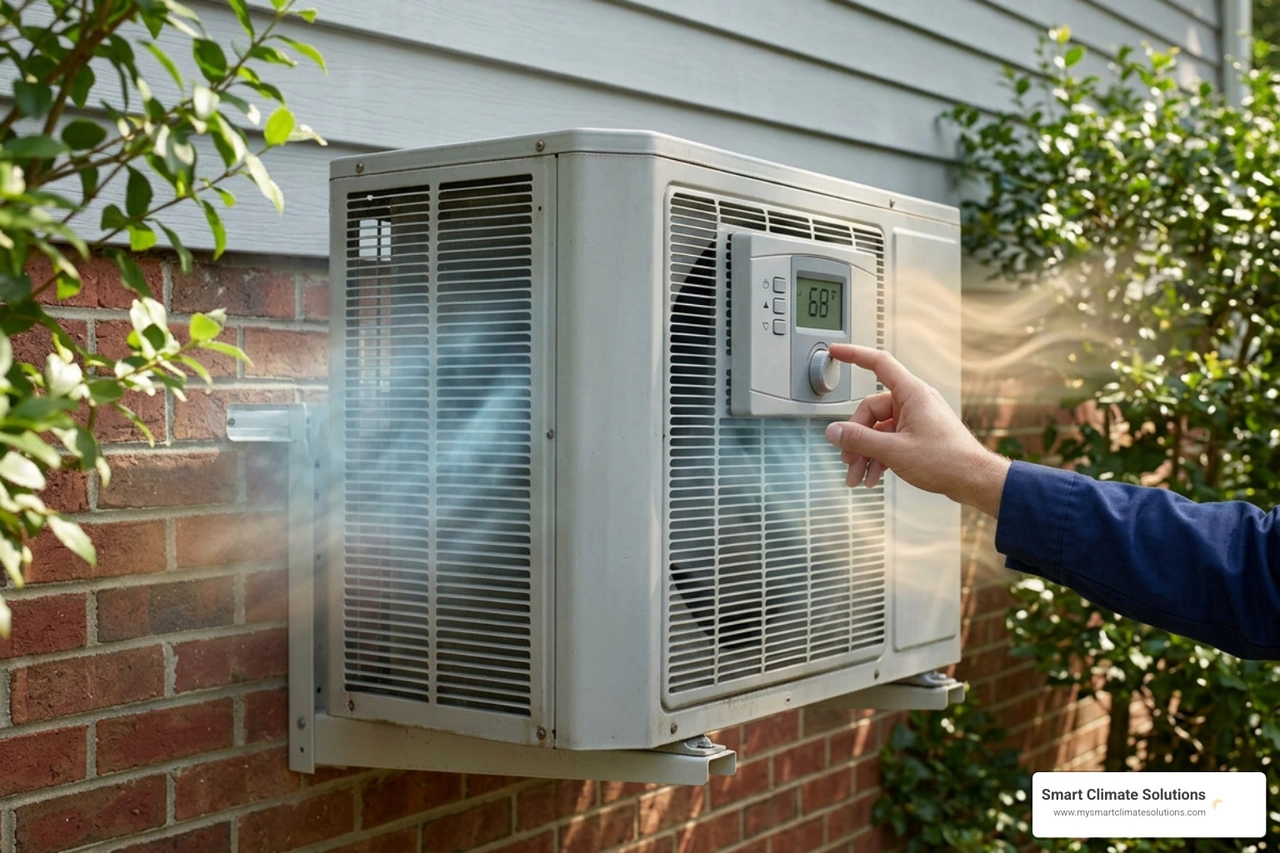
Why Your AC Blows Cold Air Then Stops: 6 Core Causes
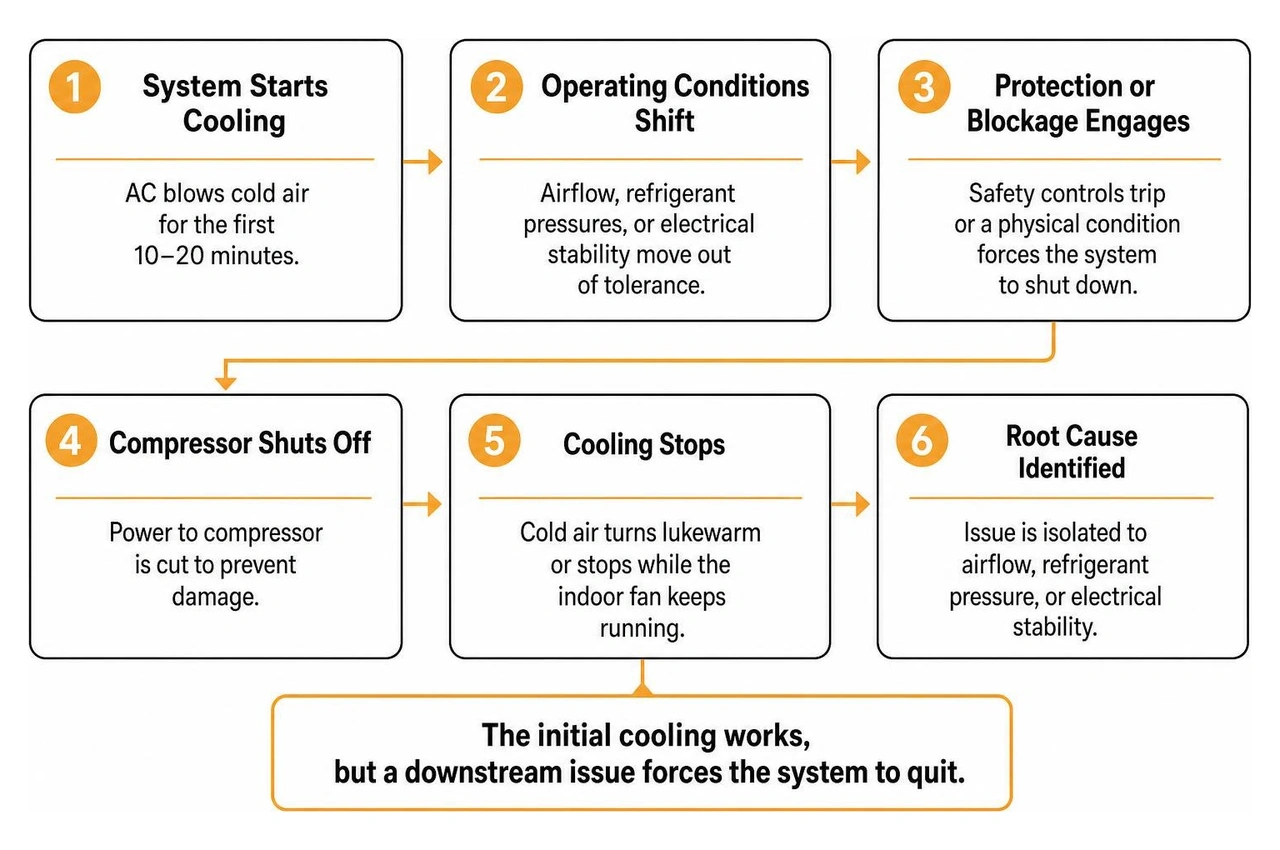
When an air conditioning system delivers icy air for the first ten to twenty minutes before cutting out, it tells us that the initial cooling cycle functions, but a downstream operating condition forces it to quit. Air conditioners rely on a steady balance of airflow, refrigerant pressures, and electrical stability. When any of these parameters shift out of tolerance during operation, safety controls or physical blockages take over.
In our service calls across Pittsburgh and surrounding communities, we evaluate the temperature split. A healthy central air conditioner creates a supply-air temperature drop between 18 and 22 degrees Fahrenheit lower than the return-air temperature. If this temperature drop falls below 12 degrees, or if the unit abruptly cuts cooling while the indoor fan keeps running, one of the following primary mechanical or electrical failures is taking place.
Low Refrigerant and Pressure Switch Trips
Air conditioning systems are closed loops. Refrigerant does not get used up or burn away like fuel. If the refrigerant level is low, your system has an active leak in a coil, joint, or service valve.
When a system is slightly undercharged, it may produce cold air on startup because resting pressures temporarily satisfy operating requirements. However, as the compressor runs, suction pressure steadily drops. Modern systems utilize high- and low-pressure safety switches to protect the compressor from permanent damage. Once pressure falls below the minimum threshold, the switch opens and cuts power to the compressor, causing the air coming from your vents to turn lukewarm. For a detailed breakdown of low refrigerant symptoms, see our AC Not Cooling Properly Complete Guide. Understanding these mechanical principles is supported by Scientific research on central AC airflow problems that details how pressure drops disrupt systemic heat exchange.
How Frozen Evaporator Coils Mean Your AC Blows Cold Air Then Stops
A frozen indoor coil is among the most deceptive cooling failures. At first, the air leaving your vents feels exceptionally cold. Within thirty minutes, however, the airflow dwindles down to a weak trickle or stops entirely, leaving the blower motor running against an impenetrable block of solid ice.
When airflow across the indoor evaporator coil is choked by a dirty air filter, closed supply registers, or low refrigerant levels, the coil temperature plunges below 32 degrees Fahrenheit. Moisture pulled from the humid air inside your home condenses on the cold metal and freezes instantly. As layer upon layer of ice builds up, air cannot pass through the coil fins. If you notice your indoor unit running without delivering air through the vents, check out our guide on HVAC Running But Not Blowing Air.
Failing Run Capacitors and Overheating Compressors
The outdoor condenser unit houses the compressor and the condenser fan motor, both of which rely heavily on a run capacitor to maintain clean, consistent electrical current. A failed run capacitor is the single most common outdoor-unit electrical failure we see in the field.
Capacitors often degrade from summer heat or power transients during thunderstorms. When a capacitor weakens, the compressor draws excessive electrical amperage to stay running. This extra current causes internal heat to build rapidly until the compressor's internal thermal overload switch trips to prevent a catastrophic burnout. When this happens, the indoor blower keeps pushing unconditioned room air while the outdoor compressor sits silent or hums without starting. If your unit is struggling at startup, read our troubleshooting steps for an AC Compressor Not Starting.
Clogged Cabin Air Filters and Blower Fan Failures
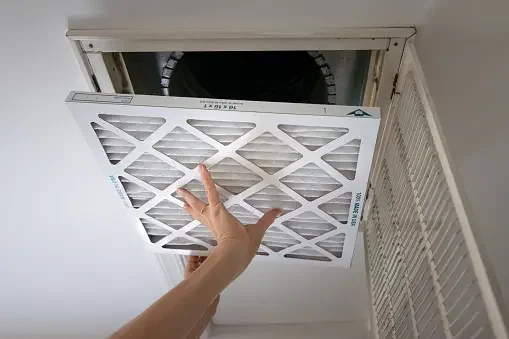
Air distribution is half the cooling equation. A filter that has not been replaced in 60 to 90 days collects a dense blanket of dust, pet dander, and airborne debris. This restriction starves the indoor blower motor of return air, increasing static pressure across the duct system.
Over time, this strain causes the blower motor to overheat. Many modern blower motors have built-in thermal limits that shut the motor off when operating temperatures spike. Once the motor cools down after an hour of rest, it may start back up, creating a repeating cycle where cold air blows briefly before the blower quits entirely. If your air handler fan is unresponsive, inspect our recommendations for a Broken AC Fan Motor.
Automotive vs Home Systems: Pinpointing Intermittent Cooling
While both residential and automotive air conditioners use the same closed-loop refrigeration cycle (compressor, condenser, expansion device, evaporator), the operating environments and control electronics differ significantly. Understanding these differences helps explain why your car's climate control system might shut off midway through your commute.
Why Your Car AC Blows Cold Air Then Stops After 15 Minutes
In a vehicle, the compressor is driven mechanically by an accessory belt connected to the engine crankshaft and engaged by an electromagnetic clutch, or managed electronically via a variable-displacement control valve.
Common causes of intermittent automotive cooling include:
- Compressor Clutch Air Gap: As the electromagnetic clutch wears, the physical gap between the clutch plate and pulley widens. Once the engine compartment heats up after 15 to 20 minutes of driving, electrical resistance increases in the clutch coil, causing it to lose magnetic hold and disengage the compressor.
- Engine Control Module (ECM) Cutoff: The ECM monitors engine temperature and refrigerant pressure sensors. If the engine begins running hot, or if the refrigerant pressure switch detects pressure dropping too low from an undercharge, the ECM cuts ground to the AC relay.
- Evaporator Temperature Sensor Failure: This sensor prevents moisture on the car's compact evaporator core from freezing. If it fails or misreads, the core turns into an ice block, completely blocking cabin airflow. If your vents produce no airflow whatsoever, consult our guide on what to do when your AC Isn't Blowing, and watch this Video guide explaining AC failure mechanisms to see these components in action.
The Danger of DIY Freon Recharge Cans
When a car's AC starts blowing warm air intermittently, many drivers reach for an over-the-counter can of refrigerant equipped with a cheap plastic gauge. In modern automotive and residential systems alike, using these cans is risky.
Most retail recharge cans only measure low-side pressure, providing no information about what is happening on the high-pressure side of the system. Without knowing high-side pressure, it is very easy to overcharge the system. Excess refrigerant causes high head pressures that trigger the safety switch and disable the compressor entirely. Furthermore, these retail cans often contain chemical stop-leak additives. These sealants react with internal moisture and air, forming gummy deposits that clog expansion valves, orifice tubes, and professional recovery equipment. A sealed system must be evacuated, vacuum-tested for leaks, and recharged by weight according to factory specifications.
Step-by-Step DIY Troubleshooting Before Calling a Tech
Before calling for a service technician, complete these basic diagnostic checks to rule out simple control errors and clear minor airflow obstructions.
| Component | What to Check | Normal Condition | Action If Abnormal |
|---|---|---|---|
| Thermostat | Mode and Fan switch settings | Set to COOL, Fan set to AUTO | Change fan from ON to AUTO to prevent warm air between cycles |
| Air Filter | Visual inspection for dirt buildup | Clean, light passes easily through | Replace filter immediately (every 30-90 days) |
| Outdoor Unit | Debris and clearance | Clear airflow, 2-foot open perimeter | Clear grass clippings, leaves, and brush around the coil |
| Refrigerant Line | Large insulated copper pipe | Cold and sweating slightly | If covered in white frost or ice, turn the system OFF immediately |
| Condensate Drain | Drain line and drain pan | Free-flowing, pan empty | Clear drain line clog to reset tripped float switch |
Maintaining your system properly prevents the vast majority of these sudden shutdowns. Review our complete guide to Air Conditioner Maintenance for seasonal checklists.
Checking Thermostat Modes and Breaker Panels
Begin your troubleshooting at the thermostat. Confirm the system switch is firmly in the Cool position and the temperature setpoint is at least 3 to 4 degrees lower than current room temperature. Ensure the fan switch is set to Auto rather than On. When set to On, the indoor blower runs continuously even when the outdoor compressor shuts off between cycles, circulating warm, humid air through your home.
Next, check your home's main electrical service panel. Air conditioning systems use two separate circuits: a 120-volt circuit for the indoor furnace or air handler and a 240-volt double-pole breaker for the outdoor condenser. If one leg of the outdoor double-pole breaker trips, the outdoor unit may hum or fail completely while the indoor fan continues to blow warm air. Reset any tripped breakers firmly to the Off position before switching them back to On.
Inspecting Air Filters and Coil Frost
Turn off power to the system and inspect the air filter located in the return air drop or air handler cabinet. If the filter media is coated in gray dust, replace it immediately.
Next, inspect the large copper suction line running from the outdoor unit to the indoor air handler. If you observe frost, ice crystals, or a solid ice shell around this pipe, the indoor coil is frozen. Do not attempt to chip ice away from delicate aluminum fins with sharp tools. Set the thermostat to Off and turn the fan switch to On to let the room-temperature air thaw the ice naturally over the course of 2 to 4 hours. Keep towels nearby to handle the resulting condensate runoff. If the issue returns after the ice melts, professional HVAC Service and Repair is required to test system pressures.
Frequently Asked Questions About Intermittent AC Cooling
Why does restarting the system temporarily restore cold air?
Turning an AC off and back on resets safety switches and provides a brief rest period for overheated components. For example, if an internal compressor thermal limit switch trips due to high heat, a 20-minute rest allows the internal bi-metal switch to cool and close the electrical circuit again. Similarly, restarting the system allows high and low refrigerant pressures to equalize, enabling a struggling compressor to start under lower mechanical load until heat builds up again.
How do I tell if the issue is low refrigerant or an electrical fault?
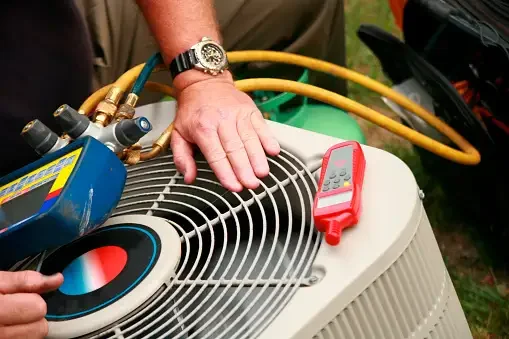
Low refrigerant typically presents with gradual cooling loss, temperature splits below 15 degrees Fahrenheit, and visible frost forming along the suction line or evaporator coil. Electrical faults, such as a failing capacitor, relay, or pressure switch, usually cause sudden, complete shutdowns of the outdoor unit. Technicians use digital manifold gauges and multimeters to measure exact operating pressures and electrical draw to isolate the root cause.
What does it cost to fix intermittent AC cooling issues?
Repair costs vary depending on the failed component. Basic filter replacements cost under $20. Replacing a standard run capacitor typically costs between $150 and $300 including diagnostics and labor. Finding and repairing a refrigerant leak followed by a factory recharge generally ranges from $400 to $1,500. Replacing a failed indoor blower motor or outdoor compressor can run from $500 to well over $2,000 depending on the age and size of the equipment.
Conclusion
An air conditioning system that starts strong before shutting down is signaling that an operating limit has been reached. Whether caused by choked airflow, a frozen evaporator coil, an overheating compressor, or a refrigerant leak, ignoring these early warnings can lead to severe equipment failure and costly replacements.
Regular maintenance and timely filter replacements keep your system operating within safe manufacturer specifications all season long. If you have checked your thermostat settings, replaced your air filter, and your unit still shuts down after starting, contact the certified technicians at Smart Climate Solutions. We bring over 20 years of HVAC experience and 24/7 emergency support across Pittsburgh, South Hills, Burgettstown, Washington, Steubenville, St. Clairsville, and Weirton. Schedule an inspection for your AC not cooling to restore reliable, whole-home comfort today.

.png)
